


Edwardian Planter
An Edwardian planter brings botanical life indoors through brass, copper, and mahogany made to hold foliage.
Edwardian Planter
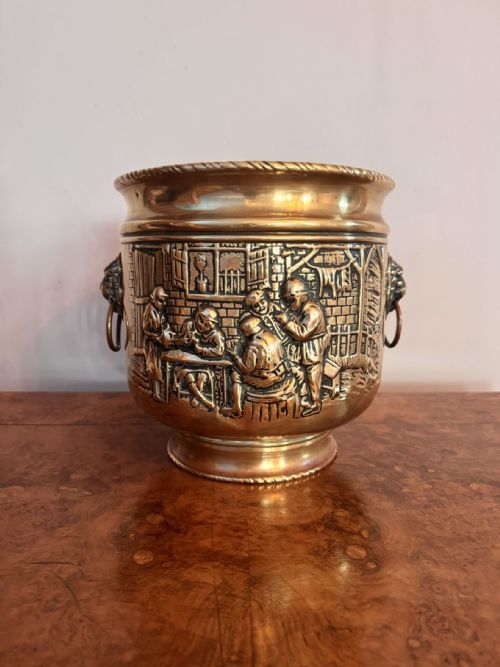
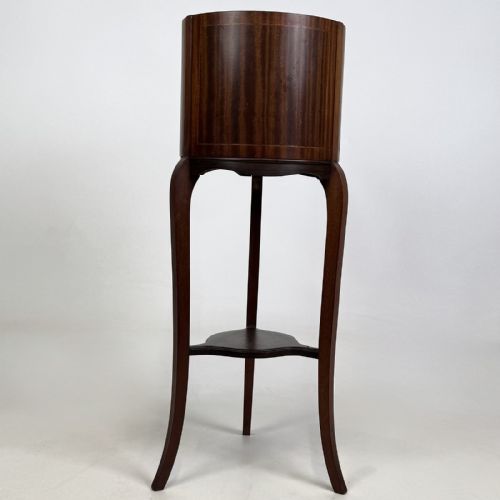
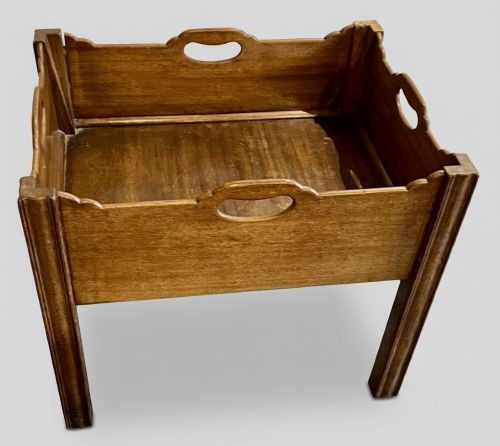
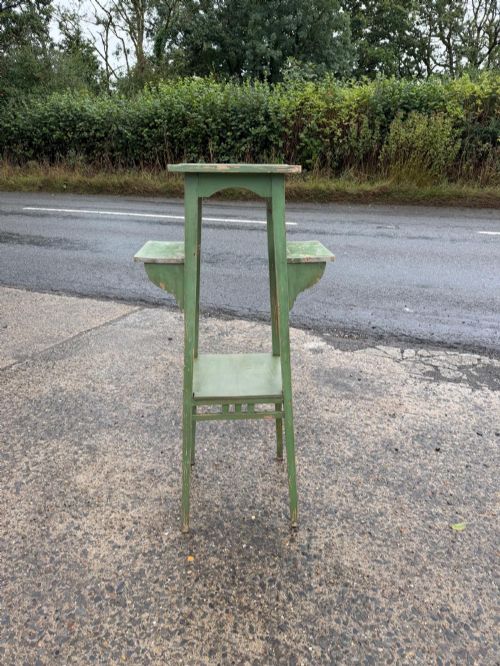
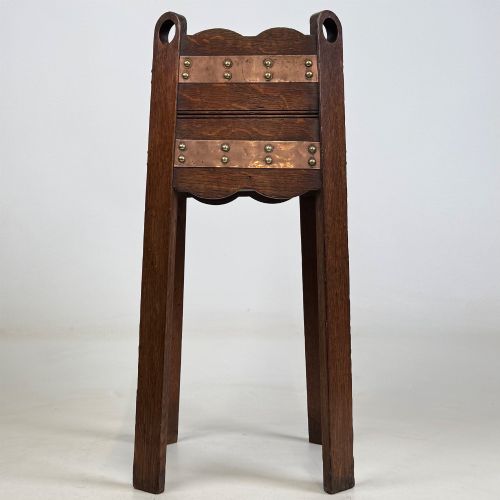
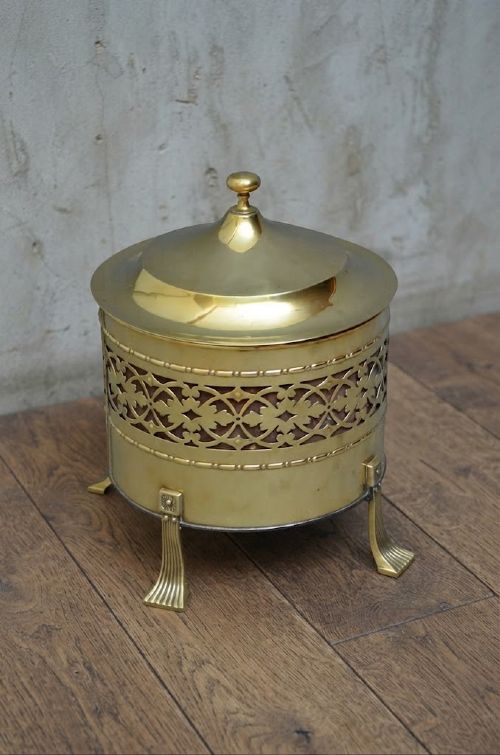
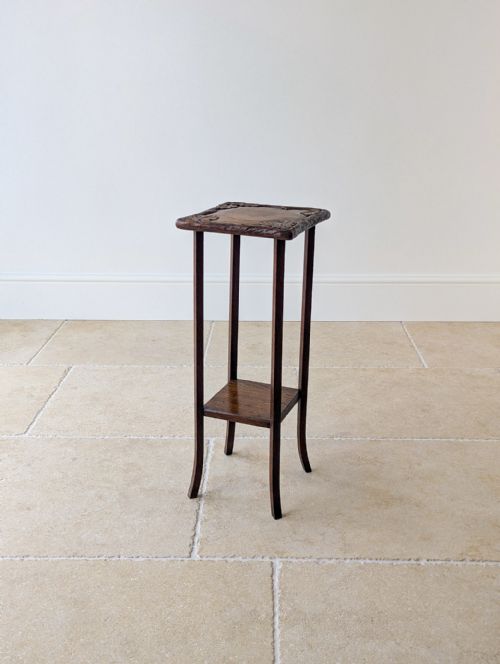
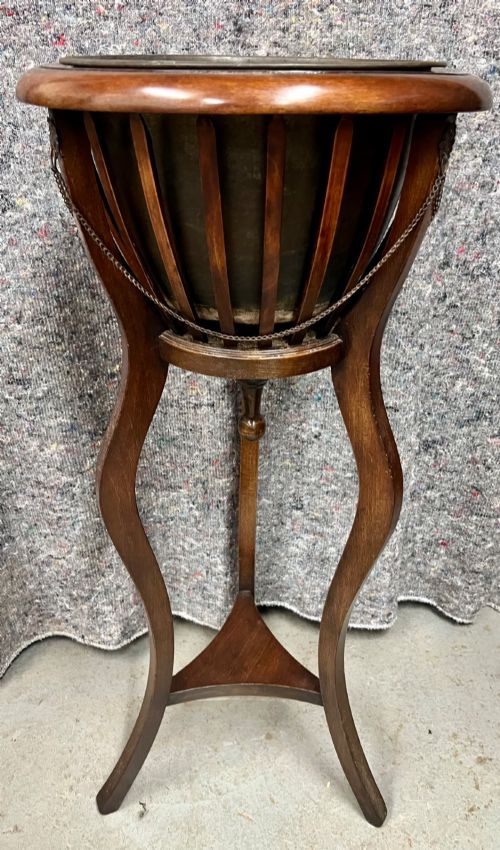
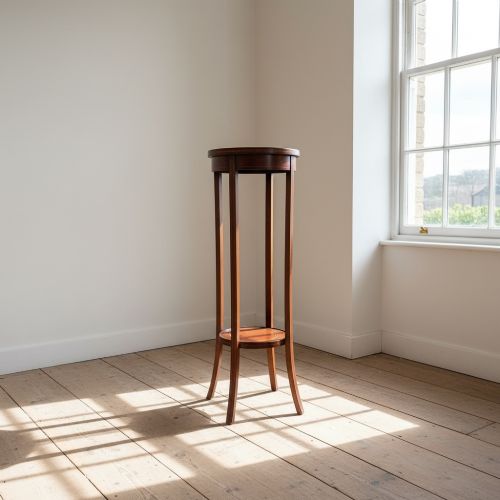
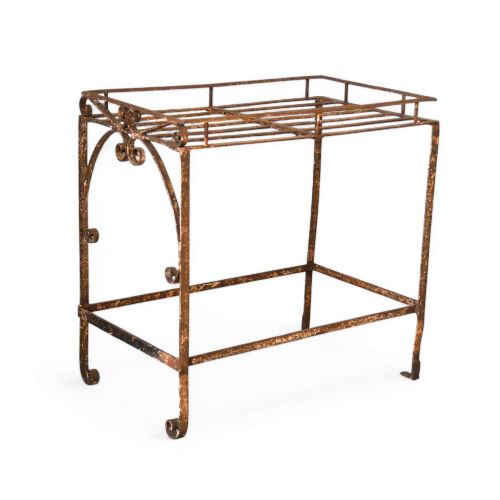
When searching for an edwardian planter, buyers encounter jardiniere stands, plant stands, and coal buckets adapted for greenery. Mahogany, oak, brass, and copper dominate the forms.
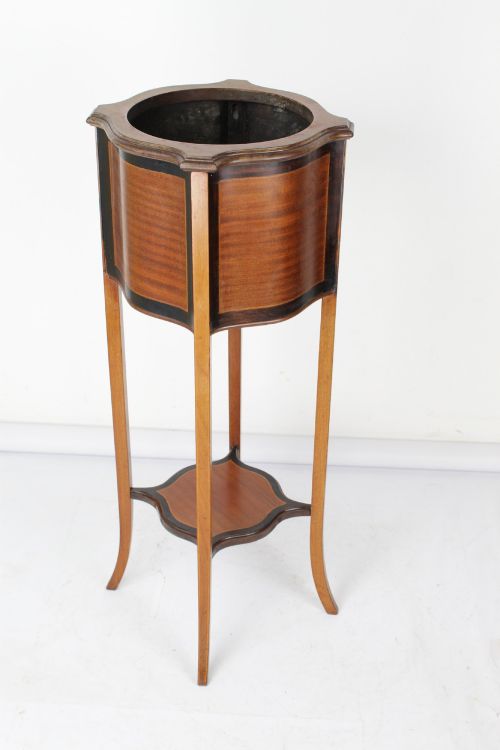
Wooden plant stands often feature cabriole legs or inlaid marquetry, whilst metal jardiniere vessels utilise fretwork and hand-riveted construction.
Pieces span the Edwardian era alongside late Victorian and early twentieth-century periods, capturing the era's enthusiasm for interior horticulture.
Materials and construction
Woodworkers utilised mahogany, satinwood, and oak, applying decorative inlay and coopered stave construction to achieve robust vessels.
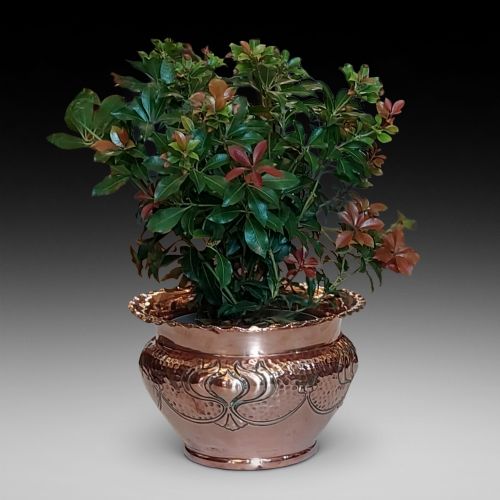
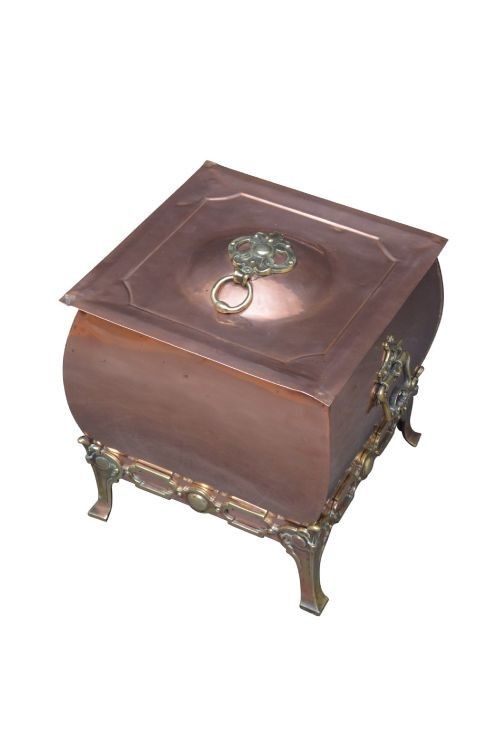
Metalworkers shaped sheet brass and copper into jardiniere bodies, adding hand-riveted seams and intricate fretwork designs.
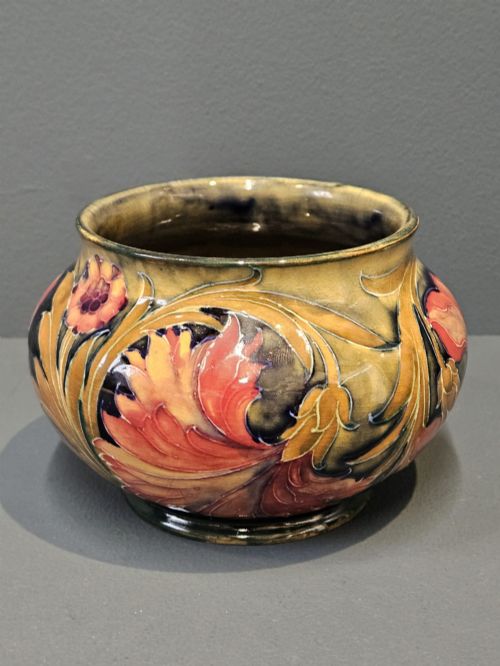
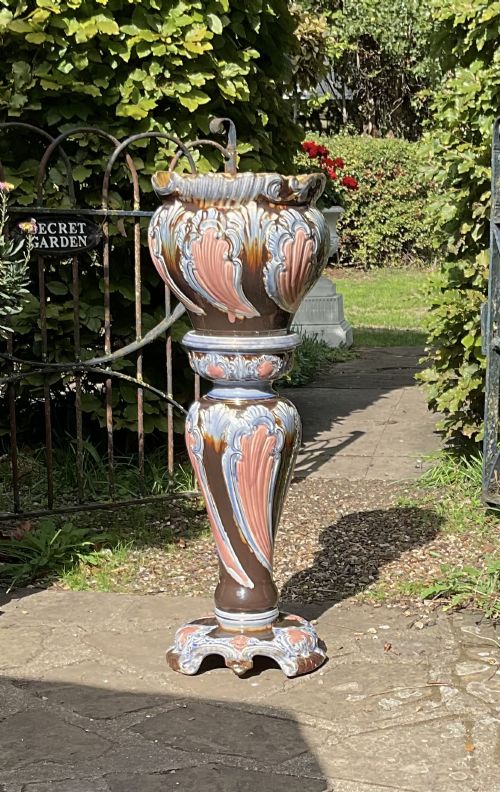
Ceramic makers contributed glazed stoneware and majolica pedestal sets, while ironfounders cast heavy garden urns and decorative stands.
Edwardian Planter Retail Price Guide 2026
Typical asking prices for edwardian planter among the pieces listed under this phrase on Sellingantiques today, from the lower quarter to the upper quarter. They describe what is for sale here now, not the wider market.
Cast iron planters shaped specifically in the form of shrimp bring marine life straight to the Edwardian garden.
Assessing quality
Material thickness and retention of original metal liners separate robust utilitarian vessels from lighter decorative items.
The precision of marquetry inlay on mahogany stands and the crispness of hand-hammered details on copper pieces indicate workshop proficiency.
Royal Doulton·W A Adderley·Krister KPM Waldenburg
The Edwardian Planter Glossary
- Coopered
- Made with wooden staves joined together side by side and bound with metal hoops. This technique is common in barrels and buckets.
- Cabriole leg
- A furniture leg that curves out and then in, resembling the leg of an animal. It appears frequently on Edwardian plant stands.
- Fretwork
- Ornamental design created by cutting patterns through metal or wood. This technique allows light and shadow to play across brass and copper planters.
- Campana urn
- A bell-shaped garden vessel raised on a pedestal base. These classical forms appear in cast iron and stone.
Edwardian Planter: Frequently Asked Questions
What is an edwardian planter?
An edwardian planter is a decorative vessel or stand designed to hold indoor plants during the early twentieth century.
These items range from mahogany plant stands with inlaid tops to solid copper jardiniere bowls meant for tabletops.
How were metal planters used?
Metal planters typically held potted plants inside protective metal liners to prevent water damage to the surrounding floors.
Copper and brass buckets were also utilised to hold coal or logs near the fireplace.
How do I care for wood stands?
Wooden plant stands require protection from excessive moisture and direct sunlight to preserve the polished mahogany or satinwood surfaces.
Applying a traditional wax polish maintains the timber finish without building up heavy chemical residues.
Are these items waterproof?
Many copper and brass vessels require their original metal liners to hold water and soil safely without leaking.
Unlined wooden coopered buckets are best used to hold potted plants rather than planting directly into the wood.