

Edwardian Place Card Stand
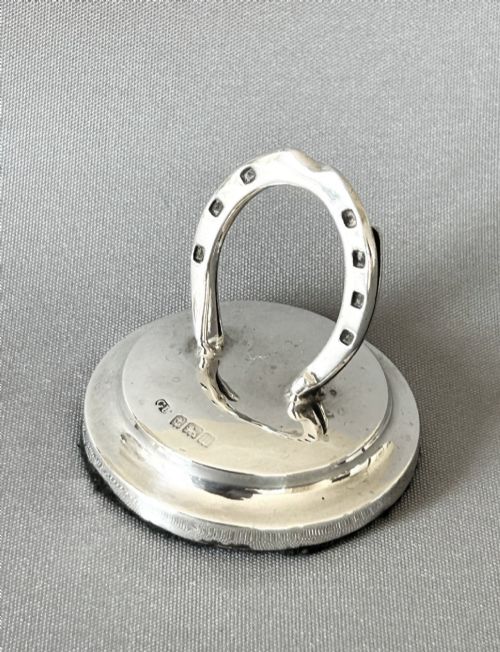
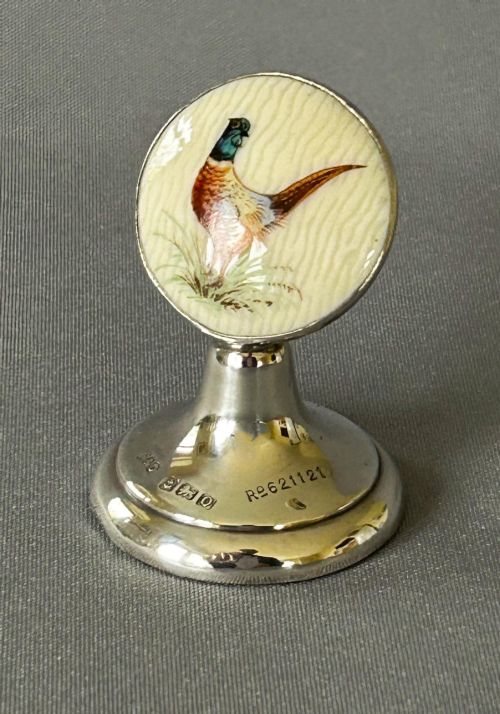
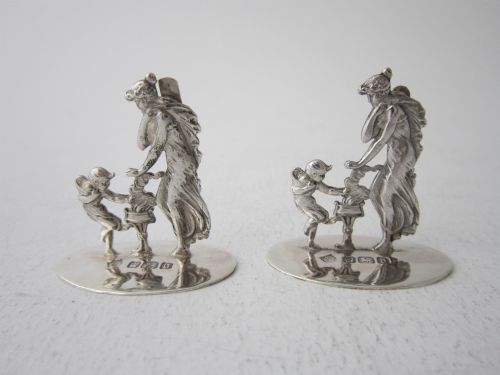
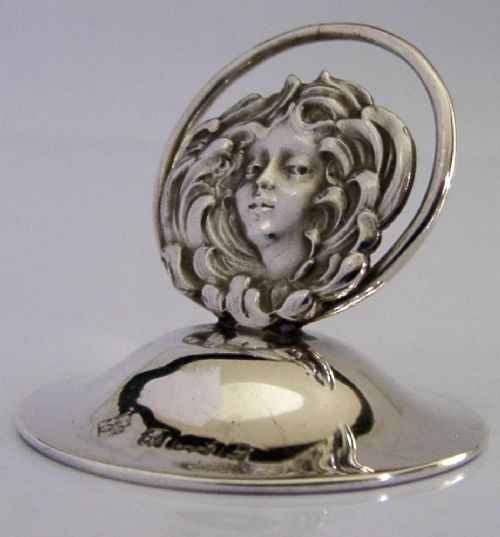
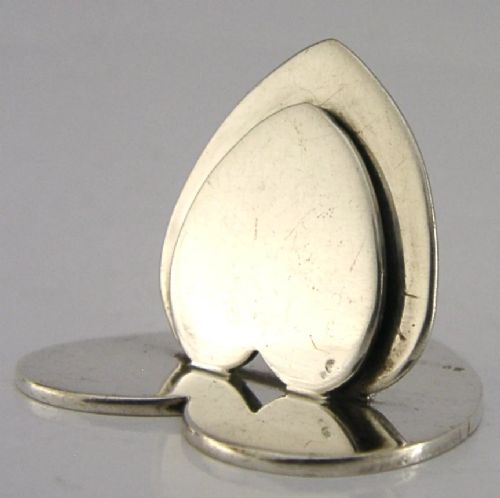
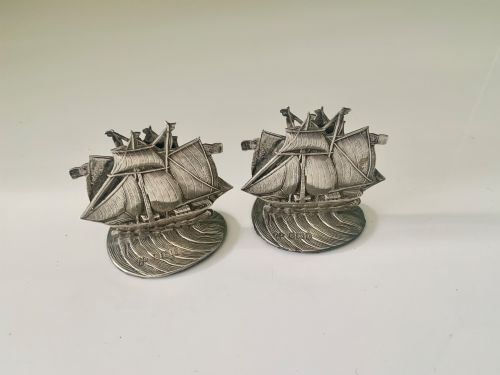
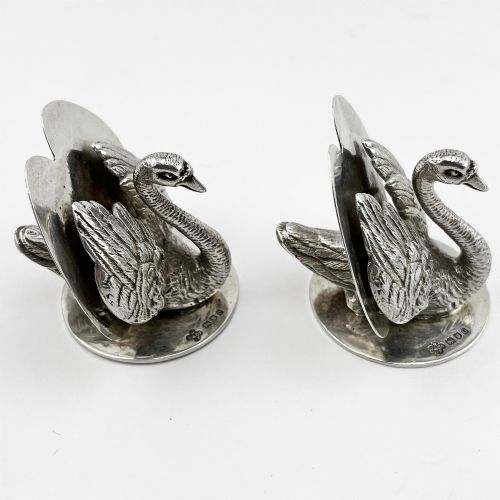
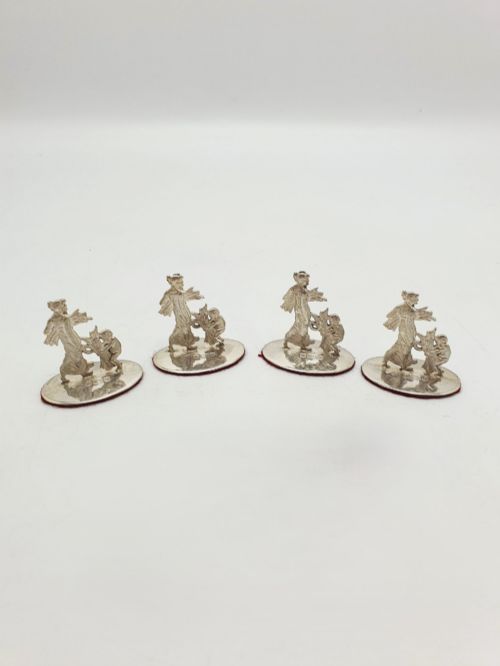
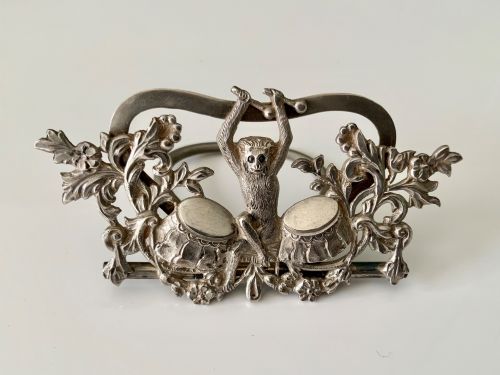
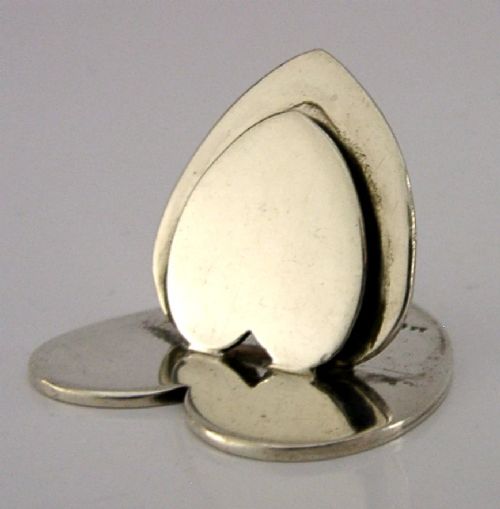
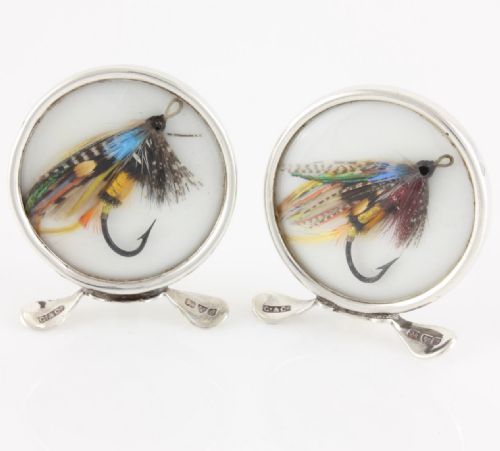
These small table accessories are an edwardian place card stand, designed to grace grand dining tables with miniature silver sculpture.
Edwardian Place Card Stand
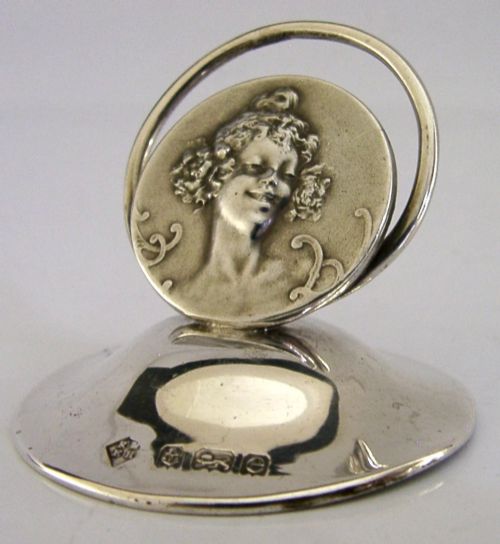
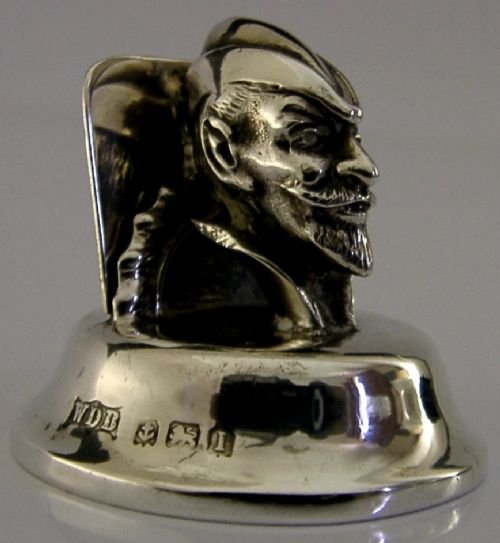
An edwardian place card stand brings miniature sculptural charm to formal dining tables, often doubling as menu card holders for dinner parties. The most frequent pieces on this page take the form of small silver figures, animals, and decorative motifs mounted on weighted bases.
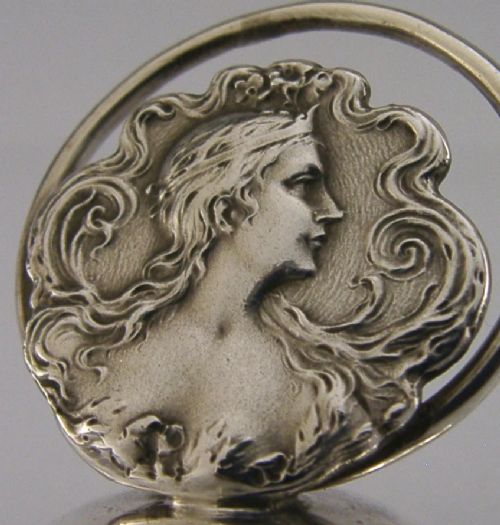
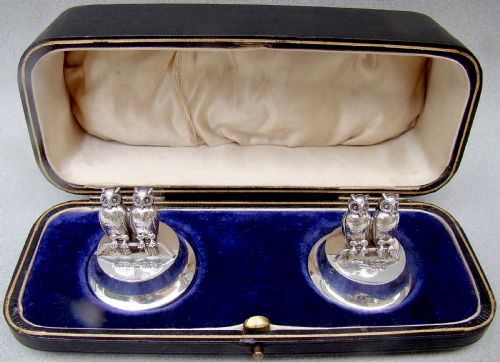
The selection ranges from Edwardian productions to later George V pieces, encompassing diverse aesthetic movements like Art Nouveau and Arts and Crafts. Collectors encounter subjects varying from owls and grouse to literary figures such as Robin Hood and Alice in Wonderland.
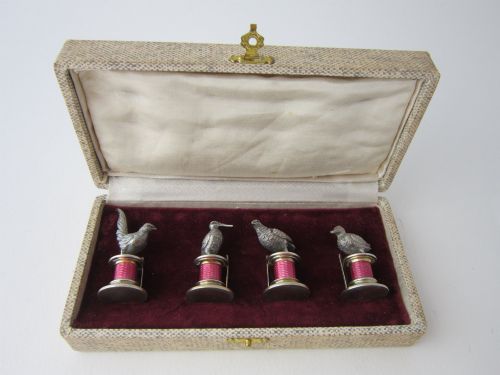
These accessories frequently survive in pairs or matched sets, housed in fitted presentation boxes for dining room storage. They reflect the formal entertaining habits of the early twentieth century, serving both a practical function and a decorative purpose on the dining table.
How They Were Made
Silversmiths utilised sterling silver cast into detailed figural shapes, soldering the miniature sculptures onto sturdy bases fitted with clips or slots for paper cards. Many examples incorporate vitreous enamel to add colour to flags, crests, or decorative details on the silver surface.
Makers integrated supporting elements such as velvet, silk, and leather inside presentation cases to protect the polished metal from tarnishing or scratching during storage. Heavier weighted bases ensured the small stands remained upright when supporting heavy card menus or place names.
Edwardian Place Card Stand Retail Price Guide 2026
Typical asking prices for edwardian place card stand among the pieces listed under this phrase on Sellingantiques today, from the lower quarter to the upper quarter. They describe what is for sale here now, not the wider market.
Scottish Revival and Celtic Revival designs appear alongside traditional floral motifs within the broader selection of menu holders.
What Varies in Quality
The level of sculptural detail in the casting separates standard production pieces from exceptional works by notable makers. Crisp definition in feathers, fur, and facial expressions indicates superior craftsmanship by skilled silversmiths.
Completeness also dictates desirability, as surviving sets in original fitted boxes retain greater historical context than individual pieces found in isolation. The presence of undamaged coloured enamel or crisp hallmarks adds further distinction to better examples.
Sampson Mordan·Levi and Salaman·A Wilcox·Grey and Co·Liberty
The Edwardian Place Card Stand Glossary
- Sterling Silver
- A silver alloy containing 92.5 percent pure silver by mass, forming the primary metal used for these table accessories. It provides the necessary durability and lustre for detailed figural casting.
- Enamel
- Glass powder fused to metal through high-temperature firing, used to introduce coloured decoration onto silver surfaces. It appears on flags and decorative panels within specific designs.
- Hallmark
- A series of official stamps applied to precious metals indicating the maker, assay office, and year of testing. These marks allow collectors to date pieces accurately.
- Menu Holder
- A weighted table accessory designed to display a paper dinner menu or place card upright. They share identical construction methods with dedicated place card stands.
- Assay Office
- An organisation charged with testing the purity of precious metals and stamping items with official hallmarks. Towns such as Birmingham and Chester operated prominent offices during the period.
Edwardian Place Card Stand: Frequently Asked Questions
How were these stands used originally?
Hosts placed them beside each setting to indicate seating arrangements and display the evening menu to guests. The integrated clips or slots held stiff paper cards securely in place amid bustling dining rooms.
Sets of matching or themed stands coordinated with the overarching decor of formal dinner parties. They remained on the table throughout the multi-course meal.
How do I care for silver stands?
Silver stands require gentle cleaning with a soft cloth and proprietary silver polish to remove tarnish without abrading fine details. Enamelled pieces need extra care to avoid harsh chemicals touching the glass surfaces.
Store them in dry conditions, ideally within lined boxes or cabinets, to minimise exposure to air and moisture. Regular handling helps maintain a natural lustre on the prominent high points of the metal.
How can I tell the period?
Hallmarks stamped onto the metal provide the most reliable method for dating, revealing the assay office and year letter. Stylistic clues such as flowing Art Nouveau lines or geometric Art Deco forms also point to specific decades.
Packaging offers further evidence, as original fitted boxes often bear retailer details inside the lid. Comparing the design motifs against known production eras helps confirm the timeline.