

Edwardian Photograph Frame
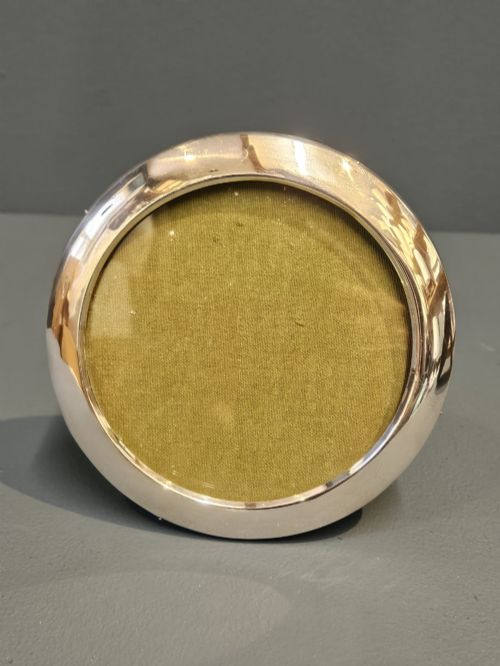
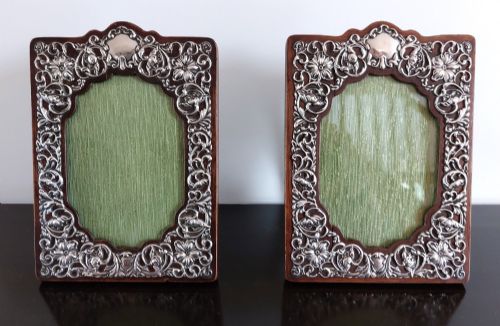
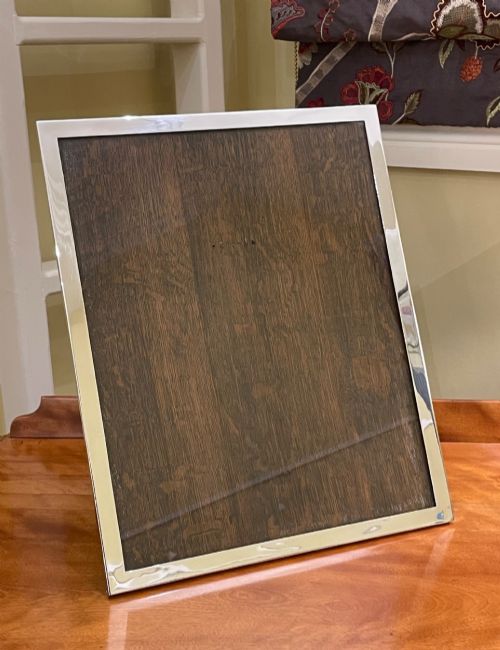
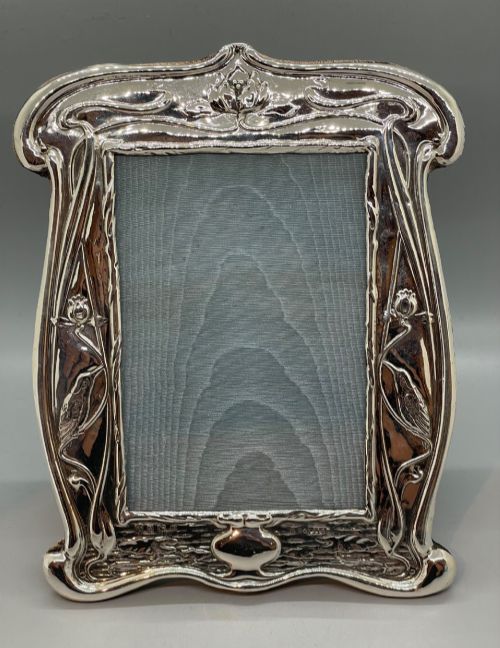
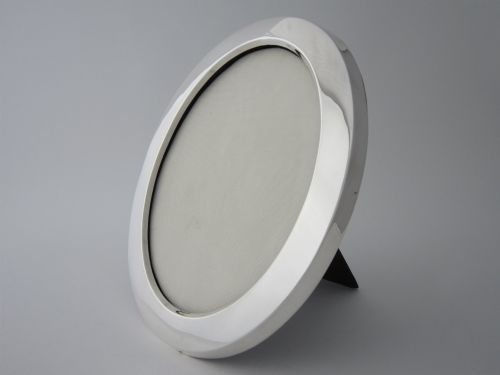
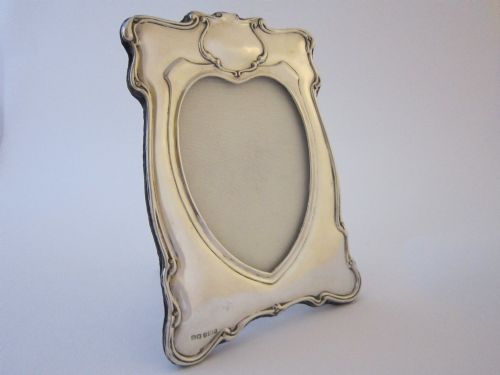
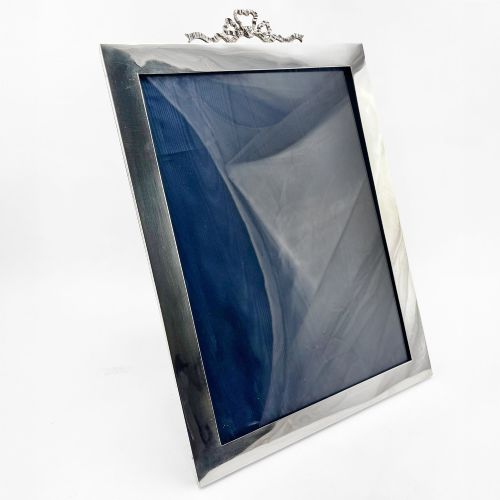
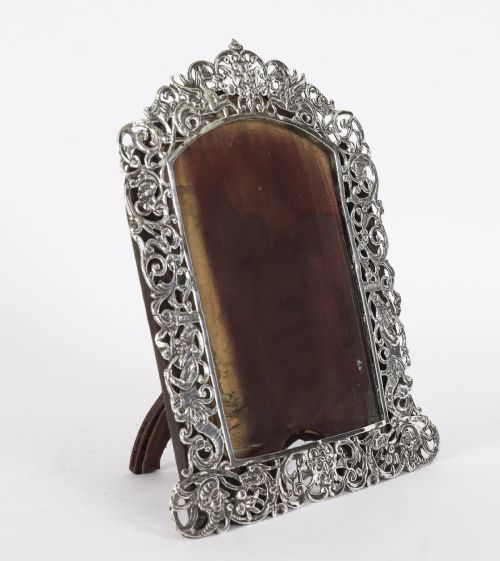
These pieces are Edwardian photograph frames, designed to display family portraits and snapshots on desks and mantelpieces with decorative metalwork.
Edwardian Photograph Frame
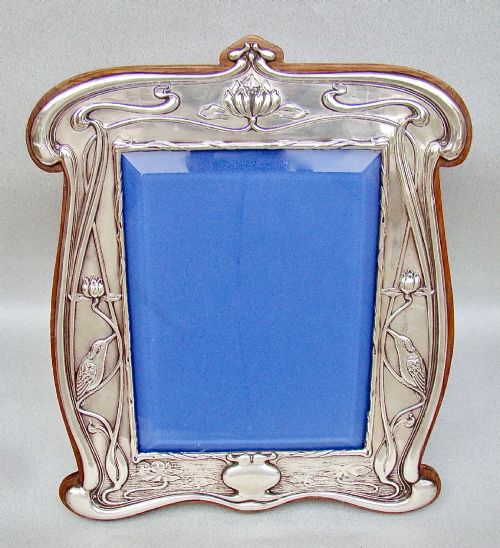
When someone searches for an Edwardian photograph frame, they encounter desktop display pieces intended to hold cabinet cards and early photographic prints. The versions met most frequently on this page combine sterling silver mounts with wooden easel backs and protective glass panels.
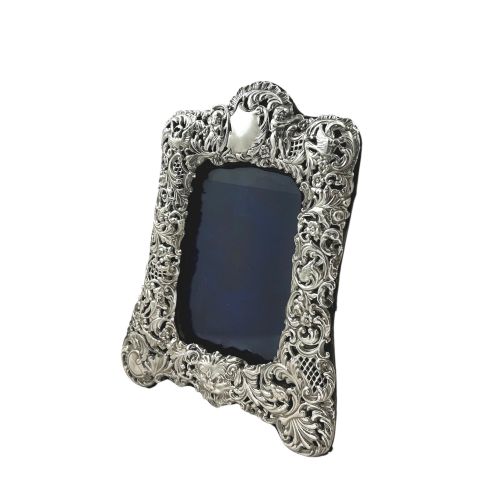
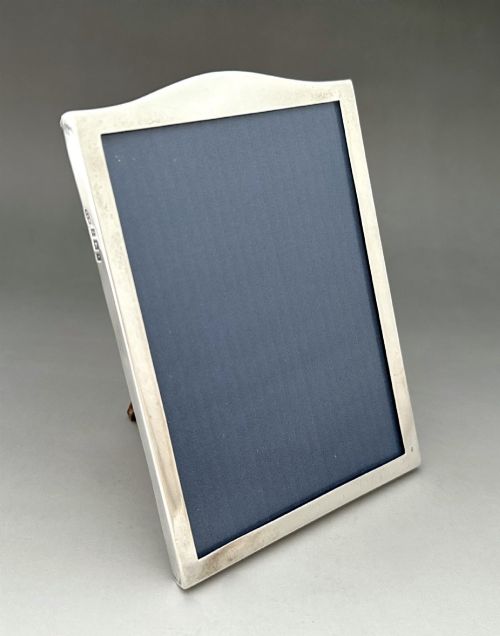
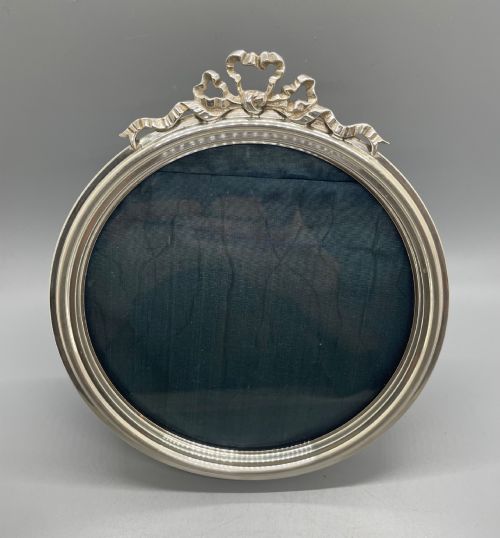
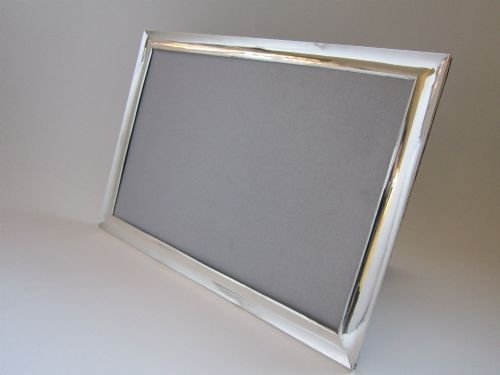
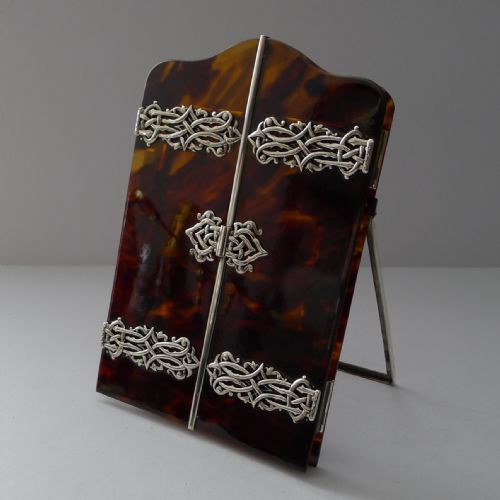
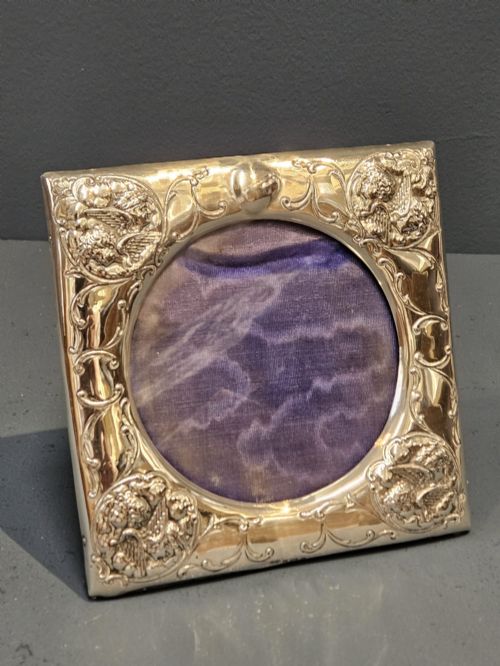
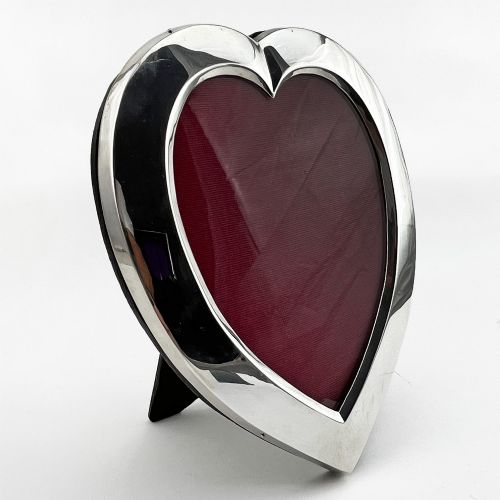
Makers of the period produced both upright and landscape formats, alongside heart shapes and hinged pairs designed to stand on occasional tables. The work encompasses plain polished surfaces as well as elaborate embossed ornamentation reflecting prevailing tastes.
While the dominant period is Edwardian, the listings extend across surrounding decades into the late Victorian and George V eras. These variations share a common purpose in domestic display, differing primarily in the weight of the metal and the complexity of the border decoration.
Distinctions in Quality and Execution
Quality separates simple stamped metal shells from substantial cast or heavy gauge sterling mounts possessing crisp, deep relief decoration. The clarity of the assay marks and the integrity of the original wooden backing boards influence the standing of an individual piece.
The survival of original glass, secure hinges, and intact velvet linings elevates a frame above examples that have lost their internal fittings or sustained structural distortion over time.
Edwardian Photograph Frame Retail Price Guide 2026
Typical asking prices for edwardian photograph frame among the pieces listed under this phrase on Sellingantiques today, from the lower quarter to the upper quarter. They describe what is for sale here now, not the wider market.
Angels peer from silver clouds on several frames, watching over family gatherings frozen in Edwardian sepia.
Rosenthal Jacob And Co·William Comyns·Mappin Bros·Henry Matthews
The Edwardian Photograph Frame Glossary
- Sterling Silver
- An alloy containing 92.5 percent silver by mass, standard for British decorative metalwork of this era. It provides the bright reflective surface seen on the majority of these frames.
- Hallmark
- A series of official marks stamped onto precious metal items denoting the maker, metal purity, assay office, and year of testing. These stamps allow accurate dating of the silver mount.
- Easel Back
- The hinged wooden or cardboard support attached to the rear of the frame that allows it to stand upright on a flat surface. Many are covered in velvet or fabric.
- Cabinet Card
- A style of photograph introduced in the late nineteenth century, consisting of a thin paper photograph mounted on a card mount. These frames were specifically sized to accommodate such portraits.
- Embossed
- A technique where metal is raised from the reverse side using hammers and punches to create relief patterns of flowers, ribbons, or angels on the frame border.
Edwardian Photograph Frame: Frequently Asked Questions
How do I date an Edwardian photograph frame?
Examine the silver hallmarks stamped on the border, which include a date letter corresponding to the assay office records for Birmingham, Sheffield, Chester, or London.
Stylistic clues such as Art Nouveau curves or embossed floral motifs also help confirm the period of manufacture.
Are these frames suitable for modern photographs?
These frames accommodate standard paper prints provided the thickness matches the rebate behind the glass panel.
Care should be taken when opening old backing clips to avoid straining the delicate silver mounts.
What metals were used besides sterling silver?
Some period pieces utilise silver plating over a base metal core, while others incorporate tortoiseshell mounted within silver borders.
Wooden frames from the era rely on oak or polished hardwoods without metal mounts.
How should I clean a silver photo frame?
Use a soft cloth and a gentle silver polish specifically formulated for antique items to remove tarnish without wearing away thin relief work.
Avoid getting polish trapped in the crevices of embossed designs or upon the fabric backing boards.