

Edwardian Period Furniture
Edwardian period furniture brings lighter timbers, graceful inlay and refined proportions to domestic spaces, offering both practical utility and decorative elegance.
Edwardian Period Furniture
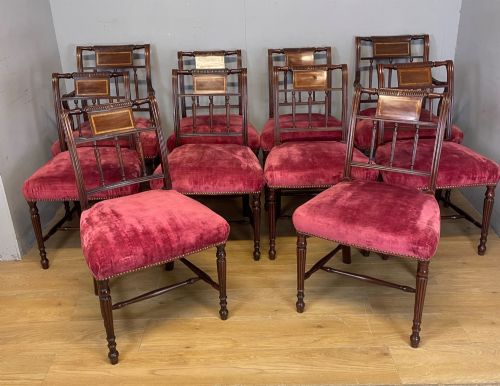
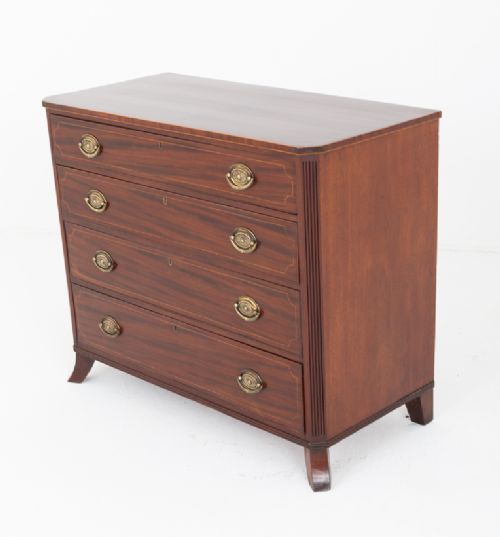
When searching for edwardian period furniture, buyers encounter items produced during the early twentieth century alongside revival pieces drawing on earlier historical styles. The selection spans utilitarian bedroom furniture such as chests of drawers and beds to specialised items like canterburies and dressing tables.
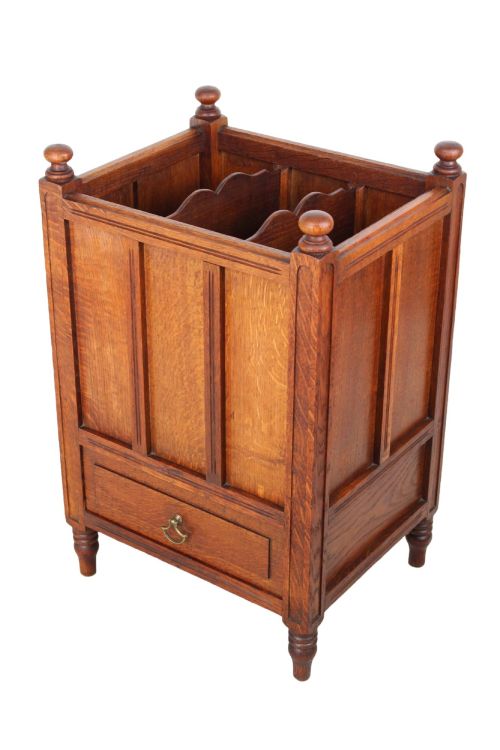
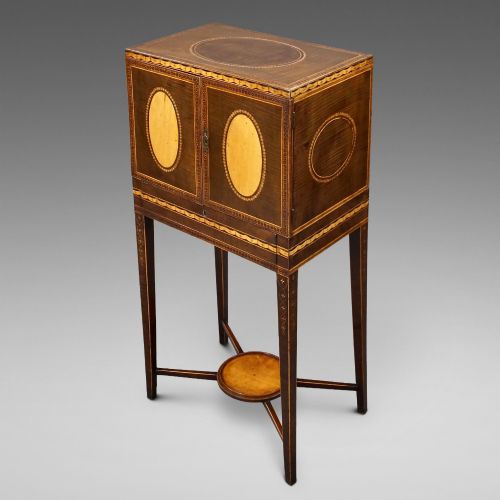
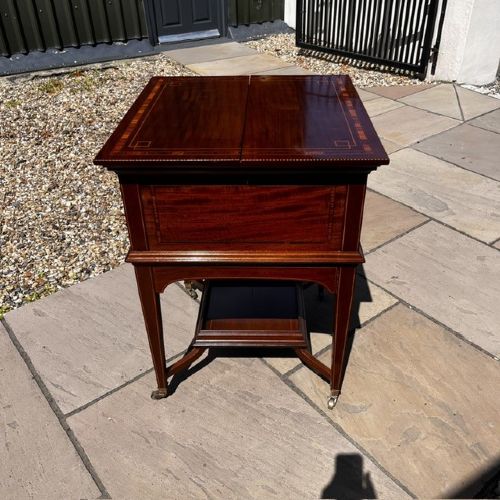
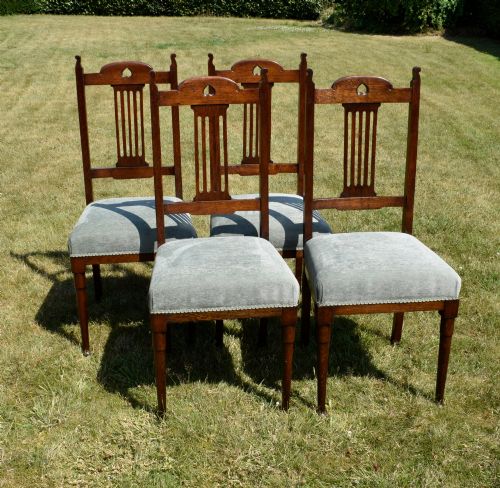
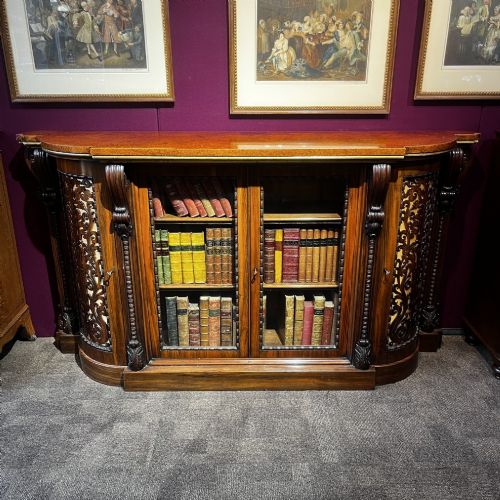
Mahogany and satinwood predominate in these listings, frequently enhanced by decorative stringing and inlay. Oak forms the basis for sturdier bedroom pieces and writing desks, while various other timbers appear in specific items.
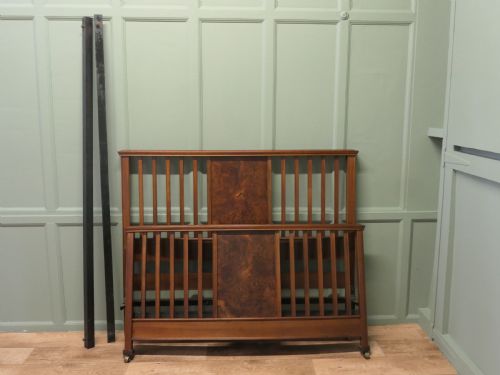
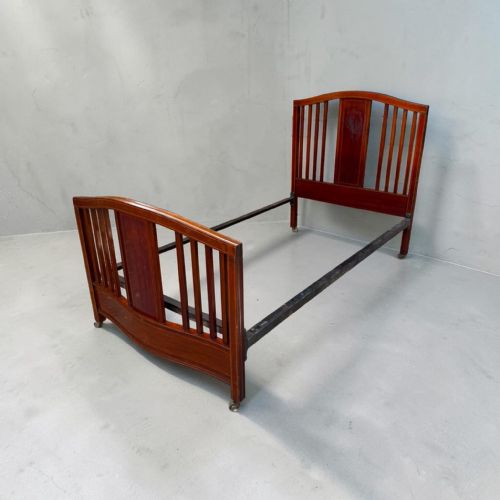
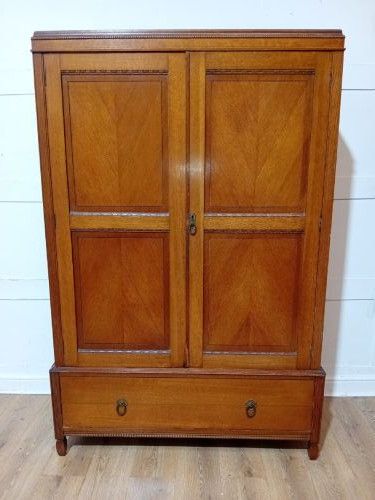
The aesthetic leans towards functional elegance, intersecting with Arts and Crafts and Sheraton revival idioms. Buyers meet everything from large compactum wardrobes to smaller side tables and towel rails.
Materials and Construction
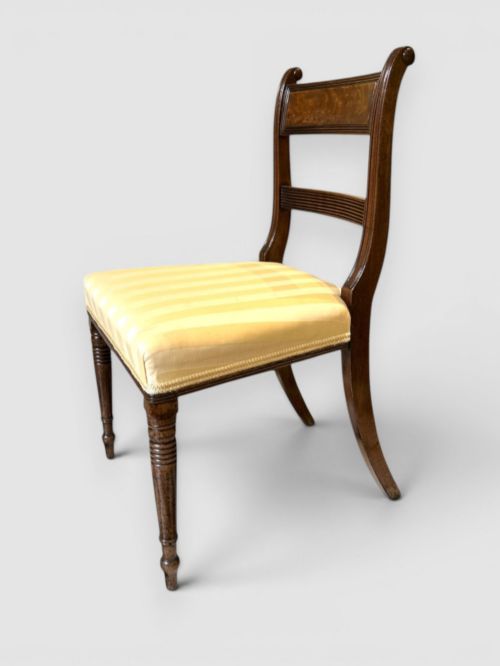
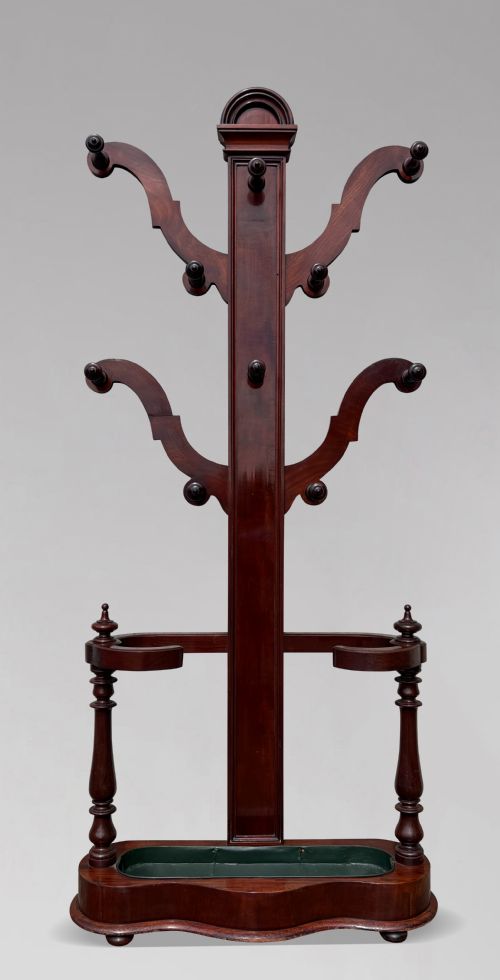
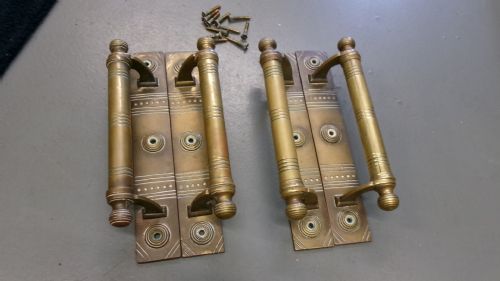
Makers utilised solid hardwoods like mahogany and oak for structural integrity, often applying contrasting veneers of satinwood or harewood to principal surfaces. Brass hardware, including handles and finger plates, provides functional contrast to the dark and light timbers.
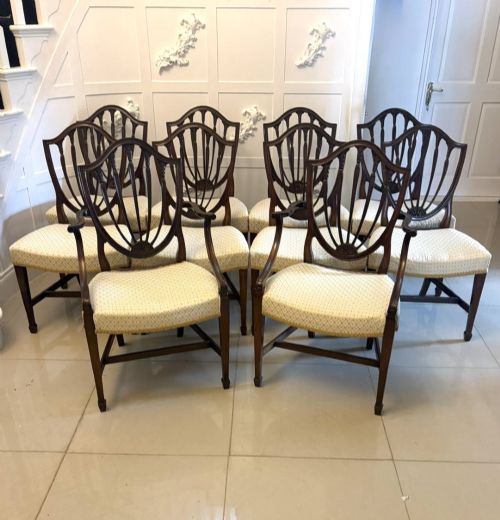
Inlay and marquetry dominate the decorative vocabulary, requiring precise hand-cutting of diverse woods to create geometric borders or floral motifs. Frames rely on traditional joinery methods, supplemented by turned elements and carved detailing on chairs and bedroom furniture.
Listings feature mahogany, oak, satinwood and brass across multiple decades including the Victorian and Edwardian eras.
Distinctions in Quality
The standard of edwardian period furniture rests upon the selection of timber and the precision of its grain matching. Superior pieces exhibit carefully chosen burr veneers and crisp inlay work rather than printed or painted substitutes.
Construction methods determine long-term durability, distinguishing standard workshop output from finer cabinet-making. Subtle details in carving, balanced proportions and original brass fittings elevate the standing of individual items.
Maple and Co·Harris Lebus·Fischel
The Edwardian Period Furniture Glossary
- Canterbury
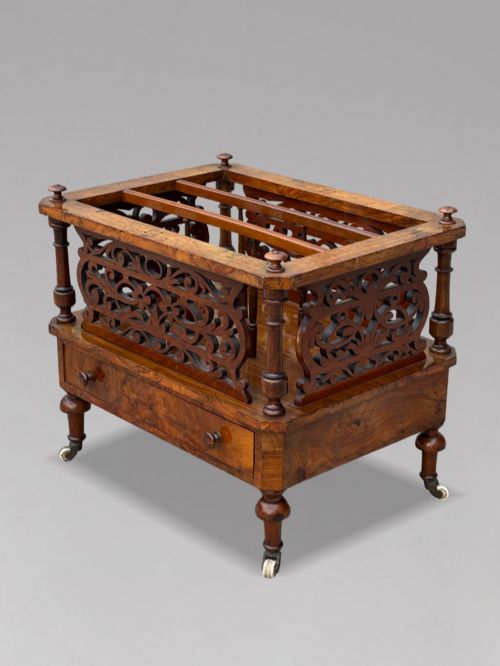
- A low, freestanding stand with partitions, originally designed to hold sheet music or folios. This form often incorporates a single drawer beneath the main tier.
- Compactum
- A large, multi-functional wardrobe combining hanging space, drawers and shelving within one carcass. It provides comprehensive storage for bedroom use.
- Satinwood
- A lustrous, yellow-toned timber imported from tropical regions, valued for light-reflecting qualities. It serves principally as a veneer for borders and panels.
- Inlay
- A decorative technique where contrasting pieces of wood, metal or shell are inserted into recesses cut into a solid timber surface. This creates flat, patterned ornamentation.
- Sheraton Revival
- A design movement drawing inspiration from the late eighteenth-century neoclassical furniture of Thomas Sheraton. It reinterprets delicate tapering legs and symmetrical stringing.
Edwardian Period Furniture: Frequently Asked Questions
What defines edwardian period furniture?
Edwardian period furniture spans the years around the turn of the twentieth century, marked by a departure from heavy Victorian proportions towards lighter forms. Pieces frequently incorporate mahogany or satinwood with delicate inlay, alongside oak interpretations influenced by the Arts and Crafts movement.
Makers drew heavily on earlier eighteenth-century revivals, resulting in refined writing desks, dressing tables and seating that prioritized domestic brightness.
How do I distinguish Edwardian pieces from Victorian ones?
Victorian furniture generally employs darker timbers, heavier carving and robust proportions designed to project solemnity and substance. In contrast, Edwardian pieces favour brighter surfaces, slender tapered legs and restrained stringing.
The overall aesthetic shifts from dense ornamentation towards airier, more streamlined silhouettes that anticipate twentieth-century design.
Where were these pieces used in the home?
Edwardian furniture served specific domestic functions across bedrooms, sitting rooms and libraries. Items such as canterburies held sheet music near pianos, whilst compactum wardrobes and dressing tables organised bedroom garments.
Smaller side tables and towel rails accommodated the daily routines of Edwardian households, fitting comfortably into parlours and dressing rooms.
Are these items suitable for modern interiors?
The restrained scale and elegant timbers of Edwardian pieces allow them to integrate smoothly into contemporary living spaces. Chests of drawers, side tables and chairs offer practical storage and seating without dominating a modern room.
Their blend of utility and refined craftsmanship ensures they function effectively alongside minimalist or eclectic modern design schemes.