




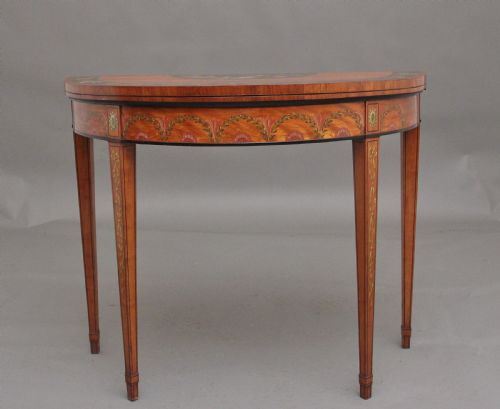
Edwardian Painted Console Table
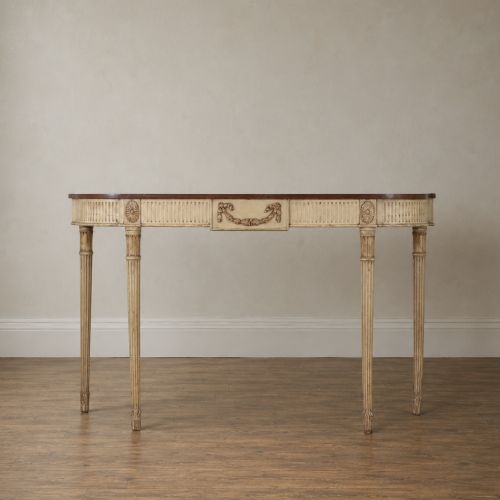
These edwardian painted console table examples combine neoclassical revival elegance with hand-painted surfaces, bringing light and refined proportions to an interior.
Edwardian Painted Console Table
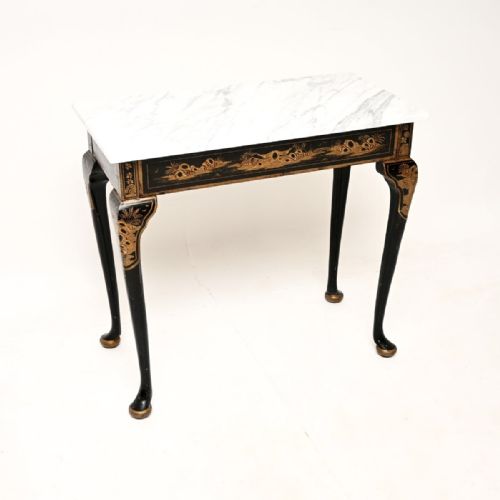
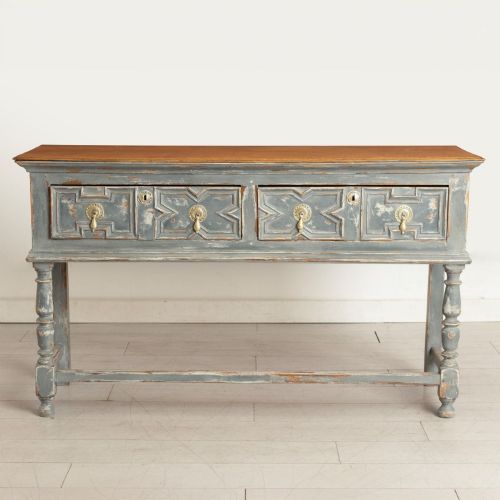
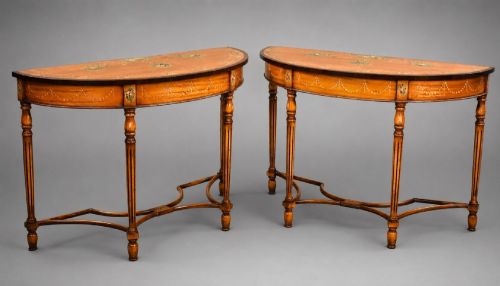
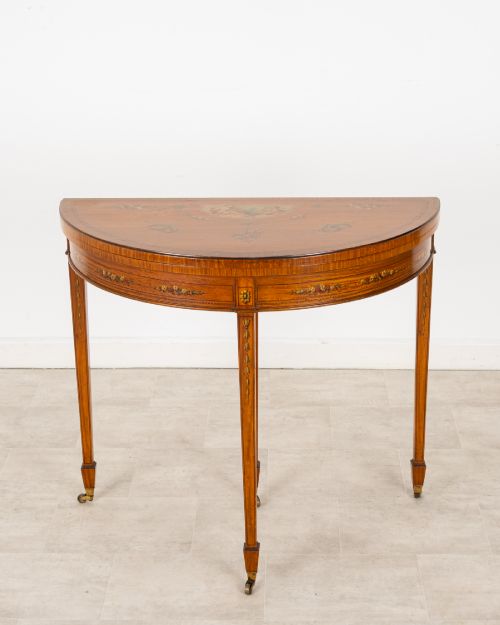
An edwardian painted console table typically manifests as a demi-lune or side piece, often influenced by the Sheraton revival aesthetic popular around the turn of the twentieth century. The search phrase also encompasses related forms like side tables, card tables, and washstands that share similar painted decoration and proportions.
Most pieces seen here reflect the Edwardian era alongside late Victorian and early twentieth-century periods, with construction spanning satinwood, mahogany, and pine. Makers frequently utilised classical motifs such as floral garlands, ribands, and urns upon painted or lacquered surfaces.
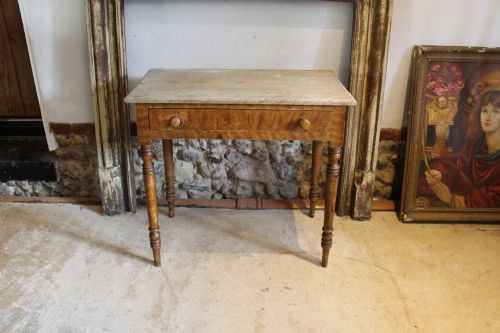
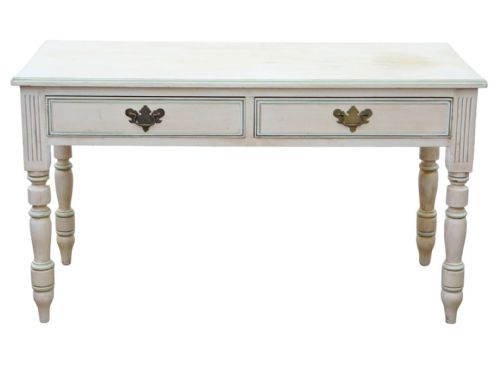
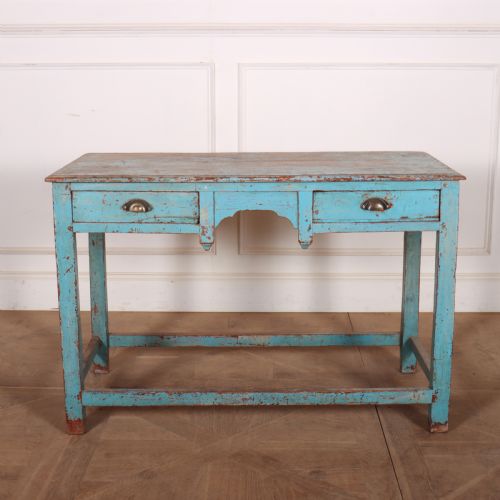
Buyers encounter forms designed for drawing rooms and hallways, ranging from formal satinwood pier tables to more utilitarian painted pine washstands and kitchen tables. The selection balances delicate decorative furniture with practical occasional tables from the same broad period.
Assessing quality
Quality in these pieces rests primarily on the finesse and execution of the hand-painted decoration rather than simple age alone. Superior examples display crisp brushwork, balanced neoclassical motifs, and well-figured satinwood timbers underneath.
Structural integrity also separates standard utility tables from finer reception room furniture. Pieces retaining original paintwork and unblemished marble tops command stronger interest than those with heavy later overpainting.
A solitary orangery planting table stands ready for greenery among the formal satinwood.
The Edwardian Painted Console Table Glossary
- Demi-lune
- A half-moon shape common in console and card tables designed to sit flush against a wall. This form became particularly popular during the Sheraton revival period.
- Sheraton Revival
- A late nineteenth and early twentieth-century design movement inspired by the neoclassical furniture of George Sheraton. It is characterised by slender tapered legs, satinwood veneers, and delicate painted swags.
- Pier table
- A decorative table designed to stand against a pier or wall space between windows. They frequently feature painted or gilded frames and sometimes incorporate marble tops.
- Scumble
- A decorative painting technique involving layers of translucent colour dragged over a base coat to simulate wood grain or texture. It appears on various nineteenth-century country furniture.
- Gesso
- A plaster-based mixture applied to wood surfaces as a smooth base for painting or gilding. It allows for crisp relief details on classical revival frames.
Edwardian Painted Console Table: Frequently Asked Questions
Where should I place a console table?
These tables suit hallways, entrance passages, and living rooms where a shallow footprint is beneficial. Their decorative tops display lamps, mirrors, or small objects effectively.
Because many examples feature finished backs or sit neatly against flat walls, they work well behind sofas or in transitional spaces between rooms.
How do I care for painted wood?
Maintain painted and satinwood surfaces by dusting gently with a soft, dry cloth. Avoid chemical cleaning products that might soften delicate nineteenth-century finishes.
Keep the table away from direct sunlight and strong heat sources to prevent timber movement and fading on the hand-painted decoration.
Are these tables sturdy enough for daily use?
Most occasional and console tables were built for light display rather than heavy weight-bearing tasks. While card tables and writing desks offer more utility, delicate satinwood pieces require gentle handling.
sturdy pine washstands and kitchen tables tolerate heavier everyday use compared to formal reception room furniture.
How do I distinguish Edwardian from Victorian painted tables?
Edwardian painted furniture generally displays lighter satinwood grounds and more restrained neoclassical or Sheraton revival motifs. Victorian examples often lean towards heavier proportions, darker mahogany, or bolder lacquered chinoiserie.
Construction details and secondary woods inside drawers also help indicate the manufacturing decade.