
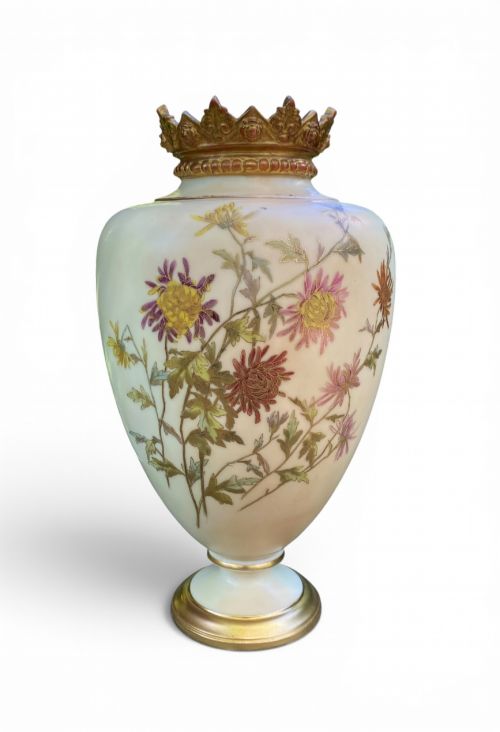
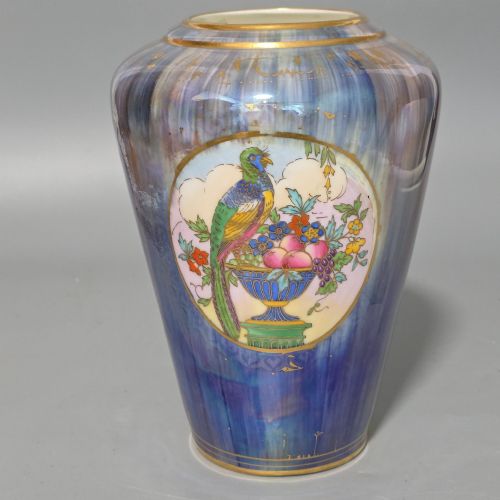


Edwardian Painted Ceramic Vessel
These edwardian painted ceramic vessels bring together intricate hand-painted decoration and delicate porcelain forms from the turn of the twentieth century.
Edwardian Painted Ceramic Vessel
When searching for an edwardian painted ceramic vessel, collectors encounter a diverse array of forms originating predominantly from the late nineteenth century through to the early decades of the twentieth century. These objects span from domestic decorative bowls and sugar basins to monumental vases and lidded pots.
The selection on this page leans heavily towards factory-produced porcelain and earthenware from prominent British manufacturers, alongside notable international examples featuring hand-painted motifs. Vases and decorative urns dominate the forms, frequently embellished with floral studies, birds, or scenic landscapes.
While the overarching aesthetic reflects Edwardian and Victorian tastes, many pieces draw upon Art Nouveau fluidity or traditional Imari and Japanese design influences. Buyers find both cabinet-sized cabinet pieces and larger display vessels representing this prolific period of ceramic art.
Materials and manufacture
Makers utilised fine porcelain, bone china, and earthenware as the foundational bodies for these vessels, shaping them via throwing or moulding before applying an initial glaze. Once fired, these ceramic surfaces served as canvases for skilled artists who worked with enamel colours and metallic highlights.
Many items incorporate elaborate surface treatments such as raised gilding, gold leaf application, and pierced or moulded handles. Hand-painted details were frequently fixed with subsequent low-temperature kiln firings to fuse the enamel pigments securely to the glaze.
Several vessels feature hand-painted cock pheasants and sheep, proving that Edwardian ceramists viewed farmyard animals as high art.
Assessing quality and craftsmanship
The distinction between standard production items and the finest pieces rests upon the execution and attribution of the painted decoration. Vessels featuring named artists and detailed, naturalistic animal or landscape studies command greater attention than generic floral repeats.
Material refinement and the complexity of supplementary ornamentation also dictate the standing of a piece. The presence of intricate hand-applied gilding, cobalt accents, or specialised glaze effects elevates a vessel from simple utility to high decorative art.
Royal Worcester·Royal Doulton·Minton·Wedgwood·Wileman Intarsio
The Edwardian Painted Ceramic Vessel Glossary
- Porcelain
- A hard, white, vitrified ceramic material made from china clay and petuntse. It provides a smooth, non-porous canvas ideal for detailed enamel painting.
- Earthenware
- A porous, opaque pottery body fired at lower temperatures than porcelain. It requires a complete glaze coating to hold liquids and accept surface decoration.
- Gilt
- A thin layer of gold applied to the surface of ceramics for decorative embellishment. It is often burnished to create a bright metallic contrast against painted enamel.
- Enamel
- A glassy, coloured substance fused to the ceramic body through firing. It supplies the vibrant pigments found in pictorial scenes and floral motifs.
- Pot Pourri
- A decorative lidded vessel designed to hold dried scented plant material. Pierced covers allowed the fragrance to diffuse into a room.
Edwardian Painted Ceramic Vessel: Frequently Asked Questions
How do I identify an edwardian painted ceramic vessel?
Look for factory backstamps underneath the glaze, which often indicate the maker and sometimes a specific date code. Stylistic clues such as soft Edwardian pastel palettes or Art Nouveau linework also help narrow down the period.
Hand-written artist signatures near the base of the painted scene can point to specific painters employed by major potteries during the early twentieth century.
Were these vessels used for display or daily utility?
The majority of these decorated pieces served as ornamental display items in polite drawing rooms rather than for practical household use. Vases, urns, and pot pourri jars were intended to showcase the wealth and refined taste of the owner.
Some forms, such as loving cups or commemorative pieces, marked specific national events or personal milestones, though they remained largely decorative objects.
How should I clean and care for antique porcelain?
Dust these vessels gently with a soft, dry brush to prevent the accumulation of dirt on delicate painted surfaces and raised gilding. Avoid using chemical cleaners, abrasive cloths, or immersion in water, which can damage fragile enamel and gold leaf.
Keep them positioned away from direct sunlight to preserve the vibrancy of the hand-painted colours over time.
What is the difference between Victorian and Edwardian ceramics?
Victorian ceramics frequently display heavier, more eclectic historicism, encompassing dense floral arrangements, ornate gilding, and deep, saturated colour palettes. The Aesthetic Movement and Victorian Imari styles also heavily influenced this earlier era.
Edwardian pieces tend toward lighter pastel grounds, naturalistic wildlife studies by named artists, and flowing Art Nouveau contours that reflect a shift in decorative sensibilities.