

Edwardian Overmantel
An edwardian overmantel brings proportion and reflective breadth to a room, anchoring the hearth with period weight.
Edwardian Overmantel
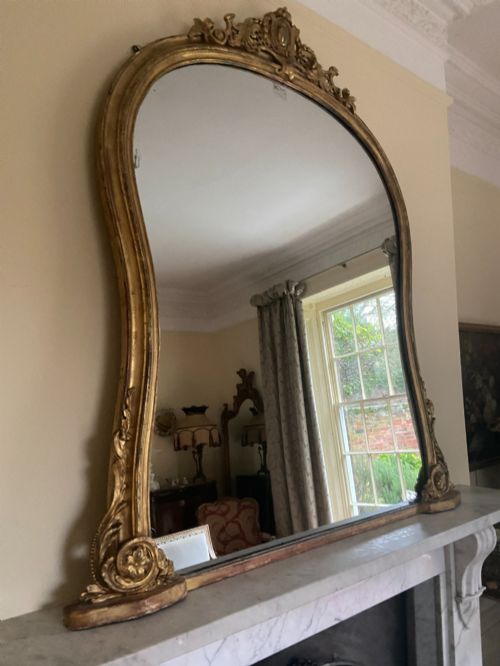
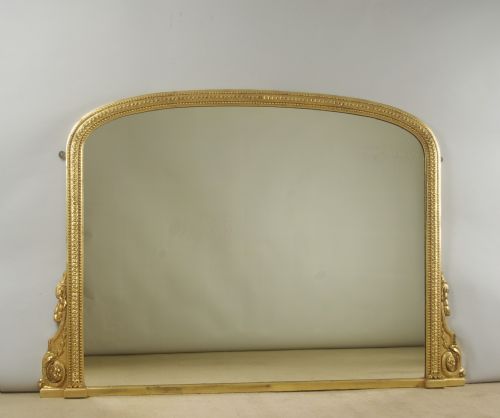
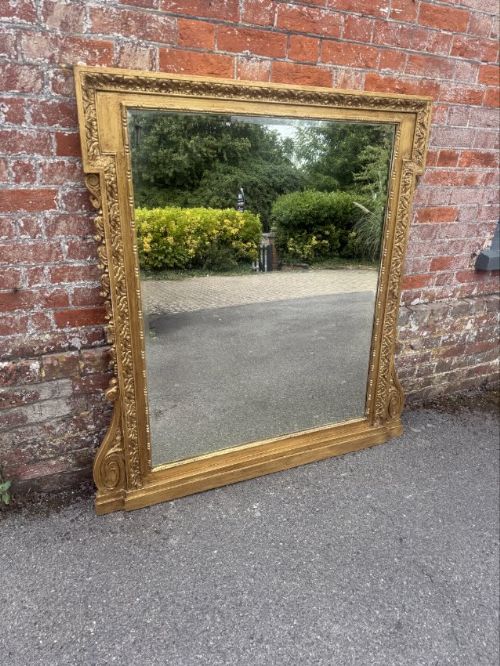
An edwardian overmantel is a large mirror designed to sit above a fireplace mantelpiece, framing the chimney breast with architectural presence. The examples seen here span periods from the nineteenth century into the early twentieth, reflecting the revivalist tastes of their day.
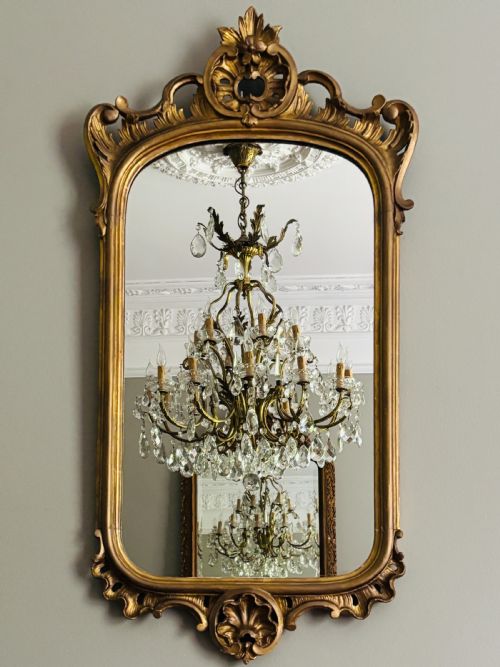
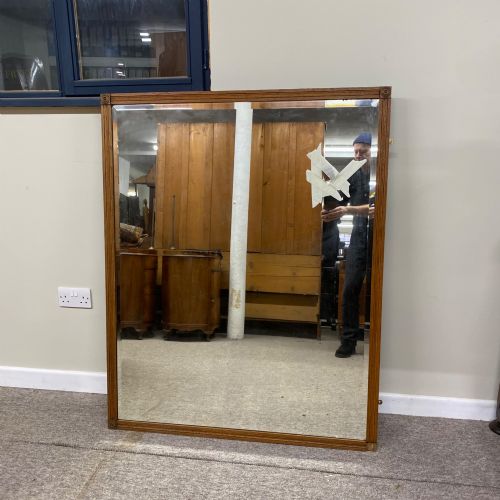
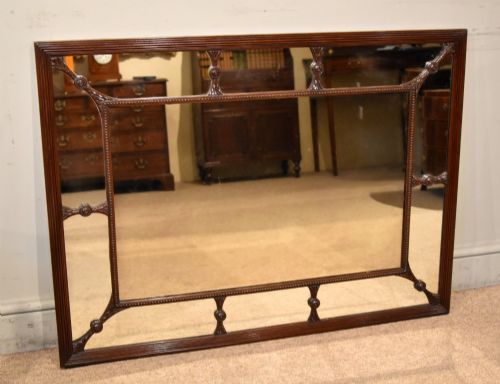
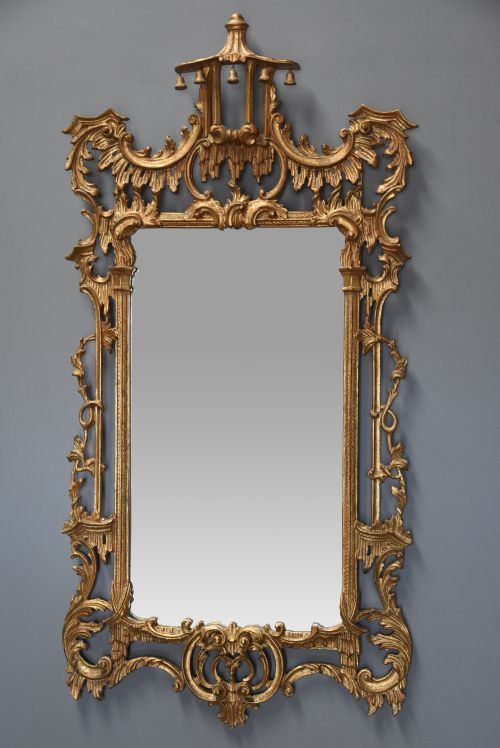
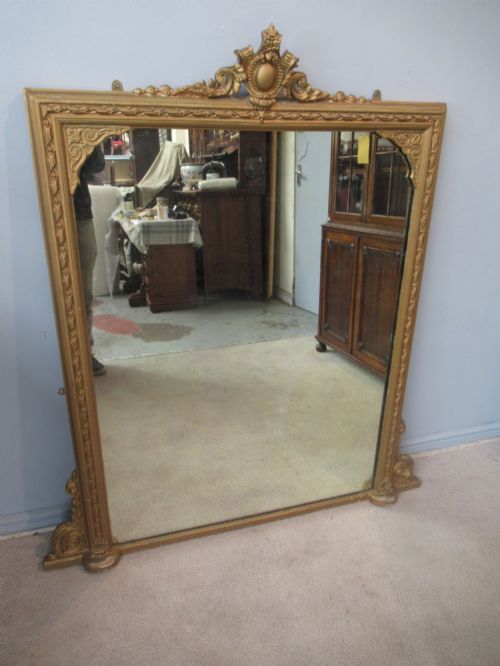
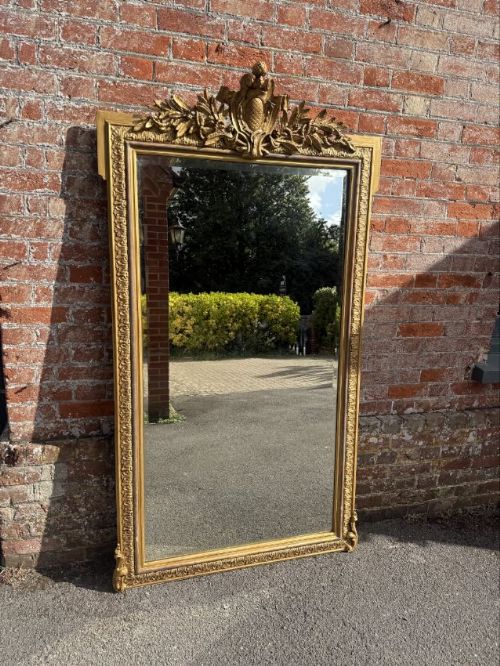
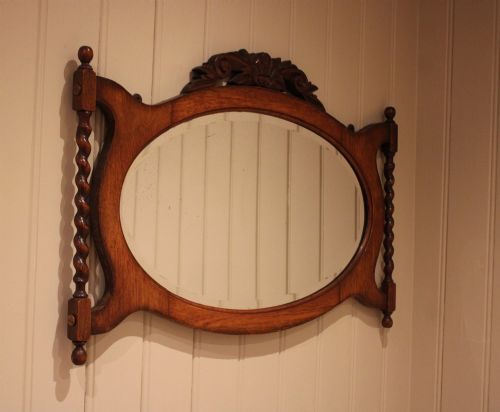
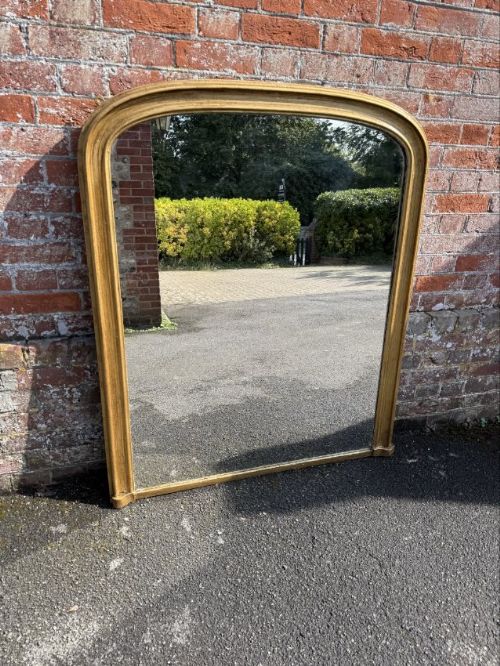
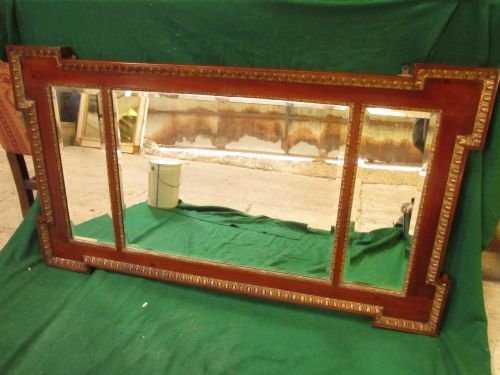
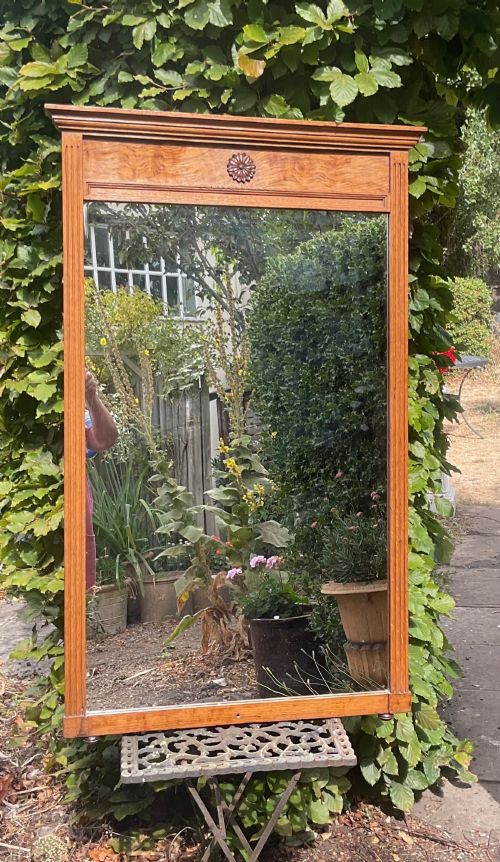
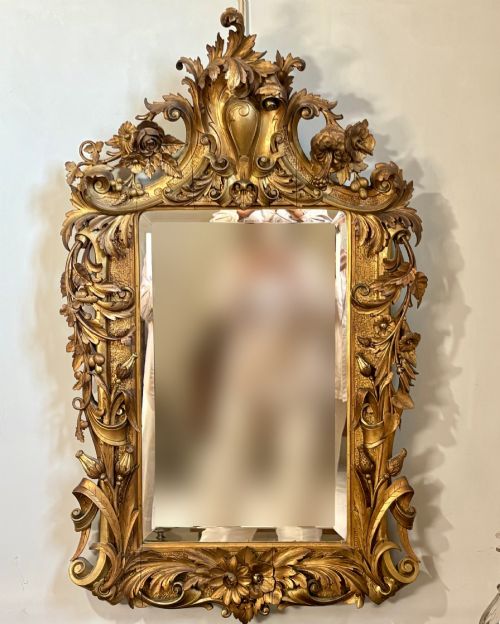
Most pieces on this page lean into Edwardian aesthetic restraint or draw on earlier design idioms such as Regency, Adam, and French Chateau styles. They range from rectilinear oak and mahogany frames to elaborate arched top constructions finished in bright giltwood.
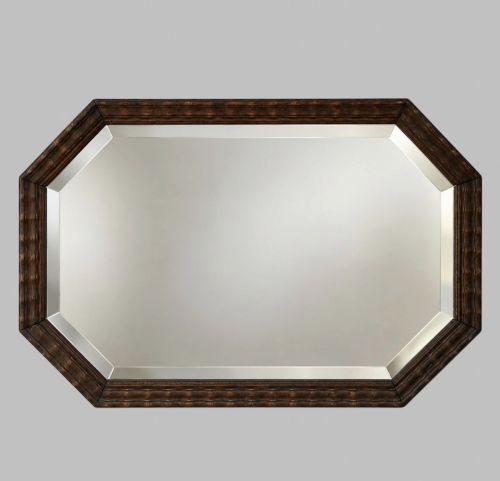
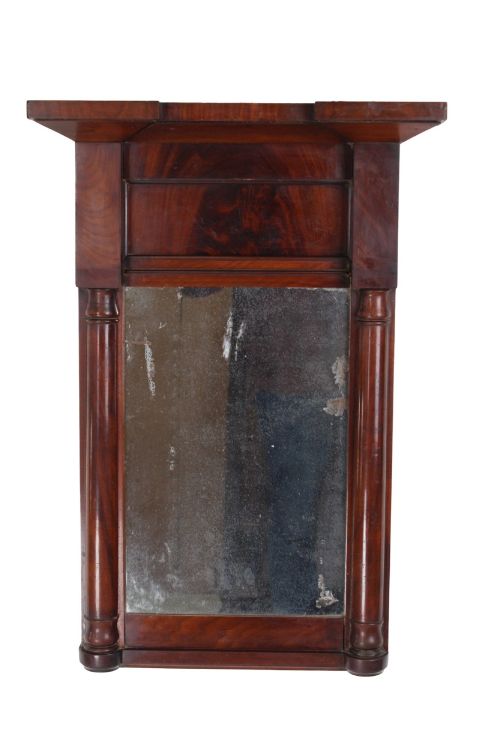
Beyond standard overmantel mirrors, the selection includes related wall and pier mirrors in materials like satinwood, rosewood, and walnut. These share the characteristic proportions and decorative detailing intended to bounce light across a period interior.
Materials and Construction Methods
Makers constructed the core structures using solid timbers such as oak, mahogany, walnut, and satinwood, often applying detailed marquetry or carved flourishes. Carved wood and gesso provided the sculptural relief necessary for ornate gilded frames.
Giltwood and composition ornamentation were applied over wooden substrates, then finished with gold leaf or metallic paint to achieve a bright reflective surface. Mirror glass, frequently bevelled, was set securely within these heavy frames to withstand the heat and draft of the hearth below.
Edwardian Overmantel Retail Price Guide 2026
Typical asking prices for edwardian overmantel among the pieces listed under this phrase on Sellingantiques today, from the lower quarter to the upper quarter. They describe what is for sale here now, not the wider market.
Listings for an edwardian overmantel span the nineteenth and early twentieth centuries, incorporating Victorian, Edwardian, and Art Deco design influences.
Judging Quality in Period Mirrors
Quality rests in the crispness of the carved detail and the integrity of the underlying wood and gesso work. Superior pieces display deeply carved motifs and clean joinery that remain stable despite decades above a working fireplace.
The clarity and depth of the mirror glass itself signal distinction, alongside the preservation of original gilding or polish. Finer examples maintain crisp lines in their architectural mouldings and retain their original backing boards and fixings.
Waring And Gillow·Liberty And Co
The Edwardian Overmantel Glossary
- Overmantel
- A mirror specifically proportioned to hang on the wall immediately above a fireplace mantelpiece. These pieces often incorporate architectural elements like cornices or pilasters.
- Gesso
- A plaster-like mixture applied to wood frames to create a smooth surface for gilding or intricate low-relief carving. It allows for sharp decorative details that carved wood alone cannot easily achieve.
- Pier glass
- A tall, narrow mirror designed to hang on the wall space between two windows, often placed above a small pier table. The term frequently overlaps with tall wall mirrors in period inventories.
- Bevelled
- Glass with an edge that has been cut and polished to an angle thinner than the rest of the pane. This technique creates a prismatic border that catches the light.
- Giltwood
- Timber, typically pine or oak, that has been coated with gold leaf. It forms the lustrous finish seen on many formal nineteenth- and early twentieth-century frames.
Edwardian Overmantel: Frequently Asked Questions
How do I hang an edwardian overmantel securely?
These mirrors carry substantial weight due to their timber frames and thick glass plates. Fixings must be anchored directly into the wall studs or masonry of the chimney breast using heavy-duty brackets.
Professional installation is recommended to distribute the load evenly and prevent the mirror from shifting under its own mass.
Where should an edwardian overmantel be placed?
Traditionally positioned directly above a fireplace mantelpiece, an edwardian overmantel serves as the visual anchor of a reception room. The lower edge sits just above the wooden mantel shelf.
They also function effectively on large blank walls in hallways or dining rooms, where their scale helps to reflect natural light across the space.
How do I clean antique mirror glass?
Use a soft, dry microfiber cloth to remove dust from the glass and the surrounding frame without applying pressure to fragile gesso. Avoid spraying liquids directly onto the mirror plate.
Moisture can seep behind the silvering or into the wooden joints, causing dark spots or lifting the historical finish over time.
How do I distinguish Edwardian from Victorian mirrors?
Victorian overmantels often feature heavy, ornate carved details, dark woods like walnut, and deep architectural moulding. They lean towards rich, exuberant historicism and dense ornamentation.
Edwardian pieces typically show lighter proportions, brighter satinwood or lighter oak finishes, and simpler lines inspired by eighteenth-century neoclassical revivals.