




Edwardian Oval Desk
An edwardian oval desk brings graceful curves and refined timber work to a study, offering a compact writing surface rooted in early twentieth-century design.
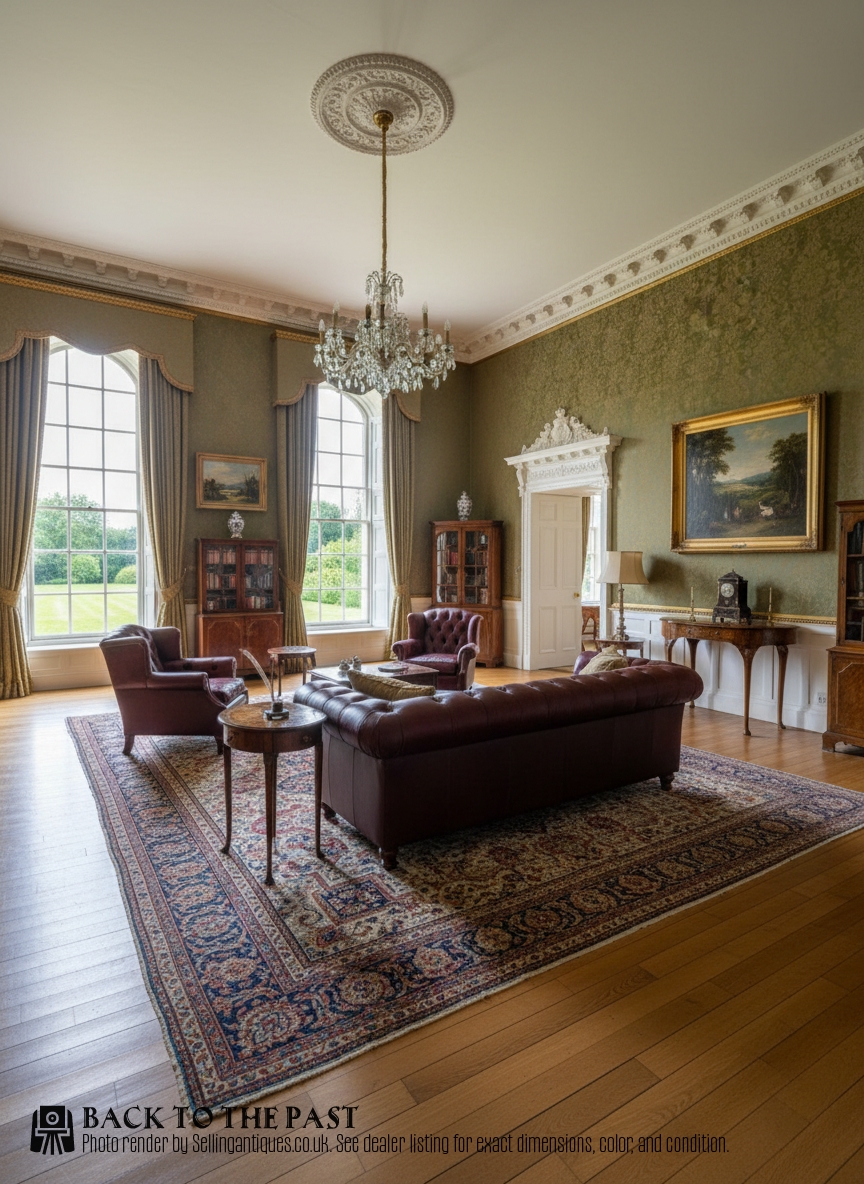
Edwardian Oval Desk
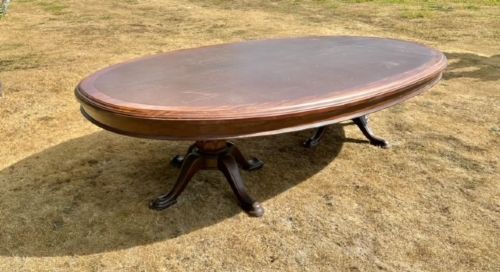
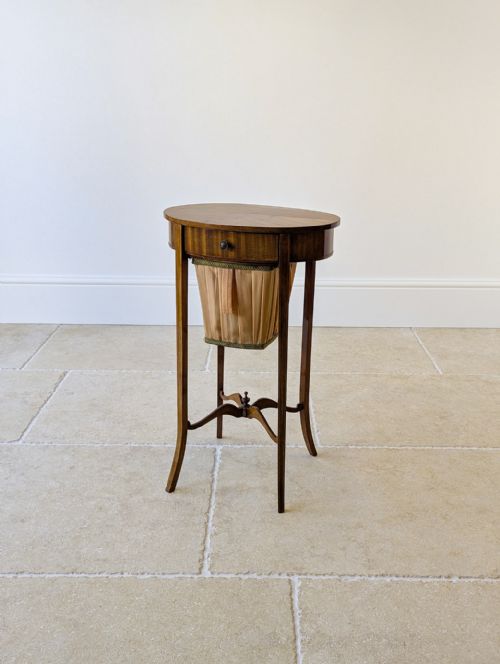
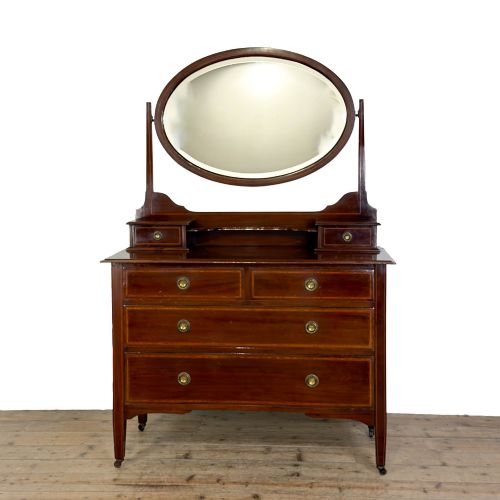
An edwardian oval desk appears in forms spanning writing tables and freestanding library pieces, often sharing workspace duties with dressing tables.
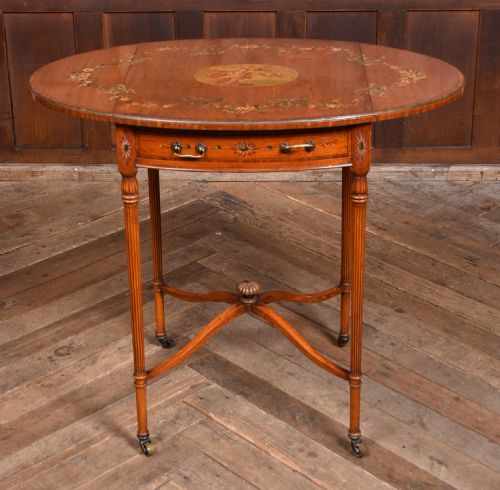
The pieces on this page lean heavily into mahogany and burr walnut, occasionally finished with satinwood or shaped through nineteenth-century revival styles.
Makers and craftsmen from the period adapted traditional proportions into softer, rounded silhouettes suited to smaller rooms.
Construction and materials
Carpenters utilised solid mahogany and burr walnut as foundational timbers, frequently applying delicate inlay work in contrasting lighter woods.
Leather inserts provided a durable writing surface atop the timber frames, while brass fixtures and glass elements added functional detail.
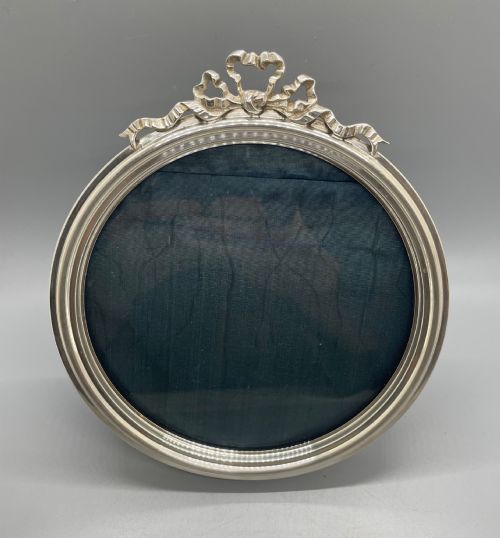
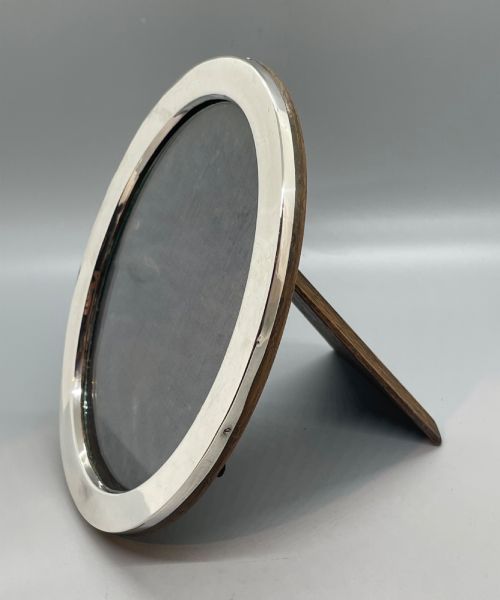
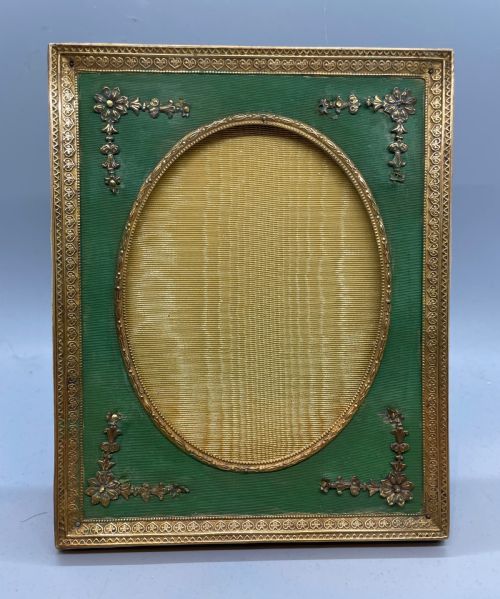
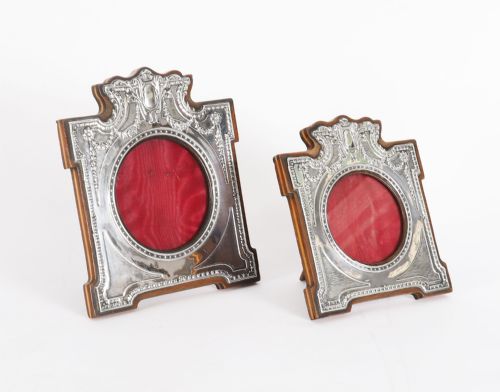
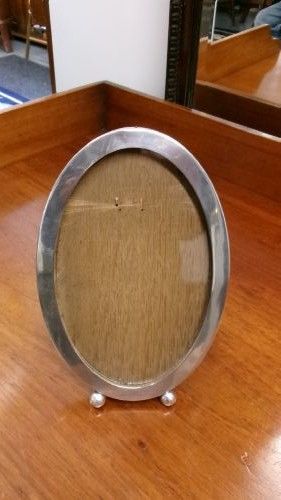
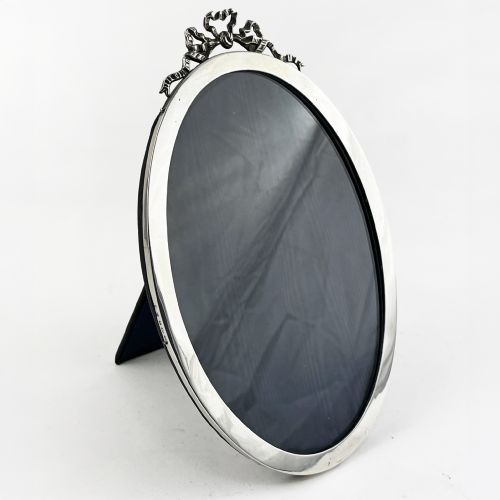
Desks share space with miniature carriage clocks and silver photo frames.
Quality differences
The refinement of the timber figure and the precision of the inlaid decoration separate standard examples from finer exhibition pieces.
Structural integrity relies on the tightness of the joinery and the original condition of the leather surface or wooden top.
The Edwardian Oval Desk Glossary
- Inlay
- A technique where pieces of contrasting timber or shell are inserted into depressions in the base wood to form decorative patterns.
- Satinwood
- A durable, yellowish timber prized for its smooth grain and glossy appearance, frequently used in detailed furniture decoration.
- Burr walnut
- Timber taken from the warted growth on a walnut tree, yielding highly figured, swirling grain patterns favored for fine tabletops.
- Sheraton style
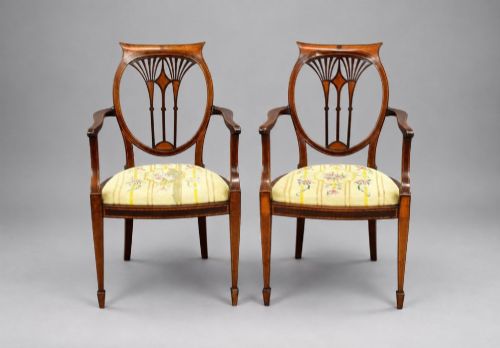
- A neoclassical furniture design characterised by straight tapered legs, subtle curves, and delicate marquetry or inlay motifs.
Edwardian Oval Desk: Frequently Asked Questions
Where should I place an oval desk?
These pieces suit home offices or studies where a freestanding layout allows the curved timber to be viewed from all sides. Their softer outlines fit well in corners or centrally positioned.
Ensure adequate natural light falls across the leather or wooden writing surface without crowding surrounding seating.
How do I clean the leather top?
Wipe the leather gently with a soft, slightly damp cloth to remove dust, avoiding harsh chemical cleaners that might strip the finish. Dry immediately with a clean lint-free cloth.
Preserve the material periodically with a suitable leather conditioner recommended for antique furniture maintenance.
Can these desks double as dressing tables?
Historical examples frequently crossed functional boundaries between writing tables, side tables, and dressing furniture depending on the room. The smooth surface accommodates modern laptop use just as easily as traditional correspondence.
Check the drawer depth to ensure your everyday items fit comfortably inside.
How do I identify Edwardian period pieces?
Edwardian furniture dates from the reign of King Edward VII, spanning the early years of the twentieth century up to the First World War. Look for lighter proportions and revivals of earlier eighteenth-century styles.
Construction details often show machine-assisted precision alongside traditional hand finishing.