



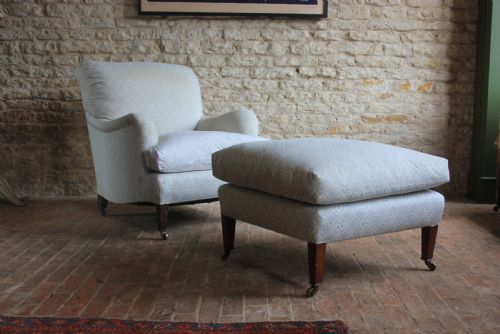

Edwardian Ottoman
An edwardian ottoman combines practicality with traditional comfort, offering a solid frame and upholstered seat designed for daily use.
Edwardian Ottoman
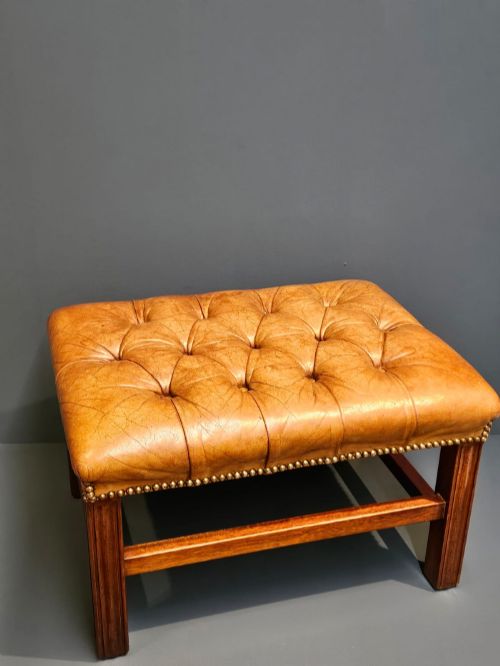
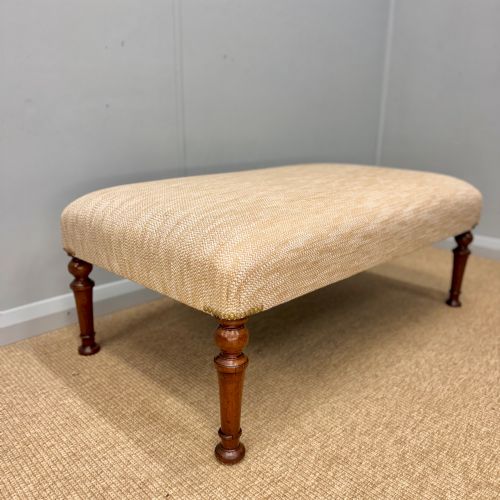
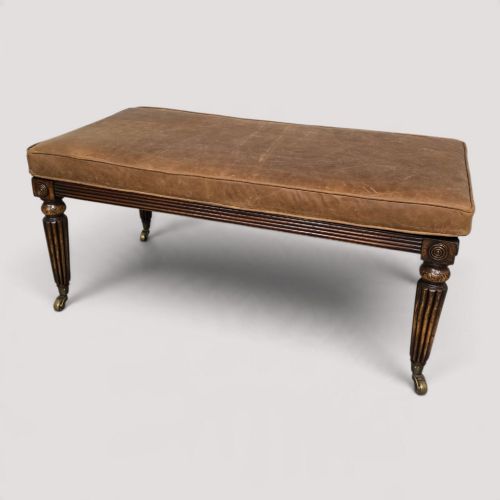
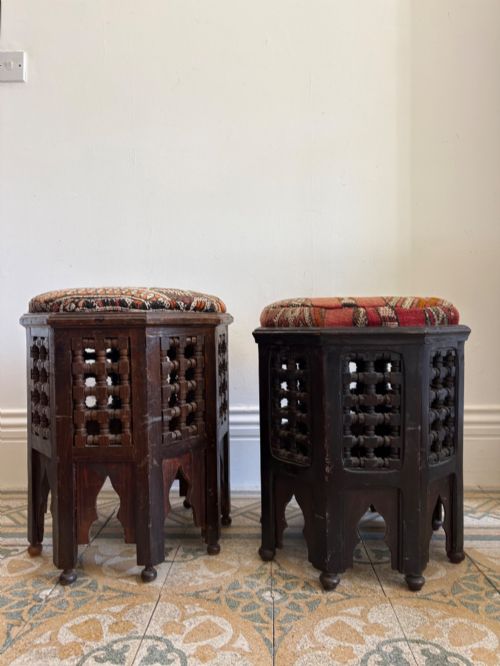
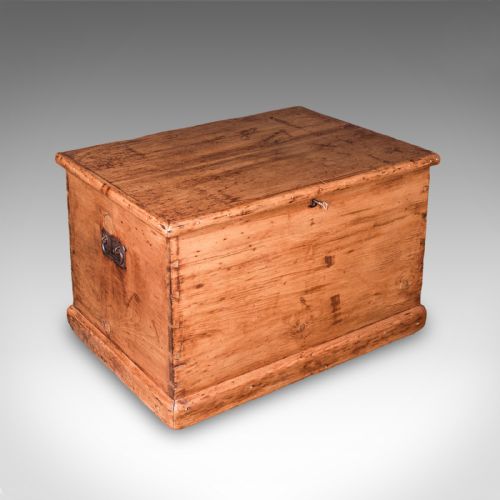
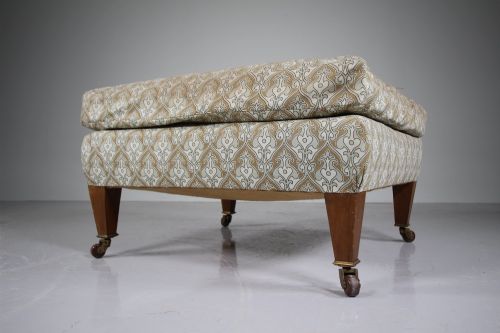
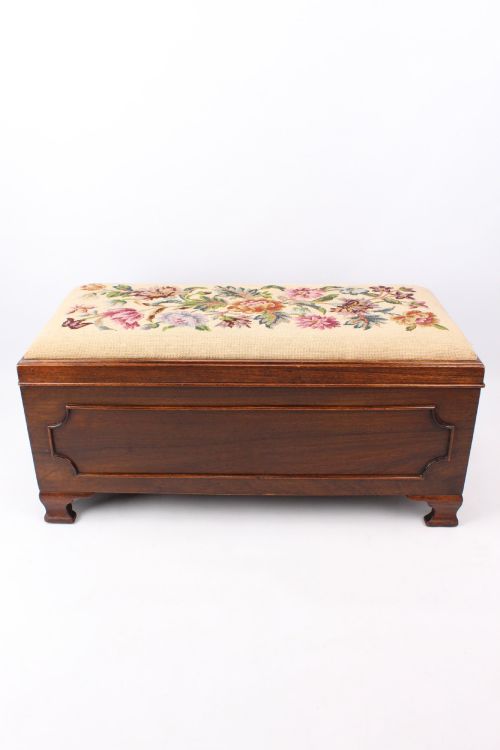
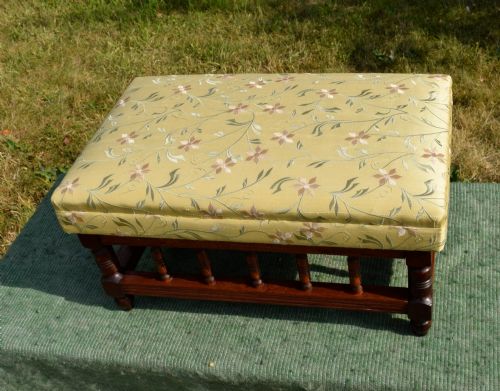
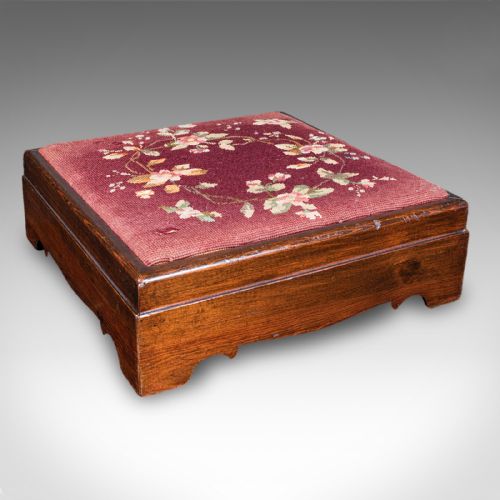
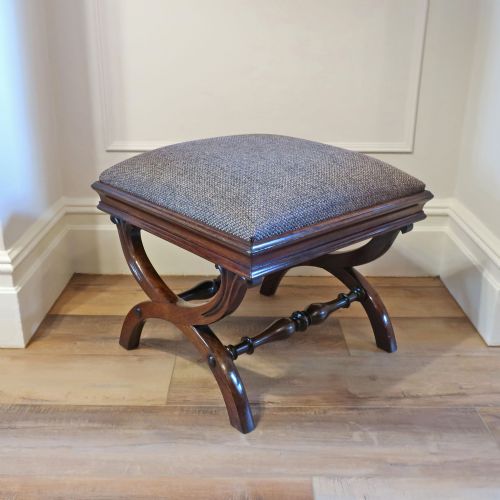
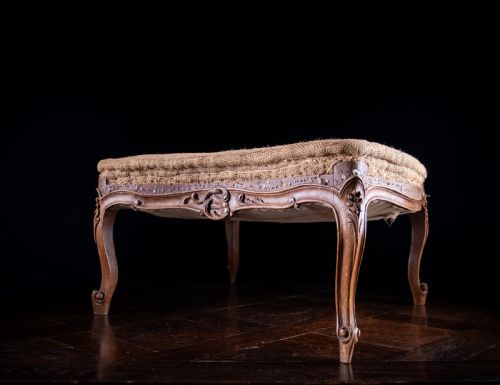
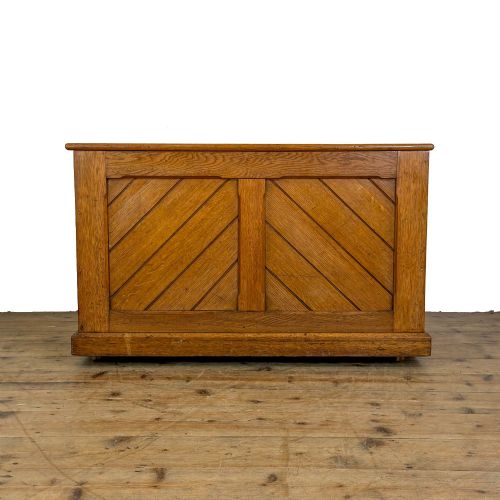
When you examine an edwardian ottoman, you find sturdy timber frames paired with upholstered surfaces designed for resting feet or sitting. The pieces on this page span forms including footstools, window seats, and storage trunks.
Mahogany, oak, and walnut appear frequently in the framing, alongside brass castors and turned supports. The upholstery relies on leather, wool, and various textiles to finish the top surface.
How they were made
Cabinet makers utilised hardwoods such as mahogany, walnut, and oak to construct the structural frames of these pieces. Wood carving and turned legs provide decorative detail without compromising stability.
Upholstery techniques involve securing fabric, leather, or needlework over padding supported by the wooden base. Metal fittings such as brass castors appear on larger examples to aid movement across floor coverings.
Edwardian Ottoman Retail Price Guide 2026
Typical asking prices for edwardian ottoman among the pieces listed under this phrase on Sellingantiques today, from the lower quarter to the upper quarter. They describe what is for sale here now, not the wider market.
A metamorphic gout stool offers adjustable comfort for tired feet.
What varies in quality
The choice of timber and the precision of the frame construction set individual pieces apart. Dense hardwoods like mahogany and walnut offer greater durability than softer pines.
The execution of upholstery and needlework determines the finished appearance. Hand-stitched covers and detailed wood carving distinguish finer examples from plain utilitarian items.
Howard and Sons·James Shoolbred·Simpson Kendall
The Edwardian Ottoman Glossary
- Ottoman
- A low upholstered seat or footstool without a back or arms, designed for domestic use.
- Castor
- A small wheel fitted to the legs of furniture to allow easy rolling across floors.
- Upholstery
- The materials, including padding, fabric, or leather, used to cover a seating frame.
- Needlework
- Decorative sewing executed on canvas or fabric, commonly seen on period stool tops.
- Chinoiserie
- European decorative art imitating Chinese artistic styles, utilised in lacquer finishes.
Edwardian Ottoman: Frequently Asked Questions
What is an edwardian ottoman?
An edwardian ottoman is a low upholstered seat or footstool produced during the early twentieth century. These items utilise wooden frames paired with leather or fabric coverings.
They serve primarily as foot rests or additional seating within domestic interiors. Many examples incorporate turned wooden supports and brass castors.
How do I identify edwardian pieces?
Identifying these pieces involves examining the timber types, construction methods, and upholstery styles recorded in the period evidence. Mahogany and oak frames are common.
Details such as hand-dyed leather, needlework seats, and specific maker stamps help distinguish pieces from different decades. Comparing the woodwork to documented furniture styles provides further clarity.
What materials were used?
Makers constructed the frames using hardwoods like mahogany, walnut, and oak, alongside pitch pine in country house pieces. Brass hardware and castors appear frequently.
The top surfaces feature upholstery made from leather, wool, chenille, tapestry, and various printed textiles. Needlework and kilim covers also occur across the listings.
Where should I place an ottoman?
These pieces suit living rooms, studies, and bedrooms as fireside footstools or window seats. Their compact dimensions allow them to sit easily in front of armchairs.
Ensure the height matches your existing seating for practical comfort. The varied timber finishes coordinate well with traditional interior schemes.