
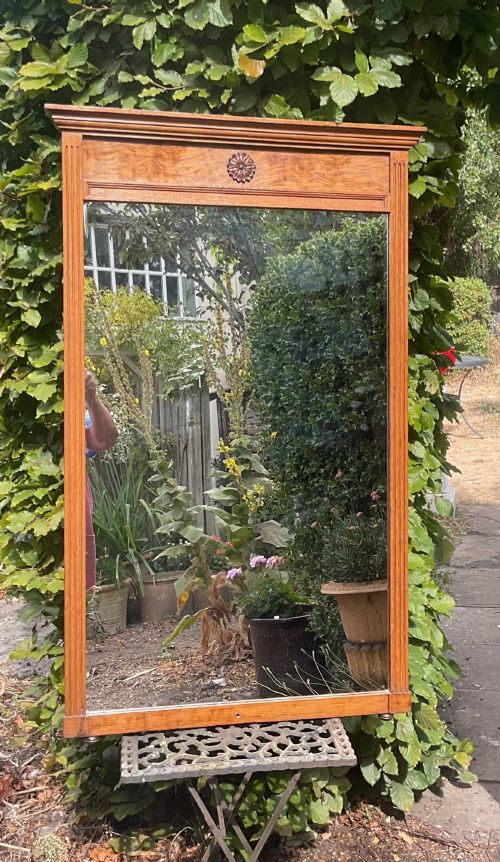
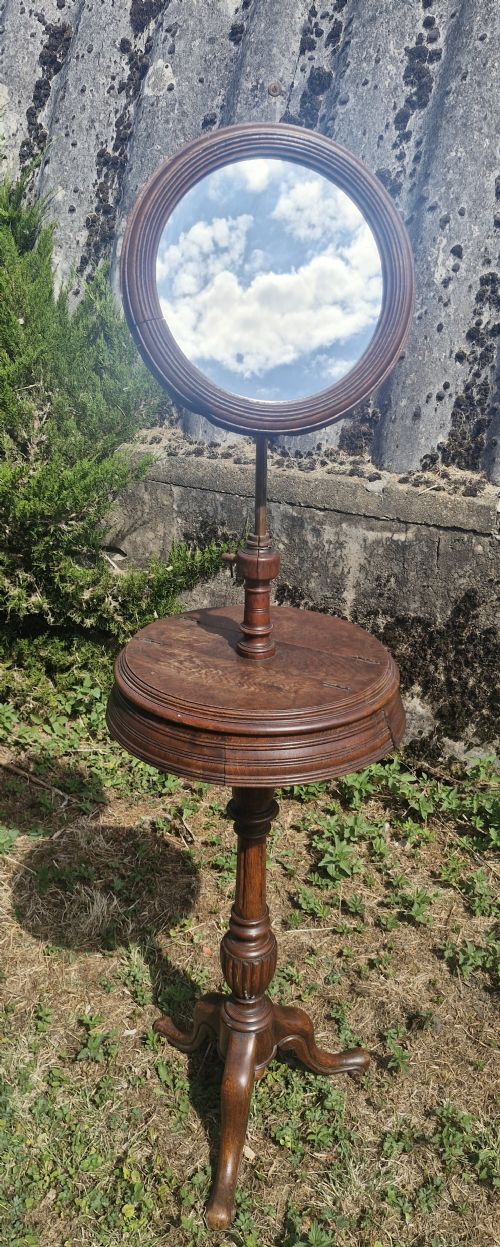
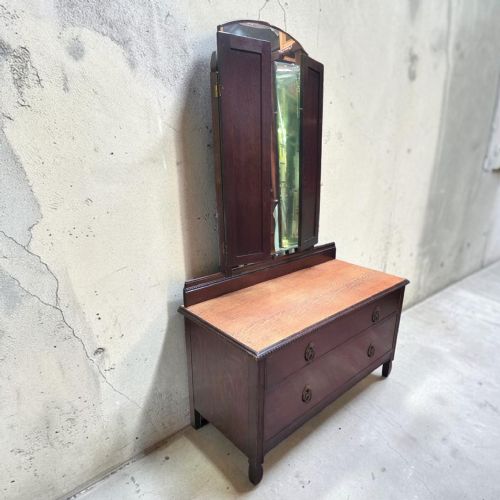
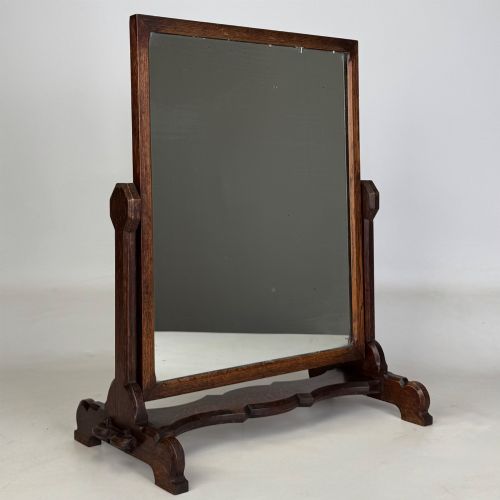


Edwardian Oak Vanity Mirror
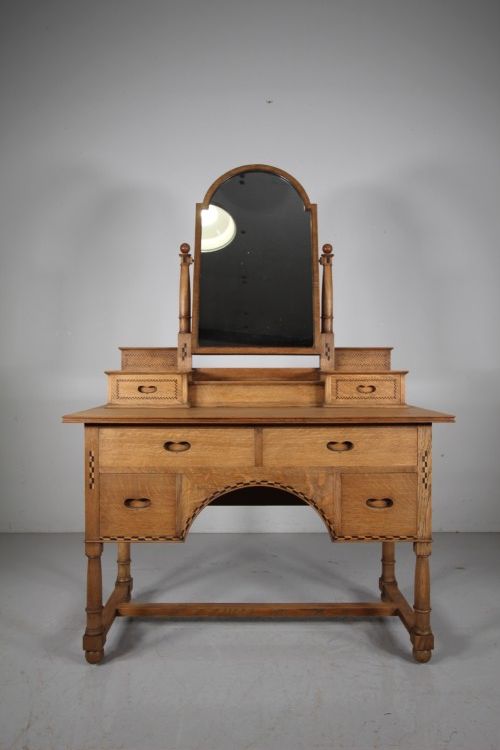
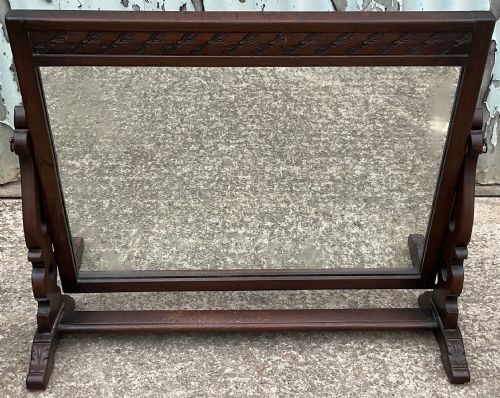
When you handle an Edwardian oak vanity mirror, you hold a functional piece of bedroom furniture designed to pivot and tilt for daily grooming.
Edwardian Oak Vanity Mirror
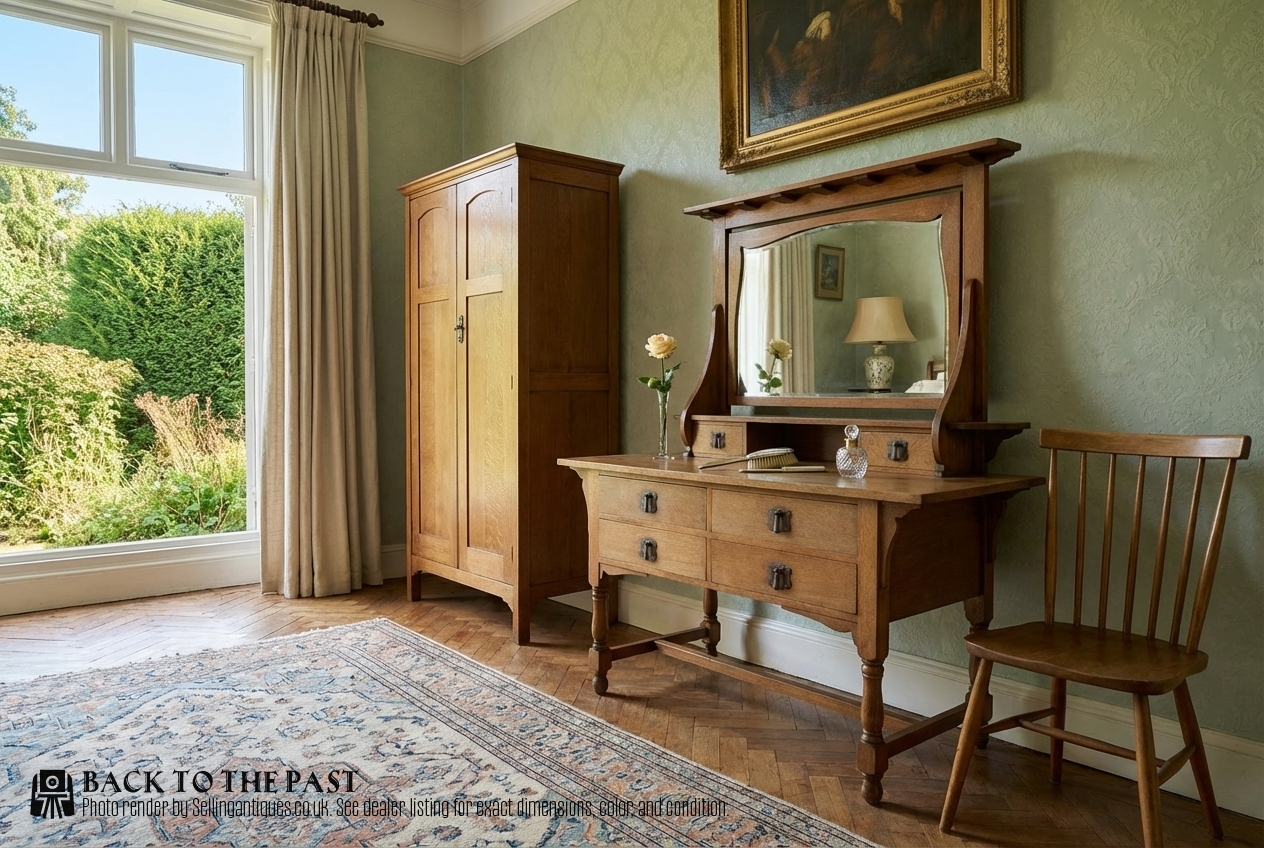
The edwardian oak vanity mirror encompasses several overlapping forms, appearing as standalone dressing mirrors, adjustable toilet glasses, and larger pivoting plates mounted upon dressing chests and tables. These items frequently share space with shaving stands and wall-mounted variations produced during the same decades.
Most examples originate from the Edwardian period or neighbouring decades spanning the late nineteenth century through to the nineteen-thirties. Buyers frequently encounter pieces displaying Arts and Crafts influence or later Art Deco lines alongside straightforward revival styles.
The timber framework typically utilises solid oak or blonde oak, sometimes enhanced by wood inlay, marquetry, or brass and copper hardware. Swing mirror frames are commonly rectangular or oval, supported by upright arms fitted with adjustable brass screws.
Construction and materials
Cabinet makers constructed these frames predominantly from solid oak, sometimes selecting blonde oak or incorporating contrasting wood inlay for decorative effect. Metal components such as brass, copper, and iron provided structural pivots, hinges, and occasional support stands.
Glass plates featured bevelled edges on finer examples, held securely within rebated wooden frames that tilted between vertical uprights. Carpenters utilised traditional joinery techniques to secure the side supports to heavy base boxes or dressing chest surfaces.
Gentlemen needing a close shave relied on pivoting brass stands with tiny shelves for soap.
Distinguishing quality in oak mirrors
Quality rests primarily upon the crispness of the cabinet work, the integration of design movements such as Arts and Crafts detailing, and the weight of the timber used. Maker attribution through stamps, labels, or distinctive regional workshop characteristics elevates certain pieces above standard domestic production.
The preservation of original mirror glass, brass adjustment hardware, and intact marquetry or wood inlay distinguishes superior survivals. Lesser examples display simplified joints, replaced mirror plates, or generic turnings lacking the distinct regional or maker identity found in better workshops.
Heals of London·Shapland and Petter·James Shoolbred·George Walton·Harris Lebus·Wright and Hunter·Arnott and Co
The Edwardian Oak Vanity Mirror Glossary
- Edwardian
- A stylistic period spanning the reign of King Edward VII, noted for lighter furniture designs and revived historical forms. Pieces from this era often simplify heavier Victorian proportions.
- Arts and Crafts
- A design movement prioritising visible craftsmanship, honest construction, and simple natural materials. It heavily influenced the oak furniture produced around the turn of the century.
- Bevel edge
- A sloping angle cut around the perimeter of a mirror plate. This technique adds depth and catches the light differently than a flat-cut edge.
- Shaving stand
- A specialist piece of bedroom furniture incorporating a mirror, small surfaces, and sometimes drawers or hooks. These items were designed for morning grooming routines.
- Marquetry
- The art of applying pieces of veneer to a structure to form decorative patterns. It appears on select dressing tables and mirror frames.
Edwardian Oak Vanity Mirror: Frequently Asked Questions
How do these mirrors adjust?
Most examples employ lateral brass screw fittings set into the upright support arms, allowing the glass frame to tilt forward and backward. The tension can typically be tightened by hand to hold the mirror at the desired angle.
Heavier shaving stands and dressing chest attachments rely on similar pivot mechanisms mounted to sturdy wooden blocks or side columns.
Were these originally part of larger sets?
Many dressing mirrors were originally manufactured as permanent components of dressing chests, dressing tables, or larger bedroom suites. Others were produced as standalone items intended to sit upon existing chests of drawers.
Over time, some vanity mirrors have become separated from their original bedroom suites while retaining their fitted base boxes or support feet.
How do I distinguish Edwardian from Victorian oak?
Victorian oak furniture often tends toward heavier proportions, darker finishes, and dense carved ornamentation. Edwardian pieces frequently lighten these forms, sometimes utilising blonde oak or simpler geometric lines influenced by the Arts and Crafts movement.
Makers working around the turn of the century often bridged both styles, making construction details and secondary wood choices key indicators of precise period.
Where should I place an oak vanity mirror?
These pieces suit bedroom placement on top of low chests of drawers, dressing surfaces, or sturdy side tables where the swing mirror can function properly. Wall-mounted variants require secure fixings into structural plaster or studwork to support the weight of the oak frame.
Keeping the timber away from direct heat sources helps preserve the original polish and prevents the oak from drying out.