
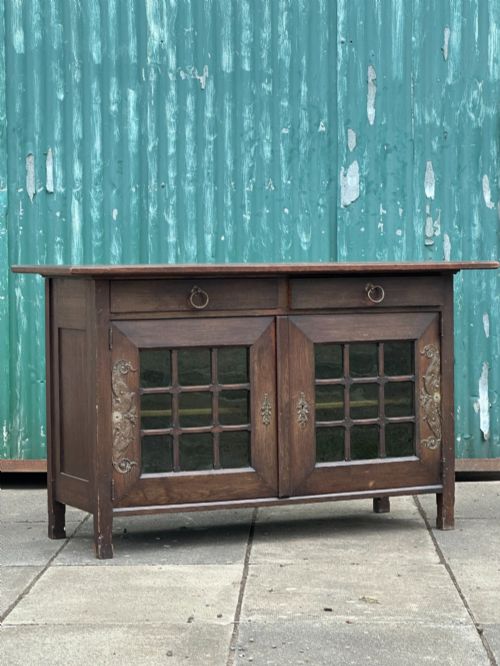


Edwardian Oak Side Cabinet
An edwardian oak side cabinet brings sturdy utility and honest craft to a room, offering practical storage grounded in solid timber.
Edwardian Oak Side Cabinet
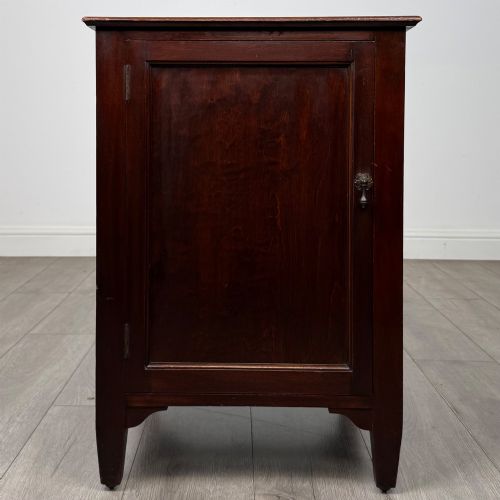
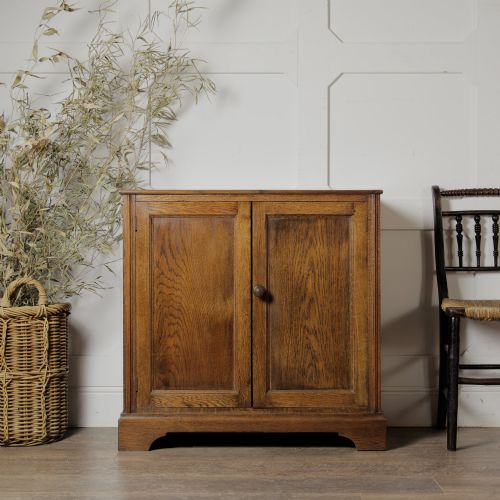
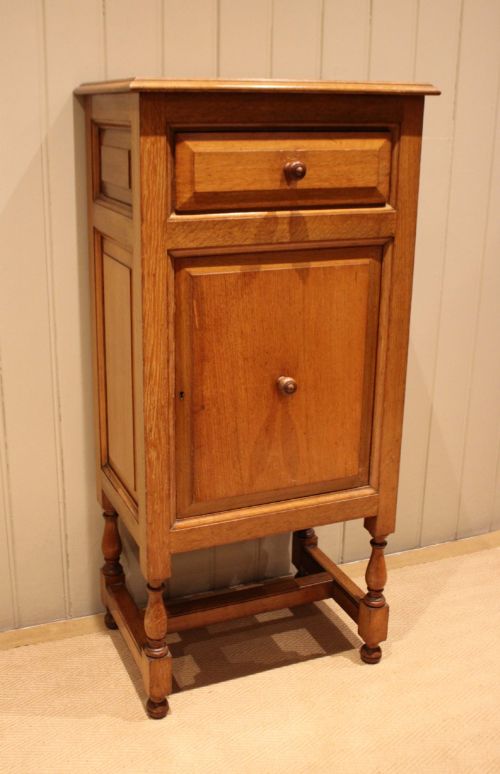
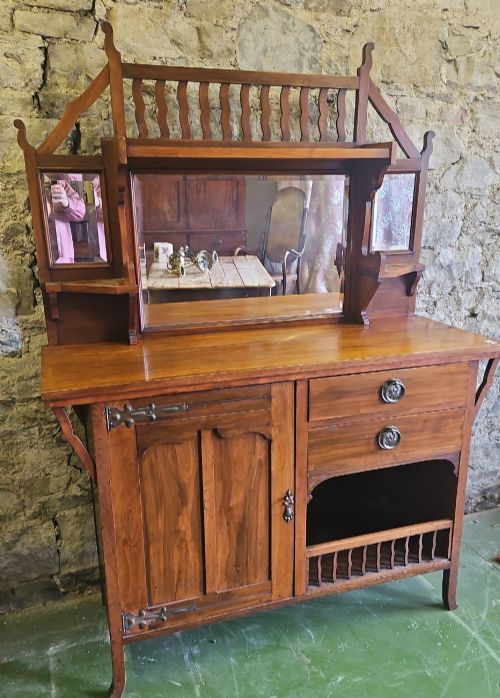
An edwardian oak side cabinet encompasses pieces built primarily around the turn of the twentieth century, though the category extends to embrace related low cupboards, bedside units, and sideboards. These utilitarian furnishings serve multiple rooms, appearing as small cupboards, music cabinets, and display pieces designed for daily household storage.
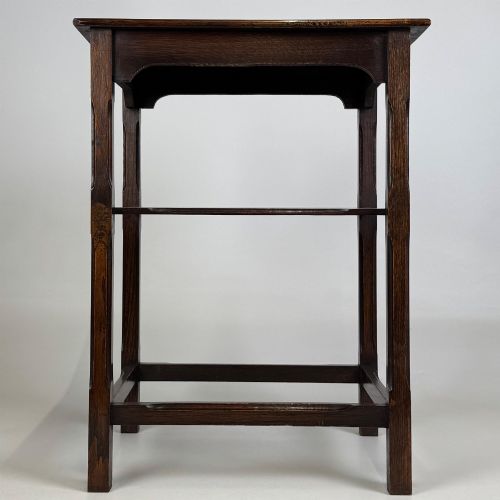
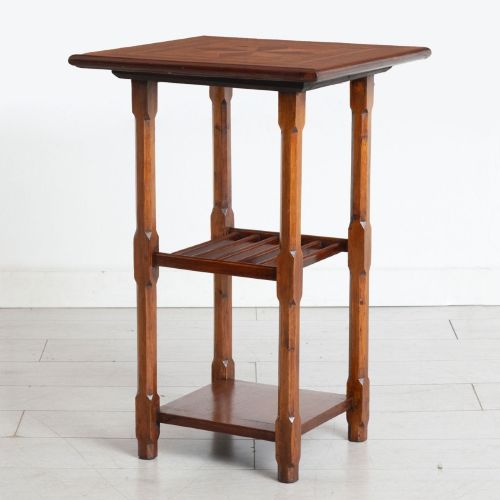
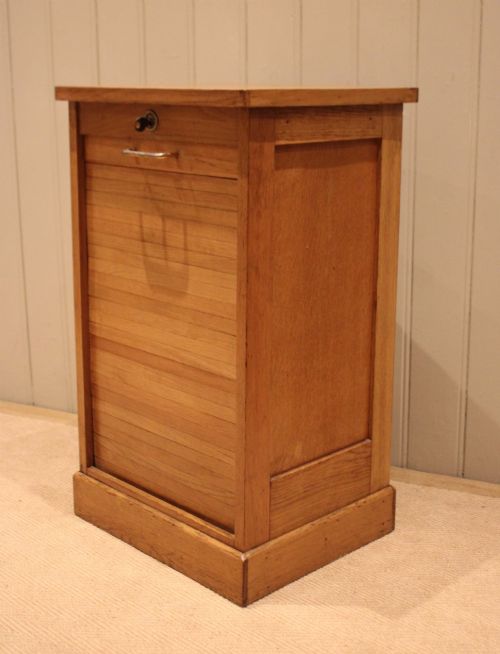
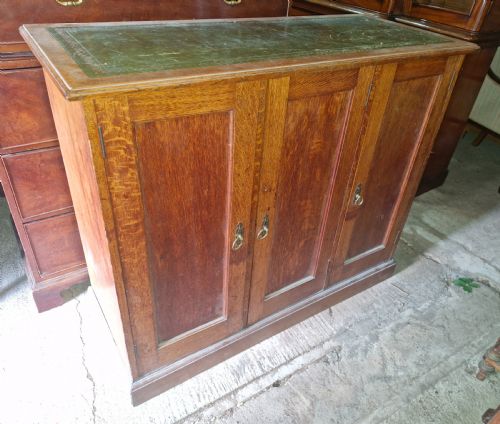
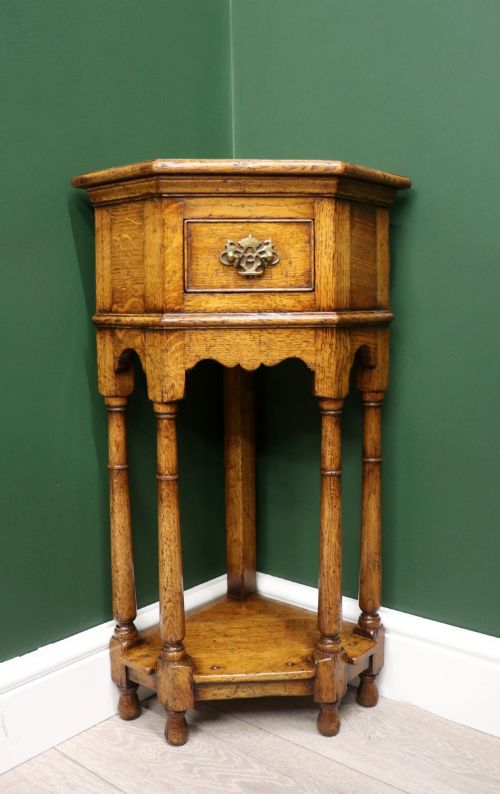
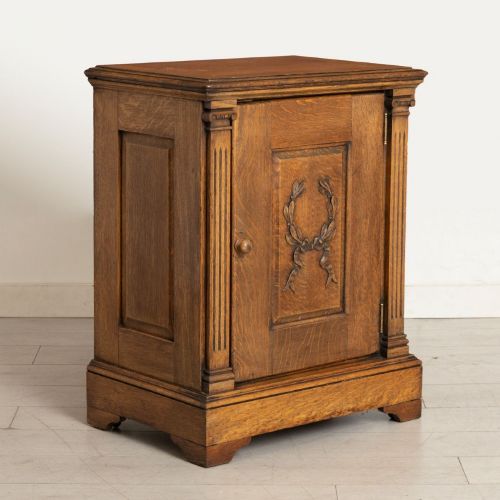
The versions most commonly met on this page date from the Edwardian era and the wider early twentieth century, frequently displaying the influences of the Arts and Crafts movement or Jacobean Revival styles. They take the form of compact side tables, filing cabinets, and pot cupboards alongside traditional storage cabinets.
Makers and workshops of the period utilised the natural grain of oak to create functional items that suited domestic interiors ranging from country houses to urban sitting rooms. Buyers seeking this phrase find variations spanning simple low cupboards to larger carved sideboards and display units.
How They Were Made
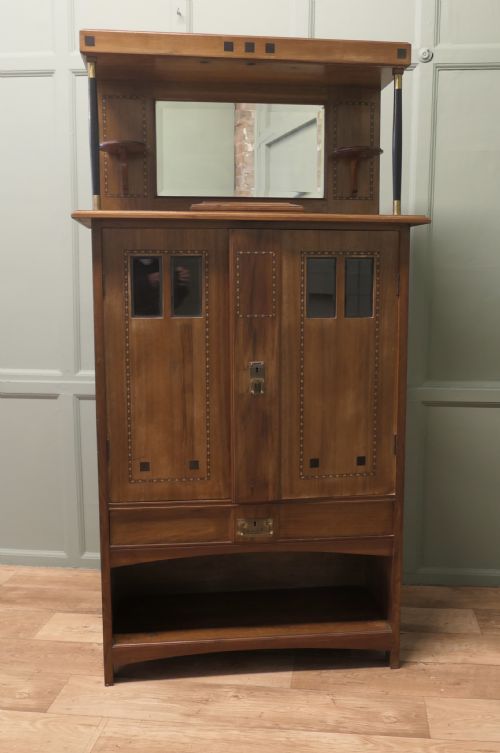
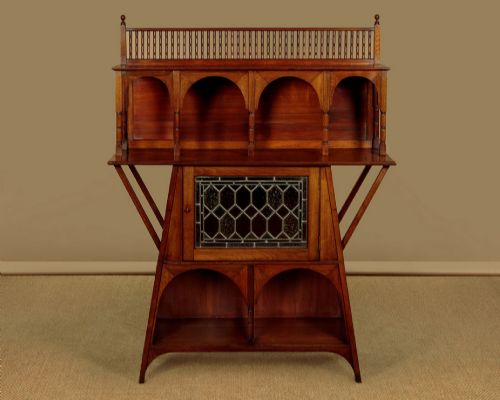
Construction relies heavily on solid oak and stained wood, complemented by functional metal hardware such as brass handles and iron fittings. Many examples incorporate glass panels for display doors, mirror glass, or decorative tile inserts set into the wooden framework.
Techniques range from plain, solid timber construction to carved panels depicting motifs like the Green Man, alongside specialised variations featuring marble tops. Workshops applied dark or golden stains to the oak, aligning with Arts and Crafts ideals or heavier revivalist tastes.
The selection includes Arts and Crafts, Gothic Revival, Jacobean Revival, and Secessionist styles, uniting diverse revivalist impulses under solid oak.
What Varies in Quality
Quality rests in the selection of the timber and the integrity of the cabinetmaking, distinguishing standard utility pieces from workshop productions bearing specific maker signatures. Heavier carving, well-figured golden oak, and integrated materials like marble tops or decorative tiles elevate the standing of a piece.
Construction details such as dovetailed drawers, panelled doors, and original brass or iron hardware determine the standard of survival. Pieces showing restrained design alongside thoughtful proportion separate the exceptional examples from routine utility furniture.
Liberty & Co.·Heals of London·J. Cambell & Co·T Willson London
The Edwardian Oak Side Cabinet Glossary
- Arts and Crafts
- A design movement promoting handcraft, simple forms, and local materials over industrial mass production. This style influences many cabinets listed here through exposed joinery and honest construction.
- Court Cupboard
- A traditional enclosed piece of furniture used for storing food and utensils, featuring upper and lower tiers. Edwardian interpretations adapt this historic form into compact oak side cabinets.
- Jacobean Revival
- A nineteenth and twentieth century style mimicking seventeenth-century English design with heavy mouldings and dark oak. Pieces in this manner display deep paneling and formal turning.
- Pot Cupboard
- A small bedside cabinet originally designed to house a chamber pot behind a single door. These compact items are frequently encountered in oak from the Edwardian period.
- Secessionist
- An artistic movement focusing on modern geometric forms and rejection of historical academic styles. It appears in select display cabinets with clean lines and stylised metalwork.
Edwardian Oak Side Cabinet: Frequently Asked Questions
What rooms suit an edwardian oak side cabinet?
These compact cupboards fit well in hallways, living rooms, and bedrooms where surface space and enclosed storage are both required. Their neutral timber tones allow them to sit comfortably alongside modern and traditional furnishings alike.
Smaller bedside versions serve beside a bed, whilst larger low cupboards function as lamp tables or media stands. Their varied internal layouts accommodate books, linens, and everyday household items with ease.
How do I care for oak furniture?
Oak benefits from simple dusting with a dry cloth and occasional treatment with suitable natural wax to nourish the grain. Avoiding direct sunlight and sudden temperature changes protects the timber from splitting.
Harsh chemical polishes should be avoided, as they build up a residue over time and dull the natural lustre of the wood. Gentle maintenance preserves the original finish and character of the surface.
Were these cabinets used for specific purposes?
Many cabinets served specialised roles, from music cabinets storing sheet music to filing units and bedside pot cupboards. Their internal shelving and drawer arrangements reflect the specific domestic needs of the early twentieth century.
Over time, many of these utilitarian forms have adapted to modern living as general side tables or display surfaces. Their sturdy construction ensures they remain practical for contemporary storage requirements.