



Edwardian Oak Purdonium Scuttle
An edwardian oak purdonium scuttle keeps the hearth tidy while bringing solid timber and metal mounts to the fireside.
Edwardian Oak Purdonium Scuttle
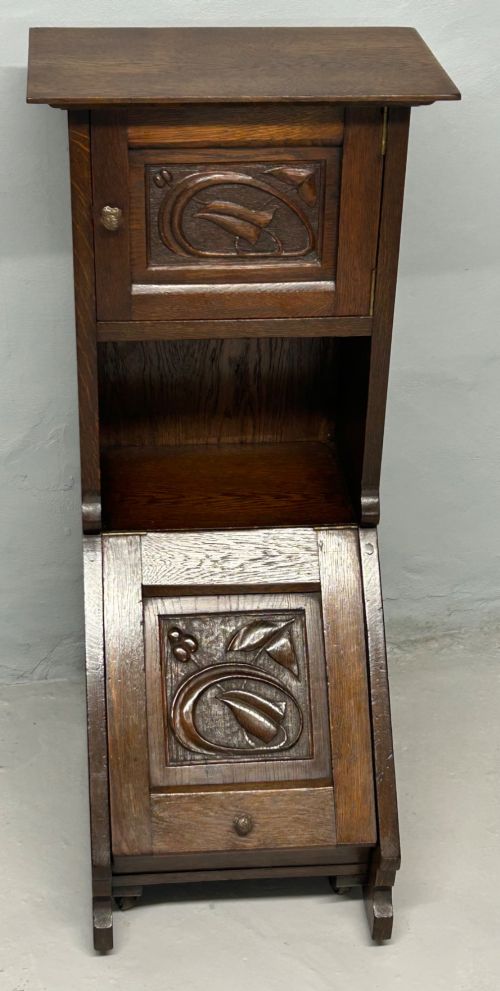
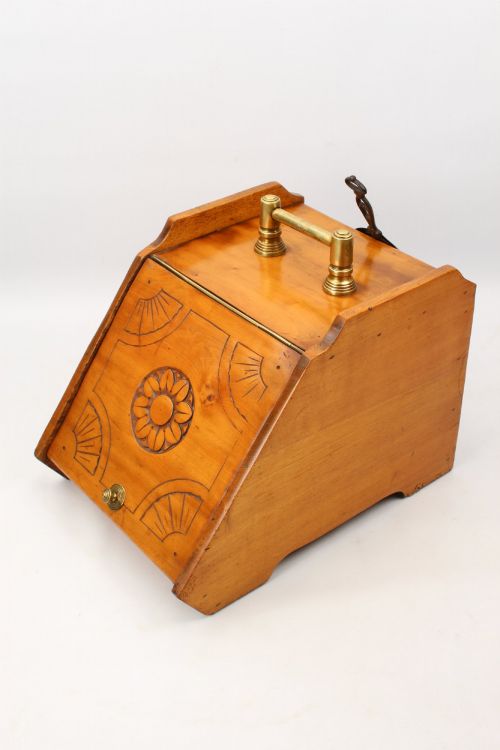
An edwardian oak purdonium scuttle is a specialised fireside container designed to hold coal for domestic grates. These pieces combine practical fuel storage with the robust cabinet-making styles of the Victorian and Edwardian eras. Buyers searching for this phrase encounter sturdy wooden boxes, sloping scuttles and drop-front purdoniums.
The versions most commonly met on this page date from the late nineteenth and early twentieth centuries, spanning Victorian, 1880, 1890, Edwardian, and 1900 periods. They appear under various descriptions including coal boxes, coal scuttles, and log bins. Many incorporate internal metal liners and matched shovels to handle fuel efficiently.
Materials and construction methods
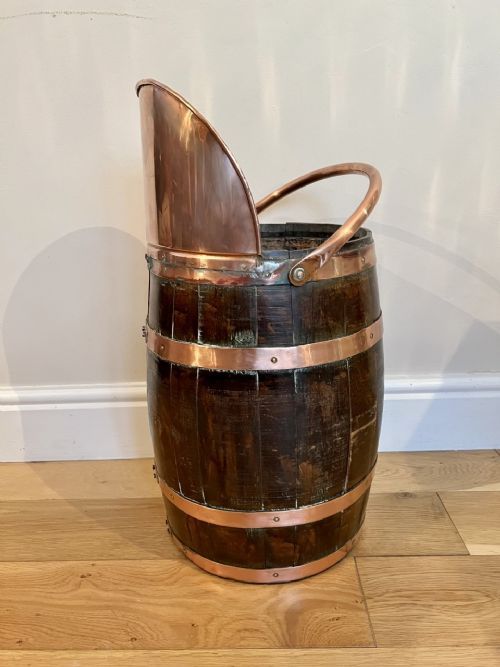
Makers built these pieces primarily from solid and veneered oak, frequently pairing the timber with durable metal components. Brass and copper mounts, hinges, and handles provide structural reinforcement while offering a warm contrast to the dark wood. Iron elements also appear within the hardware and internal mechanisms.
Construction techniques include carved fronts, panelled sides, and metal bounding to secure the wooden structure against daily wear near the heat of the fire. Many examples feature fitted metal liners designed to contain coal dust and prevent moisture from damaging the surrounding oak framework.
Edwardian Oak Purdonium Scuttle Retail Price Guide 2026
Typical asking prices for edwardian oak purdonium scuttle among the pieces listed under this phrase on Sellingantiques today, from the lower quarter to the upper quarter. They describe what is for sale here now, not the wider market.
Listings feature oak combined with brass, copper, and iron across Victorian and Edwardian periods.
Distinctions in craftsmanship and design
The standard of carving and metalwork separates simpler utilitarian boxes from more ambitious fireside pieces. Sculpted wooden fronts, substantial brass mountings, and sophisticated drop-front purdonium mechanisms indicate finer workshop execution. The presence of original fitted metal liners and matching shovels preserves the integrity of the ensemble.
The choice of decorative style also marks the range, moving from plain Victorian timber boxes to detailed Edwardian and Art Nouveau carved designs. Heavier timber gauges and tighter joinery distinguish the superior examples from standard production items of the period.
The Edwardian Oak Purdonium Scuttle Glossary
- Purdonium
- A specialised coal box featuring a sloping front door that drops forward to reveal a metal-lined interior for fuel storage. This design kept coal concealed while offering easy access for the fireside shovel.
- Scuttle
- A metal or wood container traditionally used for carrying coal to the fireplace, often fitted with a swinging handle and a flat base. In Victorian and Edwardian usage, the term frequently overlaps with coal box and purdonium.
- Log bin
- A deep wooden container intended for storing larger pieces of firewood rather than small coal. These items share materials and period aesthetics with standard coal boxes.
- Arts and Crafts
- A design movement emphasising handcraftsmanship, simple forms, and honest materials. Pieces from this style often feature minimal carving and functional metal fittings.
Edwardian Oak Purdonium Scuttle: Frequently Asked Questions
What is a purdonium?
A purdonium is a specific type of coal box equipped with a hinged drop-front mechanism that opens to display the fuel compartment. It usually contains a removable metal liner to catch dust and small debris.
This form became popular in British homes during the late nineteenth century to keep coal neat and out of sight beside the fireplace.
How were these coal boxes used?
They sat beside the fireplace to store coal or wood close at hand for replenishing the hearth. The accompanying shovel was used to transfer fuel directly from the box into the grate.
When not in use, the enclosed design kept soot and loose dirt contained away from the main living space.
Do they still include the original shovel?
Many surviving examples retain their matching metal shovel, which often slips into a dedicated side compartment or rests inside the liner. Finding a piece with its original shovel is common in this category.
The shovels were forged or stamped from brass, iron, or copper to match the exterior mounts of the box.
How do I date an oak coal box?
Dating relies on stylistic details, hardware types, and construction methods characteristic of the Victorian and Edwardian eras. Pieces from the 1880s often feature heavier carving, while 1900 examples may show simpler lines or Arts and Crafts influences.
References to specific periods like Edwardian or Victorian in the description provide a reliable guide to the era of manufacture.