



Edwardian Oak Mantel
These Edwardian oak mantel pieces bring solid timber presence to a room, offering the structured domestic utility that collectors seek.
Edwardian Oak Mantel
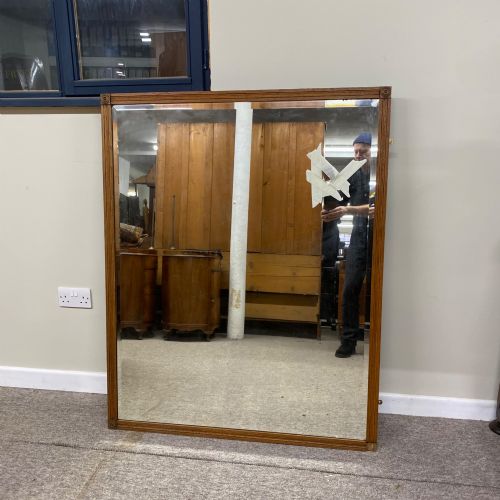
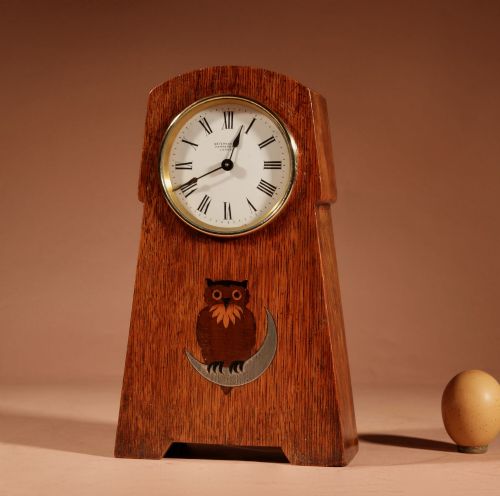
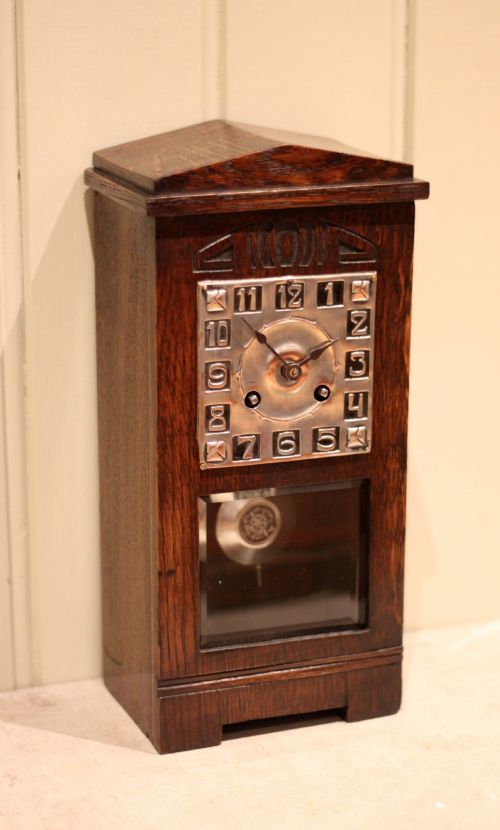
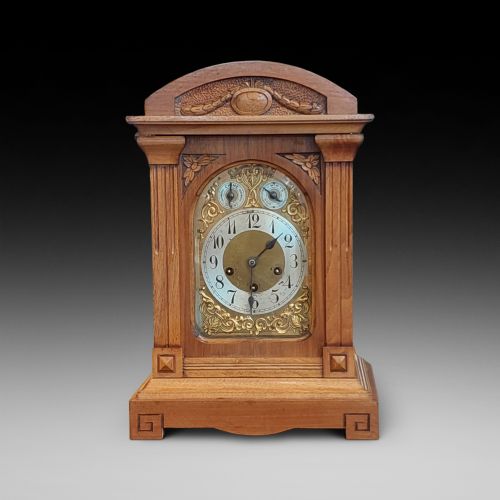
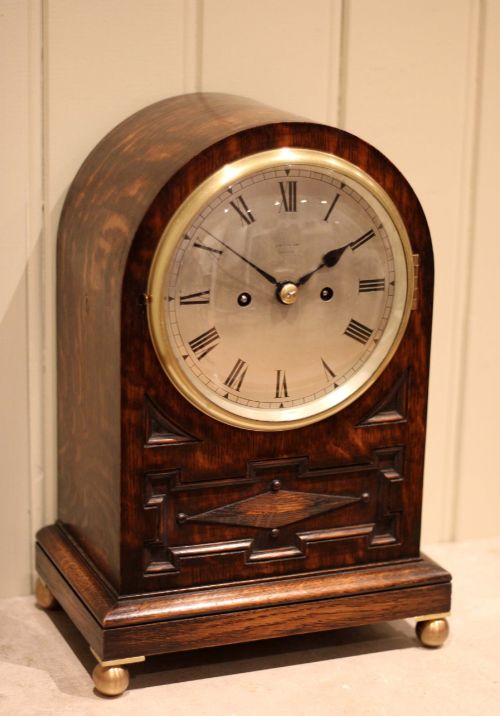
When you search for an Edwardian oak mantel, you encounter a practical domestic object, most frequently realised as a clock or a mirror designed to sit atop a fireplace or desk. The pieces available span mantel clocks, bracket clocks, fire surrounds, and overmantel mirrors produced around the turn of the twentieth century.
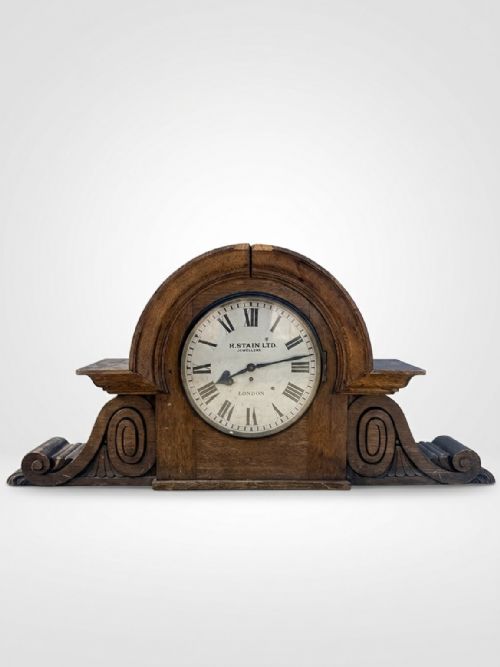
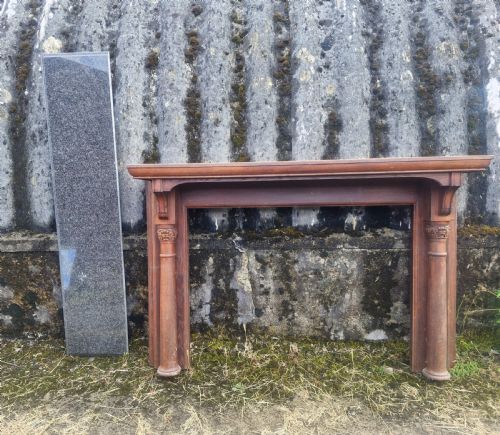
The dominant forms lean towards solid oak cases, often housing mechanical movements or framing glass, with styles drawing upon Arts and Crafts, Art Nouveau, and revival aesthetics. You are likely to find architectural desk clocks, inlaid balloon clocks, and heavy timber fire surrounds fitted with granite tops.
Origins stretch from British workshops to continental makers, capturing a period when domestic interiors favoured substantial wooden furnishings. These items served both a functional timekeeping or reflective purpose and a decorative role in the period home.
Materials and construction
Construction relies heavily on solid oak and carved wood, frequently combined with brass dials, bezels, and fittings. Glass protects the clock faces and mirror plates, while occasional details incorporate silvered metal, enamel, or contrasting walnut timbers.
Techniques range from hand-carved ornamentation and stylistic inlay work to architectural joinery seen in fire surrounds and bracket clock cases. Movements within the timepieces utilise brass gear trains, eight-day striking mechanisms, and fusee or ting-tang configurations.
Edwardian Oak Mantel Retail Price Guide 2026
Typical asking prices for edwardian oak mantel among the pieces listed under this phrase on Sellingantiques today, from the lower quarter to the upper quarter. They describe what is for sale here now, not the wider market.
The inventory records architectural desk clocks, heavy fire surrounds, and multi-glass bracket clocks from the Edwardian era.
Judging quality
Quality separates objects by the depth and crispness of the hand-carving and the integrity of the timber selection. Golden or dark oak pieces with balanced proportions and integrated inlay demonstrate superior craftsmanship compared to plainer, mass-produced alternatives.
The sophistication of the mechanical movement inside a clock casing alters its standing, with signed components and complex chiming mechanisms elevating the piece. Architectural detailing, such as original granite inserts in surrounds or four-glass panel construction, marks out finer examples.
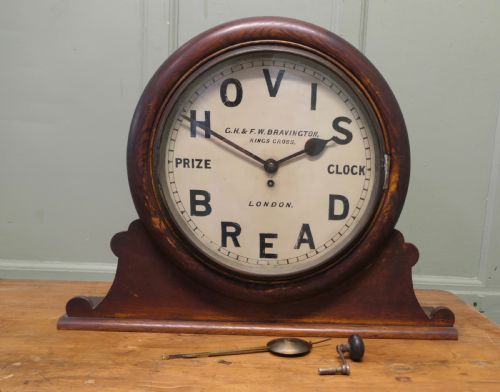
G.H. & F.W. Bravington London·Jas Whitelaw of Edinburgh
The Edwardian Oak Mantel Glossary
- Bracket clock
- A portable clock originally designed to sit on a wall bracket or mantel shelf. These frequently feature brass carrying handles and glazed side panels.
- Fusee
- A conical pulley mechanism inside a clock that equalises the driving force of the mainspring as it unwinds. This ensures consistent timekeeping power across the duration of the run.
- Overmantel mirror
- A large looking glass specifically proportioned to hang on the wall directly above a fireplace mantel. They often incorporate heavy carved wooden frames.
- Ting-tang
- A two-hammer striking mechanism that sounds on two different bells or gongs to mark the quarters. It produces a distinctive dual tone.
- Arts and Crafts
- A design movement prioritising traditional craftsmanship and visible hand-carved detail over industrial uniformity. It heavily influences the decoration of these wooden pieces.
Edwardian Oak Mantel: Frequently Asked Questions
What is an Edwardian oak mantel clock?
An Edwardian oak mantel clock is a portable timekeeper housed in a wooden case made from oak, produced during the early twentieth century.
These clocks typically sat on fireplace shelves or desks, combining mechanical striking movements with decorative timber exteriors.
How do I style a wooden fire surround?
A wooden fire surround creates a focal point in a room, often framing an existing hearth or acting as a decorative architectural feature.
You can place mirrors or clocks on the mantel shelf above to balance the heavy timber construction of the surround.
How do I identify Arts and Crafts influence?
Arts and Crafts influence appears in hand-carved wooden details and a focus on natural timber grains rather than heavy applied ornamentation.
These pieces value visible craftsmanship and structural honesty over mass-produced symmetry.
Where were bracket clocks placed?
Bracket clocks were historically placed on wall-mounted shelves to allow their sound to carry, though later they sat directly on mantelpieces.
Their glazed panels and brass handles allowed owners to view the mechanical movement from multiple angles.