
Edwardian Oak Display
When looking for an edwardian oak display, you seek timber cabinets and vitrines that showcase objects with period charm.
Edwardian Oak Display
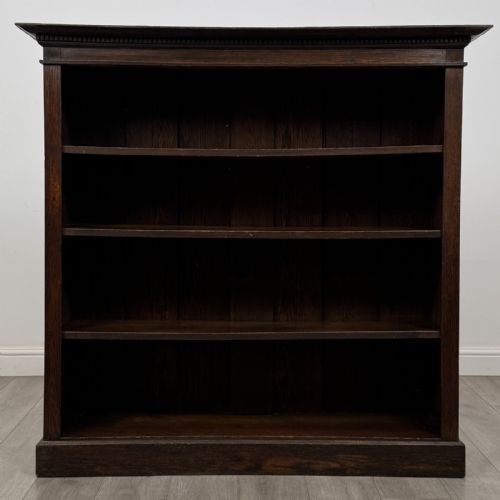
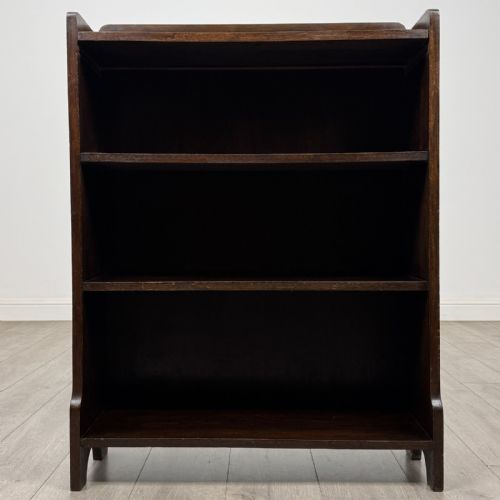
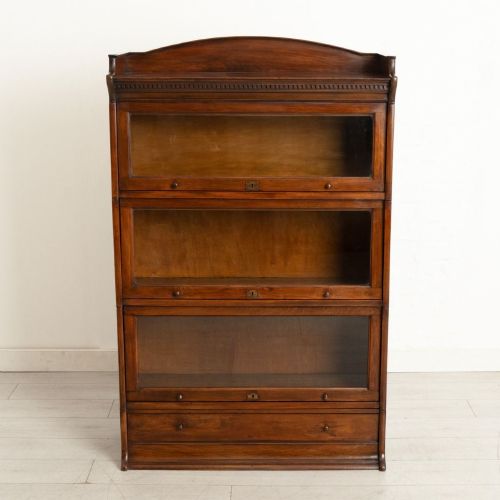
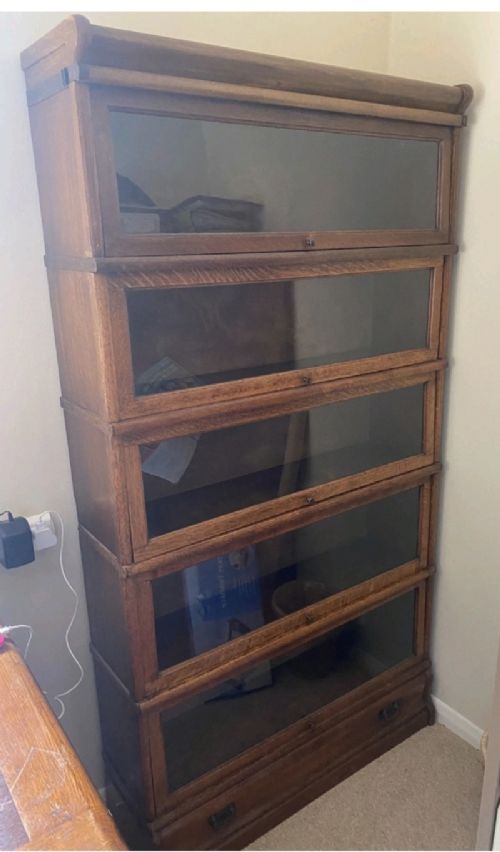
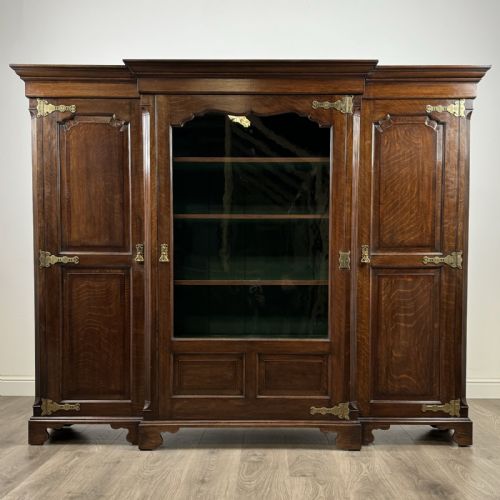
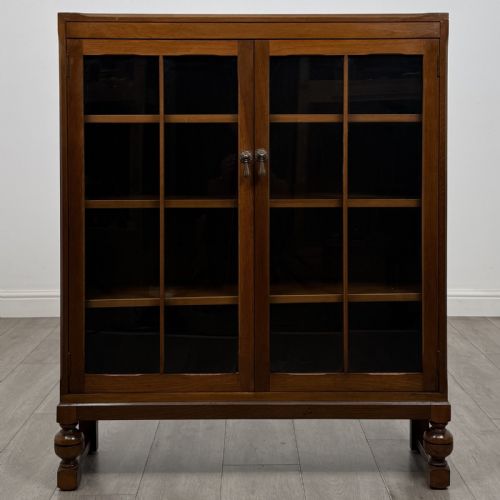
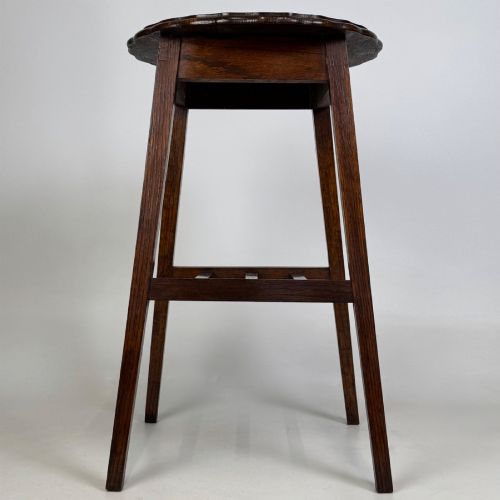
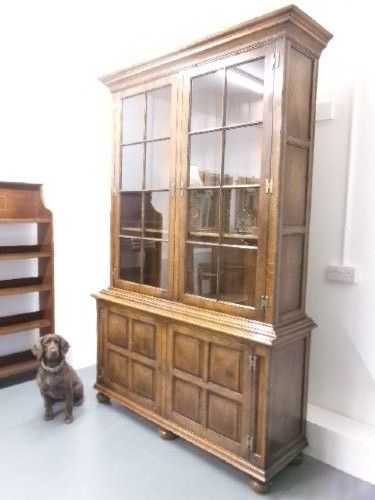
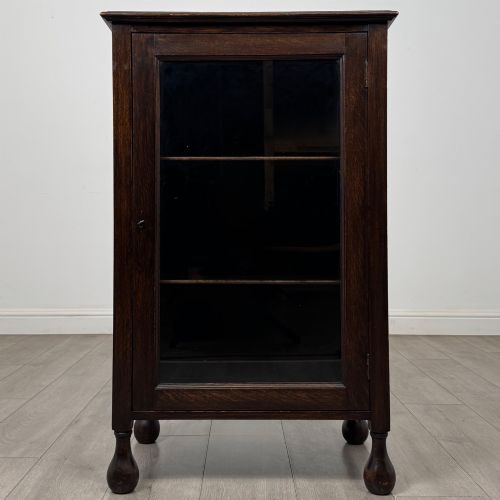
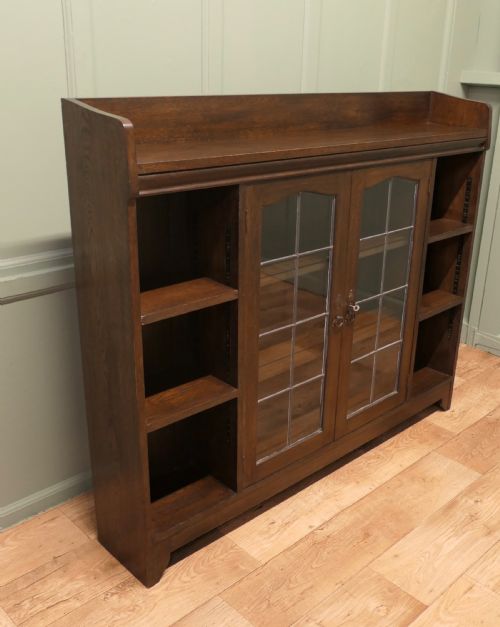
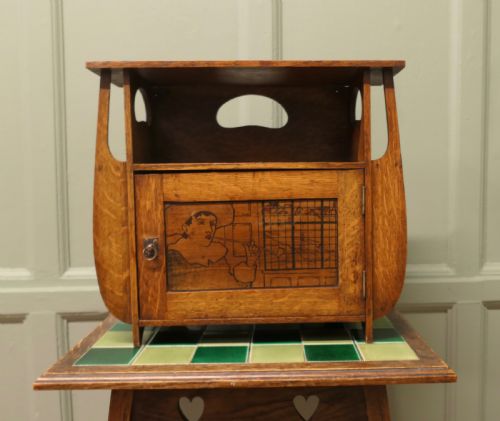
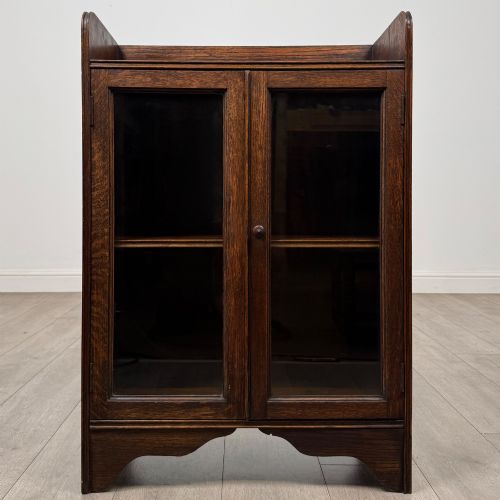
An edwardian oak display encompasses glazed cabinets, shop showcases, and bookcases designed to present and protect valued possessions. You will frequently encounter domestic display cases alongside pieces originating from retail spaces and libraries.
The selection ranges from tall freestanding vitrines to countertop cases and wall-mounted frames. These items reflect the domestic and commercial storage needs of the early twentieth century.
Makers utilised sturdy timbers to construct pieces that balance utility with decorative craftsmanship, often incorporating glass panels for optimal visibility.
Materials and Technique
Cabinet makers relied predominantly on solid oak and golden oak, sometimes pairing the timber with glass, brass hardware, and mirrored backs. Construction methods prioritised durability, utilising panelled doors, pegged joints, and adjustable shelving.
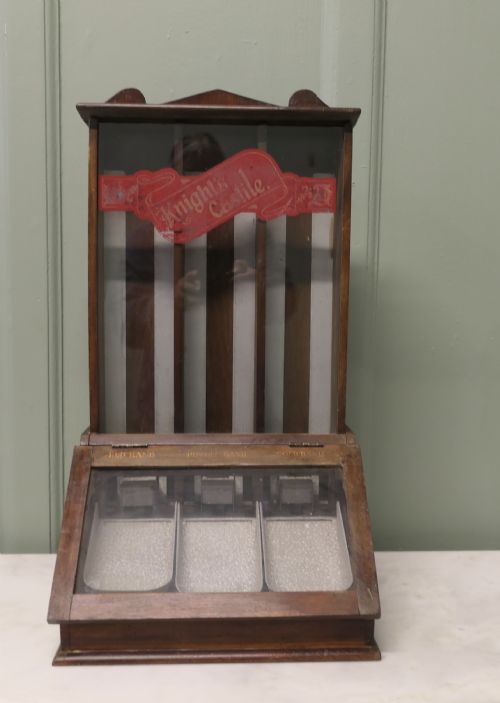
Retail display pieces often featured leaded glass or large single-pane viewing areas designed to attract the eye. Details such as carved mouldings and inlaid decoration surface across Arts and Crafts and revival styles.
Certain shop displays once housed Fry's Chocolate and cigars before finding new life in modern homes.
Defining Quality
Superior examples distinguish themselves through the choice of quarter-sawn oak, which displays prominent medullary rays, and the clarity of the original glass. Finer pieces demonstrate precise joinery and well-balanced proportions rather than heavy ornamentation.
The integrity of the original hardware, working locks, and intact mirror glass or leaded cames separate standard utility pieces from workshop masterworks.
F. Sage and Co·G.H. and F.W. Bravington London
The Edwardian Oak Display Glossary
- Vitrine
- A glass-fronted cabinet specifically designed for displaying fine objects or curiosities. These cases protect contents from dust while offering all-round visibility.
- Quarter-sawn oak
- Timber cut radially to the growth rings, producing a distinctive figure known as silver grain. This cut resists warping and was favoured by Arts and Crafts makers.
- Leaded glass
- Individual panes of glass held together by lead cames within a window or cabinet door. It provides structural support and decorative geometric patterns.
- Bijouterie table
- A shallow display table with a glazed top designed for small collectables and jewellery. These pieces typically stand on slender legs.
- Medullary rays
- Natural ribbon-like cellular structures in oak that become visible when the timber is quarter-sawn. They appear as shimmering flecks across the surface.
Edwardian Oak Display: Frequently Asked Questions
Where were these cabinets used?
Many pieces served in domestic drawing rooms and libraries to showcase books and china. Others originated in commercial settings like jewellers, milliners, and general stores.
Shop vitrines and countertop display cases were specifically built to attract customer attention to small retail goods. Domestic bookcases often doubled as display units through glazed upper sections.
How do I care for the timber?
Oak benefits from consistent indoor humidity and protection from direct sunlight to prevent timber movement and fading. Regular dusting with a dry cloth maintains the finish.
Avoid silicone-based polishes which build up over time. Traditional wax feeds the grain and preserves the patina of the wood.
Can shelves be adjusted?
Numerous bookcases and display cabinets feature adjustable wooden shelves supported by wooden ratchets or metal track systems. This allows the interior height to accommodate varied objects.
Fixed shelving remains common in older or simpler workshop builds where structural rigidity took priority over versatility.
What defines the Arts and Crafts influence?
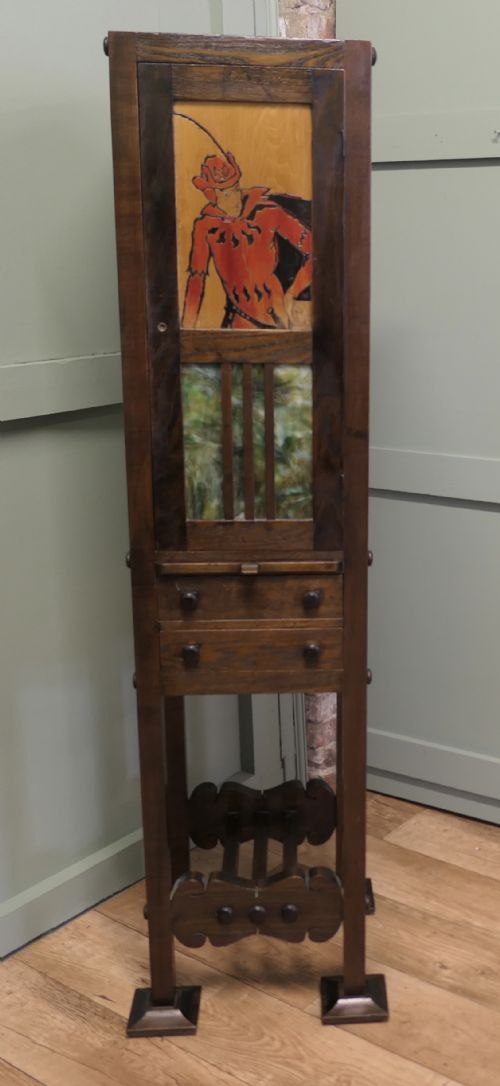
Arts and Crafts pieces emphasise visible construction methods, honest materials, and minimal machine intervention. Decoration relies on the natural grain of the oak rather than heavy applied carving.
Hardware is typically forged from brass or iron, complementing the sturdy timber frames. This aesthetic values simplicity and utility above revivalist grandeur.