

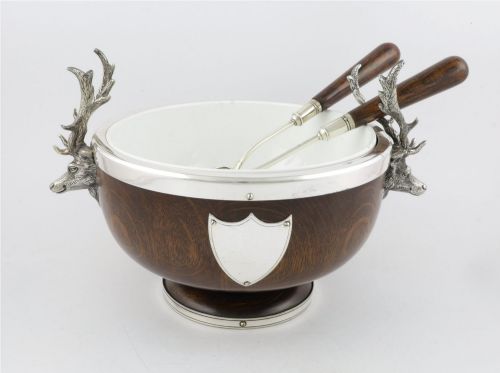
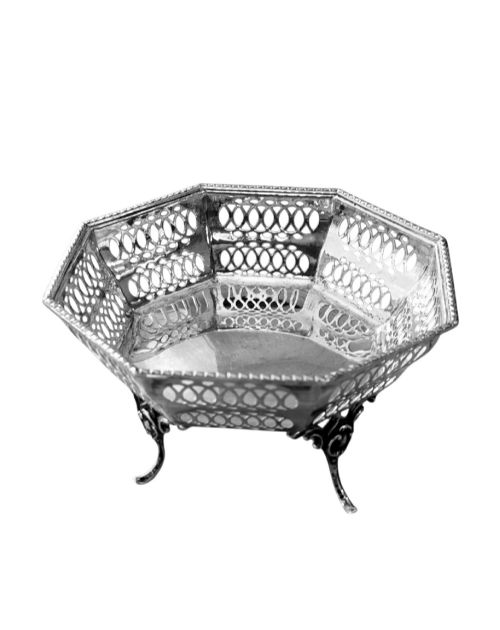
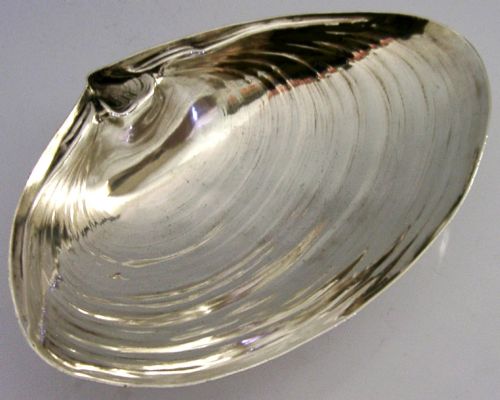
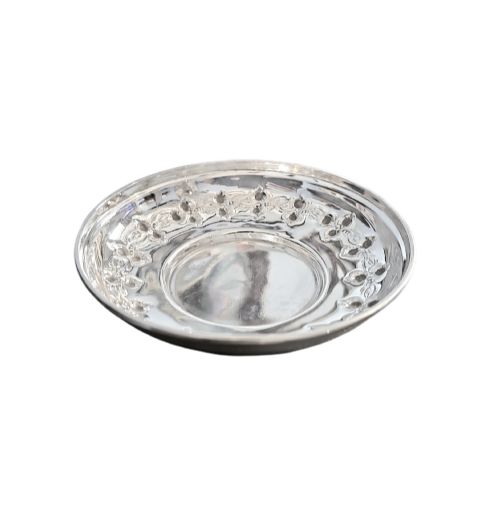


Edwardian Nut Dish
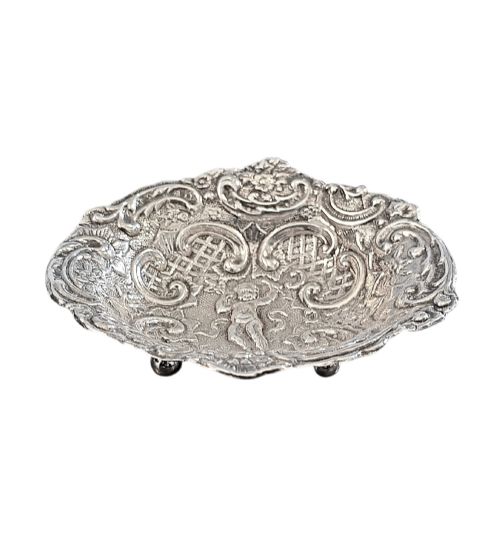
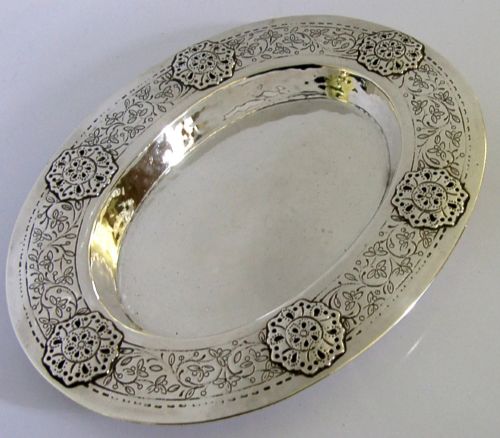
An edwardian nut dish brings refined proportion and functional elegance to the table, usually taking the form of a small silver or plated bowl designed for sweetmeats and nuts.
Edwardian Nut Dish
When you search for an edwardian nut dish, you encounter small serving vessels and bonbon dishes created around the turn of the twentieth century. These pieces predominantly span the Edwardian and late Victorian periods, alongside occasional examples reaching into the 1930s and 1940s.
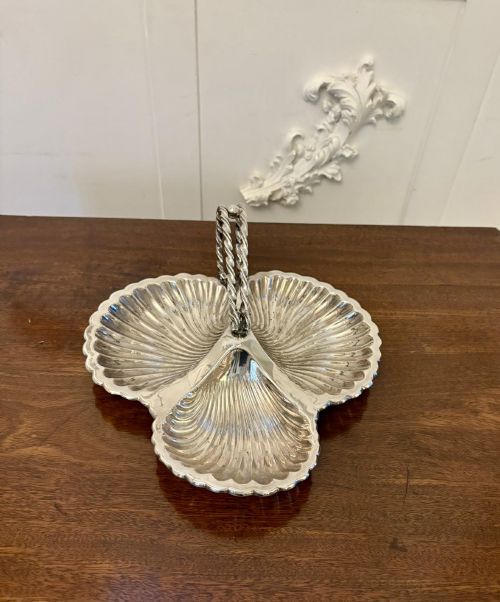
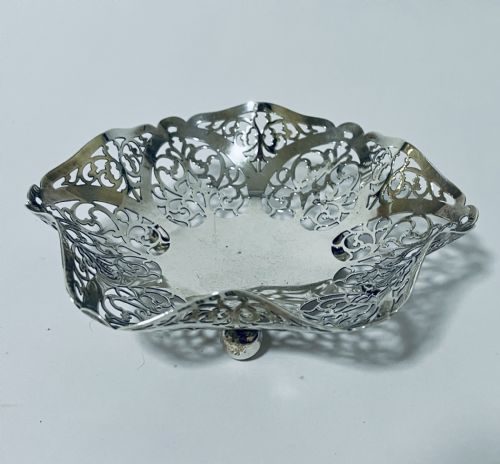
The forms vary from simple decorative bowls and trinket dishes to naturalistic seashell shapes and leaf designs. Many items function equally well as bonbon dishes, sweet dishes, or small serving trays for the dining table.
Origin points encompass English provincial assay offices such as Birmingham and Sheffield, alongside Scottish and American workshops. You will also find plated alternatives by notable makers that match the domestic scale of the period.
Materials and construction
Sterling silver and silver plate dominate the construction, often paired with cut glass for sweet dishes or lined with velvet and satin. Workshops utilised electroplated nickel silver as a durable alternative to solid metal for larger serving dishes.
Silver items frequently bear hallmarks indicating regional assay offices and specific years of production around the nineteen-hundreds. Decorative techniques include pierced metalwork, repoussé relief, and organic forms styled after nature or the Arts and Crafts movement.
Edwardian Nut Dish Retail Price Guide 2026
Typical asking prices for edwardian nut dish among the pieces listed under this phrase on Sellingantiques today, from the lower quarter to the upper quarter. They describe what is for sale here now, not the wider market.
What separates the best from the rest
The distinction lies in the weight of the metal, the crispness of the chasing, and the integrity of any applied decoration or handles. Thicker gauge silver retains its structural form and delicate piercing far better through decades of use and cleaning.
Maker attribution elevates certain examples, particularly those bearing the marks of established silversmiths or retailers like Liberty and Co and Mappin and Webb. Original cases and unblemished cut-glass inserts also alter the overall desirability of a piece.
Synyer & Beddoes·Wallace·William Aitken·Thomas Bradbury & Sons·Mappin & Webb·Liberty & Co
The Edwardian Nut Dish Glossary
- Bonbon dish
- A small, decorative container designed specifically to hold sweets or confections on a table or sideboard. These often feature pierced work or raised footed bases.
- Hallmark
- An official stamp applied to precious metals indicating the standard of purity, the assay office, and the year of manufacture. British silver typically shows a series of small stamped symbols.
- Repoussé
- A metalworking technique where the artisan hammers the design from the reverse side to form a raised pattern on the front. This method was widely used in Edwardian and Arts and Crafts silver.
- Electroplated nickel silver
- A base metal alloy coated with a layer of pure silver through an electrolytic process. It provided an affordable option for domestic tableware that mimicked solid silver.
- Sterling silver
- An alloy consisting of ninety-two point five percent silver and seven point five percent other metals, usually copper. This standard composition guarantees durability while maintaining a bright metallic lustre.
Edwardian Nut Dish: Frequently Asked Questions
What is an Edwardian nut dish used for?
These small vessels were originally placed on dining tables or sideboards to hold shelled nuts, dried fruits, or small confections during formal meals.
Today, they function well as decorative desk accessories, ring holders, or small serving dishes for modern gatherings.
How do I clean antique silver dishes?
Use a soft cloth and a specialised silver polish designed to remove tarnish without abrading the metal surface or delicate pierced details.
Avoid harsh chemical dips that can strip the natural patina and damage any velvet or satin linings present in the piece.
Are silver plated dishes less valuable than solid silver?
Silver plated items generally hold lower monetary value than sterling silver pieces because the base metal is less precious.
However, exceptional craftsmanship by prominent makers can make plated pieces highly collectible and desirable.