


Edwardian Natural Pearl Pendant
An edwardian natural pearl pendant captures the delicate, luminous grace of early twentieth-century jewellery design through organic gems and intricate precious metals.
Edwardian Natural Pearl Pendant
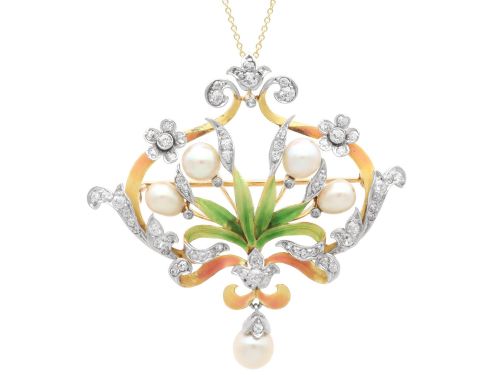
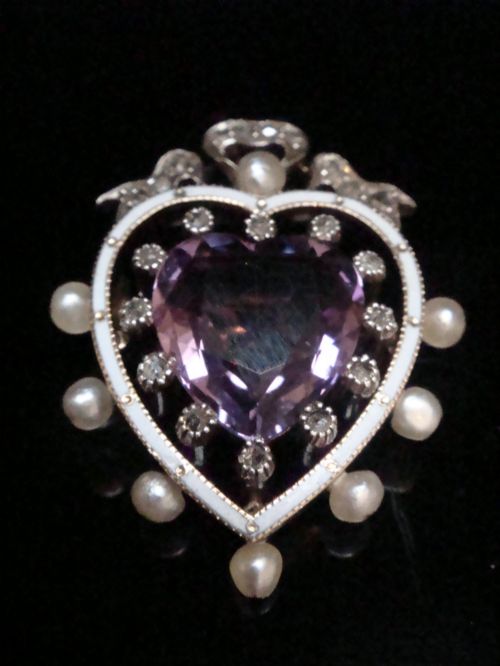
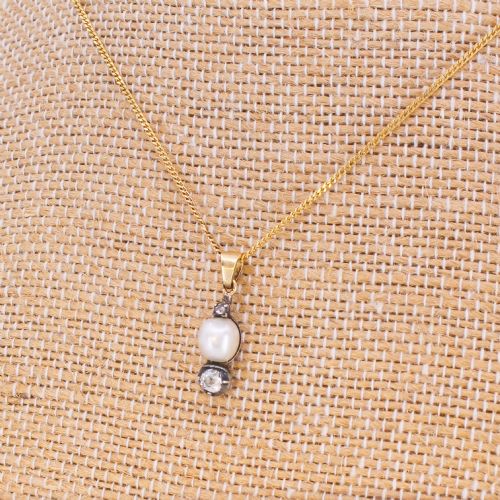
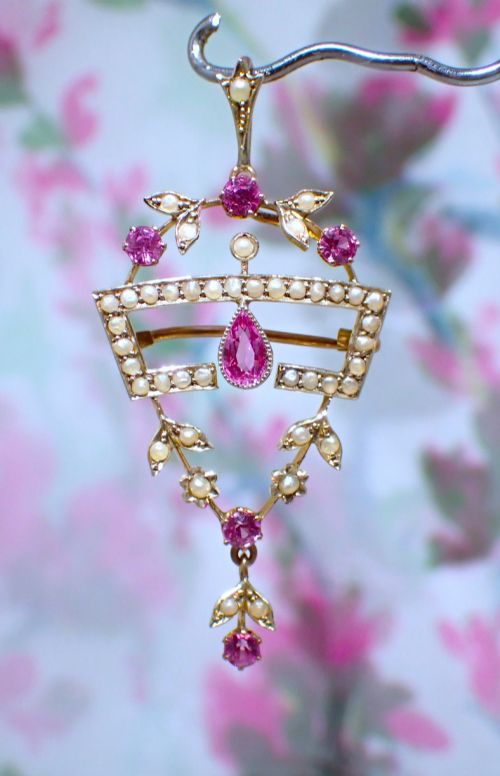
When you search for an edwardian natural pearl pendant, you encounter delicate drop pieces and convertible brooch combinations created during the early twentieth century. These ornaments often incorporate motifs such as hearts, bows, snakes, and lavaliere configurations suspended from fine chains.
The materials paired with these organic gems reflect the transition from rich yellow gold towards bright white platinum settings. Listings frequently feature diamonds, opals, rubies, tourmalines, and moonstones alongside seed pearls and certified saltwater pearls.
While many examples originate precisely from the Edwardian era, related pieces from the Victorian and Art Deco periods appear regularly in the selection. These crossover styles share a distinct lightness and intricate openwork metal structure designed to catch the light.
Materials and construction
Goldsmiths utilised varied purities of yellow gold alongside platinum to mount stones securely while maintaining visual lightness. Metalwork frequently includes fine wirework, collet settings, and guilloche enamel to frame the central gems.
Pearls are integrated alongside brilliant-cut and rose-cut diamonds, often complemented by coloured stones like rubies, opals, and tourmalines. Construction techniques allowed many of these items to function as both pendants and brooches.
Several pieces double as covert brooches, ready to abandon the necklace chain at a moment's notice.
Judging quality and craftsmanship
Superior examples demonstrate meticulous metalwork, particularly in delicate pierced platinum settings and precise enamel application. The integration of certified natural saltwater pearls alongside substantial diamonds elevates certain pieces significantly above simpler seed pearl designs.
The harmony of the design and the condition of fragile components, such as enamel surfaces and original convertible fittings, determine the overall calibre of a piece. Finer items preserve their structural integrity while maintaining the airy delicacy characteristic of the period.
The Edwardian Natural Pearl Pendant Glossary
- Natural pearl
- A pearl formed organically in a mollusc without human intervention. These gems display distinct orient and irregular organic contours.
- Guilloche enamel
- Decorative enamel applied over a mechanically engraved metal background. This technique produces translucent patterns that catch light beneath the coloured glass.
- Lavaliere
- A pendant necklace featuring a central dangling drop stone or ornament. This style gained immense popularity during the Edwardian period.
- Rose-cut diamond
- A vintage diamond cut featuring a flat base and a domed crown with triangular facets. This historic cut creates a soft, subtle lustre rather than intense modern brilliance.
- Saltwater pearl
- A pearl harvested from molluscs living in marine environments. These specimens often exhibit superior lustre and durability compared to freshwater varieties.
Edwardian Natural Pearl Pendant: Frequently Asked Questions
How do I wear a convertible pendant brooch?
Many Edwardian pieces feature a concealed pin and a removable bail on the reverse. This allows the ornament to function securely as a brooch on heavy fabrics or hang as a necklace from a fine gold or platinum chain.
When converting the piece, ensure the safety catch on the pin fastens properly and check that the suspension loop is fully closed before wearing it around the neck.
Are these pearls certified?
Certain pieces include laboratory certification confirming the organic origin of the saltwater pearls. Listings specify whether a piece possesses such documentation.
Uncertified examples rely on period characteristics and expert examination to distinguish natural saltwater or freshwater pearls from cultured or imitation alternatives.
What metals were used in this era?
Jewellery from this timeframe utilises varied purities of yellow gold alongside the emerging preference for platinum. Platinum allowed artisans to create remarkably fine, strong settings that secured diamonds with minimal visible metal.
Fifteen-carat and eighteen-carat yellow gold remain common in earlier and transitional designs, frequently paired with platinum tops to highlight white stones.
How should I care for natural pearl jewellery?
Natural pearls are organic gems that require gentle handling and protection from harsh chemicals, cosmetics, and perfumes. Wipe them softly with a clean, damp cloth after wearing and store them separately to avoid scratching.
Avoid immersing antique gold and platinum settings with enamel or backed stones in liquid jewellery cleaners, as moisture can damage delicate foils and enamelled surfaces.