



Edwardian Mother of Pearl Box
An Edwardian mother of pearl box brings iridescent charm to a dressing table, combining lustrous nacre with period metalwork.
Edwardian Mother of Pearl Box
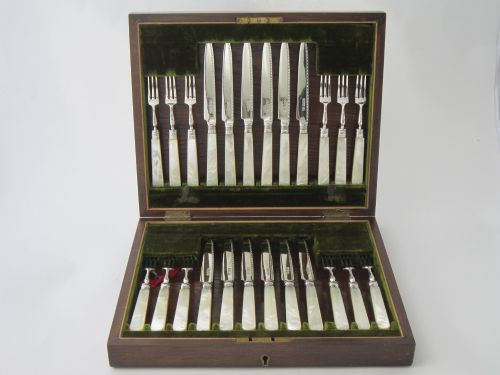
The material appears on varied objects ranging from small pill boxes and ring holders to larger decorative caskets and boxed sets. Many examples integrate shimmering nacre with sterling silver, brass, or fine hardwoods to create visually striking small furniture and desktop items.
Materials and Construction
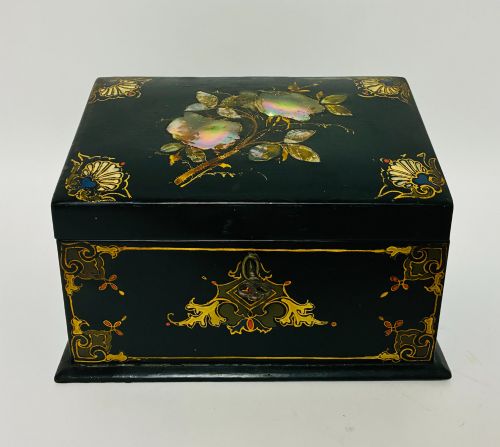
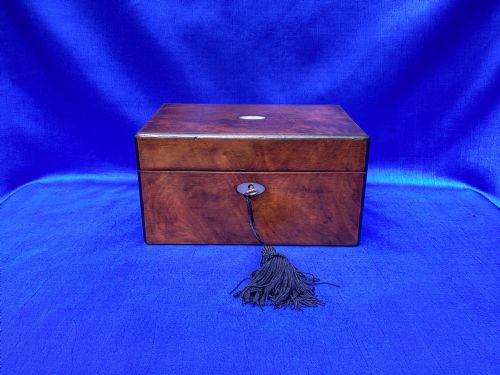
The primary visual component relies on thin, iridescent plates of mother-of-pearl, carefully shaped and fitted to wooden or metal foundations. Artisans combined these shimmering marine layers with contrasting materials such as mahogany, coromandel, brass, and lacquer.
Metal mounts in sterling silver or silver plate often provide structural framing, clasps, and hinges for the lids. Interiors frequently feature velvet or silk linings designed to cushion small valuables and cutlery sets.
Listings feature items spanning the Victorian, Edwardian, and George V periods, incorporating mother-of-pearl, mahogany, coromandel, and silver plate.
Assessing Quality and Craftsmanship
Quality depends heavily on the precision of the nacre inlay and the integrity of the underlying structure. Finer pieces demonstrate tight joints, secure metal mounts, and well-preserved interior linings without tears or staining.
The complexity of the metalwork, whether simple brass hinges or intricate sterling silver frames, distinguishes standard utility pieces from higher grade decorative items. Surviving original fitted cases and intact structural elements also elevate the overall standard of a piece.
Edwards
The Edwardian Mother of Pearl Box Glossary
- Mother-of-Pearl
- The iridescent inner layer of mollusc shells, valued for its shimmering play of light and smooth texture. It is cut into thin plaques and used for decorative inlay on boxes and cutlery.
- Coromandel
- A dense, dark timber featuring striking contrasting grain patterns, frequently utilised for nineteenth-century vanity and sewing boxes. This imported hardwood provides exceptional durability and weight.
- Papier-mâché
- A composite material made from paper pulp or layers of paper bound with adhesive, then lacquered and painted. It forms a smooth, dark surface suited to Victorian stationery and jewellery cabinets.
- Trinket Box
- A small container designed for storing rings, brooches, and other personal ornaments. These vessels often feature plush interior linings of velvet or silk.
- Sterling Silver
- An alloy consisting of ninety-two point five percent silver by mass, utilised for mounts, bezels, and structural hardware on fine boxes.
Edwardian Mother of Pearl Box: Frequently Asked Questions
What are Edwardian mother of pearl boxes made from?
These boxes combine thin sections of iridescent nacre with structural elements of hardwood, brass, or silver. Interiors are typically lined with velvet or silk.
Makers utilised these varied materials to produce small desktop containers, ring holders, and decorative caskets.
How do I care for mother of pearl?
Clean the surface gently with a soft, dry cloth to remove dust and preserve the natural sheen of the nacre. Avoid harsh chemical cleaners and excessive moisture.
Keep the boxes away from direct sunlight to protect both the iridescent shell inlay and any delicate fabric interiors.
Are these boxes lined with velvet?
Many surviving examples feature fitted velvet or silk linings designed to protect jewellery and small metallic items. These textiles add a tactile layer of refinement to the interior.
Some utilitarian boxes or cutlery sets retain alternative fitted wooden or paper bases depending on their original purpose.
How can I tell an Edwardian box from a Victorian one?
Edwardian pieces often display lighter design sensibilities and specific hallmarks when combined with silver mounts. Victorian examples frequently lean towards heavier dark hardwoods and elaborate papier-mâché.
Examining the metal stamps, wood types, and construction styles helps distinguish between the overlapping nineteenth and twentieth-century periods.