

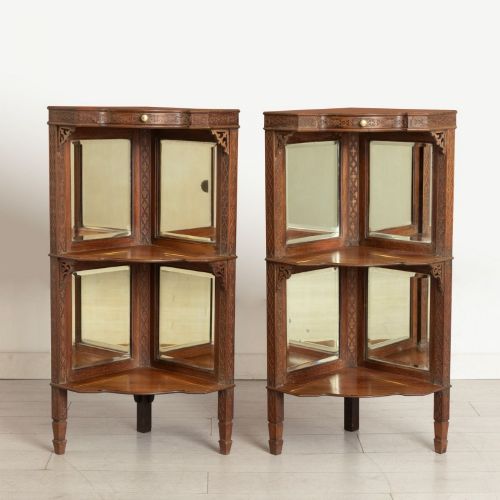
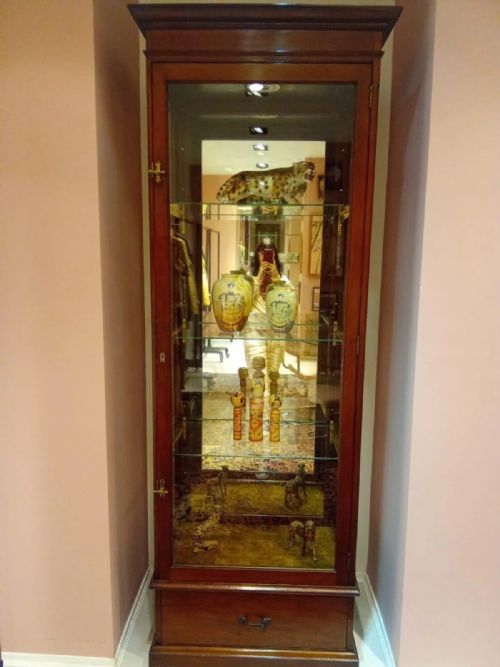
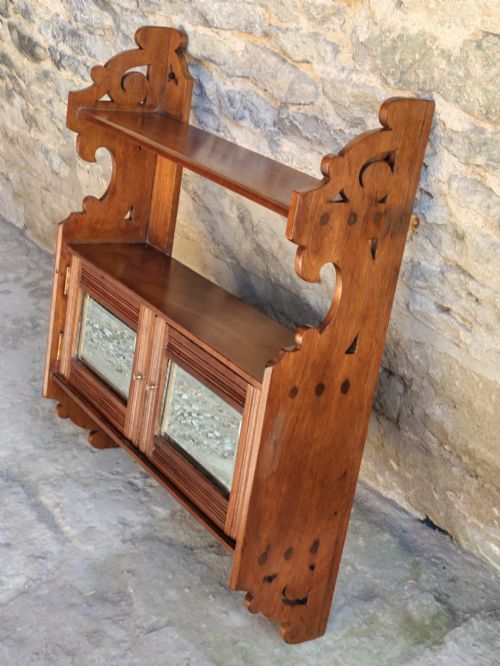


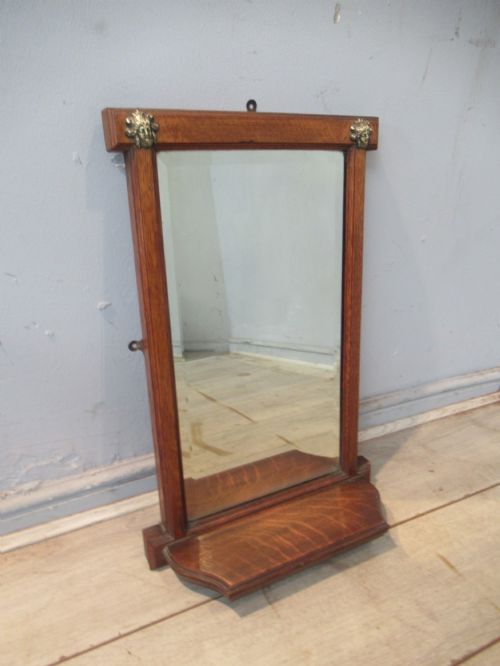


Edwardian Mirror with Shelf
An Edwardian mirror with shelf is a practical domestic fixture combining glass and timber, offering a convenient ledge for daily essentials.
Edwardian Mirror with Shelf
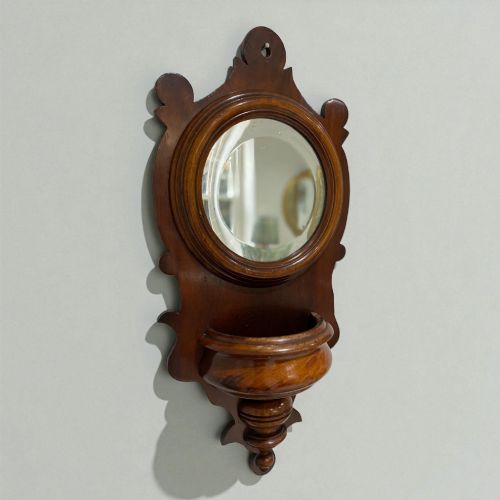
An Edwardian mirror with shelf brings together reflective glass and a functional wooden ledge, designed for hallways, bedrooms, and cloakrooms to hold small items before leaving the house. These pieces range from compact wall-hanging fixtures to larger overmantel designs, accommodating various domestic spaces.
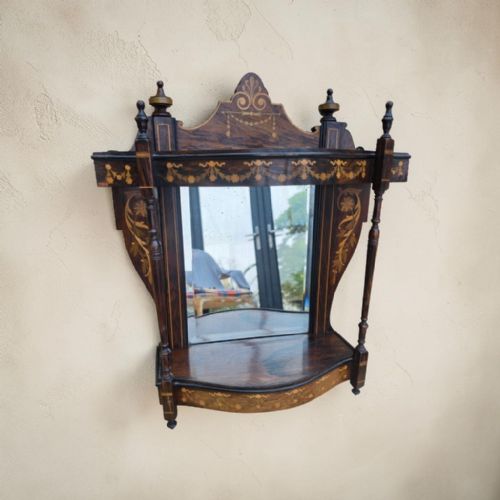
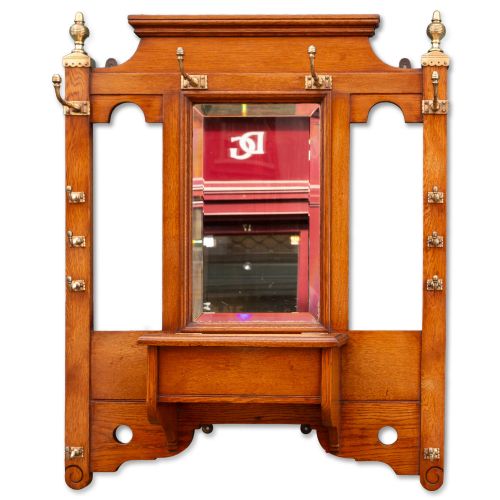
The version most commonly met on this page is the wall-hanging mahogany or oak frame featuring a small display or utility shelf beneath the glass. Walnut and bamboo frames also appear, occasionally decorated with boxwood inlay or brass fittings to enhance the surface appearance.
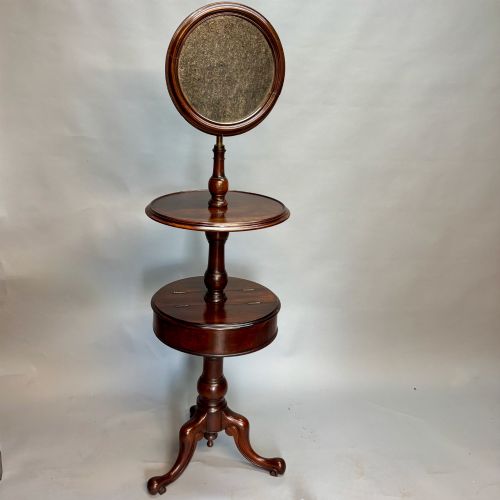
While the primary period association is Edwardian, pieces of this type cross over into late Victorian and early twentieth-century dates, spanning the years from eighteen eighty through to nineteen twenty. Object types stretch from simple hall mirrors to shaving stands and overmantels incorporating similar shelf arrangements.
Materials and construction
Timbers such as mahogany, oak, and walnut form the structural frames and shelves, providing stability for the mounted glass. Workshops utilised boxwood inlay to create decorative banding and contrasting details on the timber surfaces.
Brass fittings and mirror glass complete the construction, with brass frequently utilised for coat hooks, hanging brackets, or small structural supports attached to the wooden shelves.
Edwardian Mirror with Shelf Retail Price Guide 2026
Typical asking prices for edwardian mirror with shelf among the pieces listed under this phrase on Sellingantiques today, from the lower quarter to the upper quarter. They describe what is for sale here now, not the wider market.
Listings span periods from eighteen eighty to nineteen twenty, featuring timber frames in mahogany, oak, and walnut alongside glass and brass.
Assessing quality and finish
Quality in an Edwardian mirror with shelf rests on the selection of timber and the precision of the joinery connecting the shelf to the main frame. Solid mahogany or figured walnut with clean boxwood inlay indicates a higher standard of workshop production than simpler stained softwood alternatives.
The integration of the shelf reveals the maker's attention to structural detail, where sturdy bracket supports and secure plate glass retention separate finer pieces from basic utility items.
The Edwardian Mirror with Shelf Glossary
- Boxwood inlay
- A decorative technique where thin strips of pale boxwood are inserted into recesses cut into darker woods like mahogany or walnut. This creates sharp, contrasting geometric or floral patterns.
- Overmantel mirror
- A large mirror designed specifically to hang on the wall directly above a fireplace mantelpiece. These often incorporate architectural mouldings and integral shelves for display.
- Shaving stand
- A specialised piece of furniture featuring an adjustable or fixed mirror combined with small shelves or drawers for grooming equipment. They date across Victorian and Edwardian periods.
- Neoclassical
- A style drawing inspiration from classical antiquity, featuring symmetrical lines, urns, and restrained ornamentation. It appears on giltwood and timber frames from the nineteenth century.
Edwardian Mirror with Shelf: Frequently Asked Questions
Where should I hang an Edwardian mirror with shelf?
These pieces suit entrance halls, reception rooms, and bedrooms where the lower ledge offers a practical spot for small items.
Ensure the wall fixings match the weight of the timber frame and glass before mounting.
How do I clean the wooden frame?
Dust the timber regularly with a soft, dry cloth to prevent a buildup of grime on the polished surface.
Avoid using harsh chemical sprays that can strip the original finish from mahogany, oak, or walnut.
What is the shelf used for?
The integrated ledge serves as a convenient place for small daily items like keys, combs, or letters.
Heavier objects should be avoided to prevent strain on the wooden brackets supporting the ledge.
How can I tell the period?
Dating relies on examining the timber types, construction methods, and decorative motifs such as boxwood inlay.
Edwardian pieces often display lighter woods and simpler lines compared to heavier Victorian examples.