

Edwardian Mirror Stand
An Edwardian mirror stand combines functional glass with domestic utility, offering a practical addition to any hall or dressing room.
Edwardian Mirror Stand
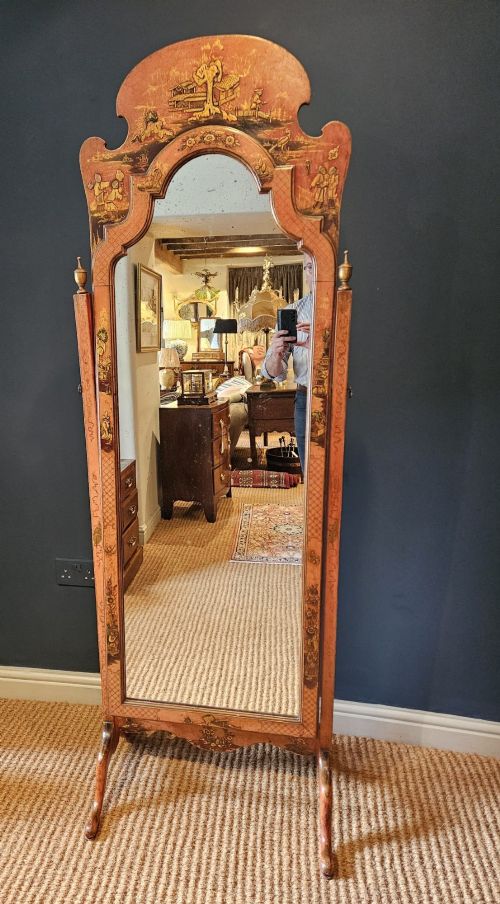
When you search for an edwardian mirror stand, you encounter a variety of domestic furnishings designed around reflective glass and functional framing. These items span periods from the Victorian era into the early twentieth century, incorporating styles such as Arts and Crafts, Art Nouveau, and Chinoiserie.
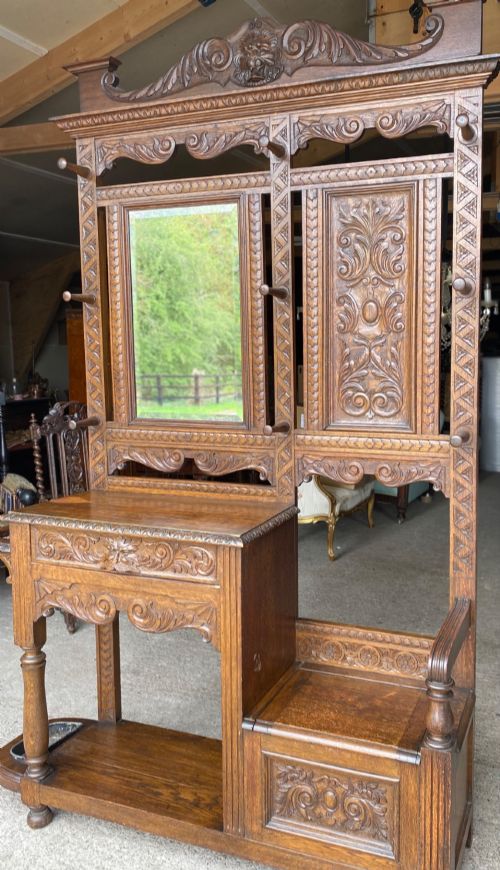
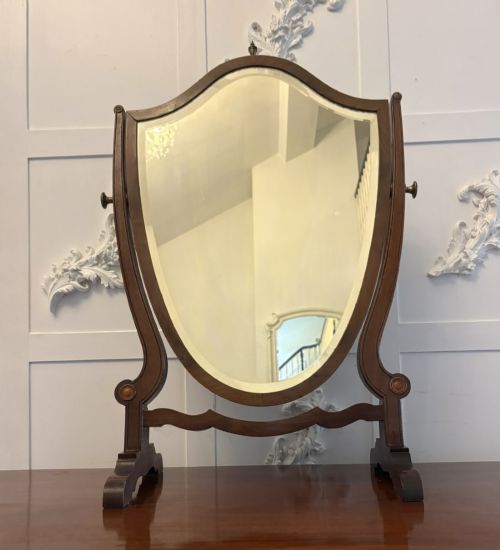
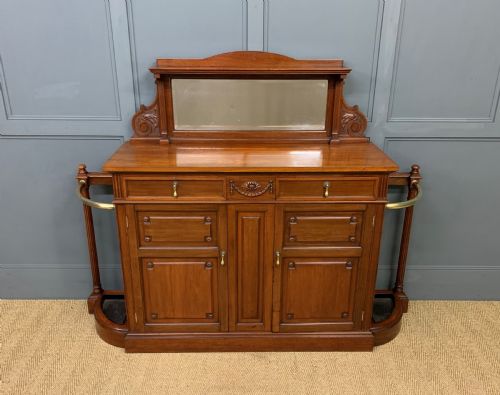
Floor standing mirrors and smaller table or shaving variants appear alongside hall furniture that integrates coat hooks, umbrella holders, and seats. Each form serves a specific domestic purpose, whether for grooming or receiving visitors at the entrance of a house.
How they were made
Cabinet makers utilised timbers such as mahogany, oak, and walnut, often shaping them with carved details or inlaid decorative elements. Brass hardware, including castors, hinges, and coat hooks, complements the wooden frames and provides structural support.
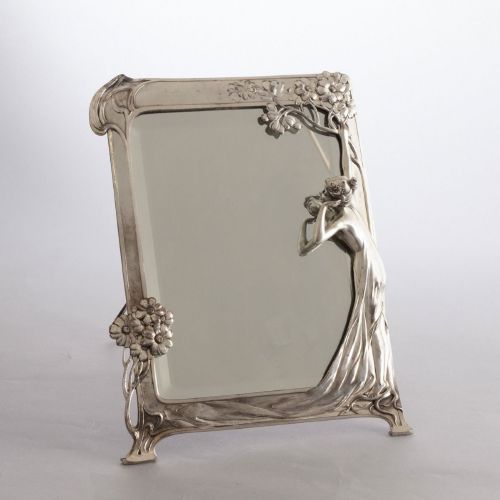
Mirror glass is set within adjustable frames, tilting mechanisms, or fixed backings, supported by materials like cast iron, pewter, or sterling silver in smaller tabletop and strut variants.
Edwardian Mirror Stand Retail Price Guide 2026
Typical asking prices for edwardian mirror stand among the pieces listed under this phrase on Sellingantiques today, from the lower quarter to the upper quarter. They describe what is for sale here now, not the wider market.
Several hall stands incorporate Green Man carvings, watching over coats and umbrellas with leafy expressions.
What varies in quality
Quality in these pieces rests upon the selection of timber and the precision of the cabinet work, from simple joined oak to figured mahogany with inlaid motifs. The integrity of the original mirror plate and the robustness of the supporting brass mechanisms distinguish standard production items from finer workshop pieces.
Carving detail and hardware selection also set examples apart, with substantial timber frames and stamped metalwork indicating higher grade construction.
Shoolbred and Co·Heal and Sons·WMF·Edwards and Roberts·Gillow
The Edwardian Mirror Stand Glossary
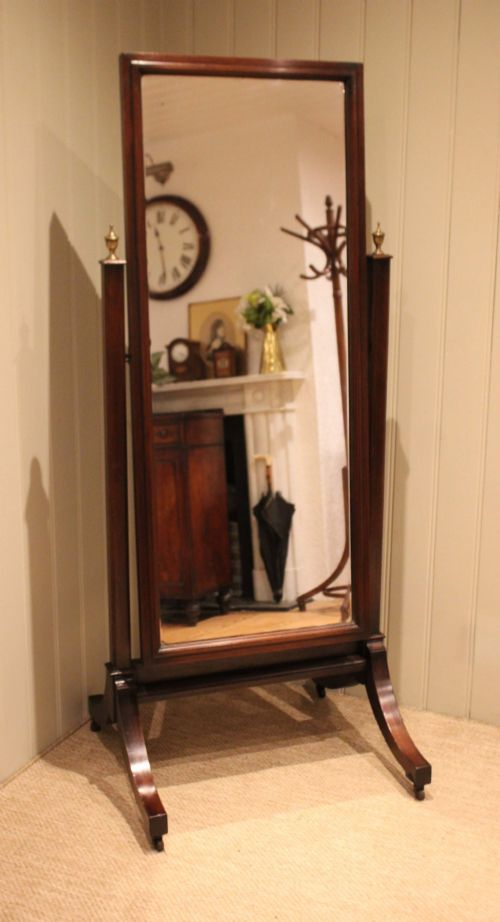
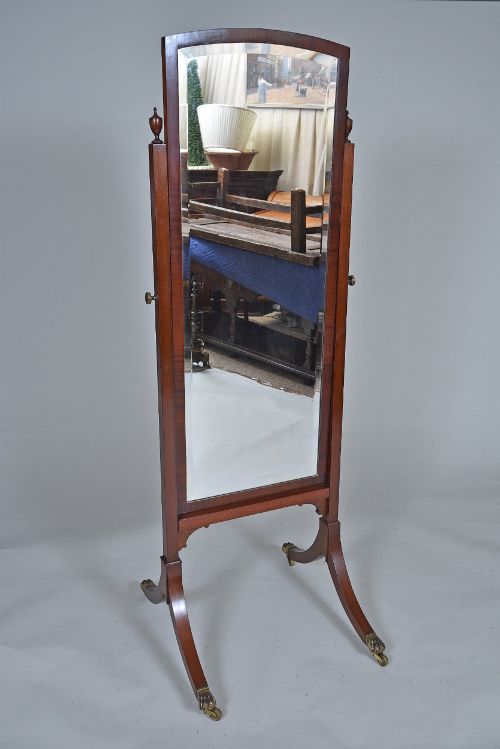
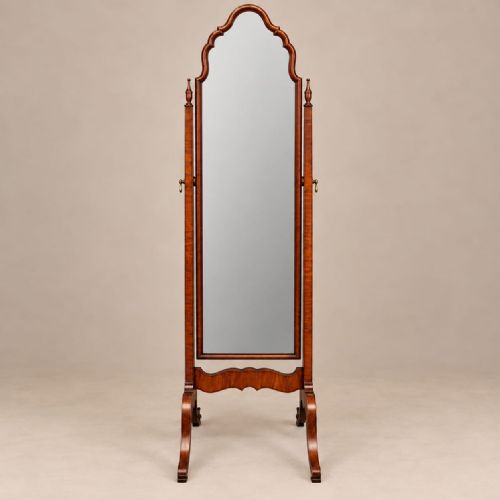
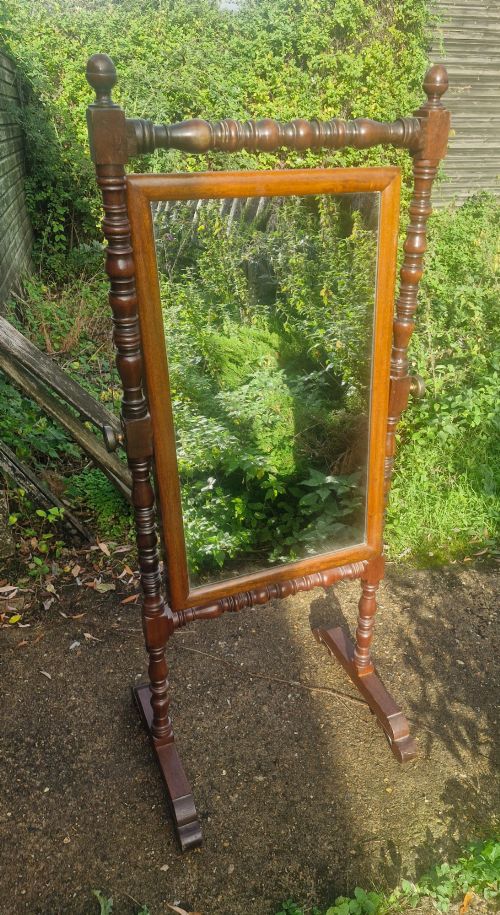
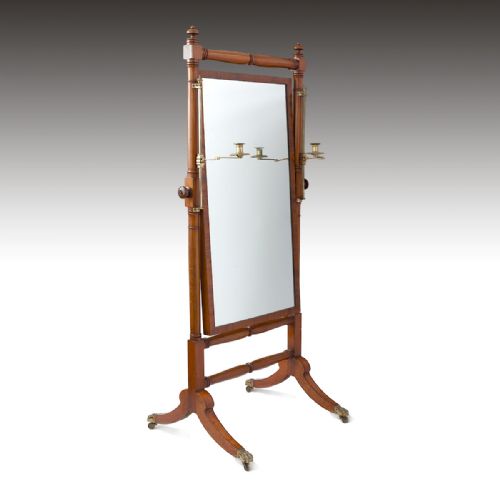
- Cheval mirror
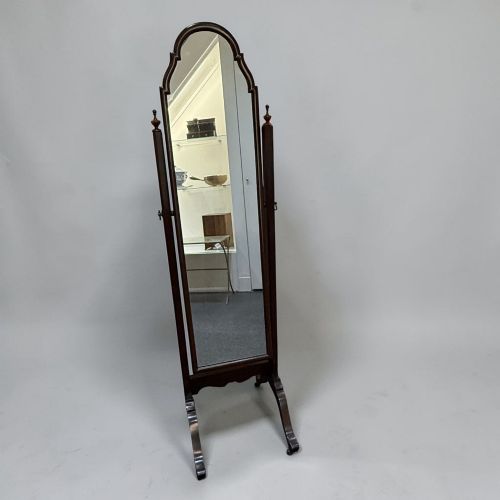
- A freestanding floor mirror suspended on a frame with vertical pivots allowing it to tilt. These tall dressing glasses are typically supported by four legs or a stable base.
- Shaving stand
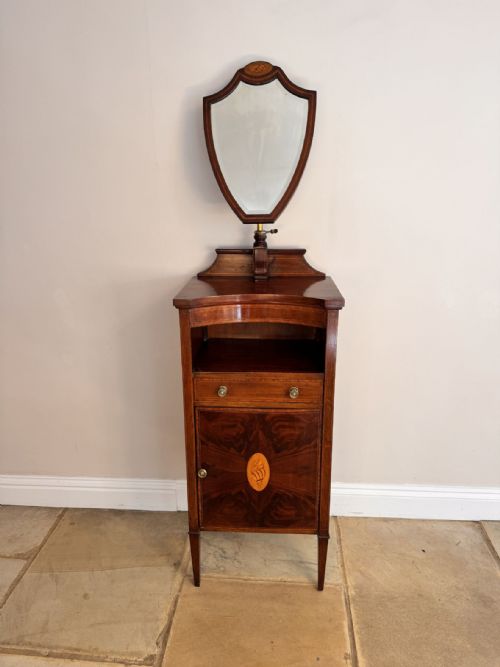
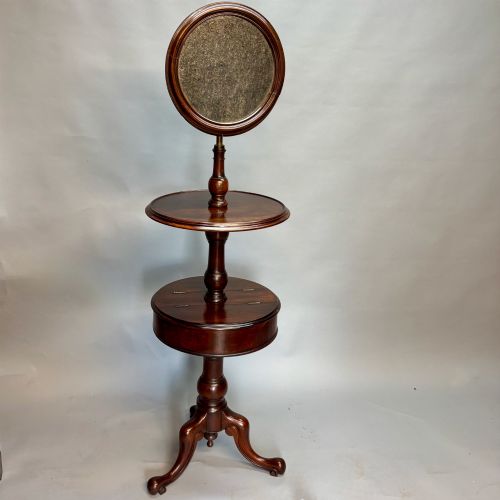
- A specialist piece of furniture featuring an adjustable mirror combined with small surfaces or drawers for grooming equipment. They often stand on tripod bases or cabinet supports.
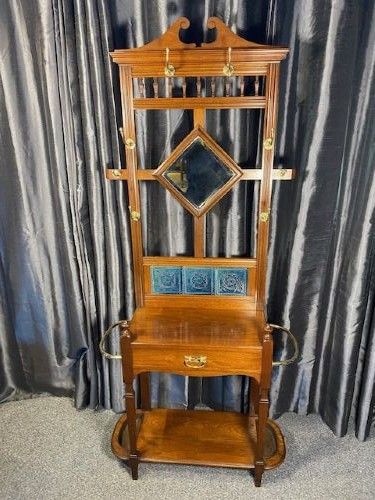
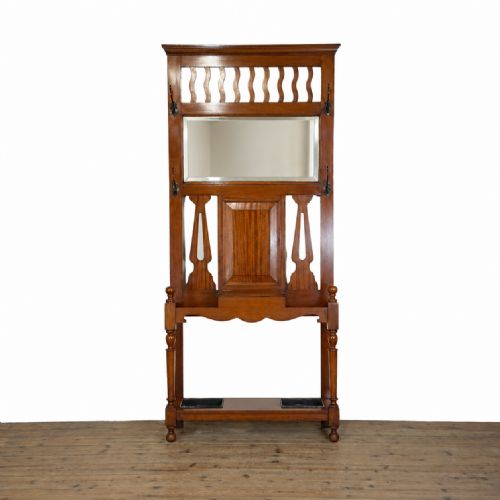
- Hall stand
- A multi-functional item placed in an entrance hallway that integrates a mirror with coat hooks, umbrella wells, and sometimes a seating bench. They appear in oak, mahogany, and bamboo.
- Strut mirror
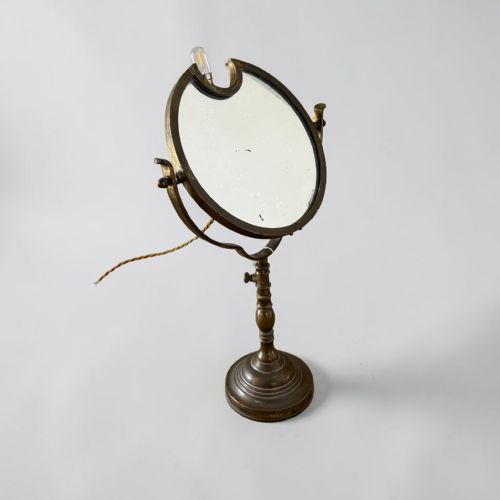
- A smaller table mirror supported by a hinged prop or stand at the back. These portable pieces are frequently executed in silver, brass, or wood.
Edwardian Mirror Stand: Frequently Asked Questions
Where should I place a hall stand?
A hall stand belongs in an entrance hallway where its mirror, coat hooks, and umbrella storage serve daily coming and going.
Position it against a solid wall with adequate clearance for hanging garments and utilising any integrated seat.
How do I adjust a cheval mirror?
Cheval mirrors pivot on side screws or pins set into the upright supports. You can tilt the glass to the desired angle by gently moving the top or bottom of the frame.
Check that the mounting hardware is secure to hold the glass in position.
What is the difference between a dressing mirror and a shaving mirror?
Dressing mirrors are generally larger, designed for vanity tables or as freestanding cheval pieces to view full outfits. Shaving mirrors are smaller, often adjustable in height or angle, and tailored for close-up grooming.
Shaving stands frequently incorporate small surfaces for razors and water basins.
How do I identify Edwardian pieces?
Edwardian items date from the reign of King Edward VII, spanning the first decade of the twentieth century. They often feature lighter timbers, inlaid details, and cleaner lines compared to heavier Victorian predecessors.
Design influences from Arts and Crafts and Art Nouveau also appear during this period.