



Edwardian Metalwork
Edwardian metalwork delivers the hand-hammered surfaces and sinuous organic lines that defined early twentieth-century interiors.
Edwardian Metalwork
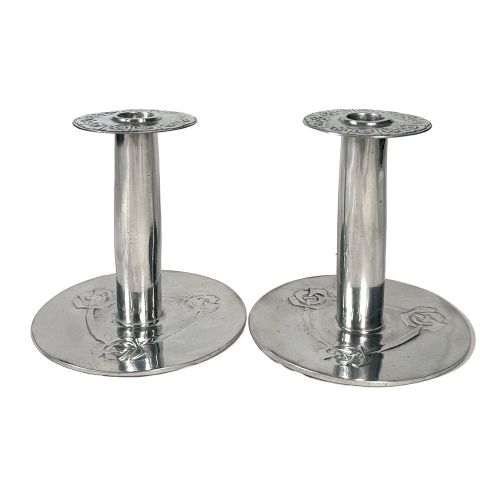
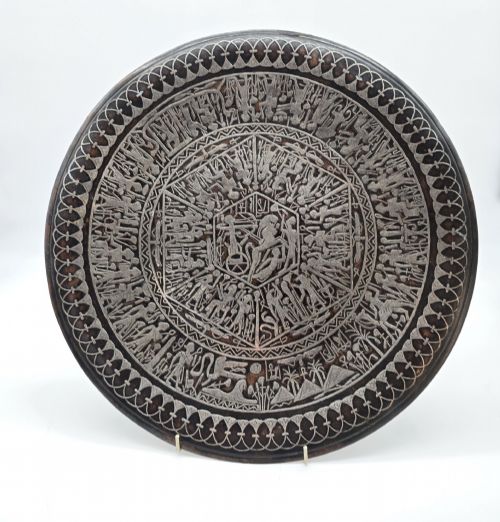
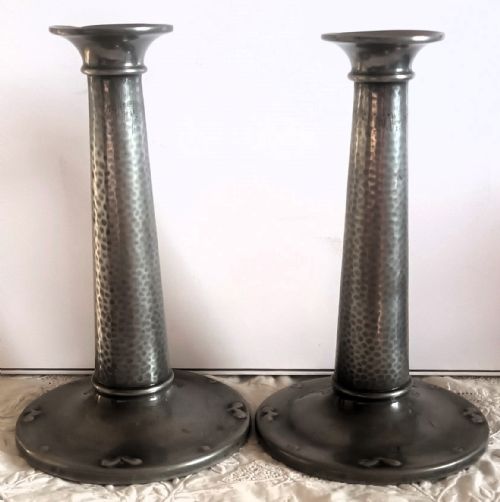
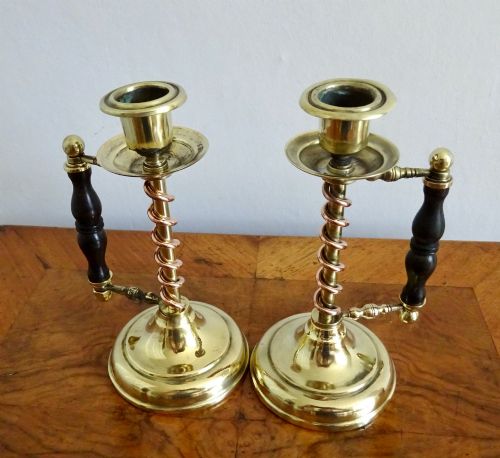
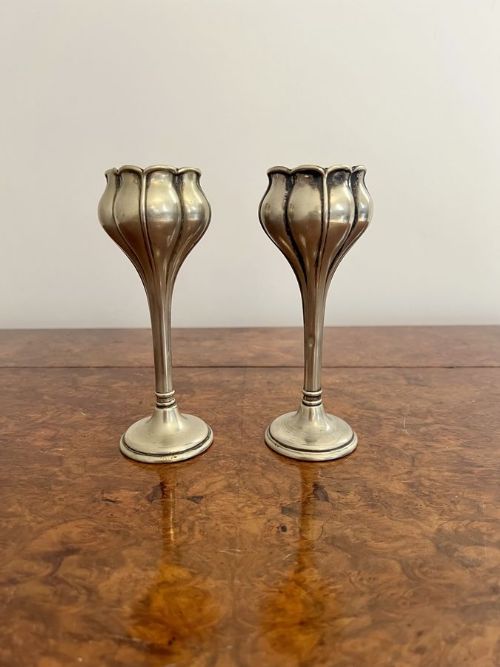
Edwardian metalwork spans domestic items and decorative objects produced around the turn of the twentieth century. These objects include candlesticks, vases, trays, bowls, and wall mirrors shaped by hand.
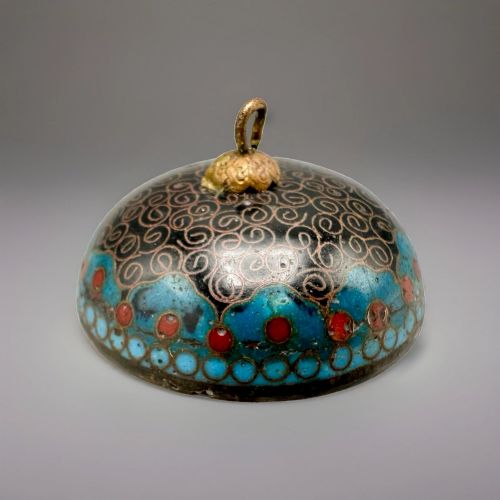
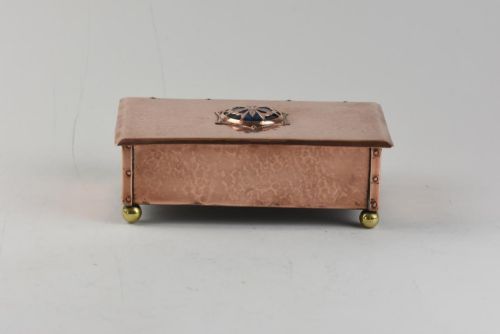
The most common pieces on this page emerge from the Arts and Crafts and Art Nouveau movements. Makers utilised base metals like copper, brass, and pewter, often enriched with enamel cabochons.
Origins stretch from English guilds to continental workshops and Japanese export studios. Buyers select these items to introduce tactile honesty and distinct period character into modern spaces.
How they were made
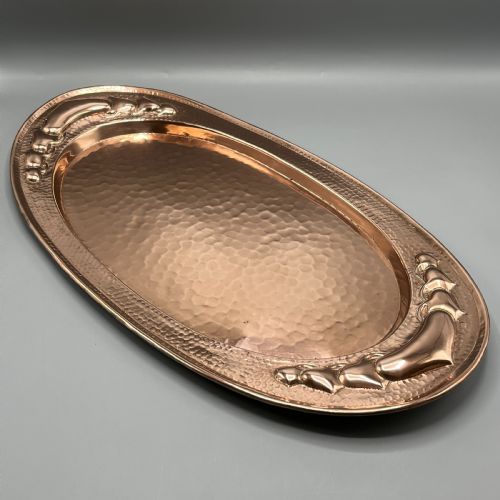
Artisans formed vessels and trays through hand-hammering sheet copper and brass over wooden stakes, leaving visible tool marks across the metal surface. Pewter objects were cast in moulds and subsequently finished by hand.
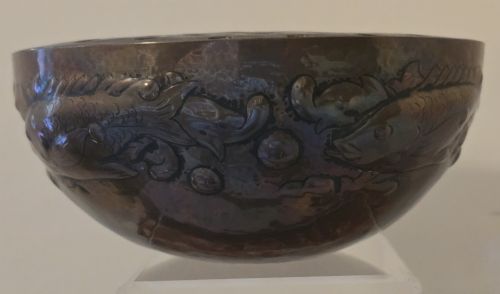
Surface decoration relied on repoussé work, where designs were punched from the reverse to create raised motifs on the front. Enamel cabochons and brass overlays were then riveted or mounted onto the main metal body.
Listings feature items from the Arts and Crafts and Art Nouveau periods, constructed primarily in copper, brass, and pewter.
What varies in quality
Quality depends on the crispness of the hand-hammering and the depth of the repoussé relief work. Pieces with strong tactile definition and balanced proportions separate standard production from superior examples.
The integration of applied elements, such as enamel cabochons or wrought iron mounts, dictates distinction. Stronger items display careful alignment and secure construction without heavy adhesive use.
Liberty and Co·Archibald Knox·Oliver Baker·Hugh Wallis·Kasli Foundry·WMF
The Edwardian Metalwork Glossary
- Repoussé
- A metalworking technique where a design is hammered into relief from the reverse side. This method creates textured, three-dimensional surface patterns on trays and plaques.
- Cabochon
- A polished gemstone or enamel piece cut with a convex, rounded top rather than facets. These are frequently mounted centrally onto copper boxes and bowls.
- Tudric
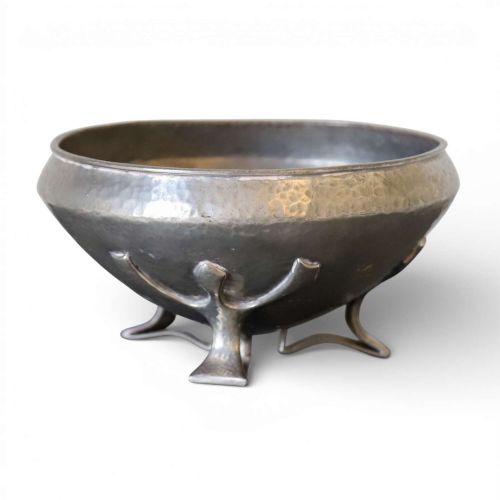
- A brand of pewter alloy utilised by Liberty and Co for domestic metalwork. It was designed to resemble silver while maintaining a darker, understated finish.
- Spill vase
- A small container designed to hold wooden spills used for lighting candles and fires. They appear frequently in brass, copper, and silver-plated metalwork.
- Jardiniere
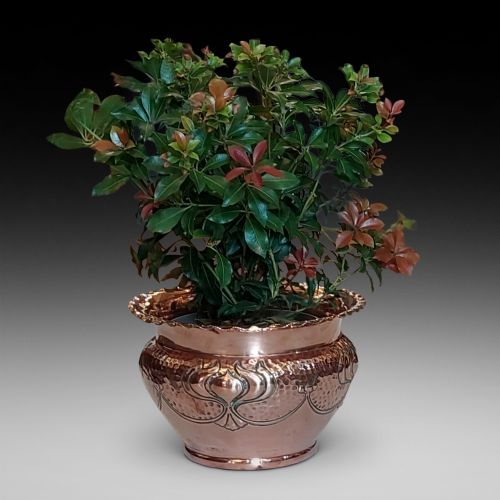
- An ornamental pot or stand designed to hold a plant or floral arrangement. These vessels often feature hammered copper or brass bodies with decorative handles.
Edwardian Metalwork: Frequently Asked Questions
What metals are most common in edwardian metalwork?
Copper, brass, and pewter dominate this category, reflecting the material honesty championed by the Arts and Crafts movement. Silver and bronze also appear on select decorative items and luxury vessels.
These metals were chosen for their malleability and the way their surfaces aged with handling. Unlacquered copper and brass develop rich patinas over decades of exposure to air.
How do I care for antique metalwork?
Dust surfaces gently with a dry, soft cloth to prevent the accumulation of grime within hammered textures. Avoid harsh commercial polishes that strip away historical patina and wear down delicate relief details.
Keep pieces away from high humidity and direct moisture, particularly pewter and iron objects. Wax coatings can protect active copper surfaces if applied sparingly.
How can I distinguish Arts and Crafts from Art Nouveau?
Arts and Crafts metalwork emphasises honest construction, visible hammer marks, and structural utility. Decoration often draws on medieval motifs, Celtic patterns, and stylized flora.
Art Nouveau pieces favor asymmetrical, whiplash lines inspired by organic natural growth. Surfaces lean toward flowing vegetal forms and female profiles rather than geometric construction.
Were these objects made for everyday use?
Many items served practical domestic functions such as lighting rooms, holding flowers, or serving meals. Candlesticks, trays, umbrella stands, and tableware formed standard parts of daily household management.
Simultaneously, objects like wall plaques, decorative chargers, and bronze shrines were purely ornamental. They were displayed to showcase artistic taste and support contemporary design reform.