



Edwardian Metalwork Art
Edwardian metalwork art brings domestic utility into the aesthetic sphere through hand-hammered surfaces and organic motifs.
Edwardian Metalwork Art
When searching for edwardian metalwork art, collectors encounter vessels, lighting, and wall pieces rooted in the Arts and Crafts and Art Nouveau movements. These objects emerge from workshops across Britain and continental Europe during the late nineteenth and early twentieth centuries.
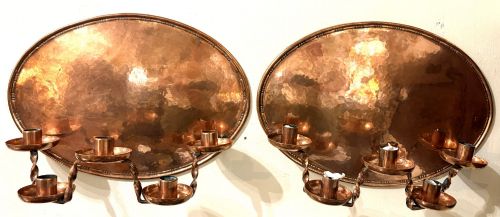
Candlesticks, trays, jugs, and planters dominate the selection, frequently displaying the influence of regional guilds and commercial manufacturers. Copper and pewter appear most commonly as the foundational materials for domestic items.
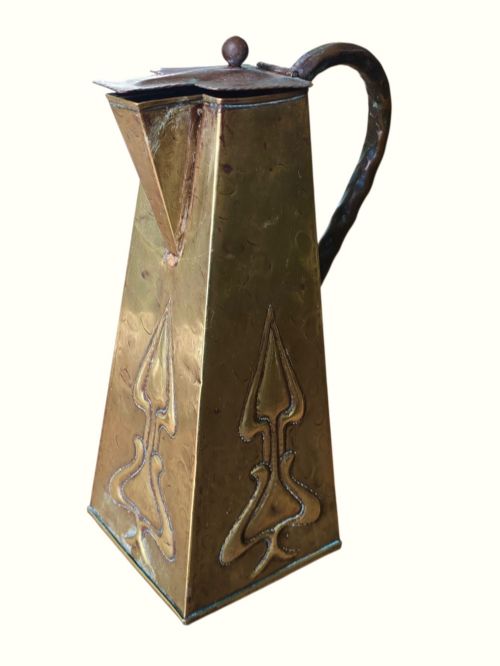
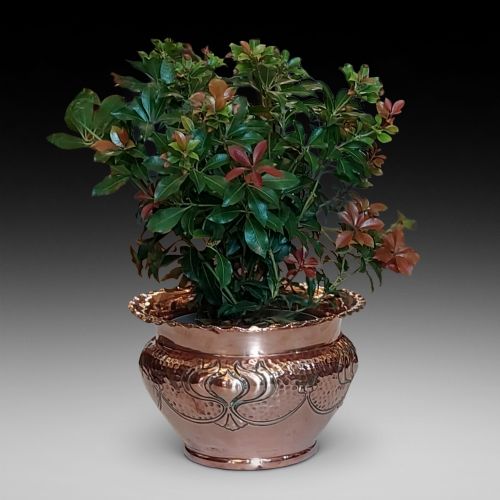
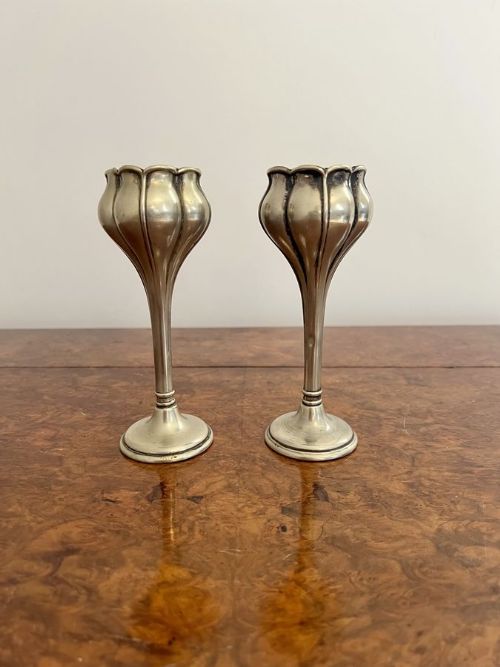
The aesthetic bridges utilitarian function with decorative ambition, incorporating fluid lines and hammered textures that reflect contemporary design reform. Pieces range from simple domestic receptacles to ambitious architectural mirrors and standard lamps.
Materials and Technique
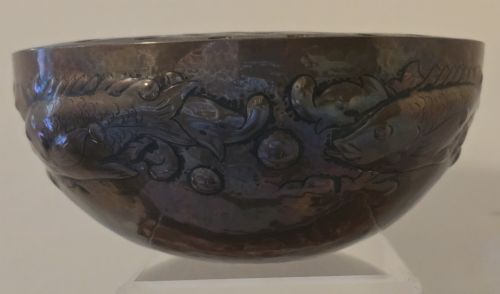
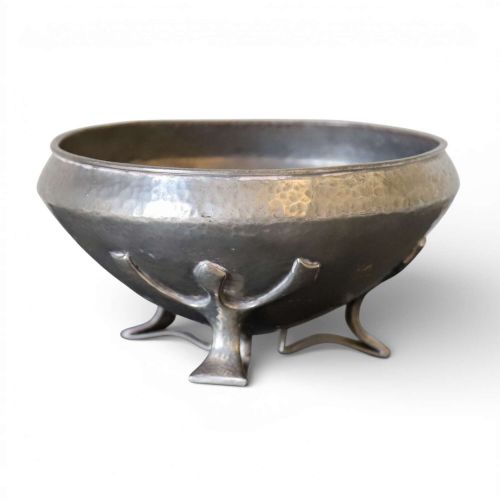
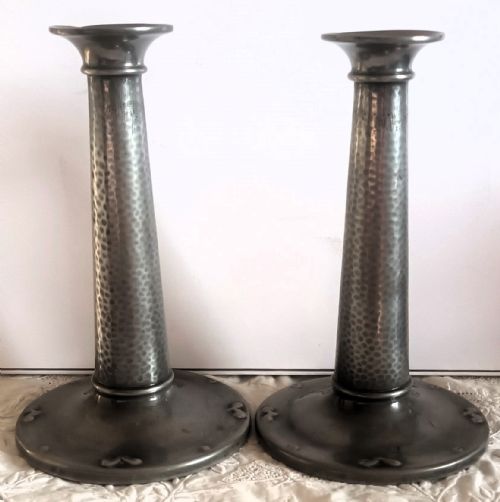
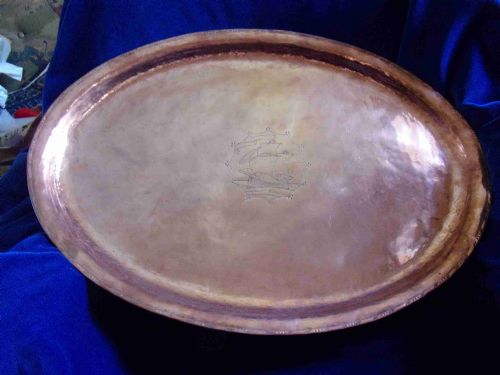
Artisans shape sheet copper, brass, and pewter by hand, employing hammers to raise bowls, trays, and vases from flat metal disks. This process leaves visible tool marks across the surface, recording the physical labour of the maker.
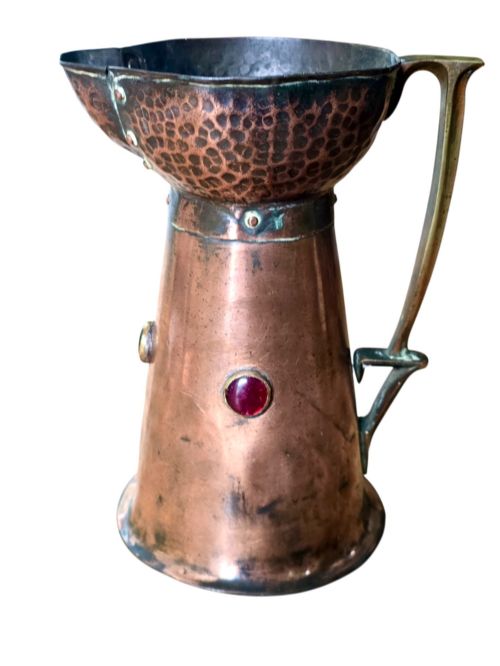
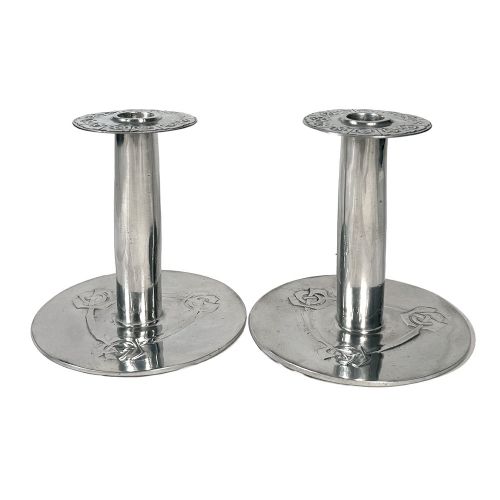
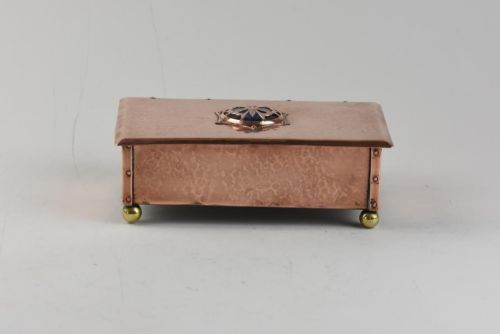
Workshops integrate coloured glass, enamel cabochons, and wrought iron into the metallic frames to create contrast and visual depth. Pewter compositions allow for complex cast forms, while silver plating and patination finish the exterior surfaces.
Edwardian Metalwork Art Retail Price Guide 2026
Typical asking prices for edwardian metalwork art among the pieces listed under this phrase on Sellingantiques today, from the lower quarter to the upper quarter. They describe what is for sale here now, not the wider market.
Some copper boxes double as faux Gladstone bags for your desk.
Distinctions in Standard
Superior examples demonstrate confident hammer control and balanced proportions, where relief work exhibits deliberate depth rather than shallow stamping. The integration of decorative elements like enamel cabochons or overlaid metals reveals the designer's intent and execution skill.
Attribution to documented designers or reputable guilds elevates an object beyond standard commercial production. The crispness of chased details and the integrity of patination distinguish workshop pieces from later reproductions.
William Soutter And Sons·Archibald Knox·Liberty And Co·Newlyn·Oliver Baker·Hugh Wallis·Kasli Foundry·WMF
The Edwardian Metalwork Art Glossary
- Repoussé
- A metalworking technique where the artisan hammers the reverse of a sheet to form a raised design on the front. This method creates tactile relief decoration on copper chargers and boxes.
- Cabochon
- A polished, convex gem or enamel stone lacking facets, often mounted centrally on metal vessels and boxes. It provides a focal point of colour against hammered surfaces.
- Tudric
- A trade name used by Liberty and Co for a specific alloy of pewter resembling silver. Designers utilised this material for domestic tableware and candlesticks.
- Chamberstick
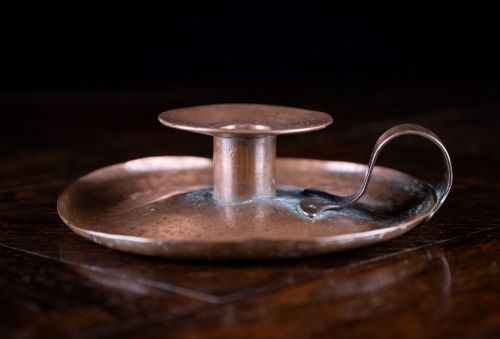
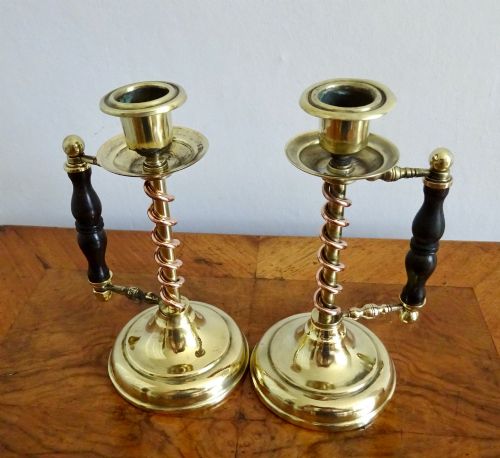
- A short candlestick fitted with a pan to catch dripping wax and a handle for carrying through a house. These items combine practical nighttime lighting with decorative metalwork.
Edwardian Metalwork Art: Frequently Asked Questions
How do I clean antique copper?
Dust surfaces gently with a soft cloth to preserve the natural oxidation and historical patina accumulated over decades.
Avoid abrasive polishes that strip away the original tool marks and soften the relief details.
Were these items made by hand?
Many objects combine hand-raising and hammering techniques with standardised casting for structural components.
Guild workshops emphasised individual craftsmanship, while larger firms employed specialised artisans for specific production stages.
How do I date these metal objects?
Stylistic indicators such as flowing plant motifs suggest the turn of the twentieth century, while maker marks provide specific chronology.
Construction methods, including the type of joins and screws used, help verify the period of manufacture.
Where should I display metalwork art?
Position pieces where natural light crosses the hammered surfaces to highlight the repoussé texture and patination.
Keep items away from direct moisture and excessive heat to protect enamel cabochons and mixed metal elements.