



Edwardian Metal Dish
An edwardian metal dish brings distinctive period character to a table, offering practical utility through functional forms shaped in brass, copper, and pewter.
Edwardian Metal Dish
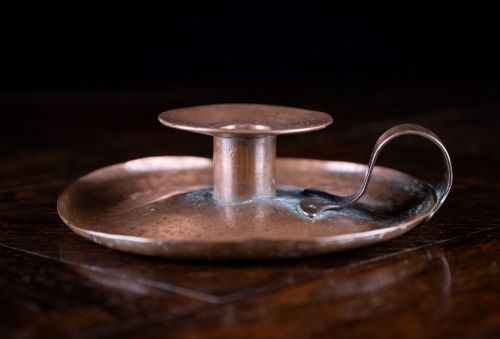
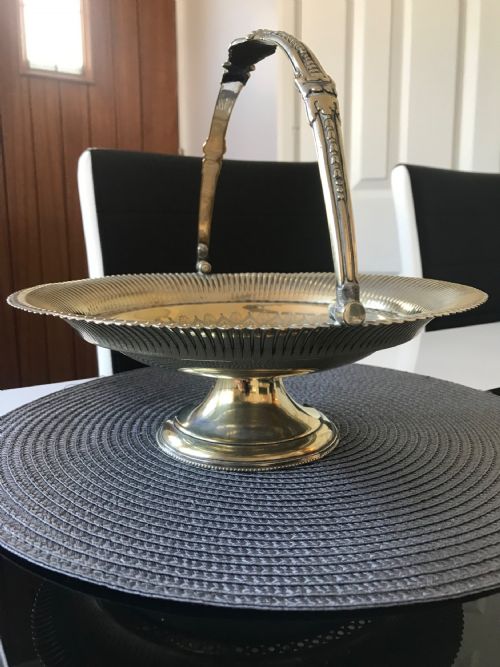
An edwardian metal dish encompasses a wide variety of domestic vessels, from decorative trays and centrepieces to desk accessories and bonbon dishes. These pieces reflect the tastes of the early twentieth century alongside late nineteenth-century antecedents.
Materials span pewter, silver plate, copper, brass, and Britannia metal, often complemented by enamel cabochons or ruby glass liners. Buyers encounter everything from utilitarian desk tidies to large decorative wall plates.
How they were made
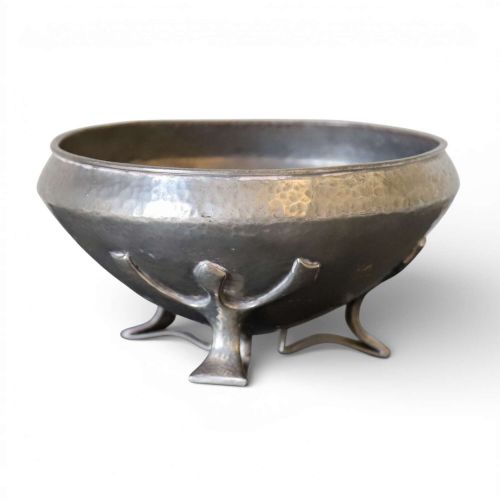
Metals such as copper, brass, and pewter underwent intensive hand-working techniques, including hammering and beating to create textured surfaces. Workshops utilised base metals often plated with silver or nickel silver to achieve polished finishes.
Decorative elements frequently incorporated applied enamel cabochons, cold-painted details, and cast figural components. Glass liners in ruby or clear tones were integrated into pierced metal baskets and pedestals.
Makers employed specialised construction methods, such as fitted bases and riveted handles, to ensure durability in items intended for everyday desk or dining use.
Edwardian Metal Dish Retail Price Guide 2026
Typical asking prices for edwardian metal dish among the pieces listed under this phrase on Sellingantiques today, from the lower quarter to the upper quarter. They describe what is for sale here now, not the wider market.
Listings span multiple materials including pewter, copper, brass, and silver plate, alongside glass and enamel elements.
What varies in quality
The standard of design and execution distinguishes exceptional pieces from standard mass-produced wares, particularly within Arts and Crafts and Art Nouveau items. Weight, gauge of metal, and the crispness of chased or hammered relief work indicate superior craftsmanship.
The presence of documented studio or factory attribution, such as recognisable model numbers or designer signatures, elevates a piece. Furthermore, the harmonious integration of mixed materials like glass inserts and enamel cabochons dictates the overall success of the object.
Liberty and Co·Oliver Baker·WMF·Archibold Knox
The Edwardian Metal Dish Glossary
- Art Nouveau
- A decorative style characterised by flowing, organic lines, plant motifs, and stylised female figures popular around nineteen hundred. This aesthetic heavily influenced metalwork of the period.
- Arts and Crafts
- A design movement promoting handcraftsmanship, simple forms, and honest expression of materials over industrial mass production. Pieces from this tradition often display visible hammer marks.
- Pewter
- A malleable alloy traditionally composed of tin alloyed with copper and antimony. It was widely used for bowls, trays, and tankards due to its low melting point and dull silvery lustre.
- Tudric
- The trade name used by Liberty and Co for their range of pewter ware produced during the early twentieth century. Many of these designs were created by notable Liberty associates.
- Bonbon dish
- A small decorative vessel specifically designed for holding sweets or confections. These dishes frequently appear in silver plate or pewter with pierced or embossed decoration.
Edwardian Metal Dish: Frequently Asked Questions
What metals are used in these dishes?
The pieces utilise a diverse range of metals including copper, brass, pewter, Britannia metal, and electroplated nickel silver. Many incorporate secondary materials such as glass liners or enamel.
Craftsmen selected these metals for their malleability and suitability for decorative techniques like hammering and plating.
How do I identify an Art Nouveau piece?
Art Nouveau items feature characteristic undulating lines, floral motifs, and stylised organic shapes. Look for whiplash curves and naturalistic relief patterns on the metal surface.
These designs often embrace asymmetrical compositions and integrated figural elements.
Were these dishes purely decorative?
While many served decorative functions as centrepieces or wall plates, numerous items had practical domestic uses. Examples include desk tidies, pen trays, cheese dishes, and entree dishes.
Their dual nature combined aesthetic appeal with everyday utility on dining tables and desks.
What is Tudric pewter?
Tudric is the specific brand name for pewter manufactured by Liberty and Co in London during the early twentieth century. These items were often designed by prominent artists of the period.
The metal composition and distinctive model numbers help identify authentic examples.