
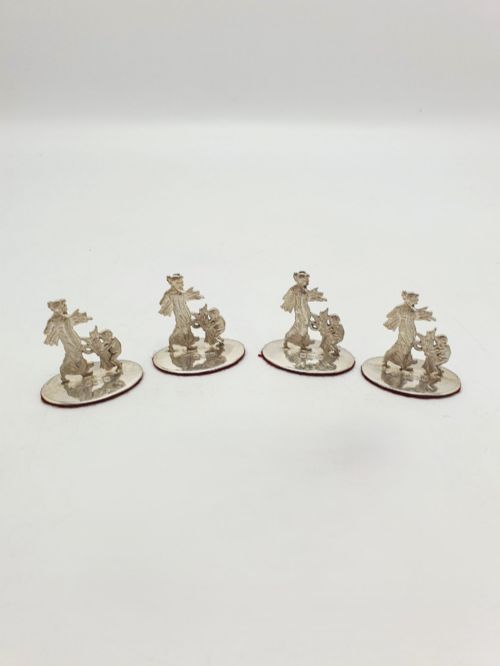
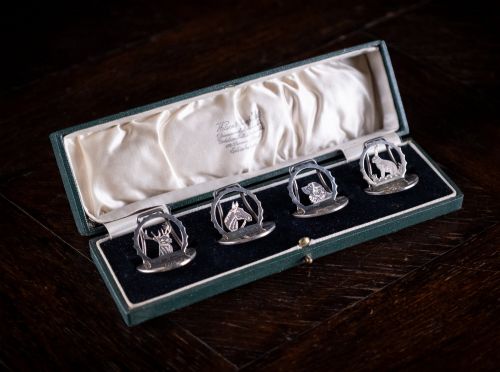
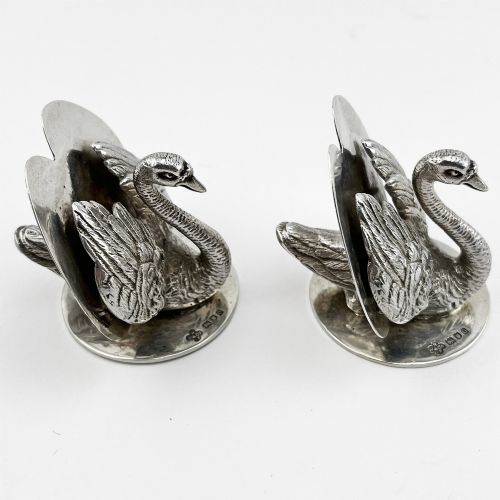
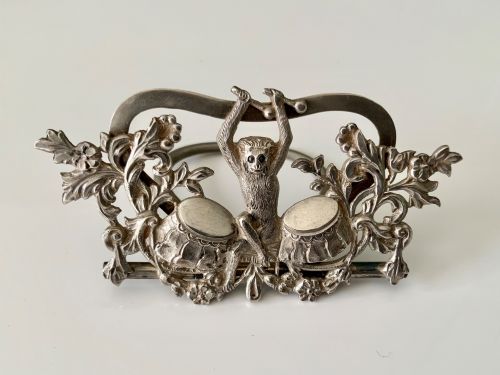

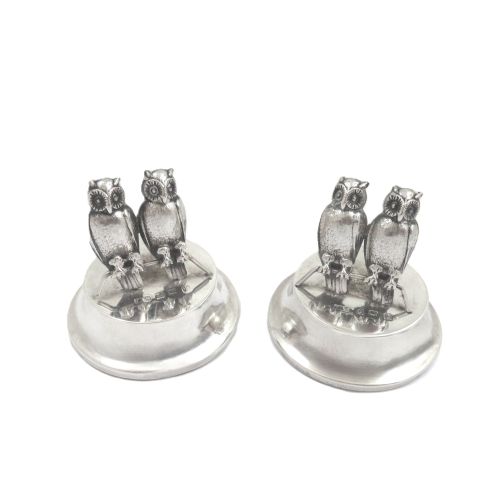
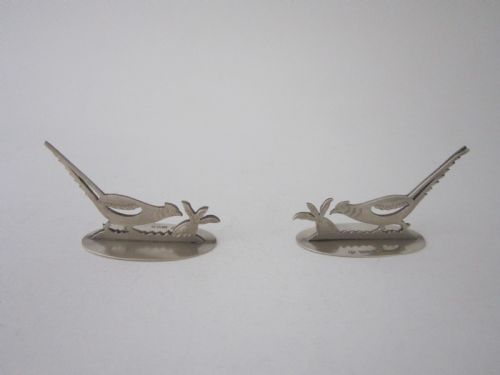

Edwardian Menu Holders
Edwardian menu holders bring distinctive silver craftsmanship to the dining table, offering collectors charming figural and novelty designs from the early twentieth century.
Edwardian Menu Holders
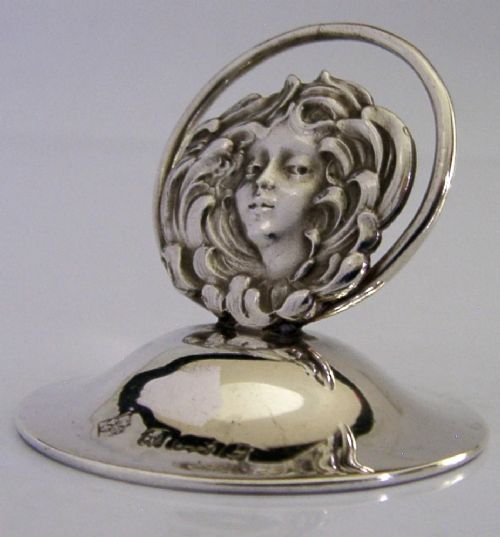
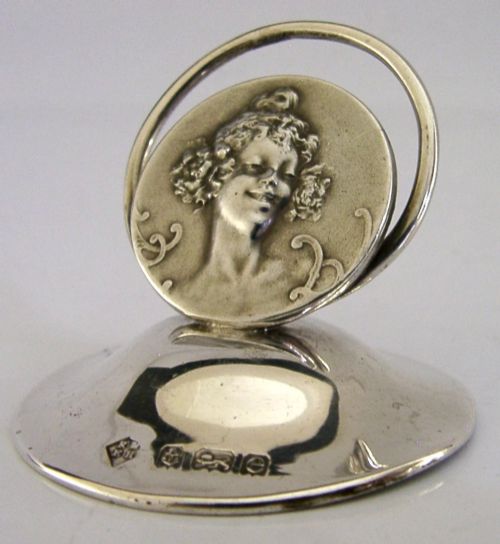
When you search for edwardian menu holders, you are looking at small table accessories designed to display dinner menus or place cards during formal meals. The examples on this page date primarily from the early 1900s, encompassing the Edwardian era alongside occasional pieces from the George V period and the 1920s or 1930s.
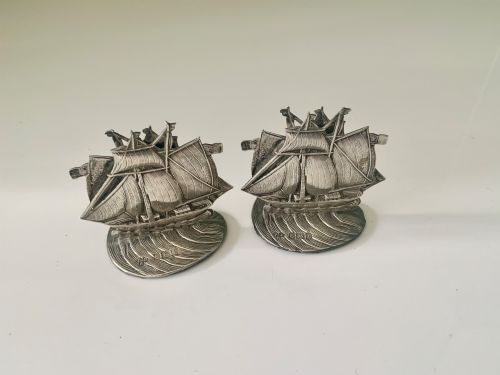
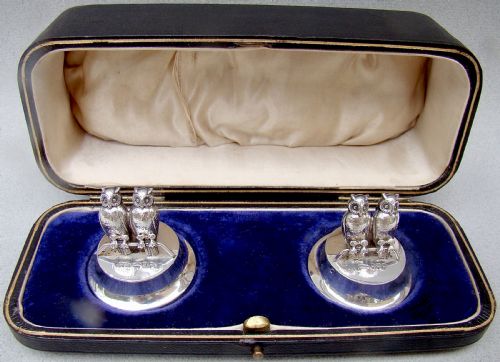
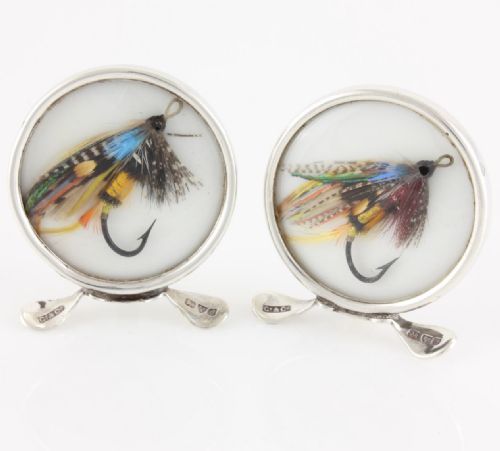
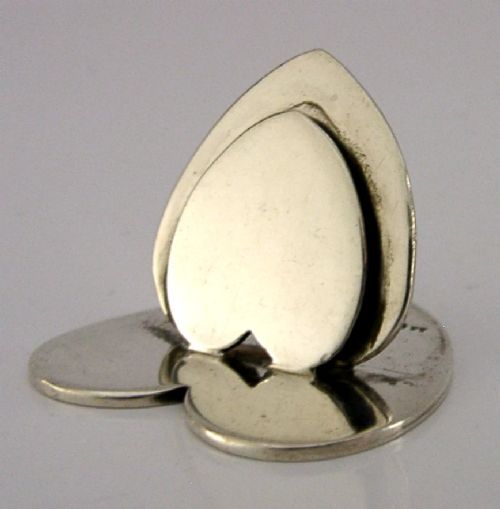
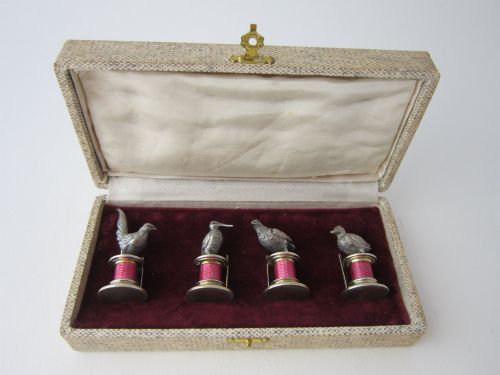
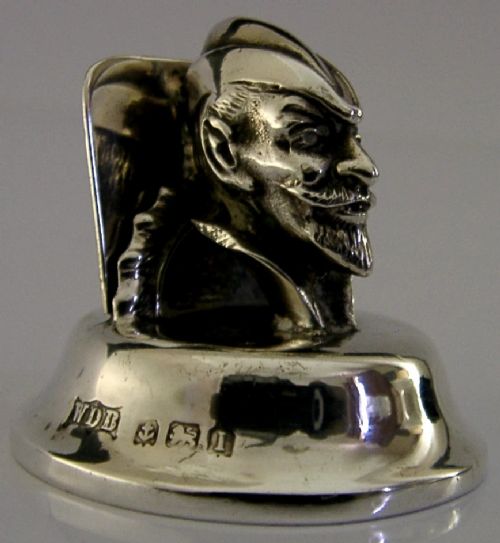
These items take various forms, ranging from simple clips to elaborate figural subjects. Collectors will find single pieces, pairs, and matched sets of four, six, or twelve, often housed in fitted presentation boxes.
The styles reflect the artistic movements of their time, moving from traditional designs to distinctive Art Nouveau curves and Arts & Crafts motifs. They serve both a practical dining function and a decorative display purpose.
Silver, Enamel, and Supporting Materials
The primary material across the pieces is sterling silver, shaped through casting, stamping, and detailed hand-chasing to create intricate figural subjects. Many items incorporate polychrome enamel to highlight flags, birds, or decorative patterns with colour.
Supporting elements occasionally utilise velvet, silk, leather, glass, and feathers to line presentation boxes or accent specific designs. Goldsmiths and silversmiths utilised hallmarks to stamp the metal purity, assay office, and date letter onto each piece.
Listings feature sterling silver combined with enamel, velvet, silk, leather, glass, and feathers across Edwardian, Art Nouveau, and Art Deco styles.
Defining Quality in Table Silver
Completeness also influences the assessment, as matched sets in original fitted boxes hold greater distinction than assembled groups or single survivors. The presence of undamaged enamel work and clear, legible hallmarks adds further weight to the craftsmanship.
Levi & Salaman·A. Wilcox·Grey & Co.·Sampson Mordan·Liberty
The Edwardian Menu Holders Glossary
- Sterling silver
- A silver alloy containing 92.5 percent pure silver and 7.5 percent other metals, usually copper, ensuring durability for tableware accessories.
- Hallmark
- An official stamp applied by an assay office to indicate metal purity, the maker, and the year of manufacture.
- Figural
- A design shaped in the form of a human, animal, or recognizable object rather than abstract ornamentation.
- Place card holder
- A small desk or table stand intended to hold a guest's name card, frequently combined with menu holding functions in the evidence.
- Art Nouveau
- An international style of art and design characterised by fluid, organic lines and floral motifs, popular during the Edwardian period.
Edwardian Menu Holders: Frequently Asked Questions
What were menu holders used for?
These silver pieces sat on dining tables to hold printed menus or guest name cards during large dinner parties. They allowed diners to see the courses ahead and helped seat guests in the correct places.
As formal dining evolved, these accessories became miniature works of art that displayed the host's taste and wealth through novelty and figural designs.
How do I identify Edwardian examples?
Look for British hallmarks stamped on the silver, which include a date letter corresponding to the Edwardian period between 1901 and 1910. Makers' marks and assay office symbols like the anchor for Birmingham or leopard's head for London help confirm the exact year.
Stylistic cues such as flowing Art Nouveau lines or specific animal subjects also point directly to the tastes of the Edwardian era.
Are these pieces sold as sets?
Yes, many items appear as pairs or larger matched sets of four, six, or even twelve pieces. Complete sets often survive inside their original velvet or silk-lined presentation boxes from the period.
Single pieces and unusual novelty designs also occur frequently, reflecting how original owners purchased them individually or accumulated them over time.
How should I display them at home?
Collectors often display these small silver items inside glass cabinets or on dedicated shelves where their fine details can be appreciated up close. Because of their compact size, they require minimal space and fit well alongside other antique tableware.
Some collectors continue to use them on dining tables for special occasions, placing small cards or notes within the clips just as intended.