




Edwardian Mahogany Coat Stand
An edwardian mahogany coat stand brings practical elegance to an entrance hall, offering sturdy storage for daily wear.
Edwardian Mahogany Coat Stand
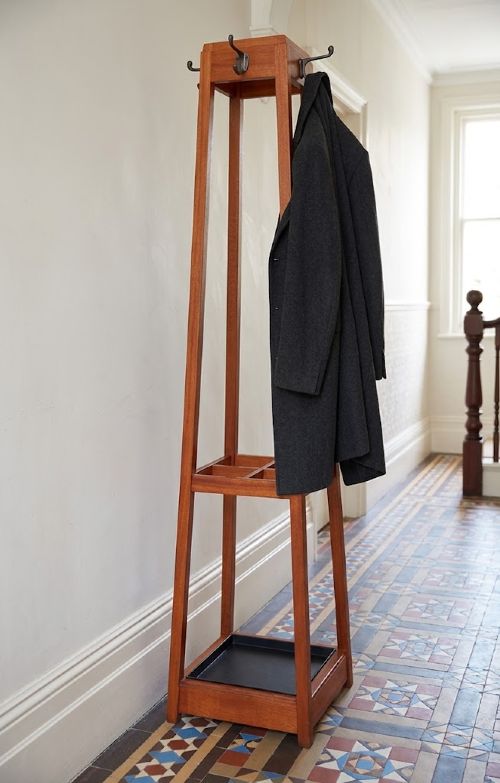
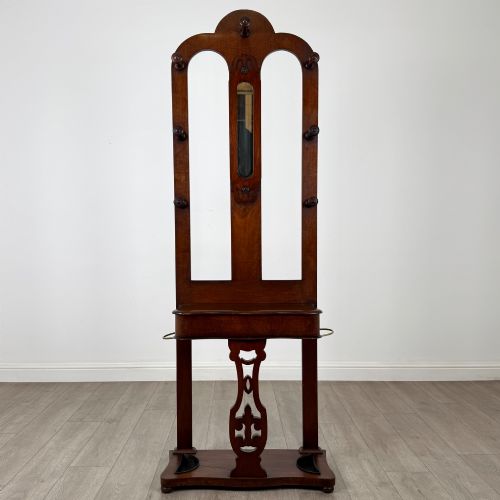
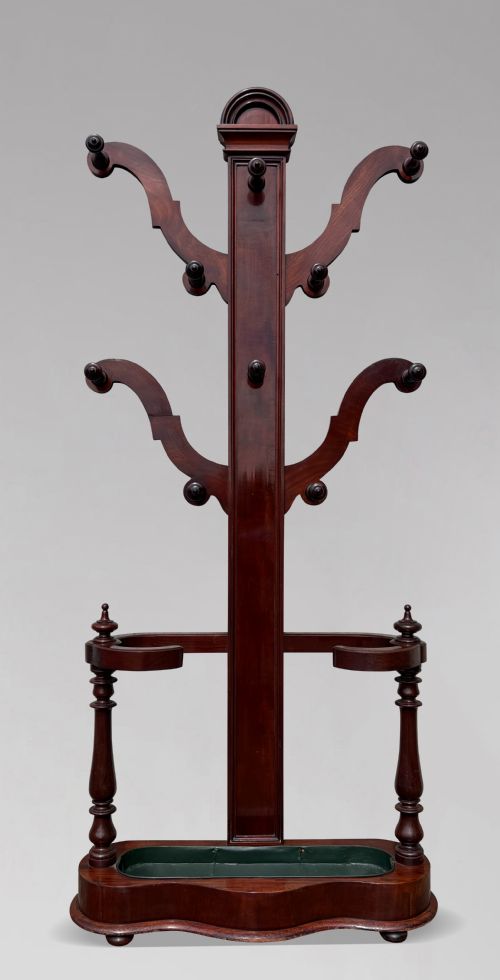
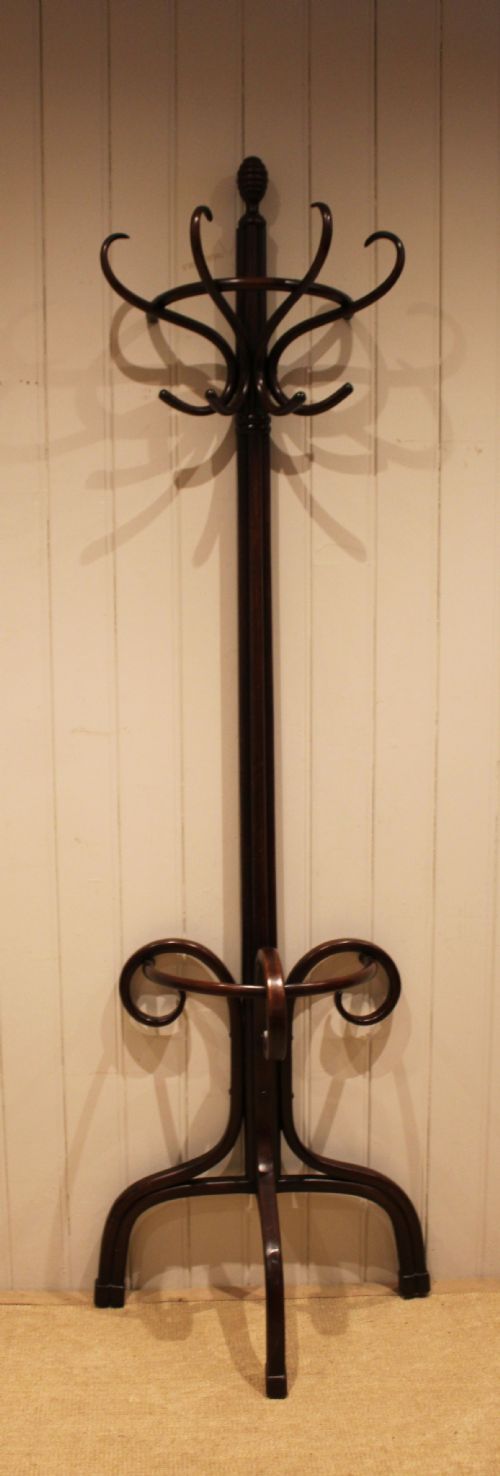
An edwardian mahogany coat stand is a functional hallway piece designed to hold hats, coats, sticks and umbrellas. These items range from compact revolving designs to substantial mirror-backed hall stands.
The version you are most likely to meet on this page is the Edwardian or late Victorian mahogany hall stand, frequently incorporating brass hooks and umbrella wells.
Makers utilised rich timber and practical additions like marble inserts and glass mirror plates to create striking hallway furniture.
How They Were Made
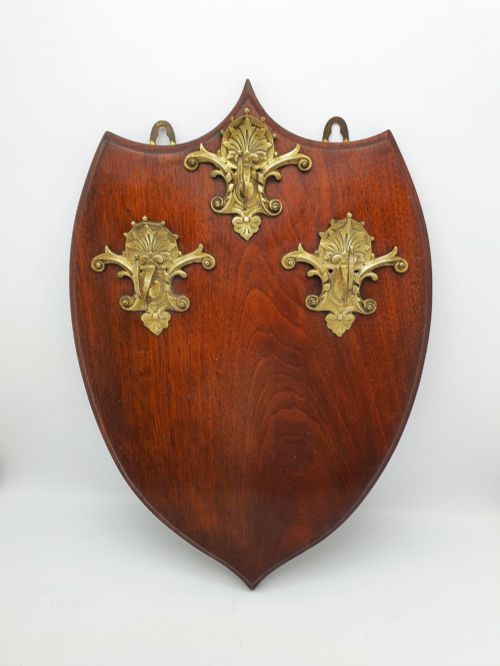
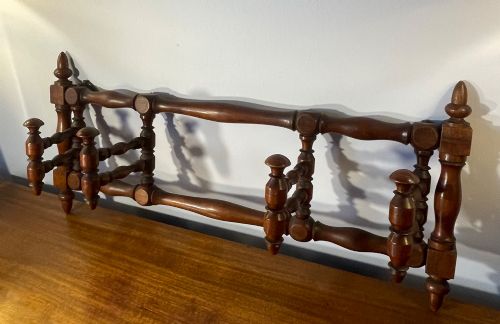
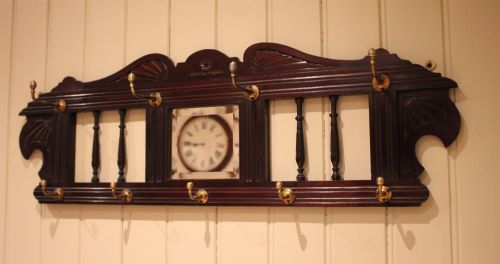
Cabinetmakers constructed these pieces primarily using solid and veneered mahogany, often pairing the timber with brass hooks and rails for hanging garments.
Many examples incorporate glass mirror plates, cast iron or metal trays for umbrellas, and occasionally ceramic tiles or marble surfaces within the framework.
Listings show mahogany combined with brass, marble, copper and glass across Victorian and Edwardian periods.
What Varies in Quality
Quality rests upon the selection of timber figures and the sturdiness of the structural joints, as hallway furniture endured heavy daily use.
Fine examples distinguish themselves through thoughtful details such as inlaid decoration, bevelled mirror plates, and robust brass or copper hardware.
The Edwardian Mahogany Coat Stand Glossary
- Hall Stand
- A substantial hallway piece combining a mirror, coat hooks, umbrella stands and often a small shelf or seat. These serve as the central tidy for an entranceway.
- Bentwood
- Wood softened by steam and bent into curved shapes, commonly seen in lighter coat and hat racks. This technique creates graceful, flowing lines without heavy joinery.
- Bevelled Plate
- A mirror glass with angled edges that catch the light. This detail adds depth and refinement to the backboards of hall furniture.
- Inlay
- Contrasting wood or metal set flush into the surface of the mahogany to create decorative patterns. It signals higher craftsmanship in Edwardian pieces.
Edwardian Mahogany Coat Stand: Frequently Asked Questions
How were these stands used?
These pieces stood in entrance halls to receive outdoor garments, hats, walking sticks and wet umbrellas as people entered the home.
They kept hallways orderly while providing a final place to check appearance in the mirror before stepping outside.
How do I live with one?
Place the stand in a hallway with adequate clearance for coats and hanging items without blocking doorways.
Ensure the floor is level and make use of any built-in umbrella trays to protect the timber from moisture.
How do I tell periods apart?
Victorian examples tend to be heavier with darker finishes and ornate carvings, while Edwardian pieces often display lighter proportions and subtle inlay.
Arts and Crafts variations feature simpler lines and honest construction with exposed hardware.
What materials should I expect?
Mahogany forms the primary structure of these stands, frequently complemented by brass hooks and copper details.
Secondary materials include marble surfaces, cast iron drip pans, ceramic tiles and glass mirror plates.