



Edwardian Lustre Bowl
An edwardian lustre bowl brings rich metallic iridescence and intricate mythological or natural motifs into a room through exceptional ceramic artistry.
Edwardian Lustre Bowl
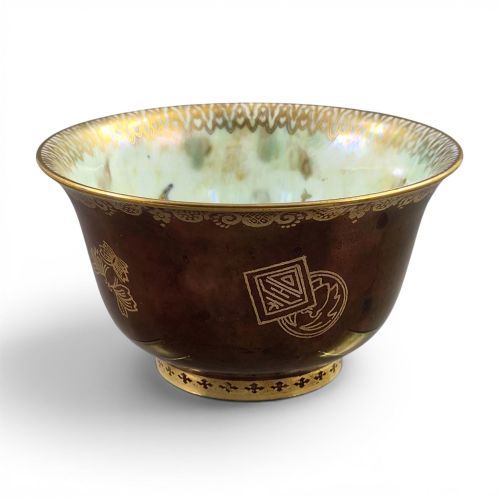
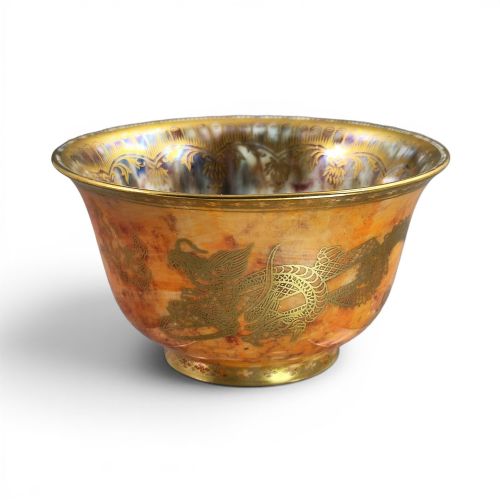
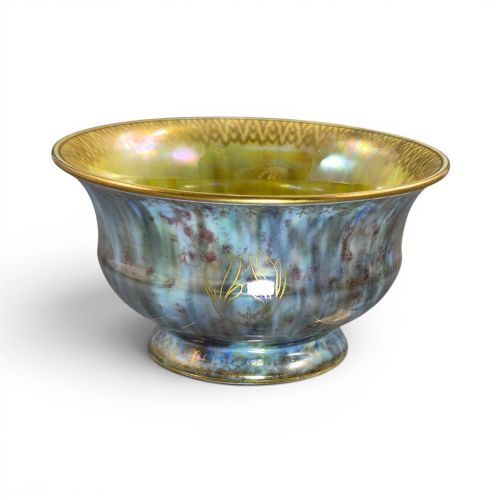
When you search for an edwardian lustre bowl, you are looking at decorative porcelain and bone china vessels produced around 1900 to 1920. These pieces primarily take the form of decorative bowls, octagonal bowls, and miniature cups, alongside occasional jug and bowl sets.
The most likely version to meet on this page is an intricate earthenware or bone china bowl featuring metallic glazes and detailed designs such as dragons, butterflies, and Fairyland scenes. The periods span from the early Edwardian era through the nineteen-teens and into 1920.
How They Were Made
Makers utilised porcelain and bone china as the primary ceramic bodies, shaping them into rounded or octagonal forms. Potters applied a lustre glaze alongside metallic glazes to achieve the characteristic shimmering surface effect.
Artisans enhanced the decorated surfaces with gold leaf, gilt, and gold gilt accents. The resulting style fuses Edwardian sensibilities with Art Nouveau and Art Deco design motifs.
Edwardian Lustre Bowl Retail Price Guide 2026
Typical asking prices for edwardian lustre bowl among the pieces listed under this phrase on Sellingantiques today, from the lower quarter to the upper quarter. They describe what is for sale here now, not the wider market.
Listings feature porcelain and bone china vessels decorated with lustre glaze, gold leaf, and gilt across Edwardian, Art Nouveau, and Art Deco styles.
What Varies in Quality
Quality rests upon the complexity of the decorative scheme and the precision of the application. Bowls featuring detailed mythological subjects like celestial dragons or intricate Fairyland patterns require superior skill compared to simpler mottled designs.
The richness and depth of the lustre glaze determine visual success. A masterfully fired metallic glaze combined with crisp gold leaf and gilt detailing elevates a piece above standard production wares.
Daisy Makeig-Jones·James Hodgkiss
The Edwardian Lustre Bowl Glossary
- Lustre Glaze
- A ceramic finish containing metallic salts that produce an iridescent, shimmering surface upon firing. This technique reflects light and creates the signature metallic sheen.
- Bone China
- A type of soft-paste porcelain incorporating animal bone ash. It provides a durable, bright white body ideal for detailed painted decoration.
- Octagonal Bowl
- A vessel featuring eight distinct planar sides rather than a standard circular profile. This geometric form often showcases complex pattern work across individual panels.
- Gilt
- A thin layer of gold applied to the ceramic surface for decorative enrichment. It accentuates rims, motifs, and borders.
Edwardian Lustre Bowl: Frequently Asked Questions
What is an Edwardian lustre bowl?
An Edwardian lustre bowl is a decorative ceramic vessel finished with an iridescent metallic glaze. These pieces date from the early twentieth century and feature intricate painted motifs.
They represent a high point in decorative pottery design, combining traditional ceramic forms with vibrant glazes and gilded details.
How were lustre bowls used?
These bowls served primarily as decorative table centerpieces or display objects in Edwardian homes. Their reflective surfaces caught the light of gas or early electric lighting.
Some smaller versions, such as miniature cups and bowls, functioned as cabinet pieces or decorative accents rather than utilitarian tableware.
How do I live with lustre bowls?
Display these bowls in areas with good ambient light to showcase the shifting iridescent quality of the glaze. Position them on sturdy surfaces away from high-traffic zones.
Handle them with care to protect the delicate gold gilt and metallic glaze surfaces from abrasion.
How do I identify periods?
Examine the stylistic combination of Edwardian forms with Art Nouveau or Art Deco decorative motifs. Look for period manufacturing characteristics and specific design signatures.
Dates generally centre around 1900 to 1920, reflecting the transition from Edwardian aesthetics into the early twentieth-century decorative movements.