
Edwardian Linen Cupboard
An edwardian linen cupboard brings generous storage and architectural presence to a bedroom, combining traditional craftsmanship with the refined proportions of the early twentieth century.
Edwardian Linen Cupboard
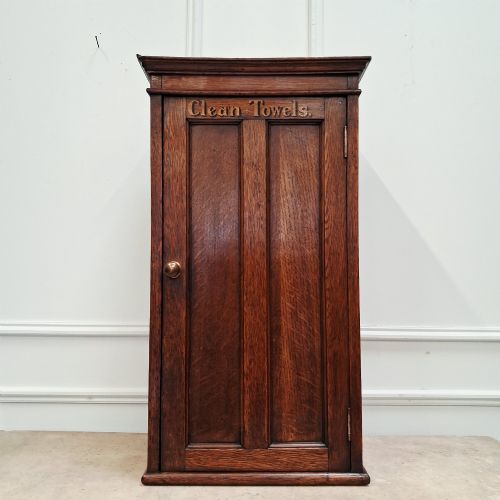
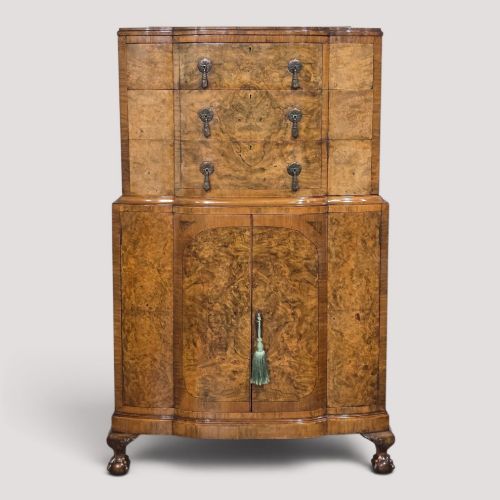
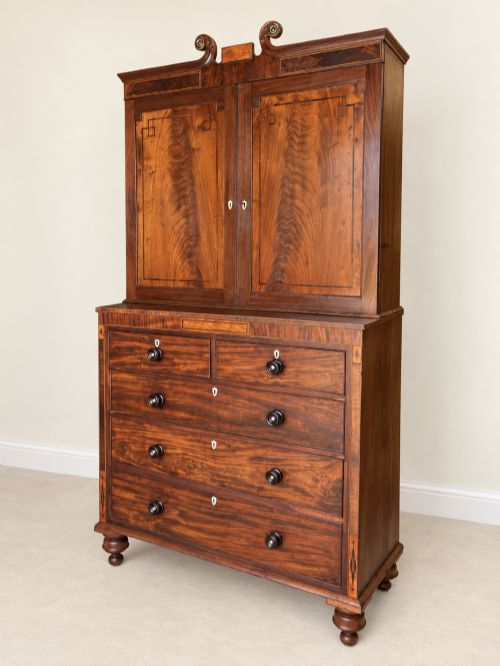
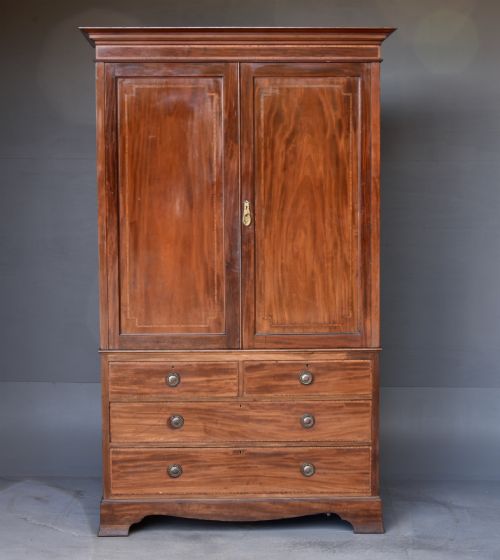
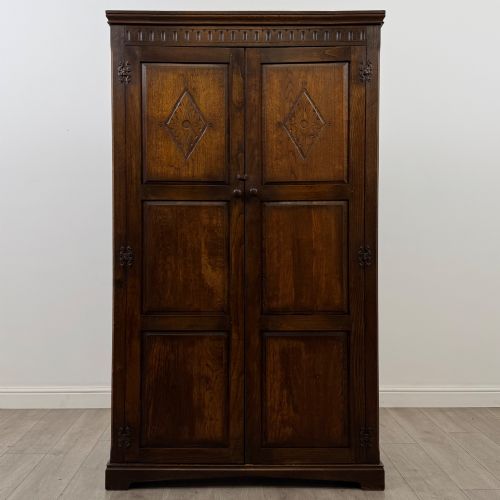
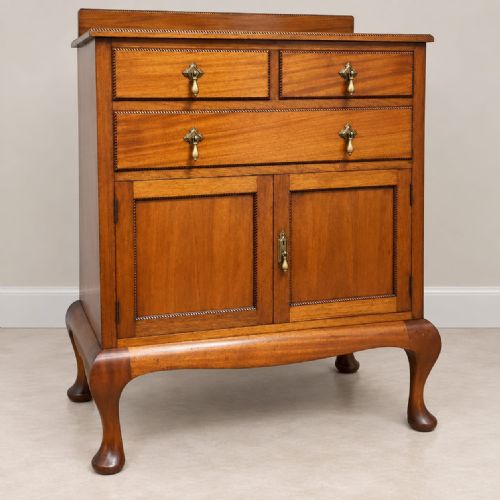
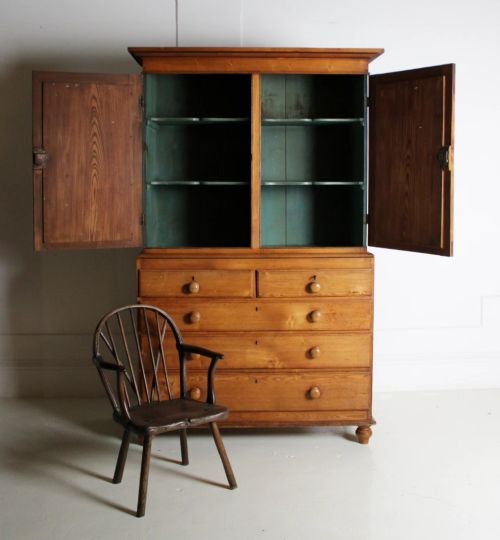
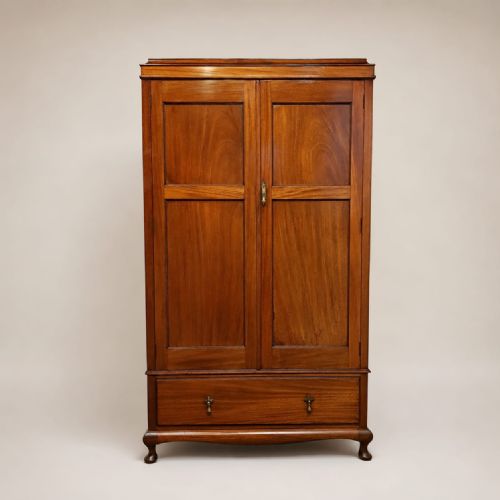
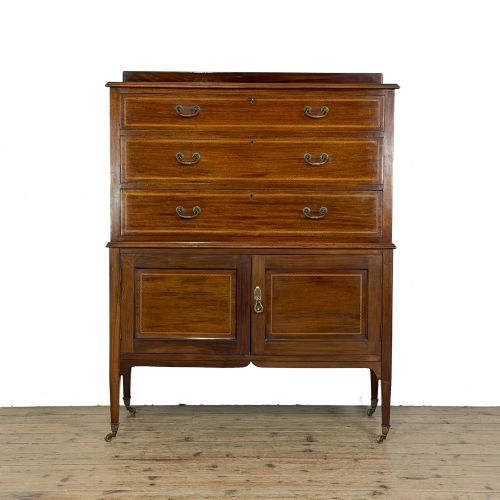
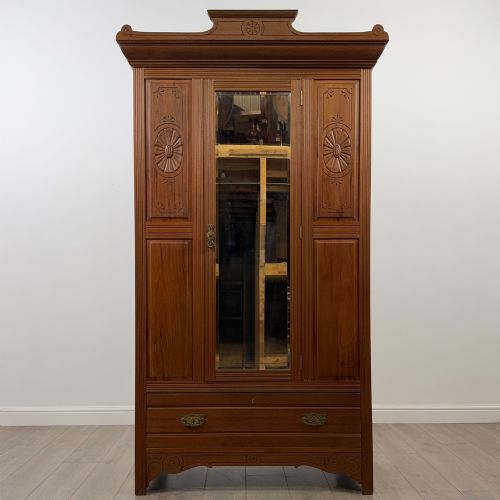
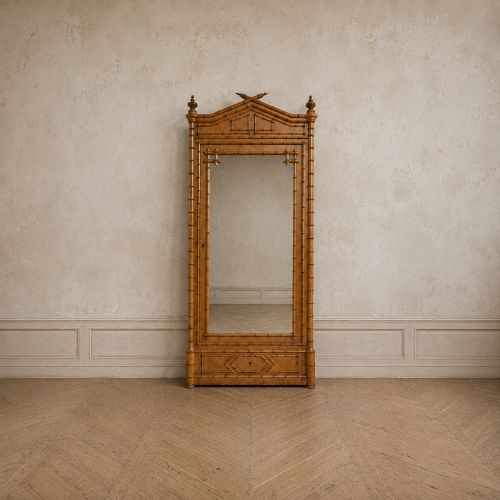
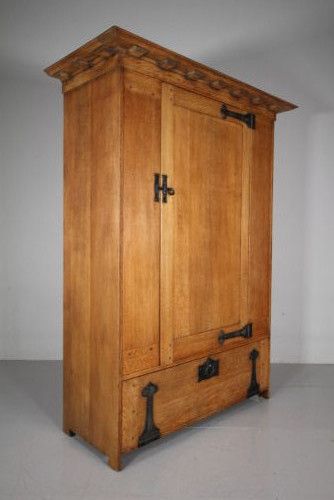
When you search for an edwardian linen cupboard, you encounter a variety of substantial storage furniture including tallboys, compactums, and linen presses produced around the turn of the twentieth century. These pieces originate primarily from the Edwardian period, alongside related examples from late Victorian workshops and the early nineteen-twenties.
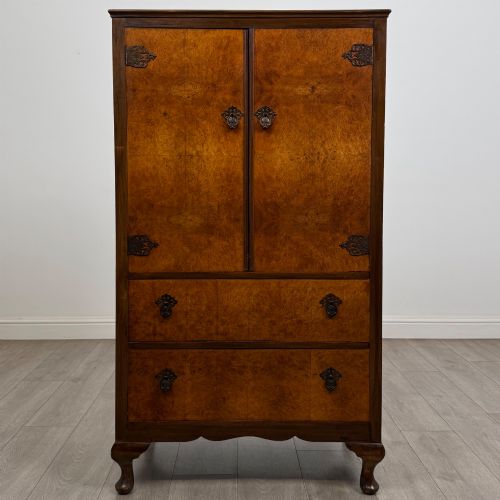
The objects take several distinct structural forms, ranging from single and double wardrobes to fitted cupboards and gentleman's chests of drawers. Many incorporate internal sliding trays or hanging space, reflecting the domestic storage needs of the era.
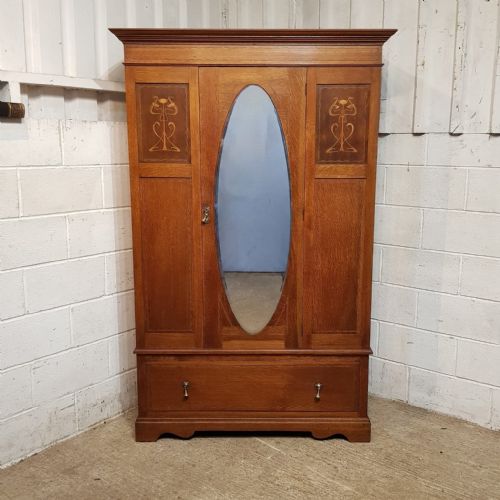
Stylistically, these cabinets draw upon multiple design traditions, showing influences from Arts and Crafts simplicity, Sheraton Revival elegance, and Art Nouveau curves alongside robust oak farmhouse construction.
Materials and Construction
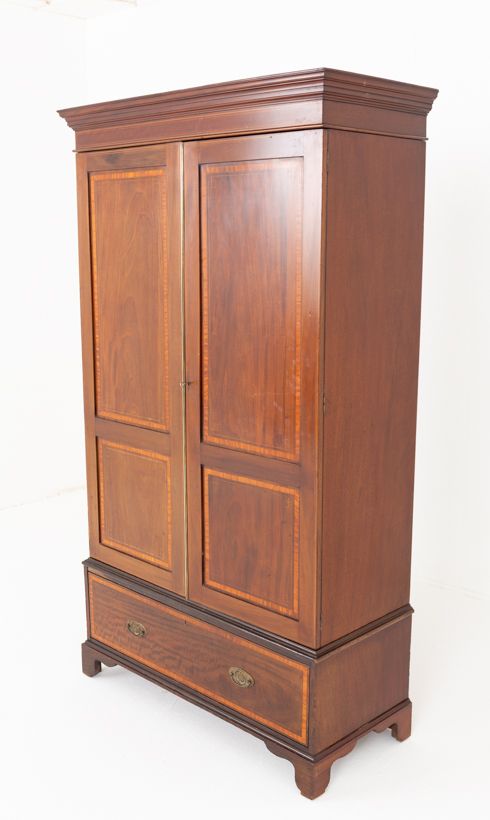
Cabinetmakers of this era relied heavily on mahogany, oak, and walnut, often enhancing primary surfaces with decorative veneers such as satinwood, burr walnut, and bird's eye maple. Solid pine and ash also appear frequently in regional pieces and interior components.
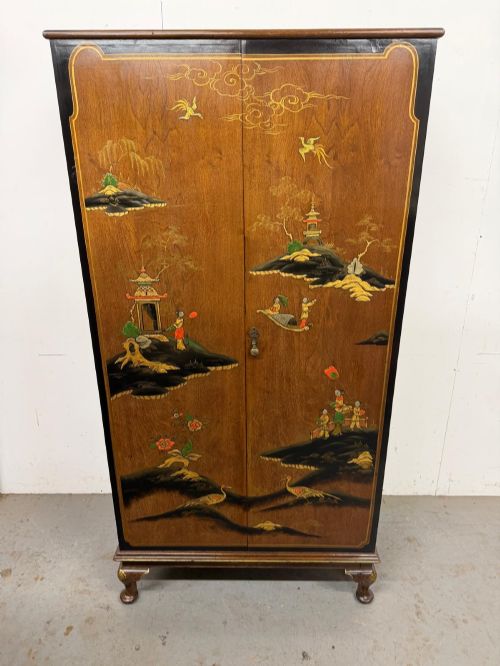
Decorative detailing typically involved crisp marquetry inlay, brass hardware, and occasional painted elements, while structural strength was maintained through traditional joinery and sturdy timber carcases.
The furniture spans Victorian, Edwardian, Arts and Crafts, Art Nouveau, and Sheraton Revival stylistic traditions.
Markers of Excellence
The distinction between standard commercial production and finer work lies in the selection of timber figures, the precision of inlaid details, and the integration of maker-stamped hardware. Superior pieces often feature secondary timbers of higher grade and more complex internal configurations.
Proportion and decorative restraint further separate the better examples, where balanced grain patterns and careful cabinetwork elevate utility furniture into pieces of lasting character.
maples & co·Heals·Harris Lebus·Druce & Co·Waring & Gillow
The Edwardian Linen Cupboard Glossary
- Compactum
- A multi-functional wardrobe featuring a combination of hanging space, drawers, and linen shelves within a single unit. This form maximises storage efficiency in smaller bedroom spaces.
- Linen Press
- A tall storage cabinet comprising upper sliding trays enclosed by doors, positioned above a base of wider drawers. Originally designed for storing household linens flat.
- Tallboy
- A tall chest of drawers standing on a further chest or base cabinet, providing vertical storage with a modest floor footprint. This form dates back earlier but remains prominent in Edwardian variations.
- Sheraton Revival
- A late nineteenth and early twentieth century design movement drawing inspiration from eighteenth-century neoclassical furniture. It is characterised by slender proportions, satinwood veneers, and delicate inlay.
- Marquetry
- The art of applying decorative pieces of veneer to a structure to form intricate designs or pictures. This technique often defines the door panels of finer Edwardian cabinets.
Edwardian Linen Cupboard: Frequently Asked Questions
What is an edwardian linen cupboard used for today?
These versatile pieces serve admirably as bedroom wardrobes, hallway storage units, or living room linen stores. Their internal configurations easily adapt to modern clothing, bedding, and household organisation.
The deep drawers and internal shelves provide practical solutions for bulky items, while the exterior presence anchors a room with period character.
How do I identify an edwardian linen cupboard?
Look for characteristic Edwardian design markers such as satinwood inlay, light mahogany or walnut timbers, and brass drop handles. Proportions tend to be lighter than heavy Victorian pieces but retain substantial build quality.
Construction details like machine-cut dovetails alongside hand-finished elements commonly point to the manufacturing standards of the 1900 to 1910 decade.
Do edwardian linen cupboards dismantle for transport?
Many larger wardrobes and presses from this period were designed to take apart into sections for delivery into upper-room bedrooms. Cornices, central carcases, and base drawers often separate using internal bolts or screws.
Checking the construction reveals whether a particular cabinet relies on modular assembly or stands as a single solid carcase.
How do I care for mahogany and walnut surfaces?
Maintain the timber by dusting regularly with a dry, soft cloth and applying a quality beeswax polish sparingly to nourish the grain. Avoid placing antique furniture near direct heat sources or strong sunlight.
Proper humidity control prevents the veneer from lifting and keeps the timber stable through seasonal changes.