
Edwardian Lighting Pair
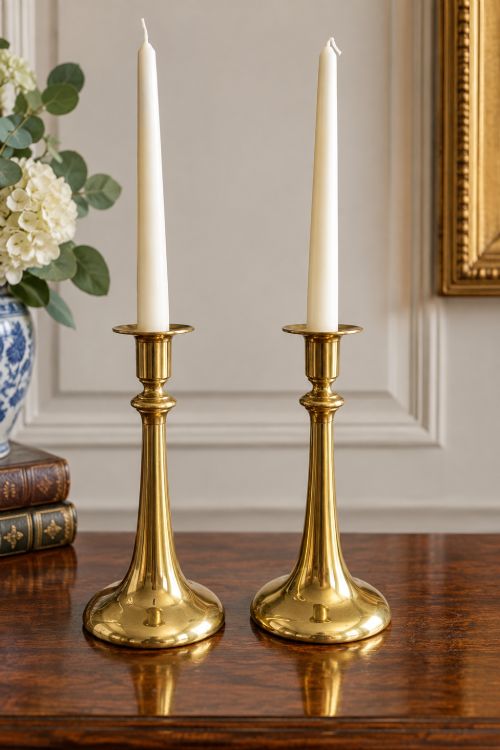
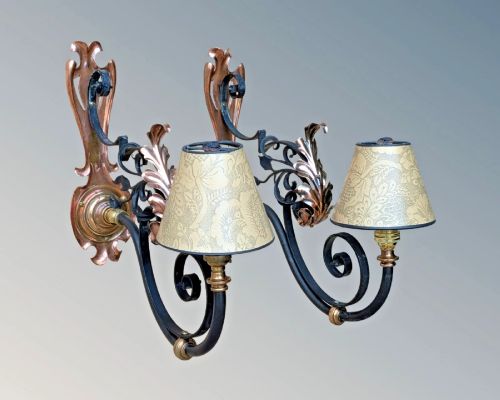
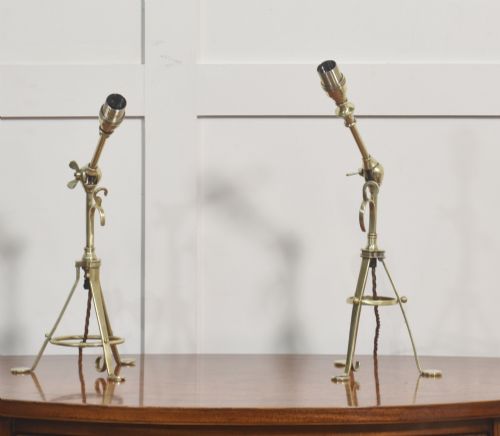
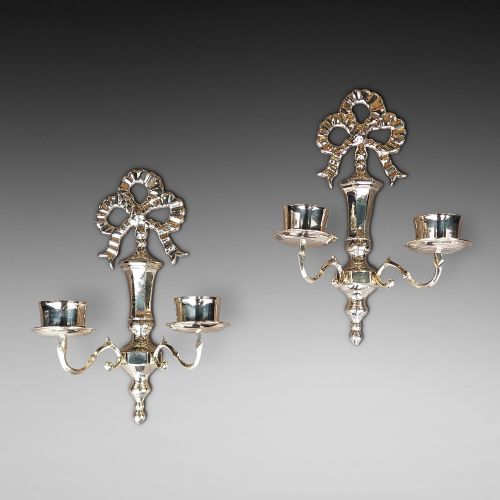
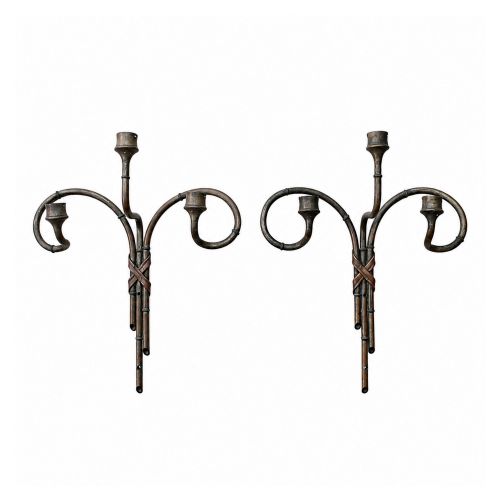
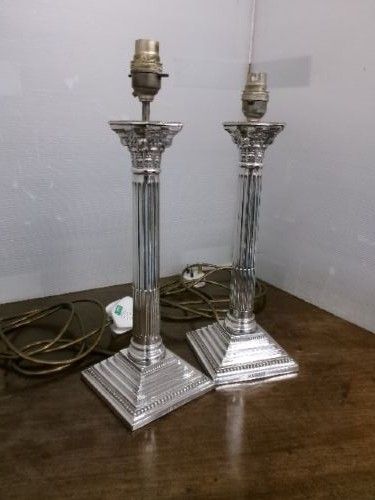
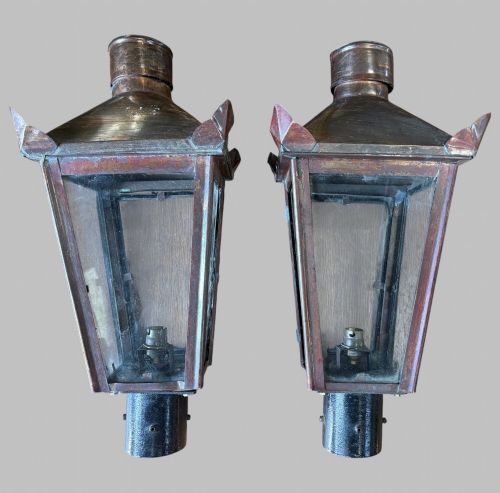
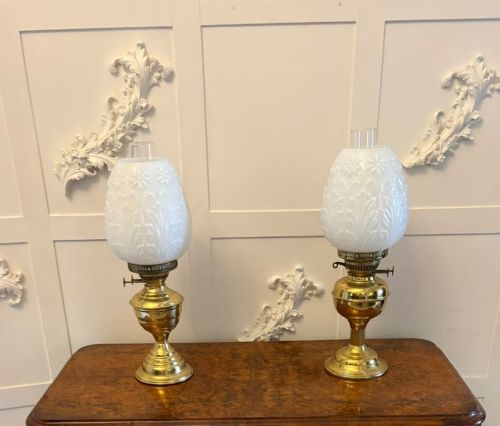
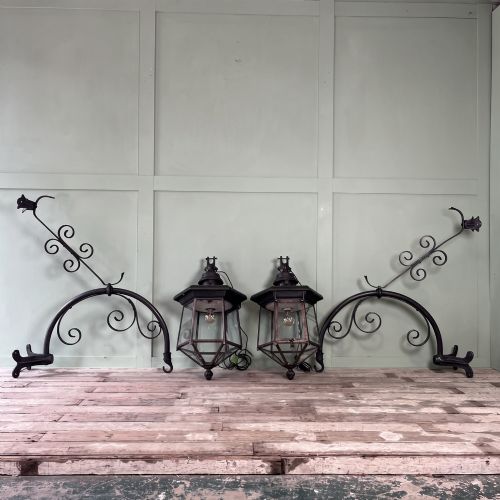
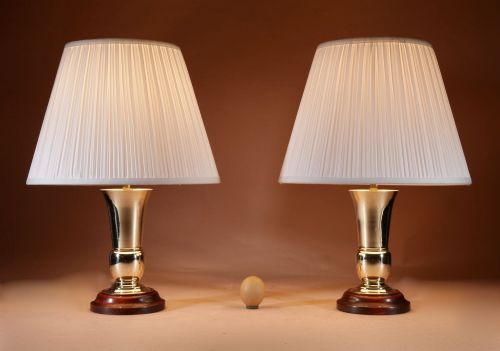
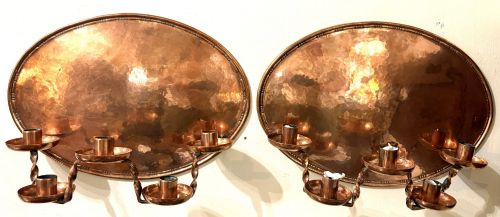
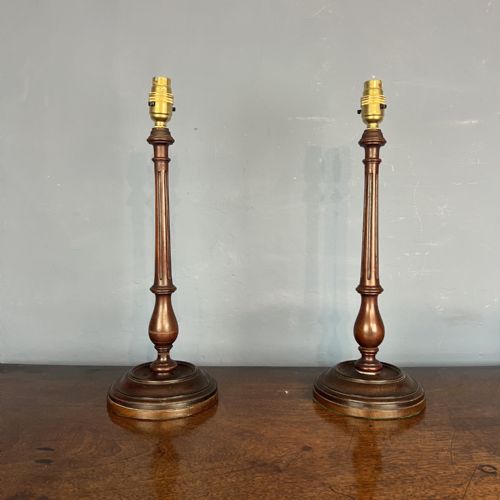
An edwardian lighting pair brings balanced symmetry to a room, offering matching illumination through period brass, copper, and glass.
Edwardian Lighting Pair
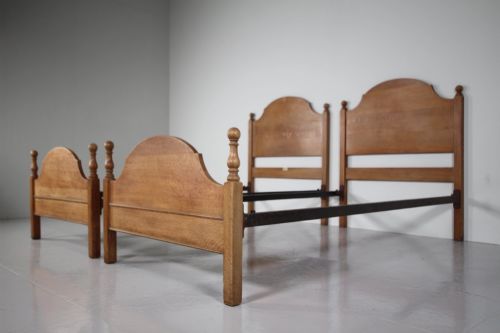
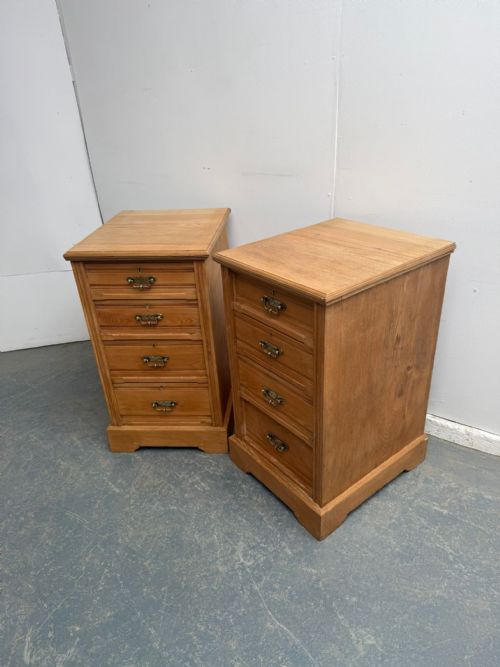
The listings on this page span table lamps, wall lights, and floor-standing standard lamps executed in brass, silver plate, copper, and glass. Alongside lighting, related matched furniture items such as bedside cabinets occasionally appear within the broader period grouping.
The aesthetic vocabulary draws heavily from Edwardian sensibilities, alongside concurrent Arts and Crafts, Neoclassical, and Gothic Revival styles. Makers of the period utilised durable metals and combinations of wood and fabric to create functional pieces suited to domestic and ecclesiastical spaces.
Materials and construction methods
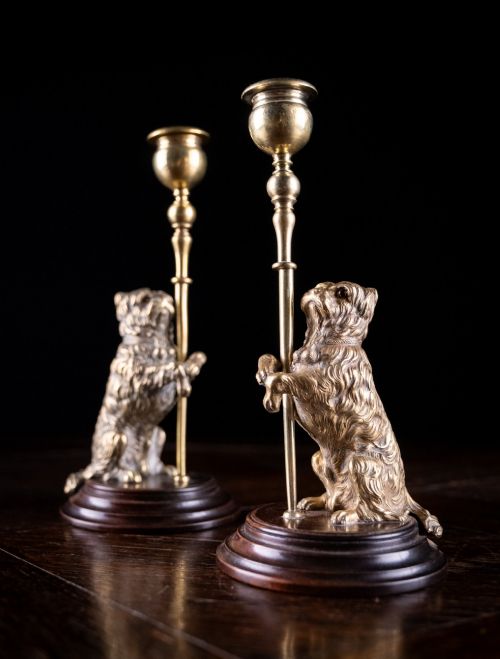
Brass and copper form the backbone of these pieces, often worked through casting, spinning, and hand-beating in the manner favoured by Arts and Crafts metalworkers. Silver plating and gilt metal finishes were applied to base metals to achieve a more formal appearance.
Combinations of oak, ash, walnut, and bamboo introduce organic textures, frequently paired with turned wooden columns or carved details. Glass components, including crystal drops and opaline shades, diffuse the light produced by early electric bulbs or oil burners.
Listings feature brass, silver plate, oak, copper, fabric, glass, iron, and wood across eight distinct decorative styles.
Distinctions in craftsmanship and material grade
Subtleties in metal thickness, weight, and hand-finishing separate standard commercial production from workshop pieces bearing specific attribution or superior gauge metal. Heavy cast brass and substantial gauge copper retain structural integrity and crisp decorative detail over decades of use.
The integrity of surface patination and the retention of original fittings, such as period shades, glass drops, or maker labels, influence the character of each set. Matched pairs that have remained together without later alterations or mismatched replacements maintain a more cohesive visual weight.
W.A.S. Benson·Mappin & Webb·REVO·Heals·F. & C. Osler
The Edwardian Lighting Pair Glossary
- Corinthian Column
- A classical column form featuring an ornate capital decorated with acanthus leaves, frequently utilised in table lamp bases.
- Sconce
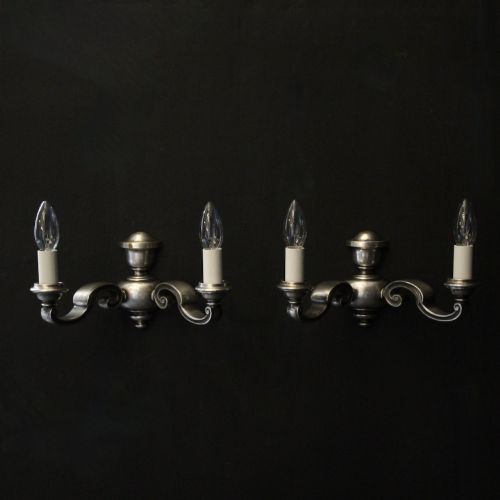
- A wall-mounted lighting fixture designed to hold candles, oil, or electric lamps, typically installed in pairs.
- Opaline Glass
- A milky, semi-translucent glass used for lamp shades to soften and diffuse light output evenly across a room.
- Verdigris
- A green patina formed naturally on copper or brass through atmospheric exposure over extended periods.
Edwardian Lighting Pair: Frequently Asked Questions
How do I wire period lamps for modern use?
Period metal lamps and wall lights generally accept modern flexible wiring through their existing hollow stems or central columns. Rewiring should be performed by a qualified electrician to ensure safety compliance while preserving original exterior components.
Original brass and copper housings usually require little modification to accommodate modern lamp holders. Retaining the original switches and backplates maintains the historical integrity of the installation.
Can I mix wall lights with table lamps?
Combining wall sconces and table lamps within the same room works effectively if the metal finishes or stylistic periods share common traits. Matching brass or copper tones creates visual continuity across different vertical and horizontal planes.
When blending styles from the Edwardian and Arts and Crafts movements, keeping the metal finish consistent prevents the interior from appearing disjointed. Symmetry remains key when positioning pairs within a shared space.
How do I clean brass and copper lighting?
Dusting with a dry microfiber cloth prevents grime accumulation without disturbing the aged surface patination. Aggressive metal polishes strip away historical character and should be avoided in favour of gentle cleaning.
Lacquered metal surfaces require only a damp cloth to remove surface marks. Unlacquered copper and brass will naturally darken over time, developing a deeper tone unique to the environment.
What is the difference between an oil lamp and a standard lamp?
Oil lamps feature built-in fuel reservoirs and burner assemblies designed for liquid paraffin, whereas standard lamps are tall floor-standing or table-top fixtures engineered specifically for illumination. Many period oil lamps have been safely converted to electricity while retaining their original brass or ceramic reservoirs.
Standard lamps provide ambient room lighting, while converted oil lamps often serve as decorative focal points on side tables or desks. Both formats frequently appear in matched pairs from the early twentieth century.