
Edwardian Leather Case
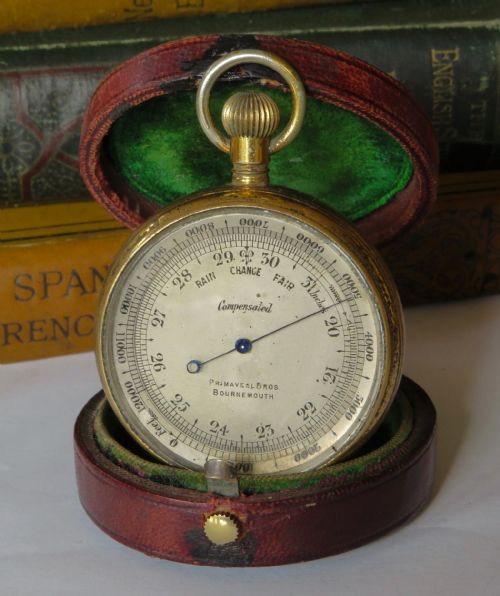
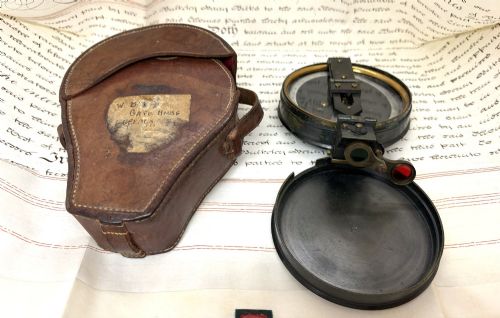
When you search for an edwardian leather case, you uncover fitted travel luggage, scientific instruments, and silver-mounted vanity boxes built for personal journeys.
Edwardian Leather Case
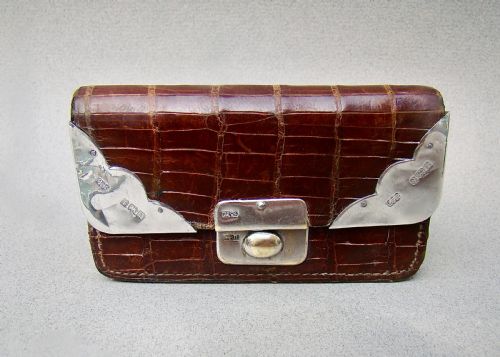
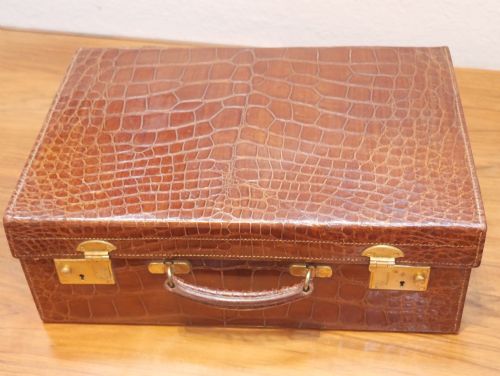
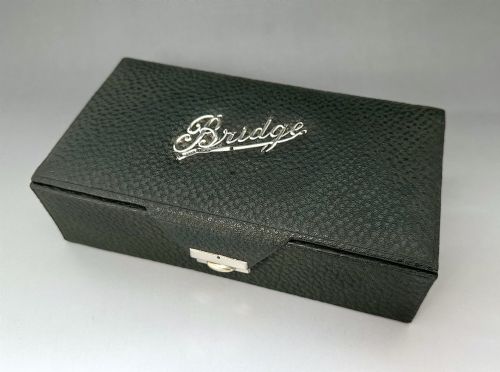
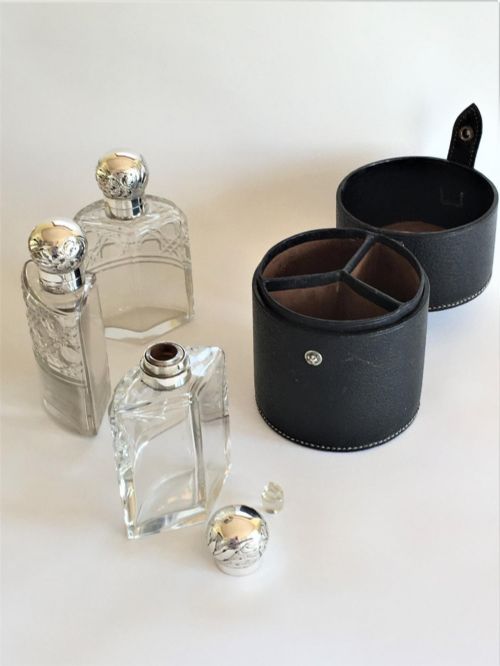
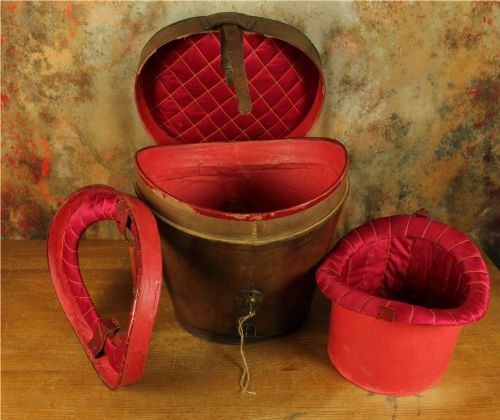
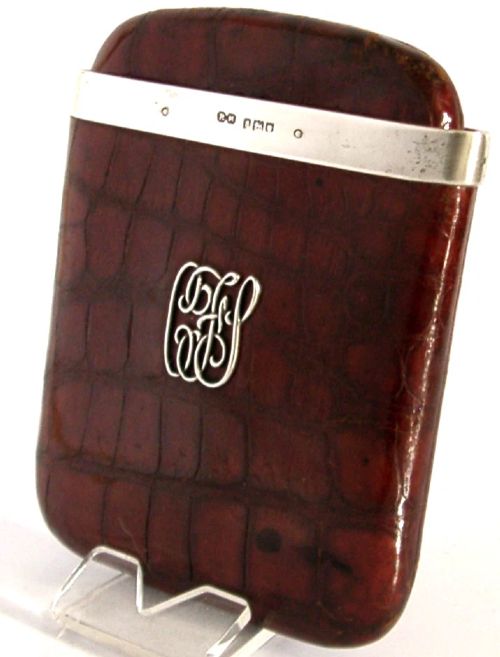
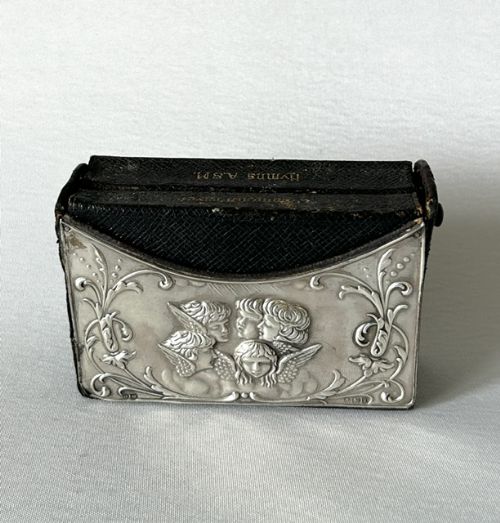
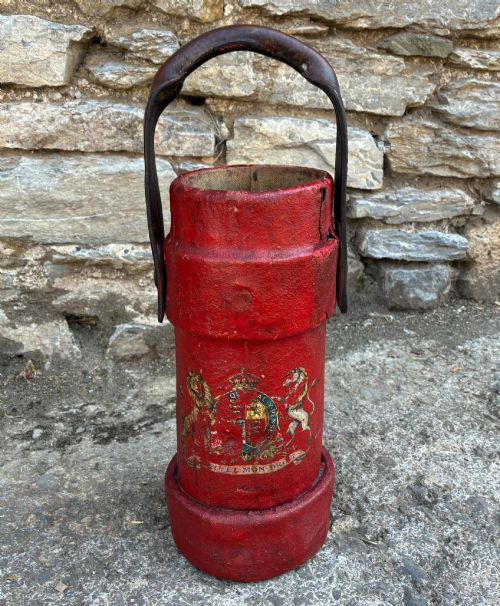
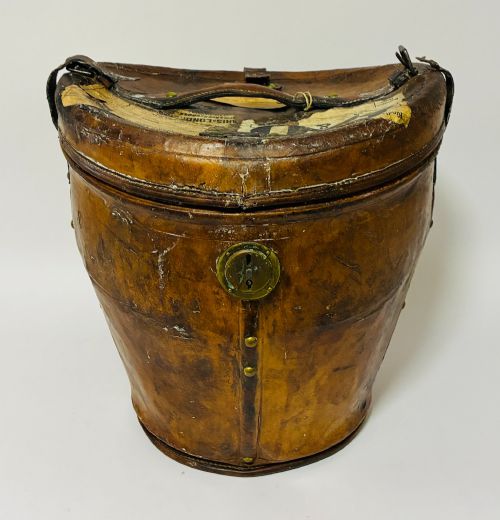
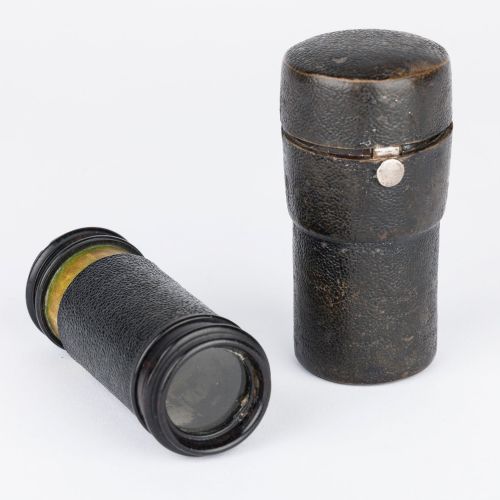
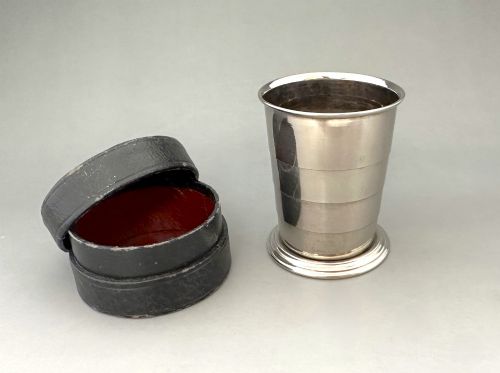
The edwardian leather case encompasses a wide variety of personal accessories and travel equipment, spanning gentleman's suitcases, writing boxes, and fitted picnic sets. Buyers frequently encounter smaller luxury items like crocodile skin purses, bridge boxes, and travelling cologne bottle trios alongside larger storage trunks.
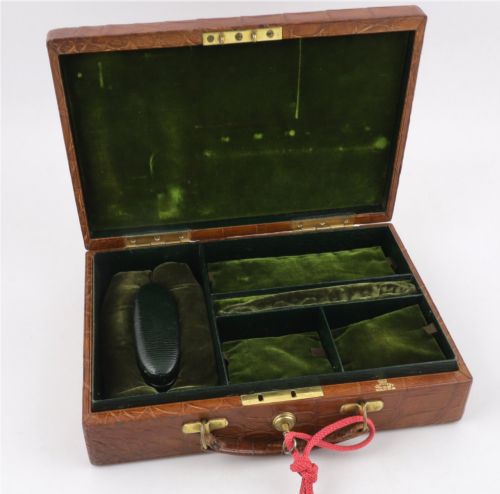
Many examples incorporate sterling silver mounts, glass bottles, and velvet linings designed to protect delicate contents during transit. These objects reflect an era of formal travel, social gaming, and precise field exploration across global routes.
Judging standard and execution
Superior examples distinguish themselves through complete interior fittings, original working keys, and hallmarked silver components matched precisely to the leather housing. High-grade specimens retain intact linings, crisp exterior tooling, and branded maker details that confirm their high-end retail origin.
Poorer quality versions often suffer from missing internal instruments, heavily degraded silk interiors, or replaced hardware that disrupts the integrity of the original assembly.
Listings feature items spanning the Victorian, Edwardian, and Art Deco periods, incorporating brass, sterling silver, and exotic crocodile leather.
Charles Penny Brown·J C Vickery·Lincoln Bennett·Ross London·Harrods London·JW Allen Strand
The Edwardian Leather Case Glossary
- Crocodile skin
- A durable, highly textured leather derived from crocodilian hides, frequently utilised for luxury edwardian pocket accessories and vanity cases. Its distinctive scale pattern provides natural water resistance and decorative appeal.
- Campaign case
- Portable furniture or equipment designed for military officers and travellers on active service abroad. These pieces feature recessed handles, reinforced brass corners, and robust construction to withstand rough transport.
- Fitted interior
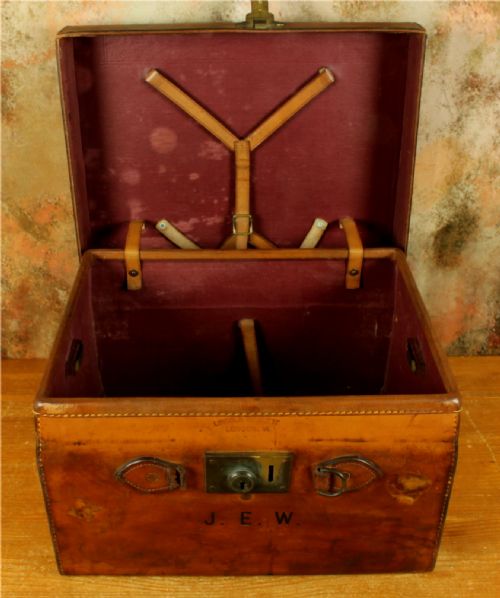
- An internal arrangement featuring tailored compartments, straps, and recesses designed to hold specific items such as glass bottles, razors, or playing cards. This layout ensures every component remains secure during movement.
- Sterling silver mount
- Decorative or structural silver elements attached to leather goods, carrying official assay office hallmarks for authenticity and date. These mounts frequently frame monograms, escutcheons, or closure clasps.
Edwardian Leather Case: Frequently Asked Questions
How do I clean historical leather?
Dust the surface gently with a dry, soft cloth to remove accumulated surface particles without applying excess moisture. Avoid modern chemical cleaners that might strip the original finish and historical patination from the hide.
Test any specialist leather conditioner on a hidden underside before treating visible exterior areas. Maintaining a stable indoor humidity level prevents the vintage hide from drying out or cracking over time.
Were these cases meant for travel?
These items served various purposes ranging from local commuting and social visits to extended expeditions across the British Empire. Robust trunks and saddle flasks supported rugged outdoor pursuits, while smaller vanity boxes accompanied upper-class passengers on steamships and trains.
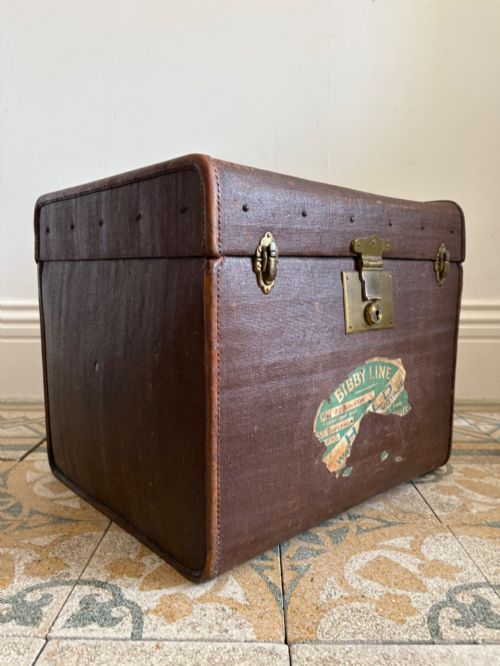
Many surviving pieces retain travel labels, stamps, and owner monograms documenting their journeys. Their durable construction ensured that delicate instruments, documents, and personal attire survived rigorous handling.
Can I use my case daily?
Gentle everyday use is possible for sturdier suitcases and document boxes provided you avoid overloading delicate internal fittings. Items featuring fragile silk linings or antique glass bottles require careful handling to prevent accidental breakage.
Securing replacement keys should be done cautiously to avoid damaging original lever locks. Treating the leather with care preserves the functional integrity and historical value of the piece.
How do I spot a later replica?
Examine the hardware, stitching methods, and internal materials for consistency with early twentieth-century manufacturing standards. Modern machine sewing, synthetic adhesives, and incorrect fastener styles often reveal recent reproduction efforts.
Genuine pieces display authentic wear patterns, period hallmarks on silver elements, and appropriate ageing on the underlying brass and wood. Comparing the construction details against documented examples helps confirm authenticity.