




Edwardian Lacquer Furniture
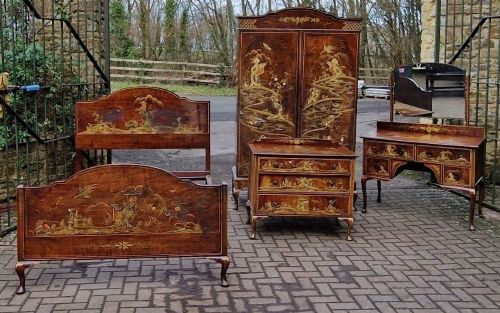
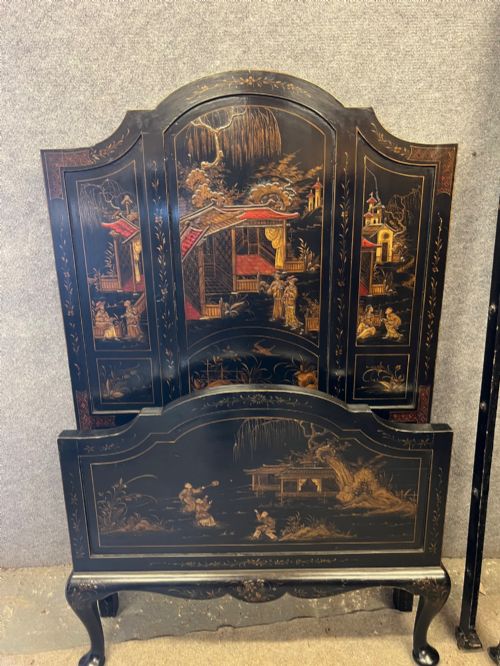
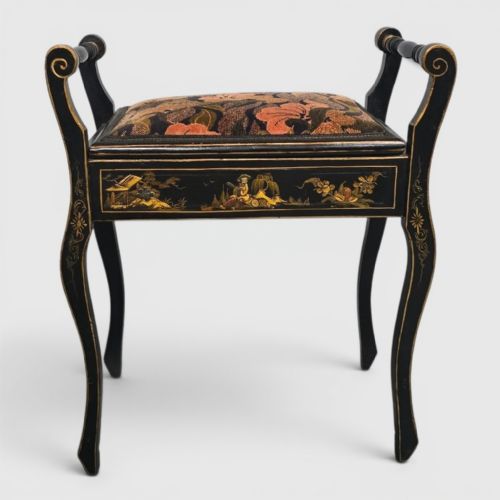
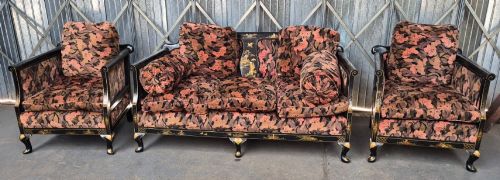
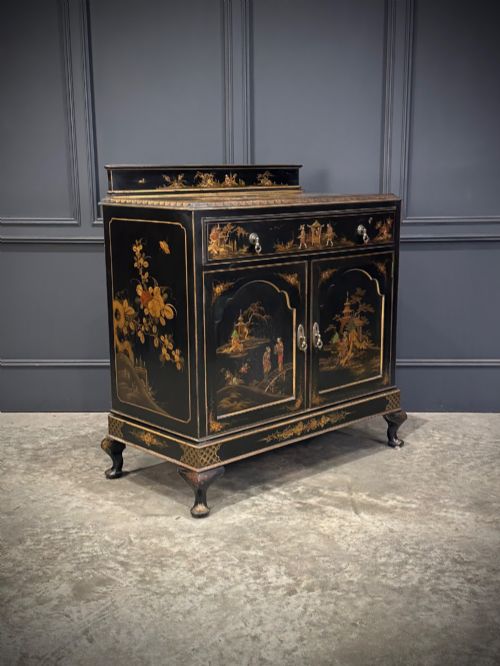
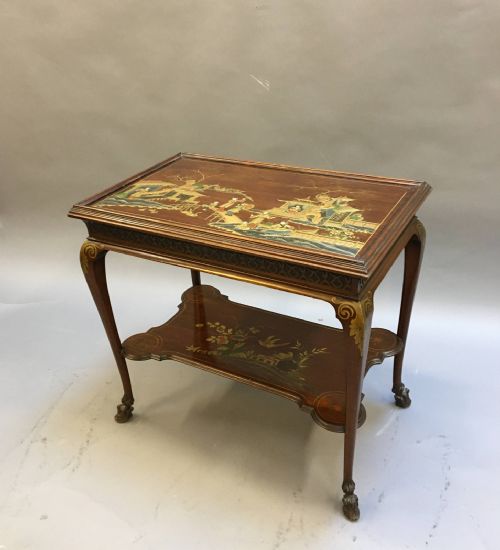
Edwardian lacquer furniture brings surface narrative and rich black or cream ground tones into a room.
Edwardian Lacquer Furniture
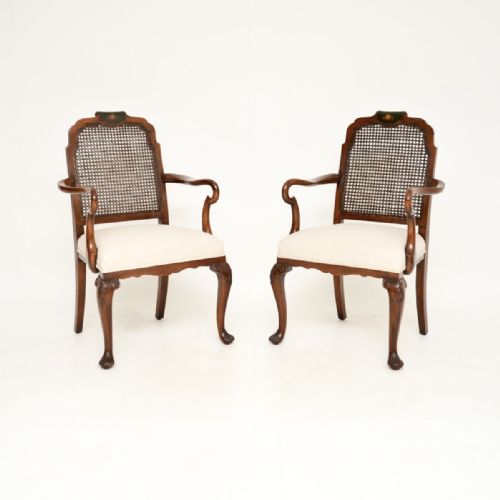
Edwardian lacquer furniture encompasses tables, cabinets, and seating finished with orientalist decoration, often drawing on earlier 19th-century traditions.
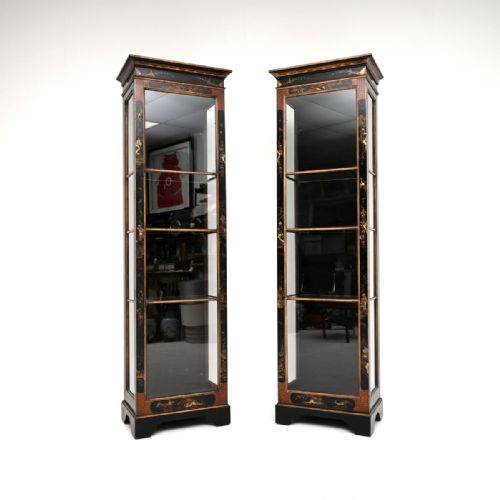
Buyers seeking Edwardian lacquer furniture encounter side tables, display cabinets, and occasional pieces that reflect Chinoiserie and Aesthetic Movement tastes.
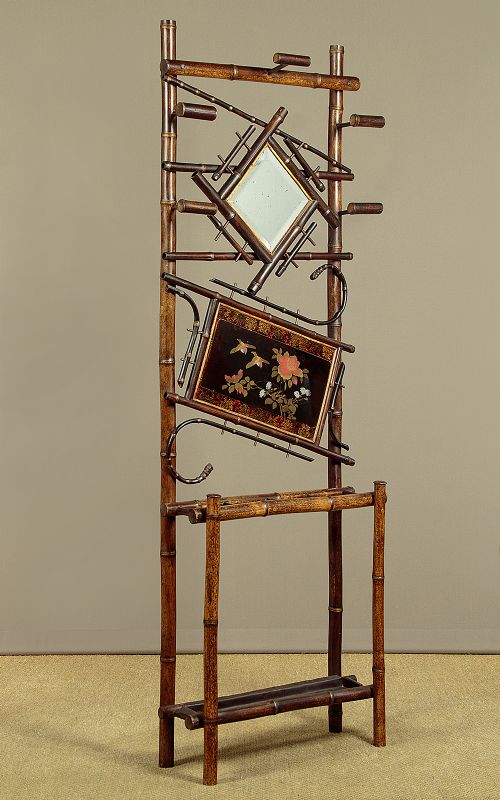
The objects span varied periods including the Edwardian era, 19th century, and the 1920s, featuring bamboo, hardwood, and ebonised frames.
Materials and construction
Pieces combine wood, bamboo, and hardwood structures finished with layers of lacquer, gold leaf, and gilt details.
Surface decoration relies on traditional japanning and Chinoiserie motifs applied to black, pale cream, or ebonised grounds.
Hardware incorporates brass fittings and glass panels where display cabinets and tables require functional transparency.
Edwardian Lacquer Furniture Retail Price Guide 2026
Typical asking prices for edwardian lacquer furniture among the pieces listed under this phrase on Sellingantiques today, from the lower quarter to the upper quarter. They describe what is for sale here now, not the wider market.
Listings feature woods such as walnut and bamboo, paired with decorative applications of gold leaf and glass.
Evaluating quality
Quality rests in the crispness of the gilt decoration and the depth of the lacquer surface across cabinets and tables.
Construction standards depend on the stability of the underlying timber, whether solid walnut, hardwood, or bamboo frames.
Whytock and Reid
The Edwardian Lacquer Furniture Glossary
- Chinoiserie
- European interpretation of Chinese and East Asian artistic motifs, heavily utilised in lacquer decoration on furniture. It appears frequently on cabinets and tables from the Victorian and Edwardian periods.
- Japanning
- European imitation of East Asian lacquerwork, created by building up layers of varnish and metallic dust. This technique produces the durable dark or cream grounds seen on chests and side cabinets.
- Etagere
- An open tiered piece of furniture designed for displaying small objects or ornaments. Examples often incorporate bamboo, ebonised wood, and brass details.
- Shodana
- A traditional Japanese display cabinet featuring asymmetrical shelving and decorative panels. These imported or inspired pieces appear in late 19th-century interiors.
- Bijouterie table
- A glass-topped display table intended for showing small valuables and curiosities. They often employ bamboo and lacquer frames.
Edwardian Lacquer Furniture: Frequently Asked Questions
What is Edwardian lacquer furniture?
Edwardian lacquer furniture consists of decorative tables, cabinets, and seating finished with Chinoiserie motifs and orientalist designs. These pieces often feature black or pale cream lacquered surfaces enhanced with gold leaf and gilt work.
Items range from display cabinets and side tables to piano stools and bedroom suites. They reflect a sustained 19th-century and early 20th-century fascination with Asian-inspired decorative arts.
How do I clean lacquered furniture?
Lacquered surfaces require gentle maintenance using a soft, dry cloth to remove dust without scratching the finish. Avoid chemical polishes, moisture, and direct sunlight to protect the fragile gold leaf and varnish.
Keeping pieces away from heat sources prevents the wood underneath from warping and cracking the delicate lacquer layers above.
How do I identify Chinoiserie style?
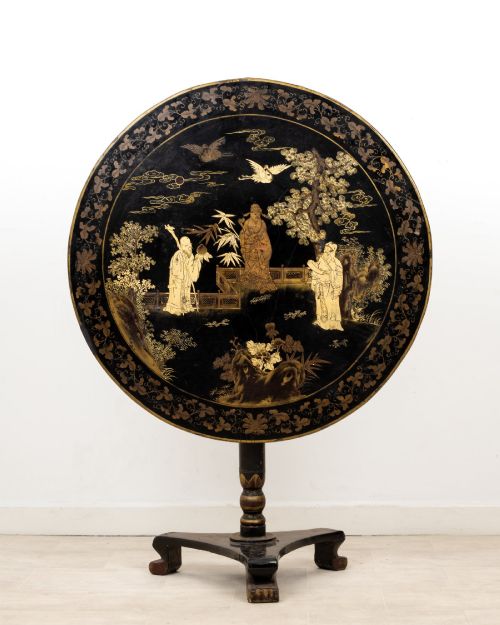
Chinoiserie style is identified by pictorial scenes depicting figures, pagodas, bridges, and flora rendered in gold or colours against a dark ground. The aesthetic draws on European interpretations of Chinese art.
This decoration appears across various object types, including tilt-top tables, trays, and large cabinets on stands.
Where were these pieces used?
These pieces served decorative and functional roles in formal reception rooms, drawing rooms, and hallways of period homes. Display cabinets and etageres showcased prized ceramics and small curiosities.
Smaller occasional tables and side cabinets provided practical surfaces while contributing to an eclectic, travelled interior aesthetic.