


Edwardian Jewellery Table
An edwardian jewellery table brings together polished mahogany, glass and silver to display cherished personal treasures.
Edwardian Jewellery Table
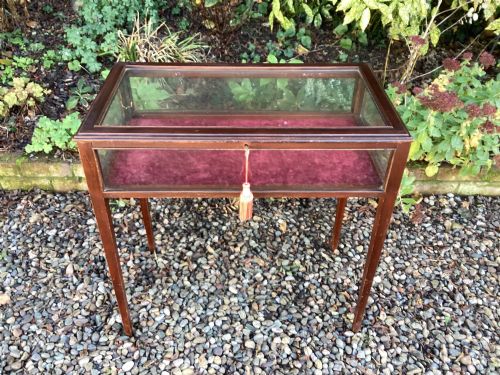
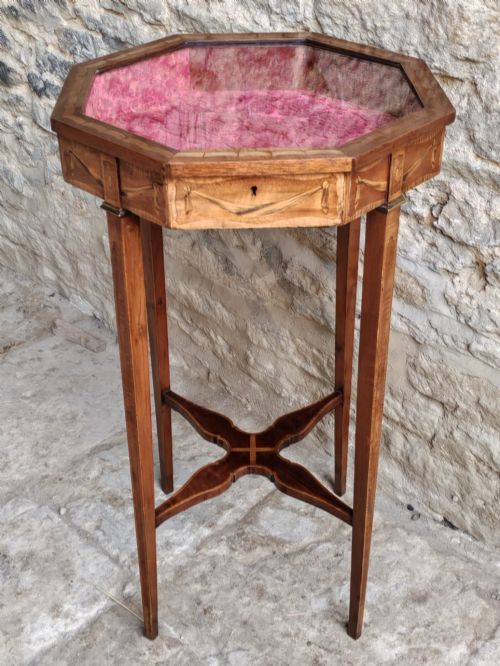
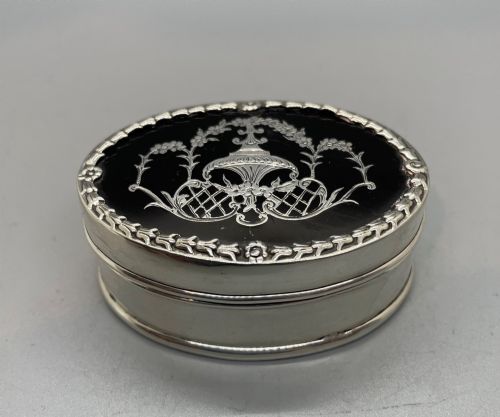
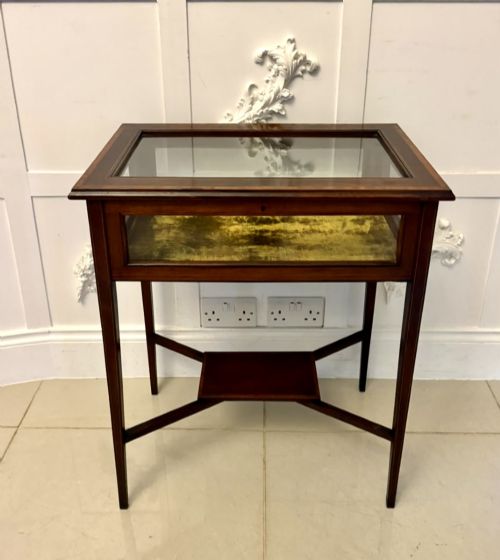
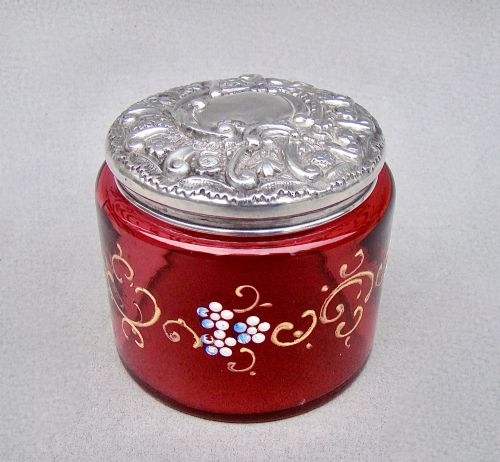
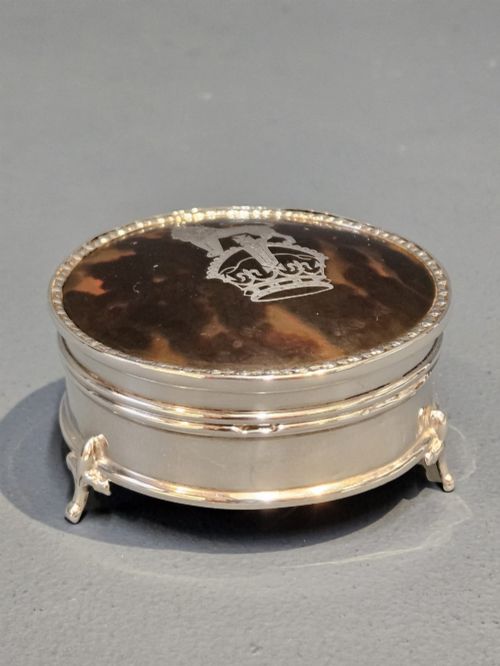
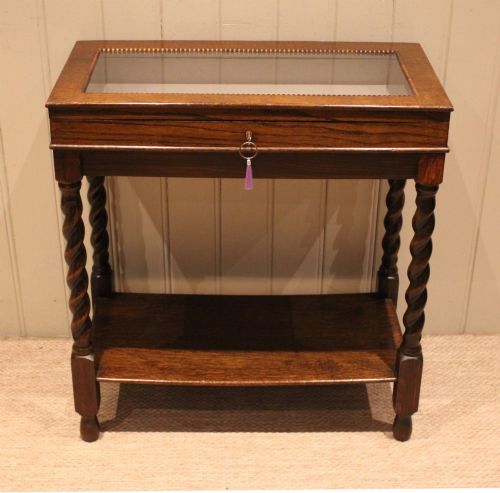
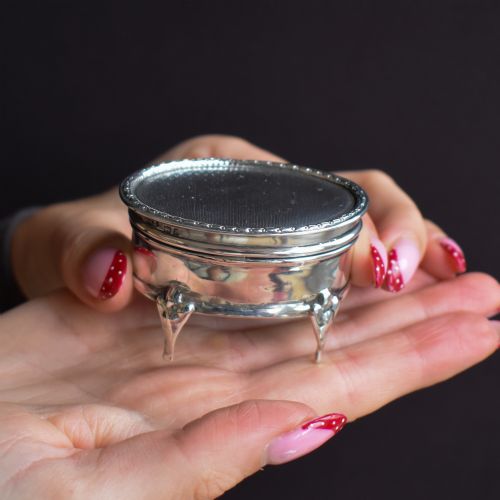
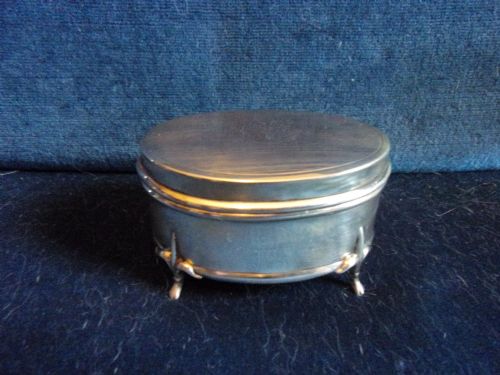
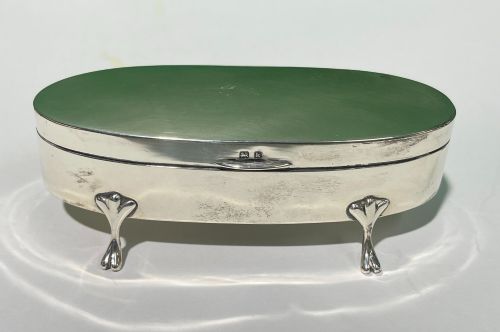
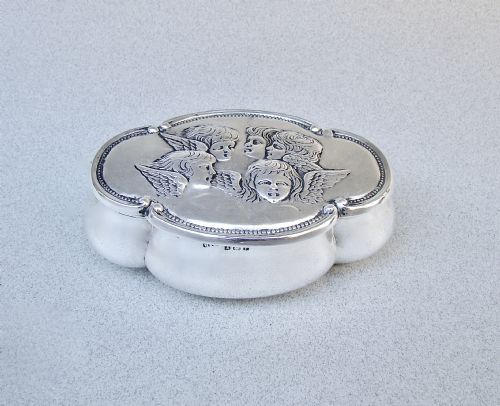
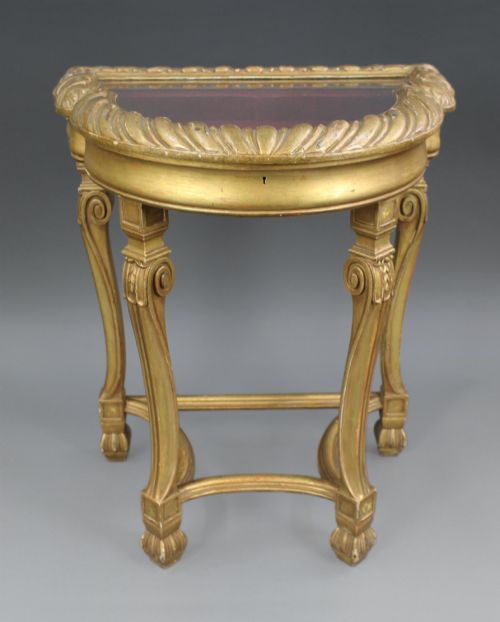
When searching for an edwardian jewellery table, buyers encounter a selection of specialised furniture designed to house and exhibit small valuables. The most common examples take the form of glazed mahogany bijouterie tables, alongside smaller sterling silver trinket boxes meant for dressing surfaces.
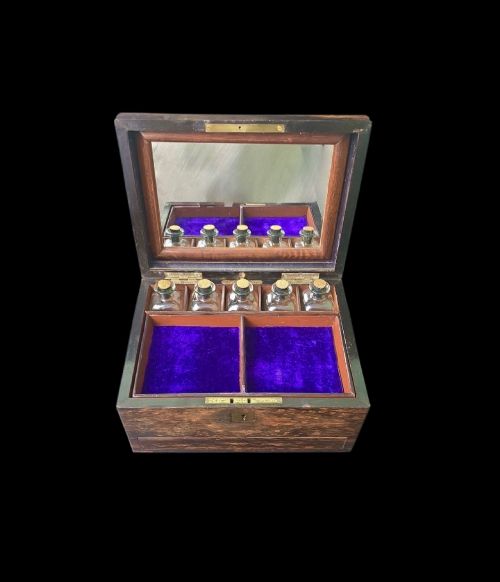
Originating predominantly from the early twentieth century, these pieces range from compact tabletop display cases to freestanding cabinets with glass tops. Mahogany and satinwood framing frequently houses lined interiors intended to protect rings, brooches and watches from damage.
Materials and Technique
Cabinet makers utilised solid and veneered timbers such as mahogany, satinwood and kingwood, often applying delicate stringing and marquetry inlay. Brass and ormolu mounts secure glazed panels and hinged lids, framing the interior display space with precise metalwork.
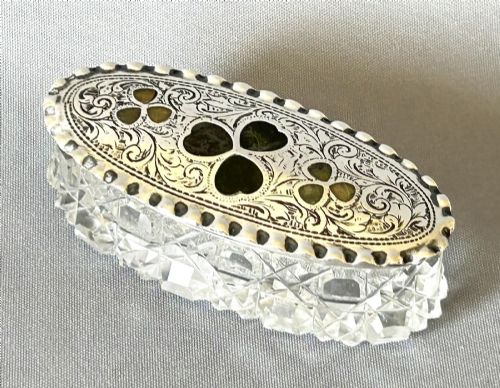
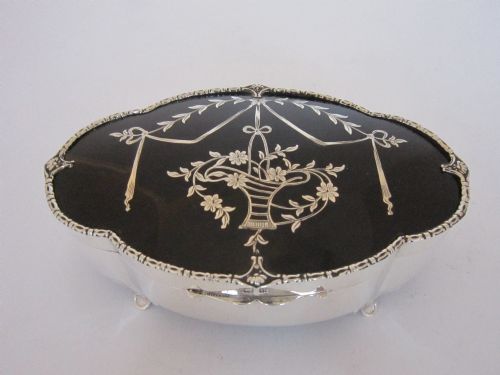
Silver boxes employ sterling silver panels stamped with hallmarks, frequently paired with tortoiseshell, guilloche enamel or inset glass. Interiors rely on plush velvet linings fitted to shape, holding individual items securely in place beneath transparent covers.
Edwardian Jewellery Table Retail Price Guide 2026
Typical asking prices for edwardian jewellery table among the pieces listed under this phrase on Sellingantiques today, from the lower quarter to the upper quarter. They describe what is for sale here now, not the wider market.
Some silver trinket boxes include fitted ring trees designed to hold fragile Edwardian wedding bands upright.
Craftsmanship and Distinction
Distinction in these pieces lies in the precision of the timber joinery and the weight of the metal components used throughout the structure. Heavier gauge silver, crisp ormolu mounts and finely figured mahogany veneer separate standard workshop output from exceptional examples.
The integration of specialised materials like pique work, citrene gemstones or genuine tortoiseshell elevates a piece significantly. Superior items display harmonious proportions, unblemished glass panels and interior linings that show minimal wear over generations of use.
Asprey and Co.·Edwards and Roberts·Ollivant and Botsford·William Comyns
The Edwardian Jewellery Table Glossary
- Bijouterie table
- A glass-topped display table specifically designed for showing small ornaments, jewellery and curiosities.
- Guilloche enamel
- Decorative mechanical engraving beneath a transparent enamel layer, commonly seen on silver box lids.
- Ormolu
- Gilt bronze mounted onto furniture frames or decorative boxes to provide metallic contrast and ornamental detail.
- Pique work
- The meticulous inlay of tiny gold or silver pins into tortoiseshell or ivory to form geometric or floral patterns.
- Stringing
- Thin lines of contrasting timber inlaid into furniture surfaces to accent edges and structural outlines.
Edwardian Jewellery Table: Frequently Asked Questions
How were bijouterie tables used?
These tables sat in drawing rooms so hosts could display collections of medals, miniatures and fine jewellery to visiting guests.
The glass top protected delicate items from dust while keeping them fully visible for social viewing and polite conversation.
What is the difference between a table and a box?
Bijouterie tables stand on legs as independent furniture items with glass display compartments built into the upper section.
Trinket boxes and dressing table cases are smaller portable containers designed to rest upon chests of drawers or vanity surfaces.
How do I care for the interior velvet?
Original fabric linings require gentle dry cleaning with a soft brush to remove dust without disturbing the fragile fibres.
Keep these pieces away from direct sunlight to prevent the underlying timber from fading and the textile colours from bleaching.
Are tortoiseshell panels authentic?
Period examples utilise genuine hawksbill turtle shell, which exhibits warm amber and brown mottled tones unique to organic material.
Later adaptations or faux versions lack the natural depth and characteristic tactile warmth found in genuine antique specimens.