




Edwardian Jardiniere Table
An edwardian jardiniere table brings greenery indoors on a raised platform, offering plant display and surface space for a period interior.
Edwardian Jardiniere Table
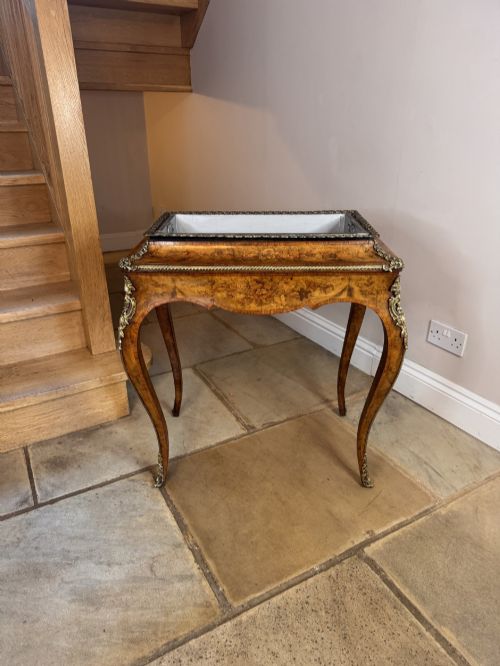
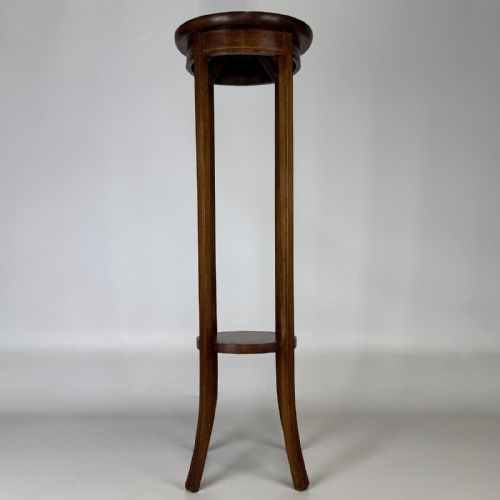
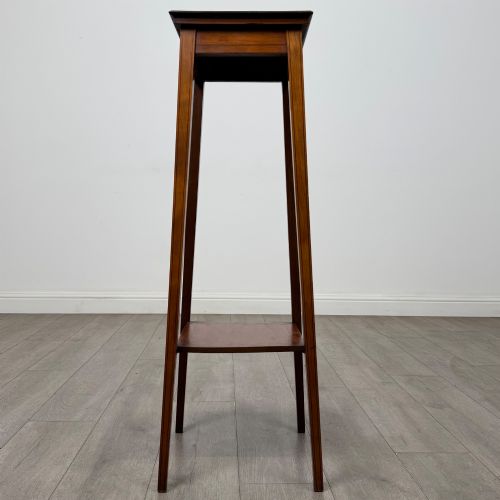
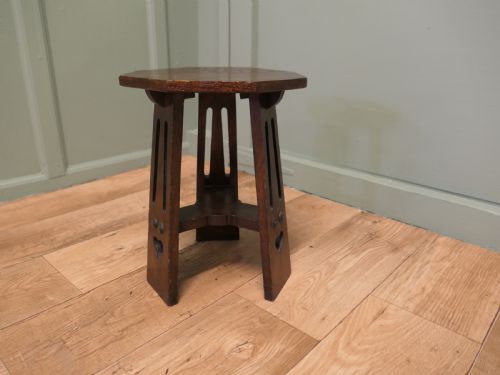
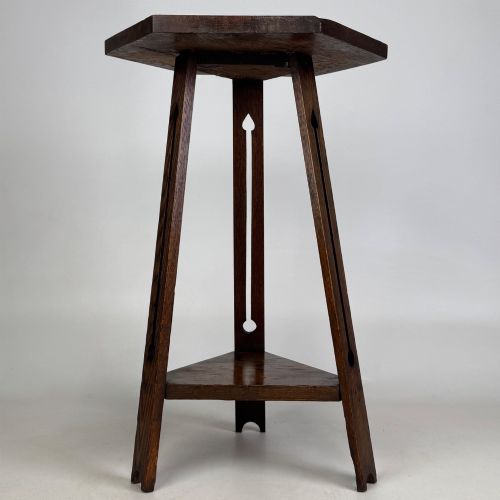
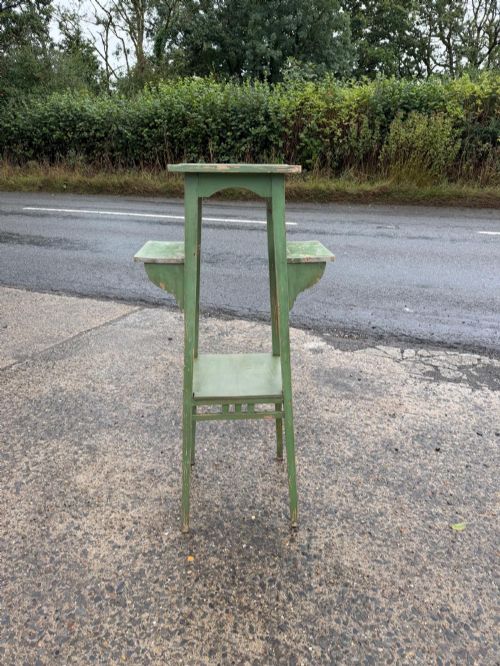
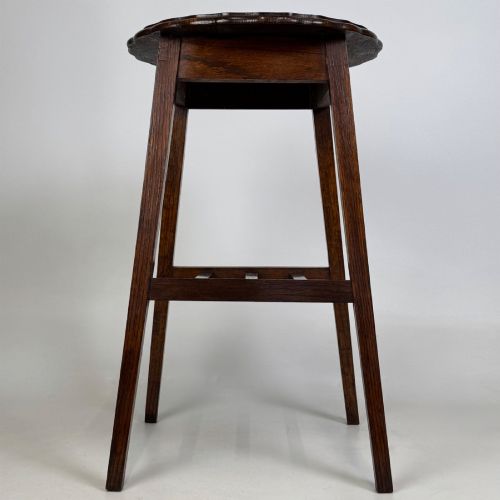
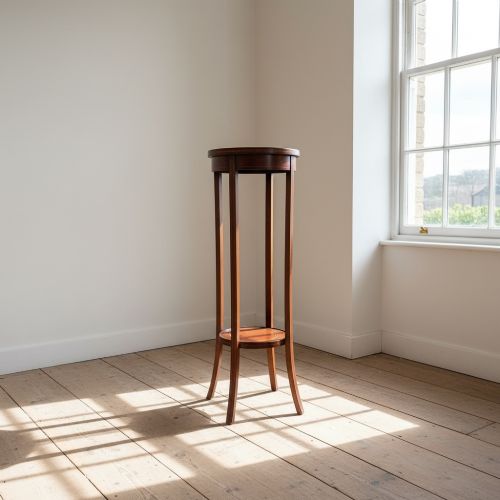
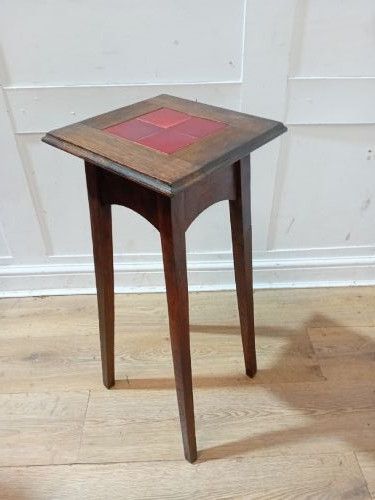
An edwardian jardiniere table functions primarily to hold potted plants, flowers or decorative bowls within a room or conservatory. These pieces take the form of plant stands, occasional tables, side tables and multi-tiered pedestals.
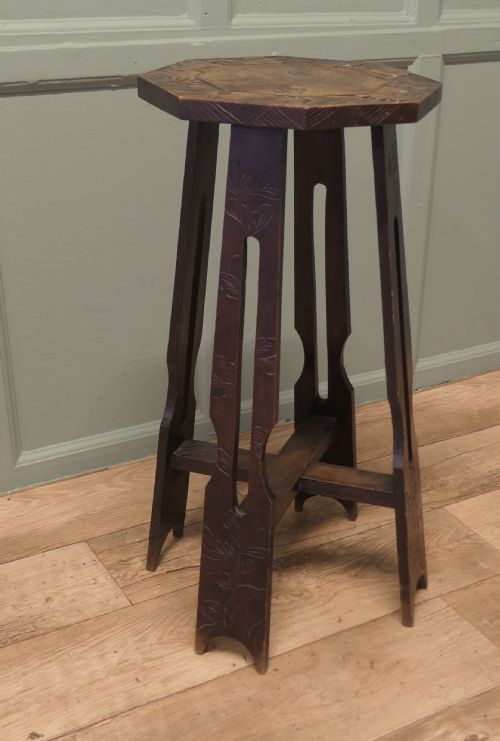
The pieces appearing in this category span the Edwardian period alongside late nineteenth-century Victorian examples, 1900 items, and pieces from the nineteen-twenties. Forms range from simple octagonal or hexagonal plant stands to elaborate two-tier tables with lower shelves.
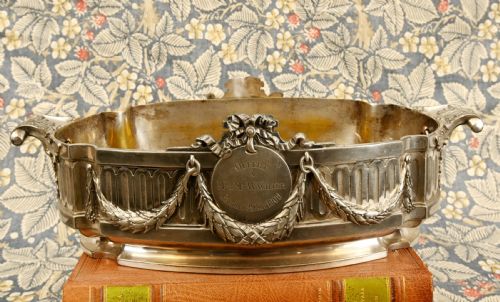
Makers and workshops constructed these items to suit domestic plant displays, often combining table surfaces with dedicated metal or ceramic liners for holding damp pots. Buyers meet tall torchieres, low side tables, and freestanding planters among the selection.
How they were made
Cabinet makers utilised timbers such as oak, mahogany, satinwood, burr walnut, elm, hardwood and kingwood to build the framework of these stands. Inlaid details, carved ornaments, and original paint finishes appear frequently across the wooden structures.
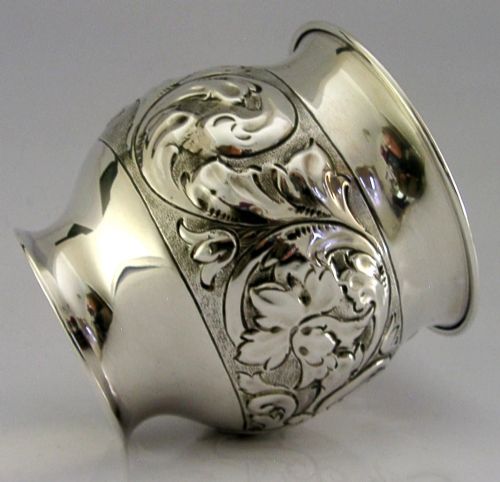
Metal and ceramic elements form an integral part of the construction, featuring brass, silver plate, ormolu, wrought iron and wire work alongside fitted decorative bowls or pots. These materials combine to support the weight of wet soil and heavy plants without compromising stability.
Edwardian Jardiniere Table Retail Price Guide 2026
Typical asking prices for edwardian jardiniere table among the pieces listed under this phrase on Sellingantiques today, from the lower quarter to the upper quarter. They describe what is for sale here now, not the wider market.
Listings feature woods such as oak, mahogany, satinwood, walnut and elm, paired with brass, silver plate and ormolu.
What varies in quality
The standard of timber selection and complexity of joinery distinguish finer examples from standard production pieces. Finely figured mahogany, rich satinwood, and detailed marquetry inlay elevate the presence of a table.
The integration of secondary materials defines the build quality, particularly the weight of the brass or silver-plated liners and the crispness of carved elements like barley twist legs and organic Art Nouveau motifs.
Liberty & Co·Royal Worcester
The Edwardian Jardiniere Table Glossary
- Jardiniere
- A decorative pot or stand designed to hold plants or flowers. These items sit on the floor or on furniture surfaces.
- Torchiere
- A tall stand or pedestal originally intended to support a torch or lamp. In this context, the term describes elevated plant stands.
- Inlay
- A technique where contrasting materials are inserted into a wood surface to form decorative patterns. Satinwood and mahogany tables frequently feature this work.
- Occasional table
- A small, light table that can be moved around a room as needed. Many plant stands double in function as lamp or side tables.
Edwardian Jardiniere Table: Frequently Asked Questions
What is an edwardian jardiniere table used for?
These pieces serve as decorative stands for potted plants, ferns and floral arrangements inside houses and conservatories. They raise greenery off the floor to display foliage at a visible height.
Many designs incorporate lower tiers or side surfaces that allow the furniture to function simultaneously as a lamp table or small occasional table.
Are these tables waterproof?
Most antique stands rely on removable metal liners, silver-plated inserts, or ceramic pots to contain moisture from watering plants. The wooden frames themselves are not treated for standing water.
Owners should remove the inner vessels when watering plants to prevent moisture from damaging the surrounding wood, veneer or inlay.
Where should I place a plant stand at home?
These stands suit conservatories, hallways, living rooms and bay windows where natural light supports plant growth. Their compact footprints allow them to fit into corners or beside seating.
Ensure the selected spot matches the weight and stability of the particular stand, particularly with taller torchiere styles.