


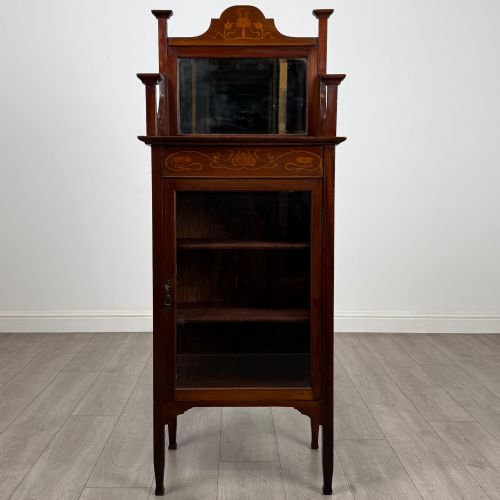
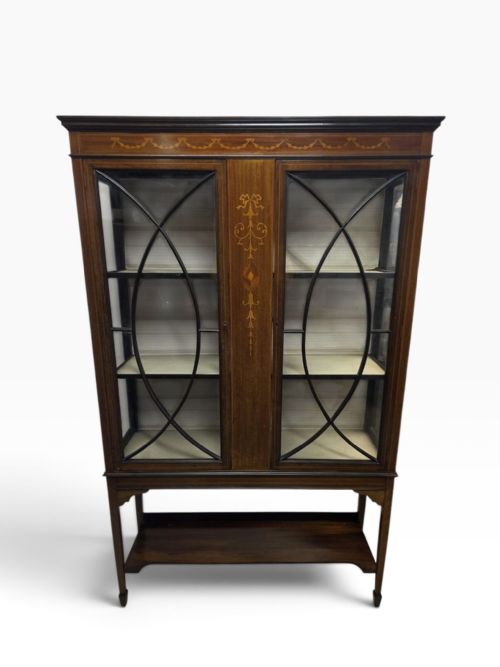
Edwardian Inlay Cupboard
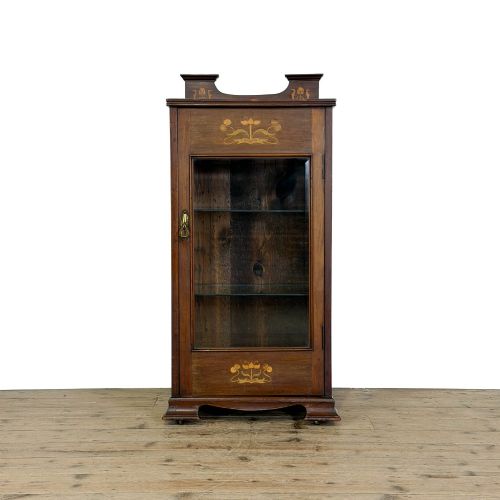
An edwardian inlay cupboard brings together fine timber and delicate marquetry, offering practical storage with the lighter proportions characteristic of the period.
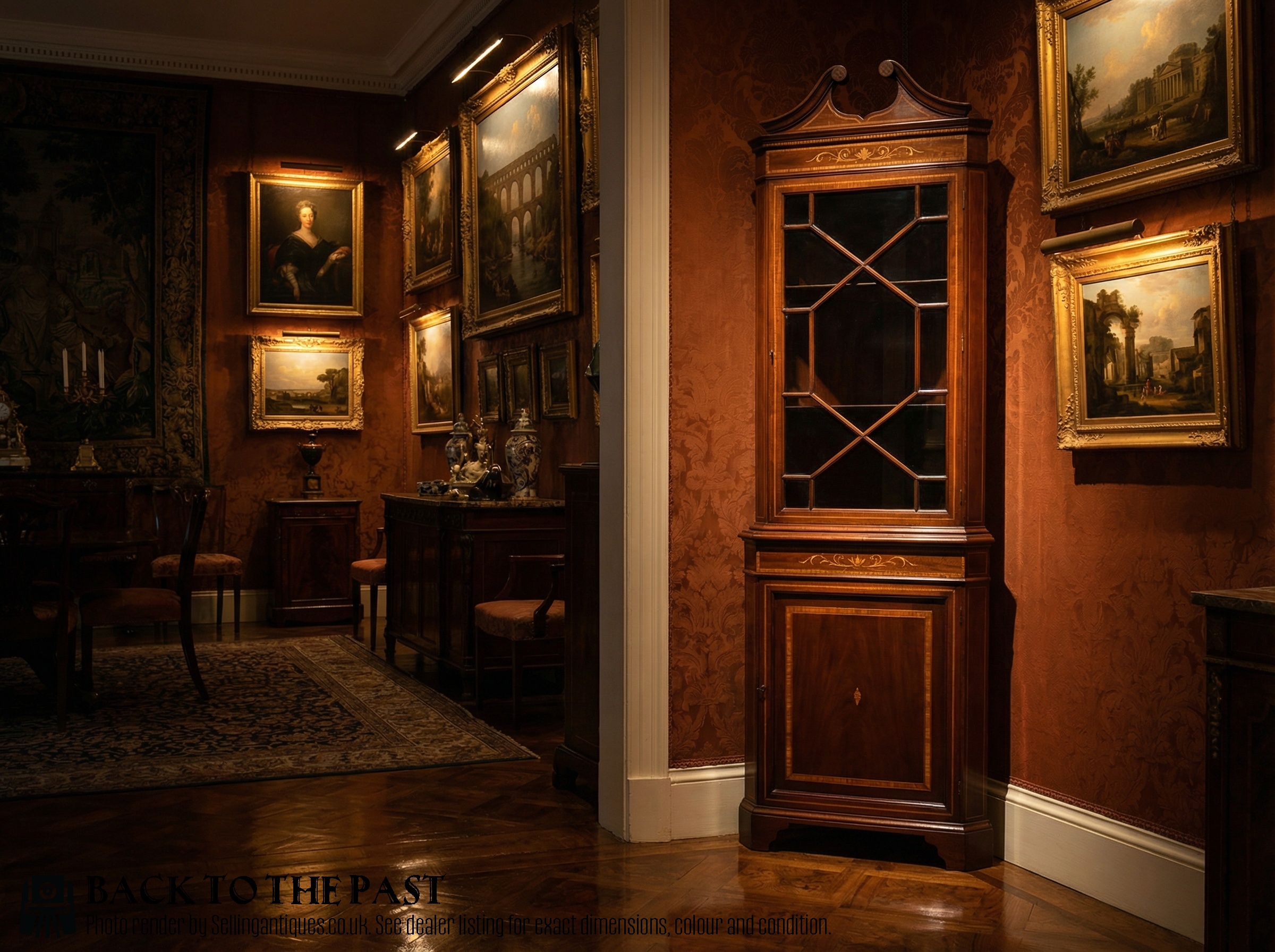
Edwardian Inlay Cupboard
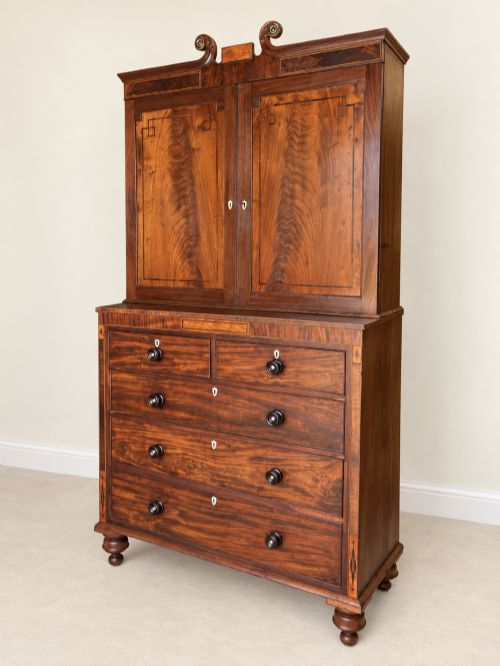
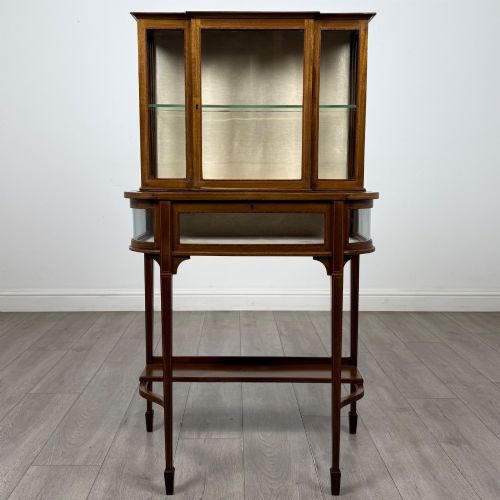
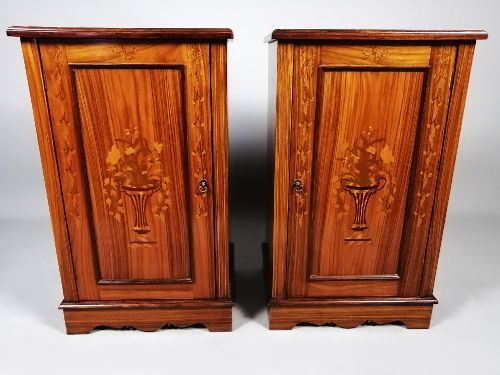
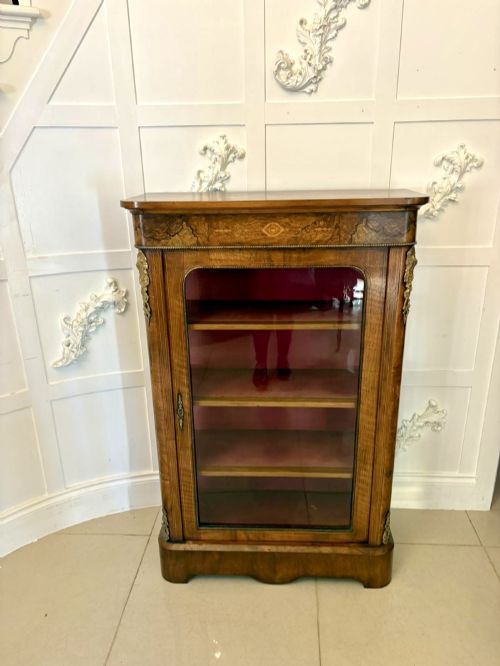
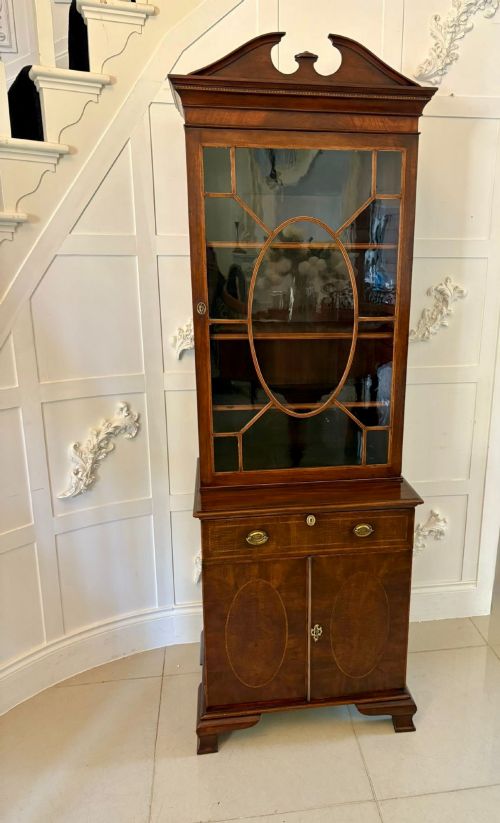
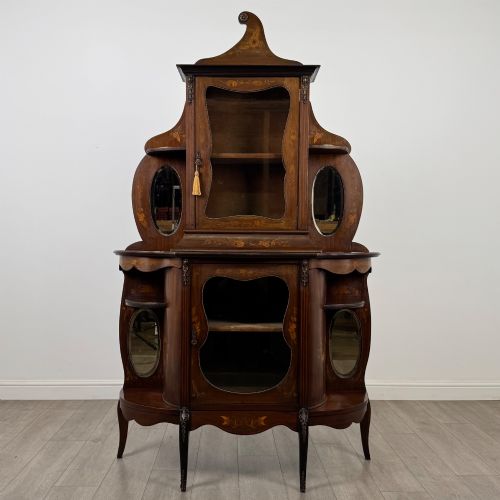
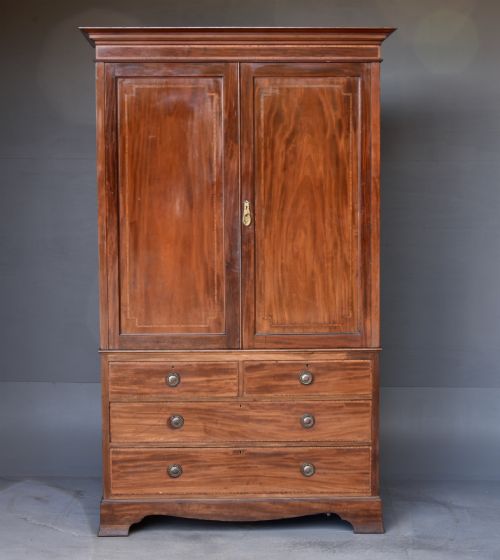
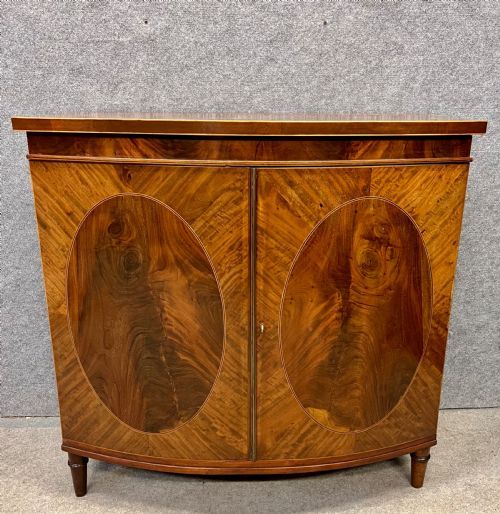
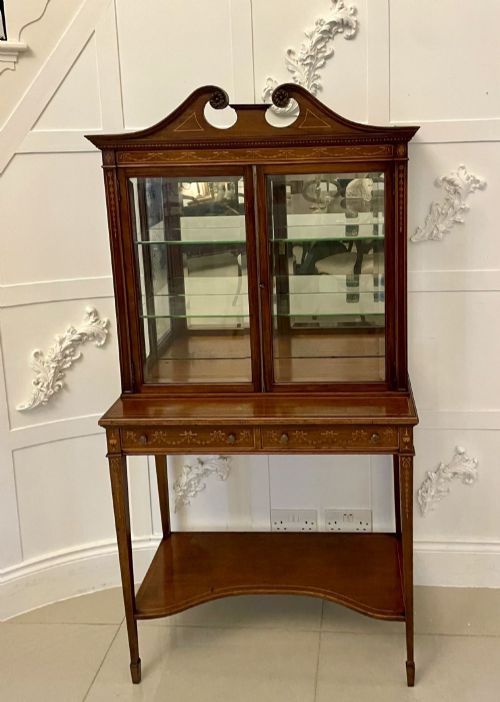
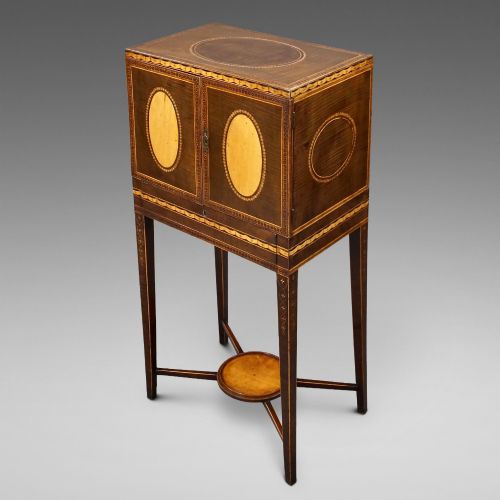
The edwardian inlay cupboard appears in several distinct forms across these listings, ranging from compact bedside cabinets and corner units to larger display cabinets, side cabinets, and wardrobes. Most examples belong to the Edwardian period or the late nineteenth century, often reflecting the revival of earlier Georgian designs.
Makers and workshops of the era utilised classical proportions, frequently shaping pieces as demi-lune sideboards, bow-ended display units, or tall narrow cabinets. While the core of the selection dates from the early twentieth century and the 1880s, Victorian precursors also emerge in similar woods and formats.
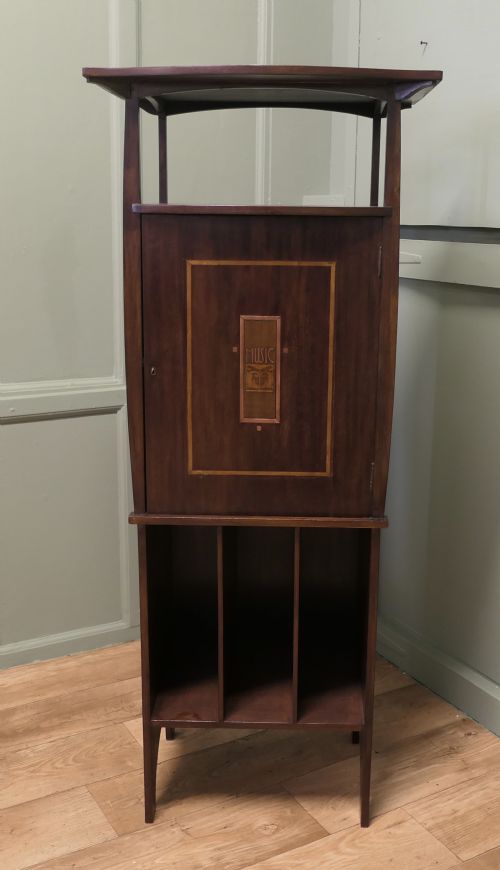
Buyers seeking an edwardian inlay cupboard will encounter variations designed for specific domestic rooms, including music cabinets, smokers' cupboards, and wardrobe armoires. The underlying framework remains functional while prioritizing decorative surface work.
Judging Quality
Quality rests primarily on the crispness of the cabinet work and the precision of the contrasting inlay. Sharply executed boxwood stringing and balanced marquetry separate standard production from superior pieces.
The choice of timber underpins the overall grade, with burr walnut, figured mahogany, and polished satinwood commanding greater attention. Interior fitting, original brass hardware, and intact glazed panels further distinguish the better examples.
Listings feature woods spanning mahogany, satinwood, walnut, and burr walnut, reflecting diverse aesthetic preferences across the Edwardian and late Victorian periods.
GM Elwood for JS Henry·maples & co·Edwards & Roberts·Morant & Co
The Edwardian Inlay Cupboard Glossary
- Inlay
- A decorative technique where pieces of contrasting wood are fitted into recesses flush with the surface. This method creates geometric borders or pictorial motifs.
- Marquetry
- Elaborate patterns of veneer assembled to form pictures or ornamental designs across a cabinet door or top. It differs from simple linear inlay by utilising complex pictorial arrangements.
- Satinwood
- A pale, lustrous timber native to India and Ceylon, highly prized for its golden sheen. Cabinet makers utilised it extensively during the Sheraton Revival for banding and full veneering.
- Crossbanding
- A strip of veneer applied across the grain of the primary panel to form a contrasting border. This technique frames the top or door of a cabinet.
- Demi-lune
- A half-moon or semicircular shape applied to the plan of sideboards and cabinets. It allows the furniture to sit flush against a wall while maintaining a curved front profile.
Edwardian Inlay Cupboard: Frequently Asked Questions
What rooms suit an edwardian inlay cupboard?
These cabinets suit living spaces, bedrooms, and hallways depending on the specific form chosen. Bedside versions and corner units fit smaller rooms, while larger display cabinets and wardrobes anchor principal reception spaces.
Their lighter timbers and delicate stringing allow them to integrate easily with both traditional and contemporary interiors without dominating the room.
How do I distinguish Edwardian from Victorian cabinets?
Edwardian pieces generally exhibit lighter proportions, paler woods like satinwood, and a refined delicacy inspired by Sheraton revivals. Victorian predecessors tend to be heavier in build, utilising darker mahogany and richer burr walnut.
Examining the interior linings, backboards, and hardware often helps clarify the manufacturing era when the exterior style borrows from earlier centuries.
Where should I place a display cabinet?
Display cabinets with glass doors and shelving work best in dining rooms, sitting rooms, or hallways where natural light enhances the glazed sections. Positioning them away from direct sunlight protects the polished mahogany or satinwood surfaces from fading.
Ensure the floor is level so the doors hang true and latch correctly against the frame.
How do I care for inlaid wood surfaces?
Maintain inlaid surfaces by dusting regularly with a soft, dry cloth and applying a quality beeswax polish sparingly to nourish the timber. Avoid placing cabinets near direct heat sources or in damp conditions, which can cause veneers to lift.
Gentle maintenance preserves the contrast between the boxwood stringing and the surrounding mahogany or walnut.