
Edwardian Inlay Bookcase
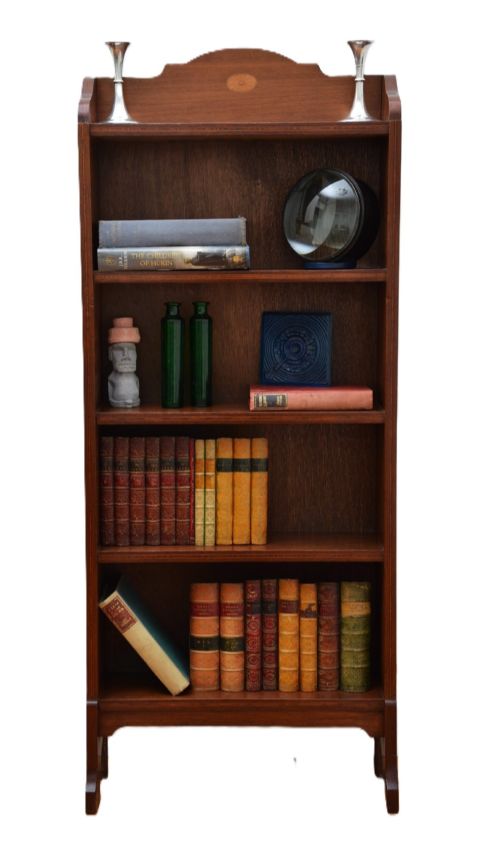
An edwardian inlay bookcase brings refined cabinetwork and warm timber tones to a room, offering practical storage for volumes alongside decorative display.

Edwardian Inlay Bookcase
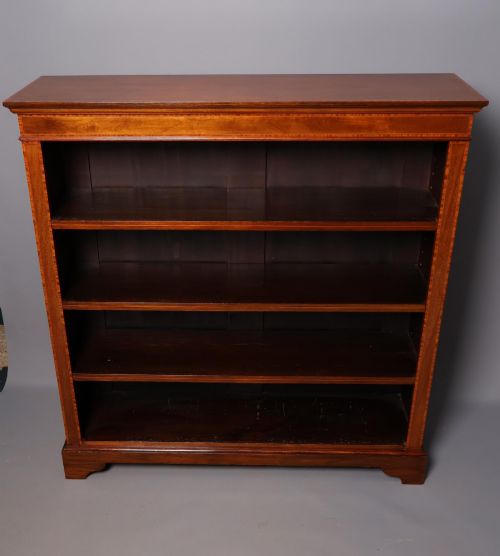
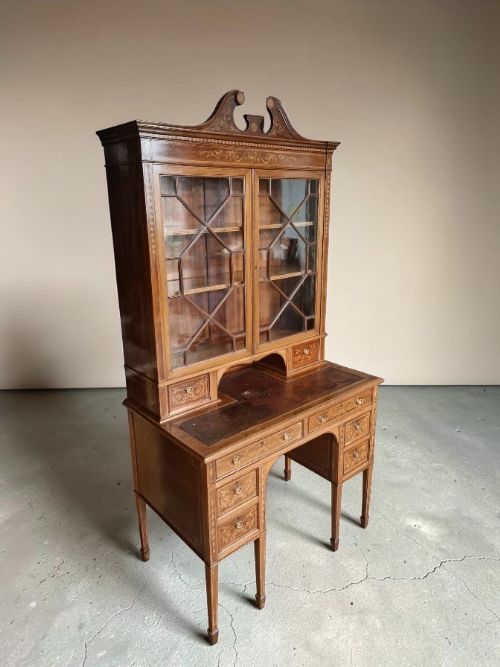
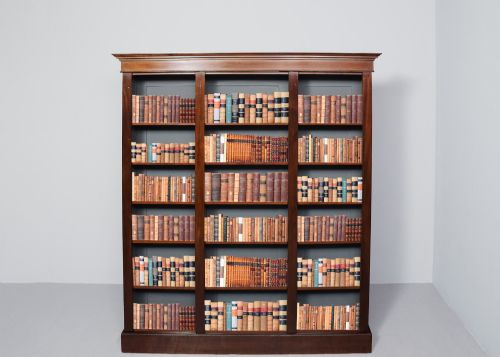
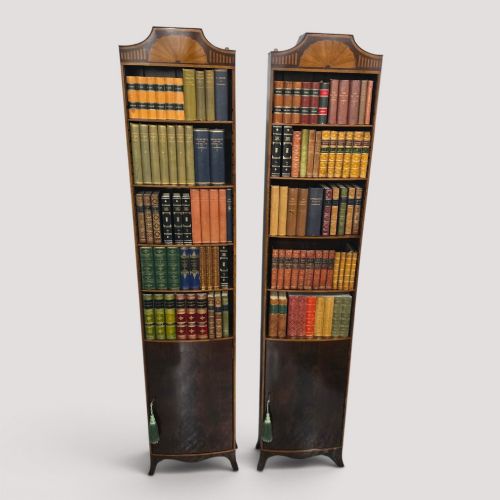
An edwardian inlay bookcase is a piece of furniture designed for holding books or showing ornaments, typically taking the form of upright cabinets, open shelves, or revolving designs. The pieces you encounter most often on this page date from the Edwardian period and the late nineteenth century, executed in mahogany with contrasting timber details.
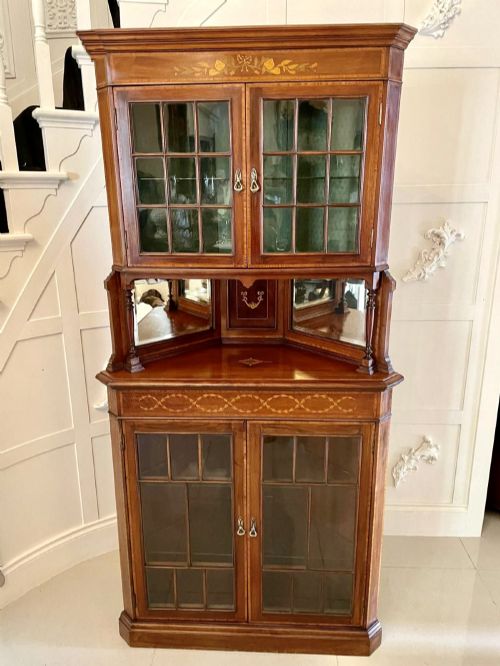
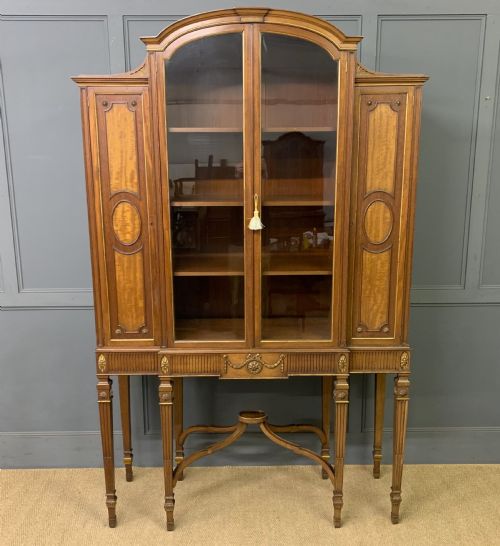
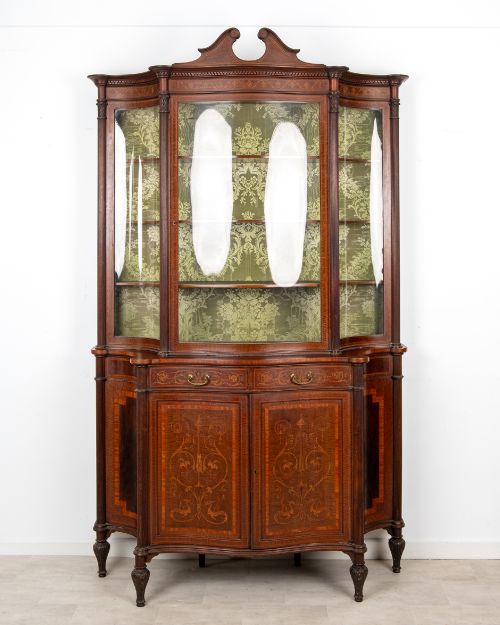
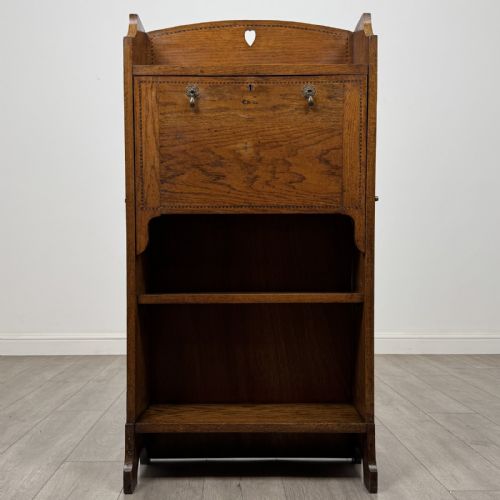
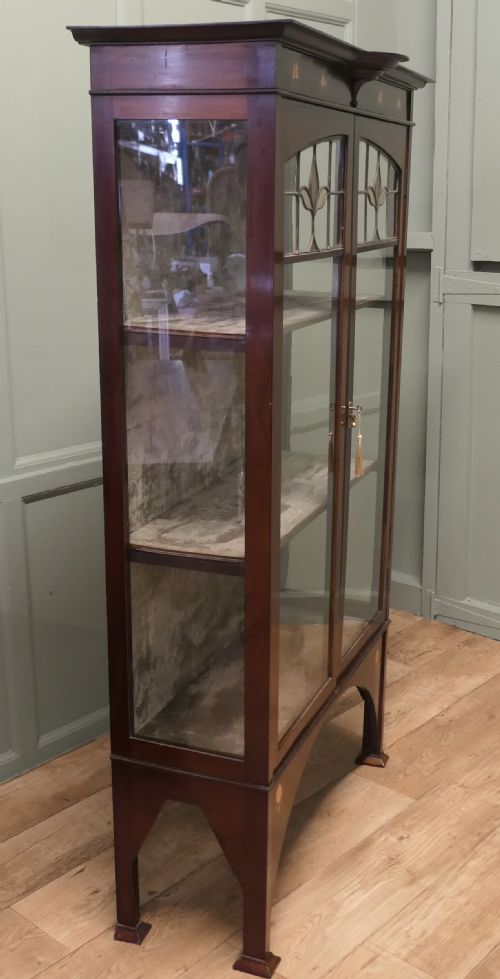
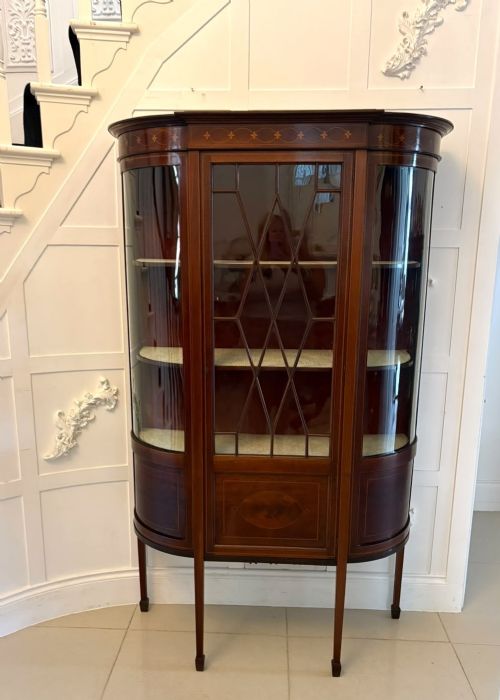
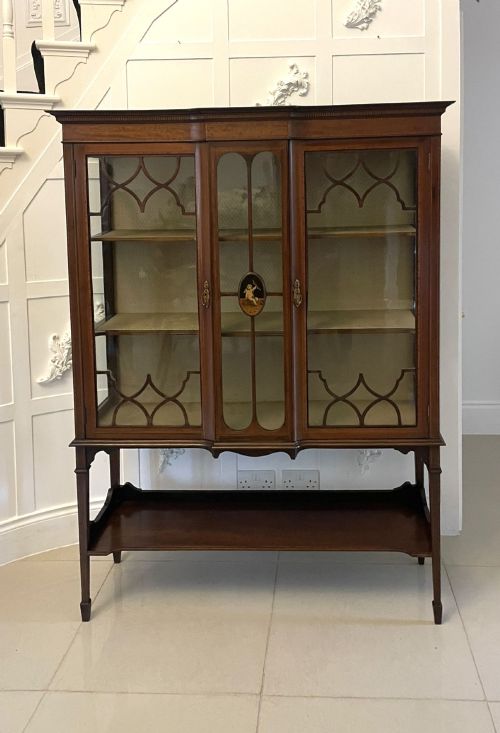
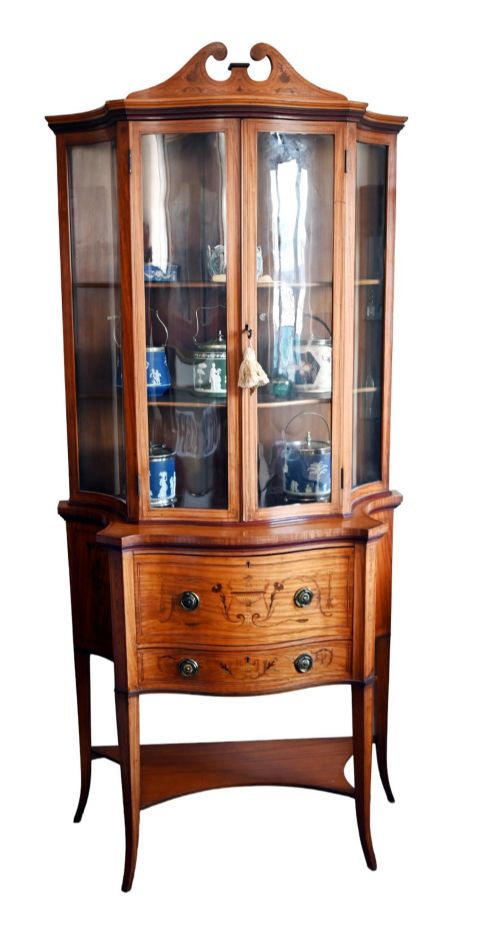
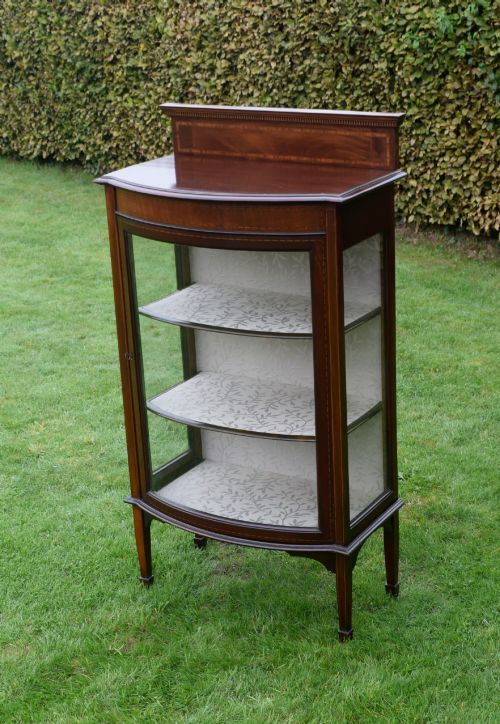
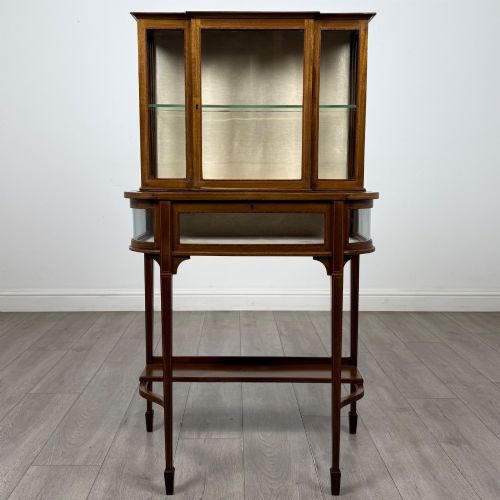
Makers and workshops of the era drew heavily on earlier Georgian and Sheraton vocabularies, producing Sheraton Revival display cabinets alongside revolving table models and bureau bookcases. Alongside upright shelving, you will frequently find corner cupboards and narrow display cabinets fitted with glazed doors and delicate stringing.
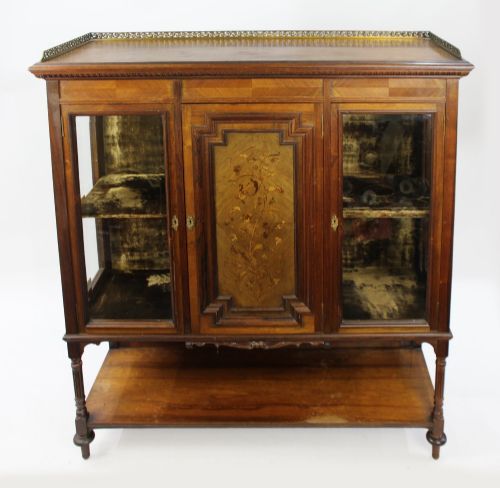
While many examples belong strictly to the early twentieth century, the selection also embraces Victorian precursors and transitional pieces that share the same decorative focus on marquetry and cabinet craftsmanship. These items served formal drawing rooms and libraries, balancing utility with the decorative tastes of the period.
How they were made
Cabinetmakers built these pieces primarily using solid mahogany and walnut carcasses, often enhanced with satinwood, rosewood, and burr walnut veneers. Timber frames were constructed with traditional joinery before receiving hand-rubbed polish finishes that brought out the natural grain patterns.
Decorative surface work relied on intricate wood inlay, stringing, and marquetry, contrasting light satinwood and boxwood motifs against darker background timbers. Brass hardware, mirrored backs, glass panels, and occasional ormolu mounts completed the construction, resting on small supports such as brass castors.
Listings feature mahogany, satinwood, rosewood, oak, and walnut, frequently combined with hand-cut wood inlay and brass hardware.
What varies in quality
The distinction between standard commercial production and finer workshop output lies in the crispness of the marquetry and the selection of figured timber veneers. Superior examples display precise, tightly fitted inlay work without gaps, alongside well-figured flame mahogany or satinwood surfaces that show depth and movement.
Structural refinement also separates the grades, visible in the weight and stability of revolving actions, the thickness of glass panels, and the quality of interior shelving and brass fittings. Pieces bearing documented workshop attribution often demonstrate a higher level of hand-finishing in the carved details and polished interiors.
Edwards and Roberts
The Edwardian Inlay Bookcase Glossary
- Inlay
- A technique where pieces of contrasting timber are inserted into a recessed surface to form decorative patterns. This method defines much of the ornamentation on Edwardian cabinetwork.
- Marquetry
- Elaborate veneer work assembled to create pictorial or geometric designs across cabinet doors and panels. It requires considerable skill to cut and fit the various wood species together.
- Sheraton Revival
- A late nineteenth and early twentieth century design style inspired by the late eighteenth-century furniture of Thomas Sheraton. It favours elegant proportions, satinwood, and delicate classical ornament.
- Revolving bookcase
- A compact, tiered bookcase mounted on a hidden rotating mechanism designed to sit on a floor or tabletop. Users can spin the tier to access volumes from any seating position.
- Stringing
- Fine, narrow lines of contrasting wood inlay used to edge panels, shelves, and tabletops. This subtle detailing frames the primary timber of the cabinet.
Edwardian Inlay Bookcase: Frequently Asked Questions
How do I date an edwardian inlay bookcase?
Dating relies on timber choices, construction methods, and stylistic cues present in the piece. Edwardian examples often combine mahogany with satinwood inlay and Sheraton Revival motifs.
Later Victorian pieces tend to feature heavier proportions and darker timbers, whereas true Edwardian items frequently display lighter, airier forms and crisper stringing.
Are revolving bookcases sturdy enough for heavy books?
Most revolving bookcases are engineered to hold standard octavo volumes and reference books securely. The internal cross-framing supports the weight while allowing the rotating mechanism to turn freely.
Very heavy folios are better suited to fixed shelves or lower cabinet compartments rather than rotating tiers.
What is the difference between a display cabinet and a bookcase?
Display cabinets typically feature glazed doors and glass sides designed to showcase porcelain, silver, or decorative objects. Bookcases prioritise open shelving or wooden doors intended primarily for storing library volumes.
Some hybrid forms combine both functions, offering enclosed shelving alongside glass-fronted display space.
How should I care for satinwood inlay?
Satinwood and other inlaid veneers require protection from direct sunlight to prevent fading and drying out. Regular dusting with a soft, dry cloth maintains the polished finish without harming the delicate stringing.
Applying a conservative coat of quality beeswax periodically helps nourish the wood and preserve its warm lustre.