
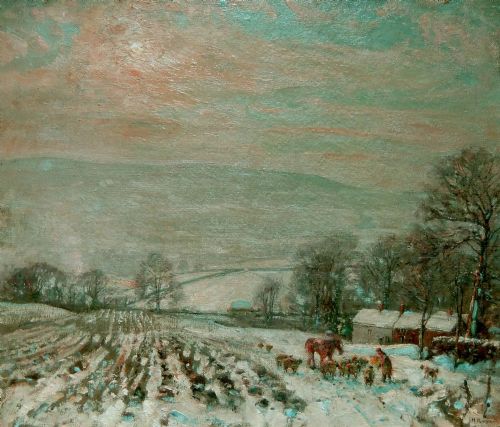
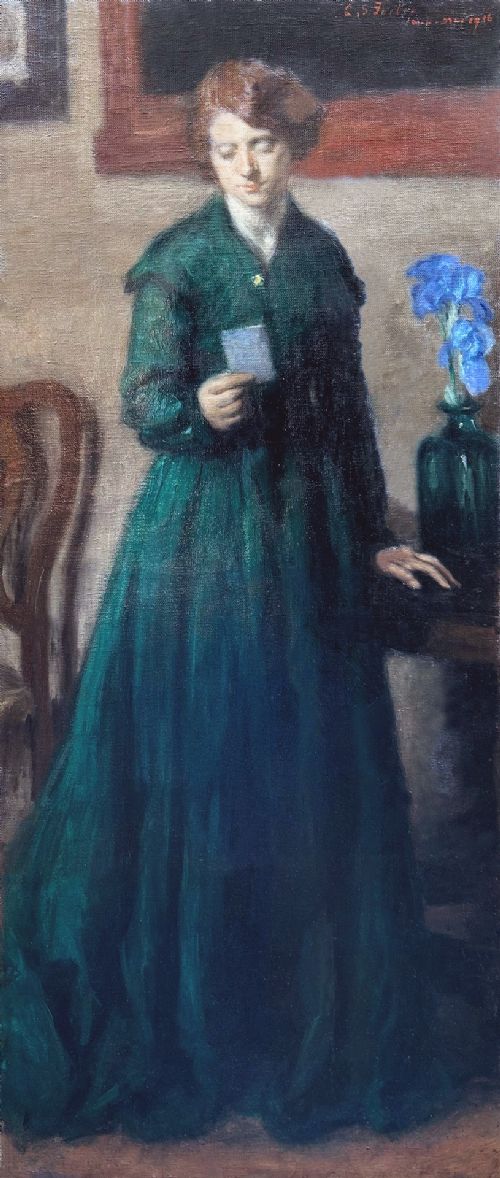
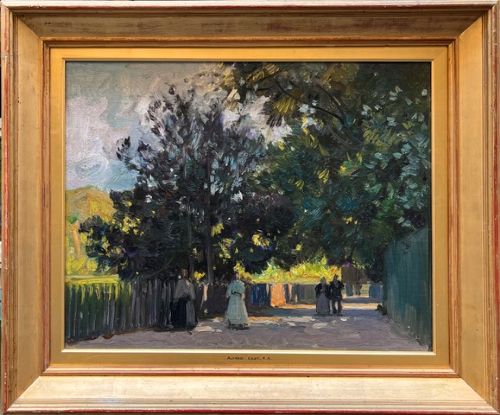
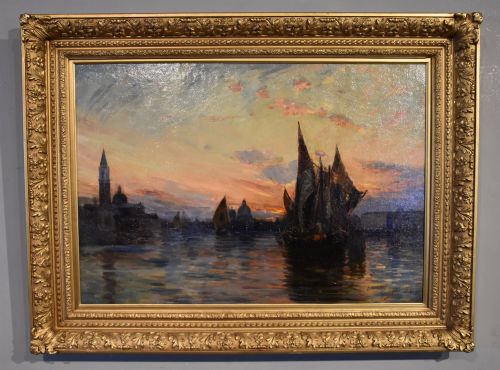




Edwardian Impressionist Fine Art
Edwardian impressionist fine art brings light, atmosphere, and rural charm into a room through confident brushwork and soft palettes.
Edwardian Impressionist Fine Art
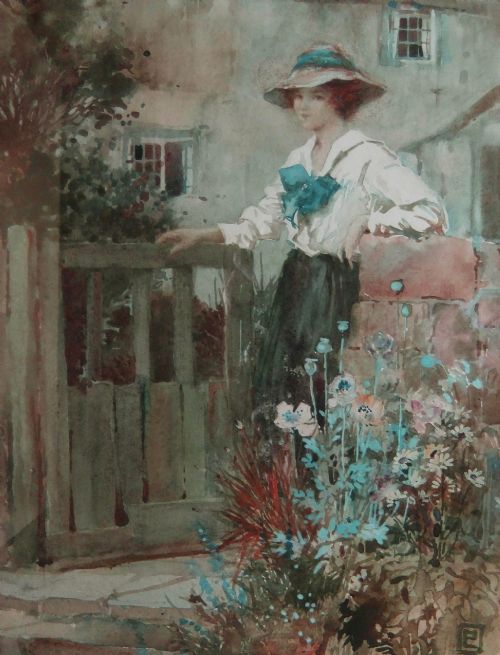
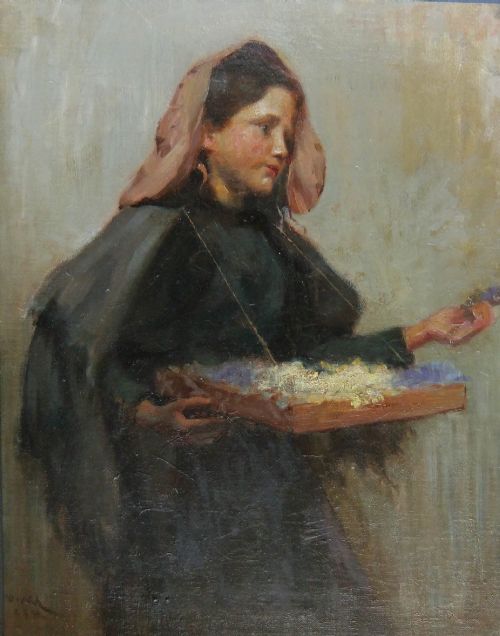
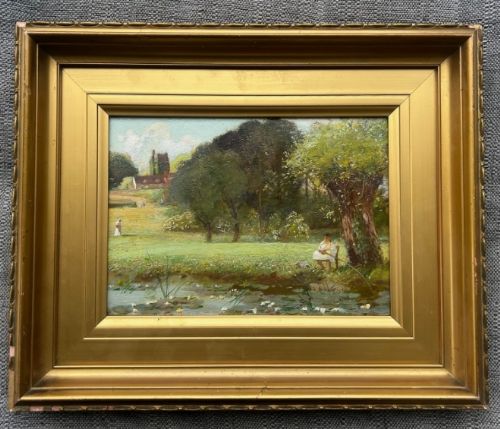
When you search for edwardian impressionist fine art, you encounter framed paintings that capture pastoral scenes, river paths, and cottage gates with a characteristic turn-of-the-century aesthetic. The pieces appearing here span from the late nineteenth century through to the 1930s, encompassing British Impressionism, Post-Impressionism, and Edwardian Pastoral styles.
The most common formats you meet on this page are oil paintings on canvas and board, alongside delicate watercolours on paper. Subjects frequently focus on British landscapes, rural farming life, and coastal views observed through a loose, atmospheric lens rather than rigid academic realism.
Materials and Technique
Artists working in this tradition relied primarily on oil paint applied to canvas, wood panels, or millboard, building texture and depth with visible brushstrokes. Watercolour on paper served as an alternative medium for lighter, more translucent compositions capturing fleeting effects of weather and light.
Support materials varied according to the painter's preference, with some creators utilising traditional stretched canvas while others selected compact wood panels or paper for portable plein air studies. Pigments were manipulated to render natural illumination, evening shadows, and seasonal subtleties without over-blending the surface.
Listings feature works dated across the late nineteenth century, the Edwardian era, and into the 1930s.
Judging Quality and Execution
The distinction between ordinary and exceptional works rests upon the confidence of the brushwork and the artist's command of atmospheric light. Stronger pieces display a purposeful rhythm in the application of pigment, where every mark contributes to the sense of place and movement.
Compositional balance and tonal harmony further separate the finest examples from simpler student or amateur efforts. A successful painting holds the viewer's attention across the entire surface, integrating foreground detail with a convincing background expanse.
Herbert Royle·Charles Stuart Forbes·Sir Alfred East·Thomas Hodgson Liddell·Percy Lancaster·William Watt Milne·Archibald Kay·Edgar Woollatt·Sir David Murray·William Greaves·William Grant Murray·Ernest Higgins Rigg·Kershaw Schofield·James William Booth·Arthur Winter Shaw·William Samuel Horton·Peter Jackson·H. Hadfield Cubley·Frederick William Jackson·Owen Bowen·Edward H. Holder·William Savage Cooper·T.B. Garvie·Lester Sutcliffe·John Falconar Slater
The Edwardian Impressionist Fine Art Glossary
- Oil Paint
- A slow-drying medium consisting of pigments suspended in a drying oil, typically linseed. It allows for rich colour saturation and textured impasto application.
- Watercolour
- A painting method in which the paints are made of pigments suspended in a water-based solution. Works on paper demand a swift, assured hand.
- Plein Air
- The act of painting outdoors to capture direct natural light and environmental conditions. This practice defined much of the impressionist approach to landscape.
- Impasto
- Paint applied thickly to a canvas or panel, standing out in relief from the plane. This technique adds tactile depth and catches real light.
- Provenance
- The chronological history of the ownership of a piece. Documented origin helps verify authenticity and adds context to the artwork's history.
Edwardian Impressionist Fine Art: Frequently Asked Questions
What defines an edwardian landscape painting?
These works focus on natural British scenery, rural farmsteads, and coastal rivers rendered with softer edges and lighter palettes than Victorian academic art.
Artists aimed to capture the momentary effects of weather and season rather than strict topographical accuracy.
How should I frame an antique watercolour?
Watercolours require conservation mounting with acid-free materials to prevent the paper from yellowing or degrading over time.
Keeping the painted surface away from direct contact with the glass ensures moisture cannot cause the pigment to adhere.
Are these oil paintings on canvas or board?
Both supports appear frequently across the collection, with artists selecting stretched canvas for larger compositions and wood panels or board for smaller works.
Panels often provided a rigid surface well-suited for painting outdoors in changing weather.
How do I clean an old oil painting?
Dust accumulation should be gently removed with a very soft, dry brush, avoiding any moisture or household cleaning agents.
Professional conservators should handle any deeper cleaning or removal of aged, discoloured varnish layers.