


Edwardian Impressionist Artwork
Edwardian impressionist artwork captures light and atmosphere through loose brushwork across the late Victorian and early twentieth-century periods.
Edwardian Impressionist Artwork
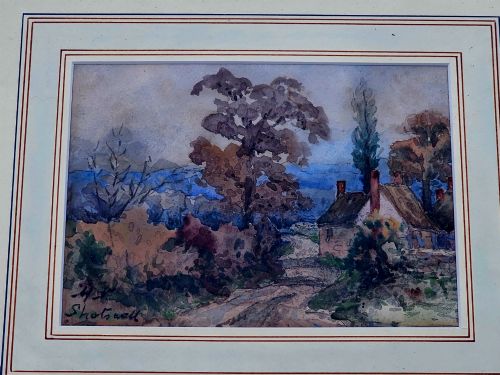
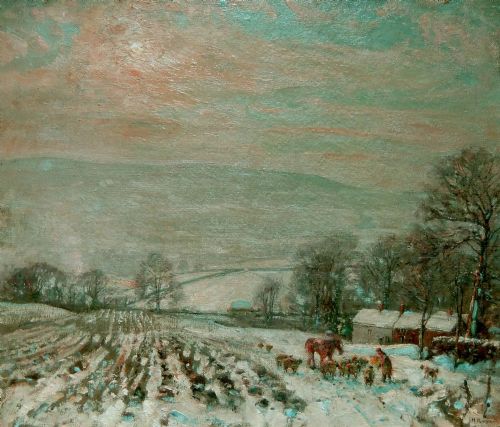
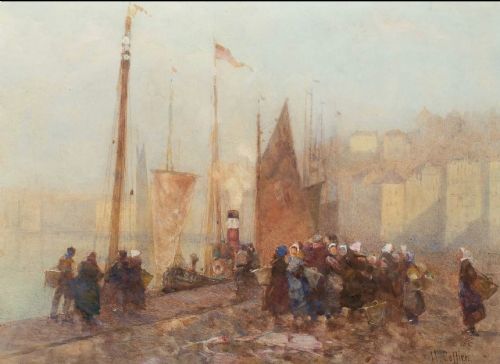
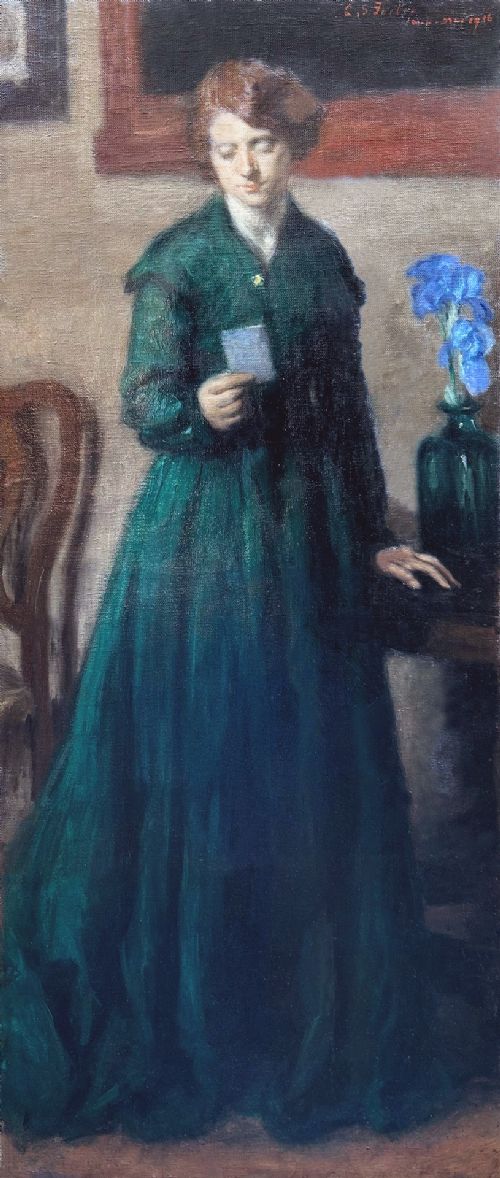
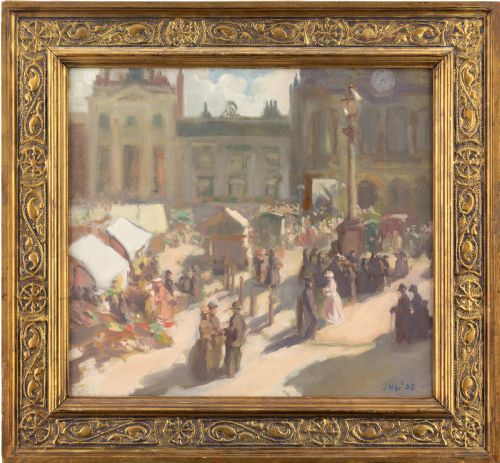
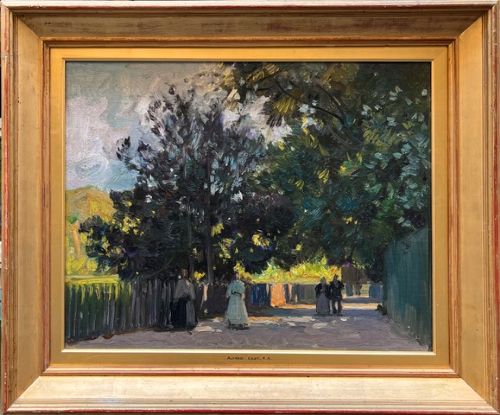
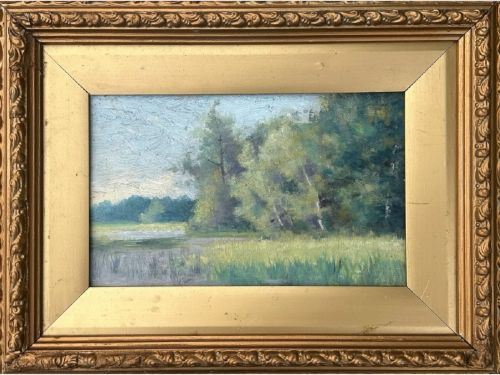
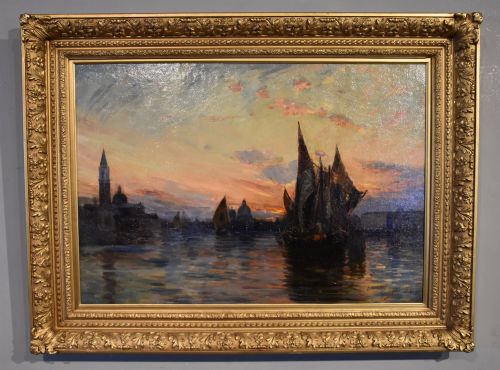
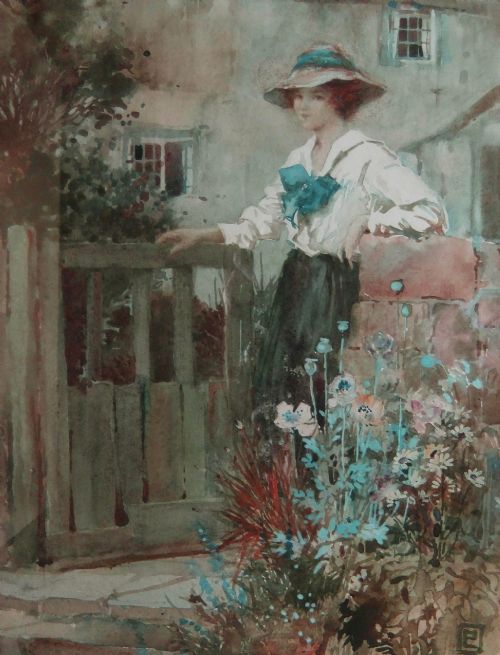
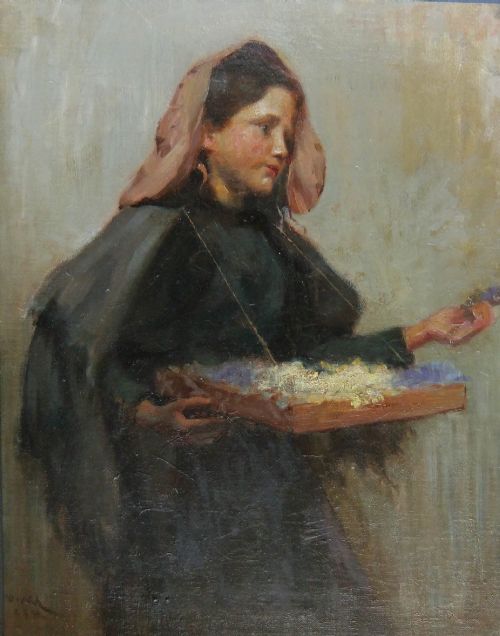
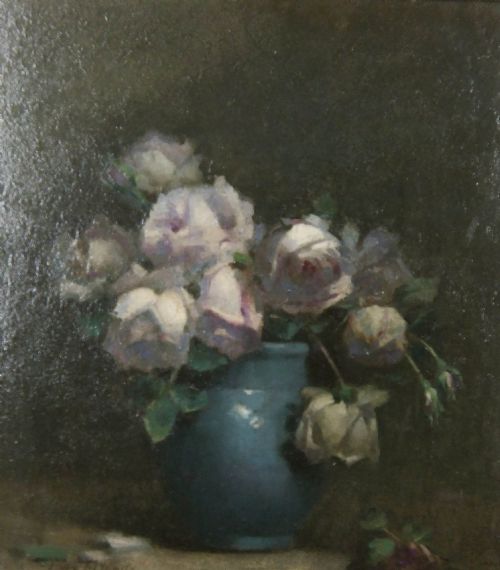
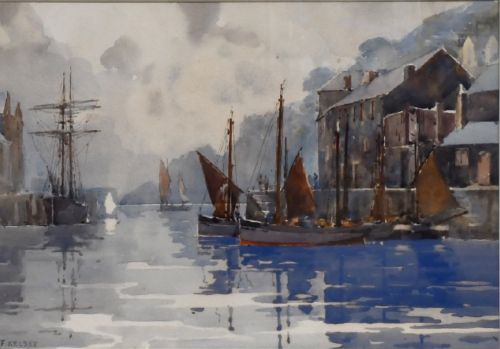
When you search for edwardian impressionist artwork, you encounter paintings and watercolours that reflect the bright palettes and outdoor subjects popular around the turn of the twentieth century. These pieces record landscapes, coastal views, market places and domestic scenes painted across the British Isles and continental Europe.
The selections available here lean heavily into regional British Impressionism and Edwardian genre scenes. You find watercolours on paper alongside oils on canvas and wood panel, spanning periods from the late nineteenth century through to the nineteen-thirties.
Materials and Technique
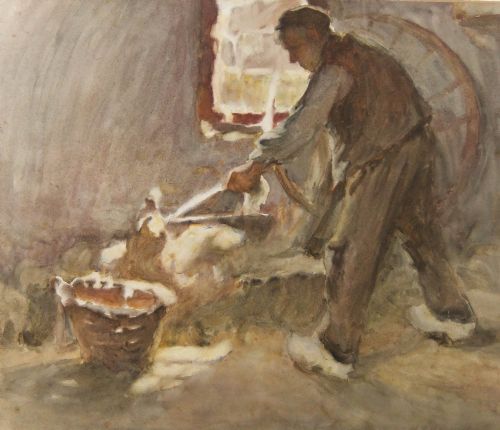
Artists painted primarily with oil or watercolour, applying pigment directly to prepared canvas, wood panel, board or heavy paper. These works rely on rapid, visible brushstrokes to register shifting light rather than meticulous finish.
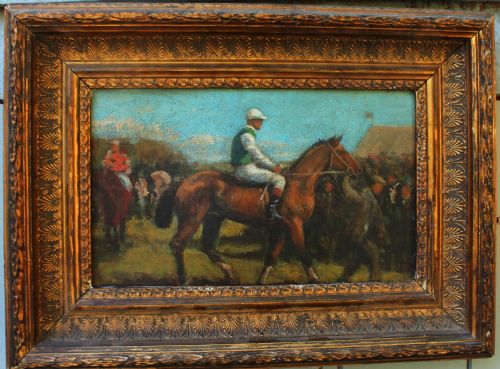
Framing often involves period wood mouldings, frequently finished in gilt to complement the painterly surfaces within. The support materials dictate the conservation needs, with paper requiring protection behind glass and oils staying stable on stretched canvas or panel.
Several canvases record local farm hands, resting horses and market gardeners taking a quiet moment in the Edwardian afternoon.
Quality and Execution
Quality rests upon the artist's confidence in handling medium and light, separating skilled plein-air observation from formulaic studio production. Stronger pieces display deliberate tonal harmony and deft mark-making that communicate atmosphere immediately.
The distinction also lies in the preservation of the surface and the integrity of the original support. Works that retain their unblemished paint layers and period framing offer a more complete representation of the period's aesthetic.
Herbert Royle·Henry Silkstone Hopwood·Hector Caffieri·Charles Stuart Forbes·John Hodgson Lobley·Sir Alfred East·Maud Raphael Jones·Thomas Hodgson Liddell·Percy Lancaster·William Watt Milne·William Thomas Wood·Albert Ludovici Jnr·Frank Kelsey·Archibald Kay·Edgar Woollatt·Gertrude Hayes·Sir David Murray·Thomas Bromley Blacklock·Reginald Grange Brundrit·Charles James Lauder·Owen Bowen·William Greaves·Ernest Pile Bucknall·Rowland Henry Hill·John Atkinson
The Edwardian Impressionist Artwork Glossary
- British Impressionism
- A movement where British artists adopted continental plein-air techniques to record domestic landscapes and everyday life with lighter palettes. It developed slightly later than the French movement.
- Plein-air
- Painting outdoors directly in front of the subject to capture natural light and transient weather effects. This method defined much of the production seen in this category.
- Watercolour
- A paint consisting of water-soluble pigments applied to paper. It allows for translucent washes that convey atmospheric light quickly.
- Oil on panel
- Pigment bound in oil applied to a rigid wooden support rather than flexible canvas. This technique provides a stable surface often favoured for smaller landscape studies.
Edwardian Impressionist Artwork: Frequently Asked Questions
What defines edwardian impressionist artwork?
These works are defined by loose brushwork, bright palettes and a focus on everyday subjects painted during the late Victorian and Edwardian eras. Painters sought to capture fleeting effects of light outdoors rather than produce rigid studio academic pieces.
The listings reflect this through regional landscapes, coastal scenes and domestic watercolours created across Britain and Europe around nineteen hundred.
How should I hang these paintings?
Oils on canvas or panel and watercolours behind glass require stable wall spaces away from direct sunlight and excessive dampness. Proper placement protects the paper supports and sensitive paint layers from environmental degradation.
Matching the original gilt or wood frames to your interior helps maintain the period character of the art without altering the piece.
Are watercolours as durable as oils?
Watercolours on paper demand more careful protection behind glass and conservation-grade mounts to prevent fading from light exposure. Oils on canvas or wood panel offer a more robust physical structure that handles atmospheric shifts with greater resilience.
Both mediums survive well when kept in stable domestic environments away from direct heat sources.
How do I identify the period?
Dating relies on stylistic clues, framing methods, artist signatures and biographical records associated with the makers. The handling of paint often shifts from tighter academic finishes in the nineteenth century to looser impressionist strokes by nineteen-ten.
Inscriptions on the reverse of the canvas or panel frequently provide specific locations and dates recorded by the artist.