

Blue Green Landscape Art
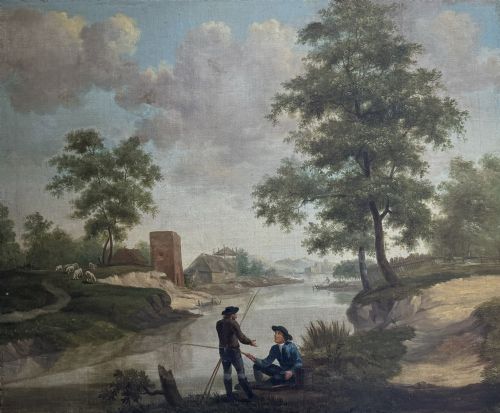
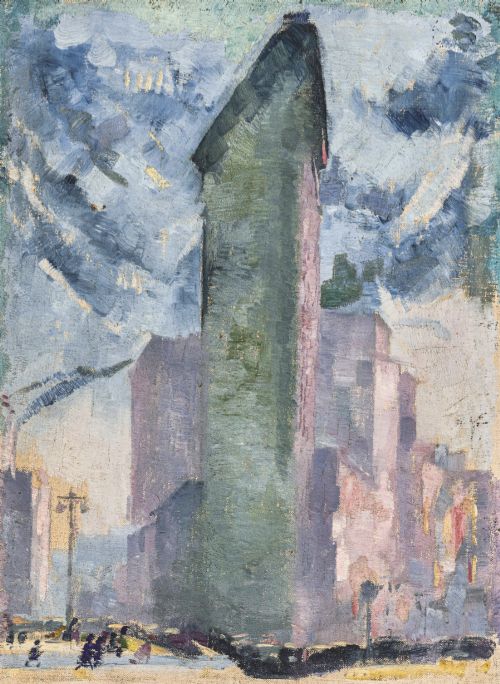
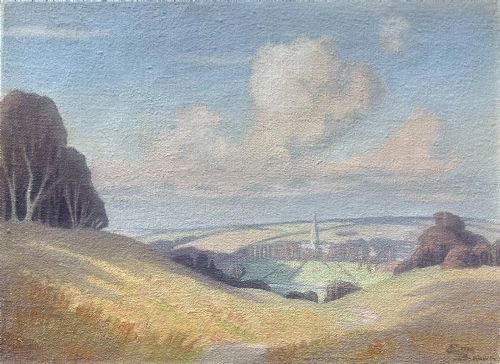
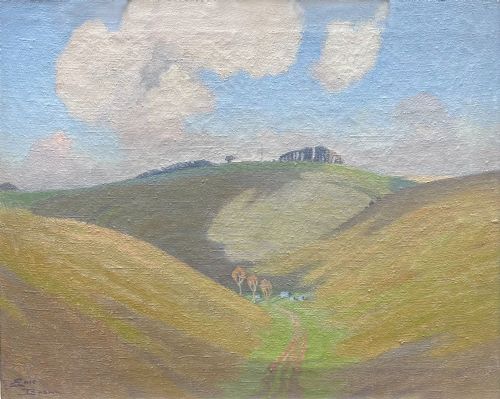
When you explore blue green landscape art, you encounter centuries of painted rivers, coastal harbours, and woven verdure scenes.
Blue Green Landscape Art
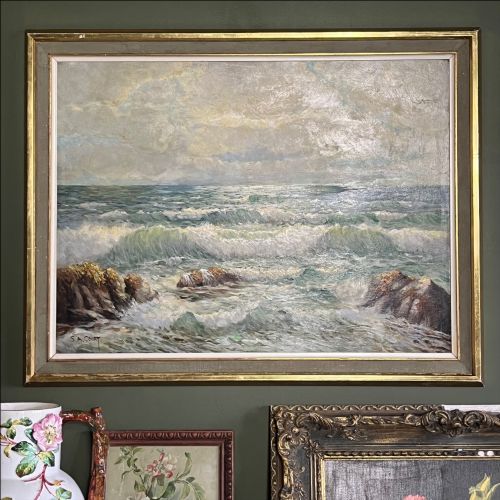
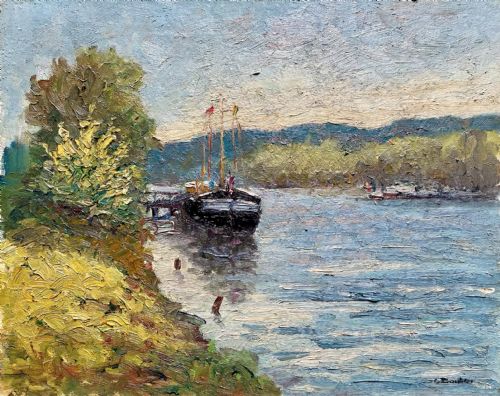
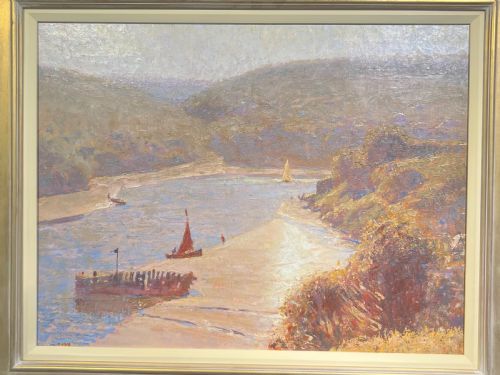
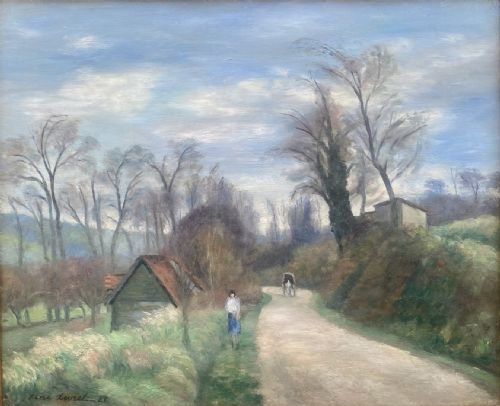
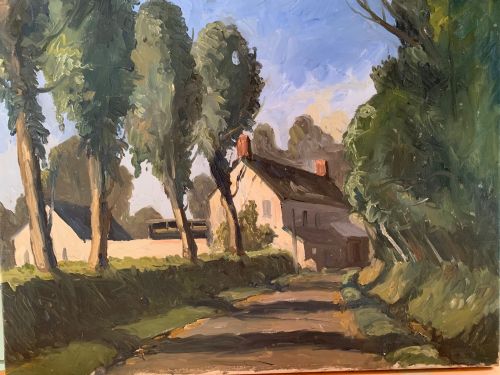
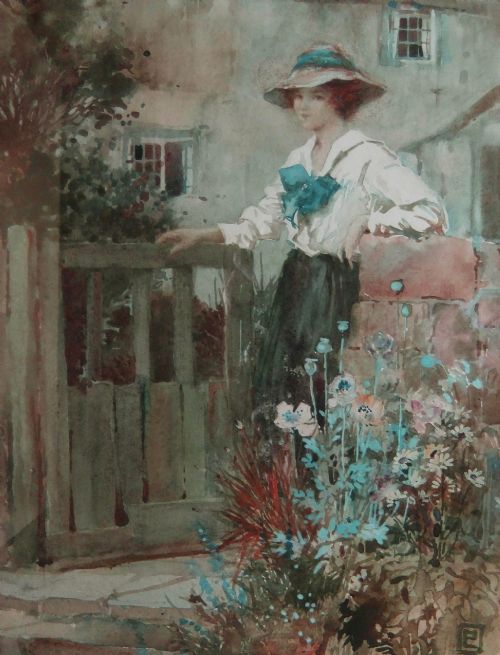
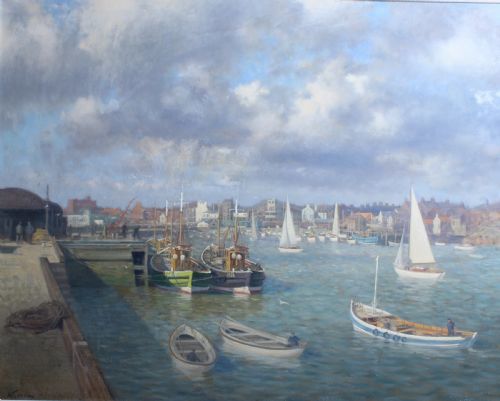
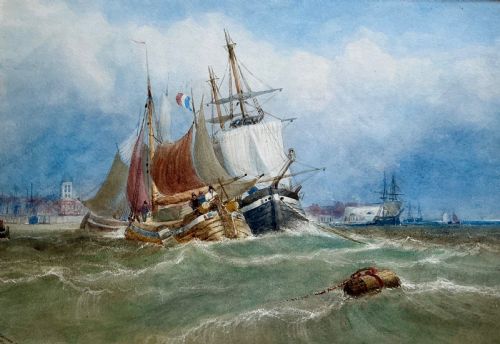
Blue green landscape art encompasses oil paintings, watercolours, gouache on paper, and woven tapestries depicting natural scenery. These works span from the late seventeenth century through the mid-twentieth century, capturing rural views, rivers, and coastal harbours.
The selections available here rely heavily on British and French traditions, ranging from early watercolours to mid-century impressionist canvases. Buyers frequently encounter regional views executed in oil or watercolour, alongside large decorative tapestry panels.
How they were made
Painters utilised oil paint and watercolour pigment applied to paper, canvas, or wood panel, often working en plein air to capture natural light. Tapestries were woven from wool and silk threads, rendering complex foliage and architectural backgrounds.
Support materials vary by period, with nineteenth-century watercolours resting on heavy paper and mid-century oils utilising stretched canvas or wood boards.
A solitary roan horse races past spectators while jockeys hustle toward the winning post in a mid-century French canvas.
What varies in quality
Quality rests in the handling of pigment and the precision of the composition, where confident brushwork or intricate weaving creates a convincing sense of depth and atmosphere. Earlier tapestries demonstrate dense, finely dyed wool and silk threads that retain subtle tonal gradations across foliage and shade.
Paintings show distinction through the artist's command of light, colour harmony, and the preservation of the original surface texture, whether on canvas, wood panel, or delicate paper.
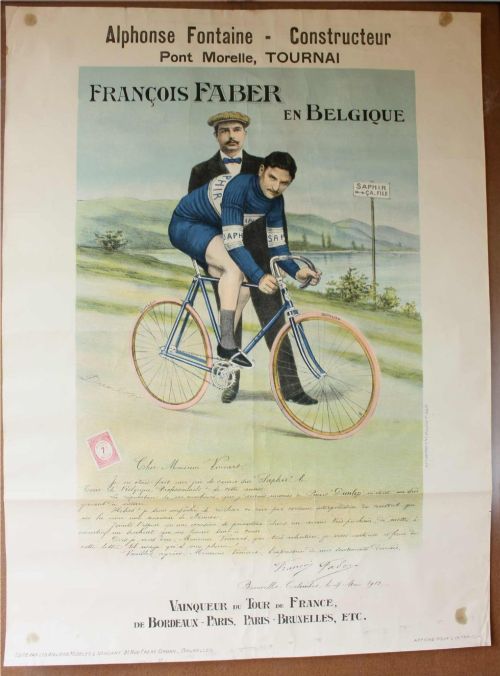
Alfred Young Nutt·Sidney A Court·Francois Faber·Alfred Wolmark·Eric Brown·Cecil Allan Mould·Rene Levrel·Percy Lancaster·Walter Goodin·Henry Barlow Carter·F A Roylance·Hubert Wellington·Archibald Kay·Philip Richard Morris·Edgar Woollatt·Joseph Edward Hennah·Helen Layfield Bradley·William J B Jenkins·Gabriel Dauchot·Henry John Kinnaird·William Hoggatt·William Sydney Cooper·James Orrock
The Blue Green Landscape Art Glossary
- Verdure tapestry
- A wall hanging featuring a stylized landscape or garden scene dominated by foliage and trees. These large textiles often incorporate distant rivers or architectural elements.
- Impasto
- Paint applied thickly to a canvas or panel so that it stands out from the surface. This technique creates a tangible texture that catches the light.
- En plein air
- The practice of painting outdoors directly from the subject. This method allows artists to capture transient effects of light and weather.
- Gouache
- An opaque water-based pigment that dries to a matte finish. It provides heavier coverage than traditional watercolour.
Blue Green Landscape Art: Frequently Asked Questions
What defines a verdure tapestry?
A verdure tapestry centres on plant forms, trees, and woodland scenery, often populated by birds or distant structures. These large woven panels were designed to insulate stone walls and bring outdoor scenes into domestic interiors.
Created from wool and silk, surviving examples from the seventeenth century display intricate botanical details rendered in muted greens and blues.
How do I care for antique watercolours?
Watercolour paintings on paper require careful framing away from direct sunlight to prevent pigment fading. Acid-free mounts protect the paper from discolouration over time.
Keep these works in stable indoor environments with moderate humidity to preserve both the paper support and the delicate pigments.
Where were mid-century impressionist landscapes painted?
Mid-century impressionist works captured locations across Britain and France, from Yorkshire coastal harbours to the Seine near Giverny. Artists travelled to specific regions to study local light and atmospheric conditions.
These pieces reflect diverse regional schools, including Scottish impressionism and French post-impressionist approaches.
What subjects appear in these landscapes?
Common subjects include river valleys, coastal cliffs, pastoral farms, and harbour scenes featuring fishing boats. Artists documented specific geographic locations such as the Thames Valley, Dorset, and the Yorkshire coast.
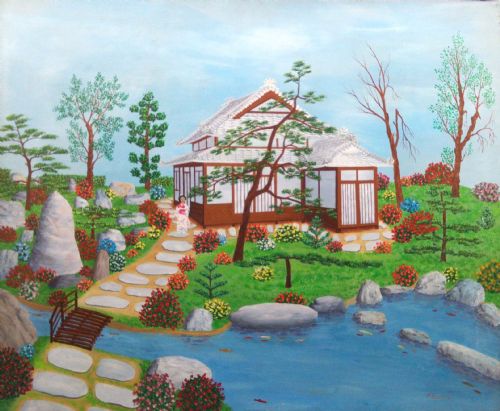
Beyond rural views, some works depict architectural landmarks, rural caravans, and mythological garden settings.