

Edwardian Horology
Edwardian horology brings together mechanical precision and period design, offering functional timepieces crafted for domestic, travel and railway use.
Edwardian Horology
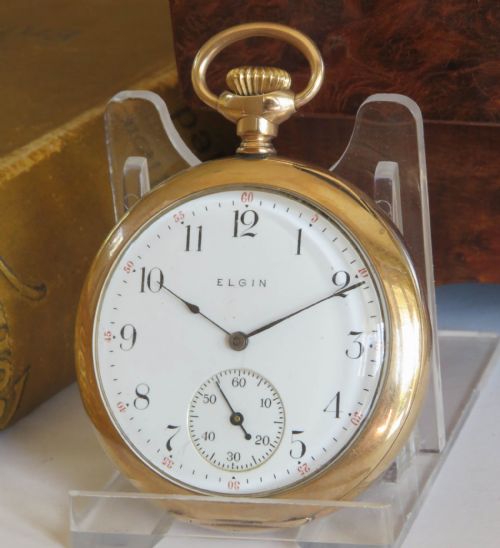
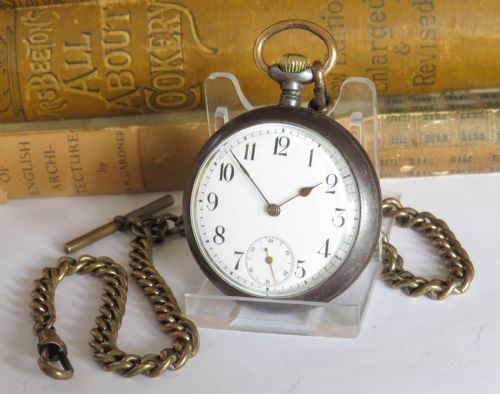
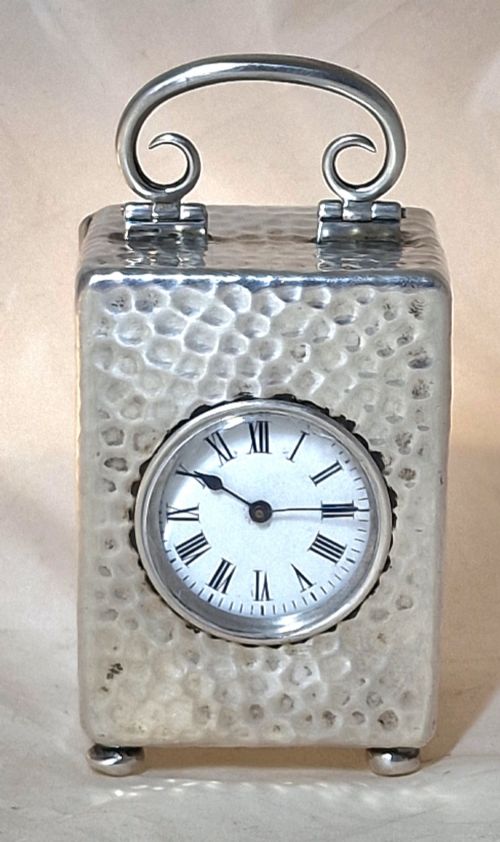
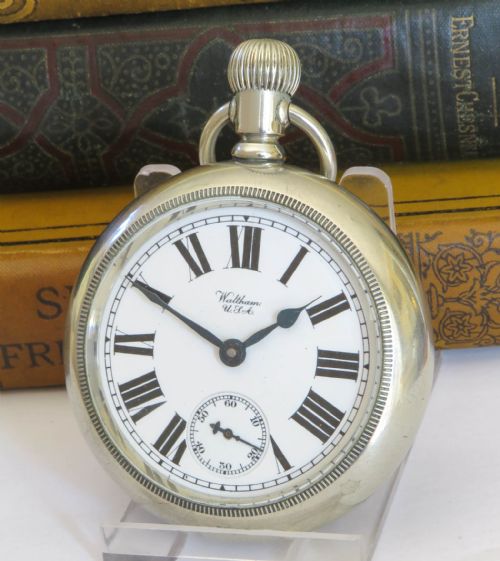
When you search for edwardian horology, you encounter a diverse selection of timepieces spanning pocket watches, mantel clocks, carriage clocks and railway timekeepers. These objects reflect the mechanical innovations and aesthetic preferences of the early twentieth century and the preceding decades.
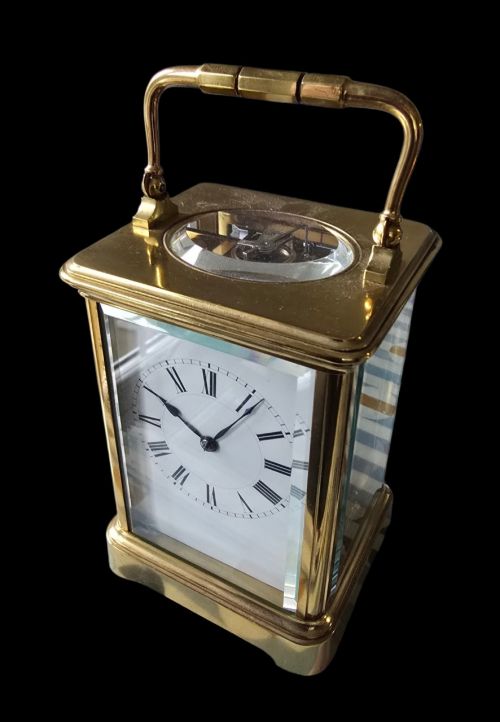
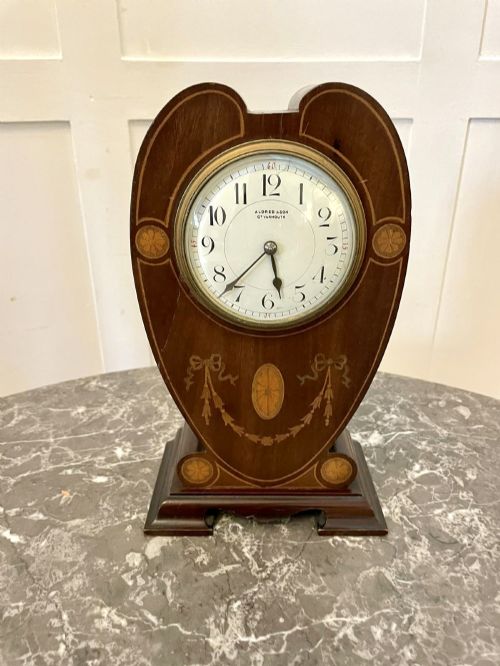
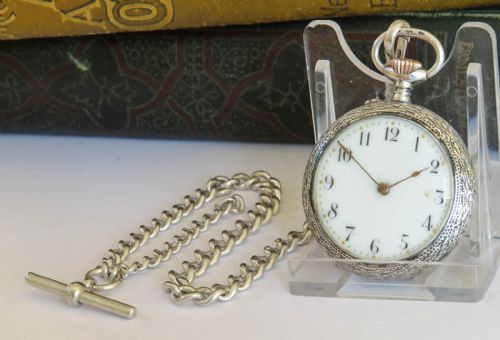
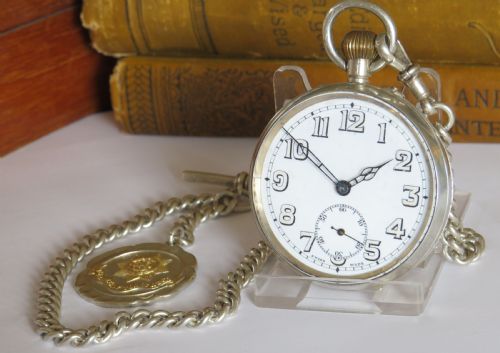
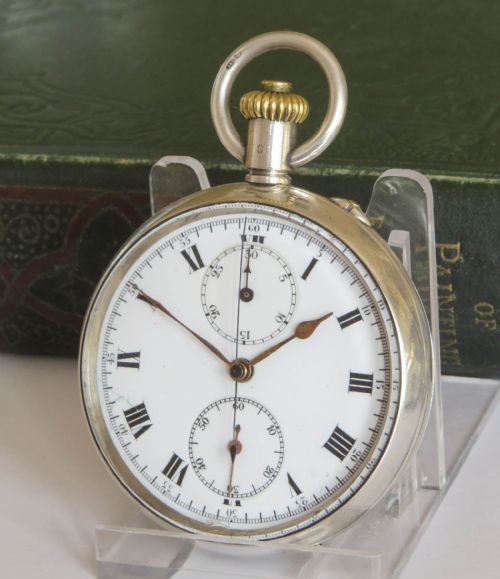
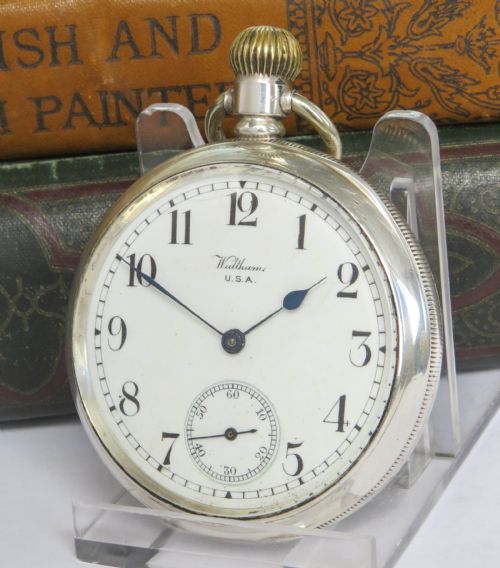
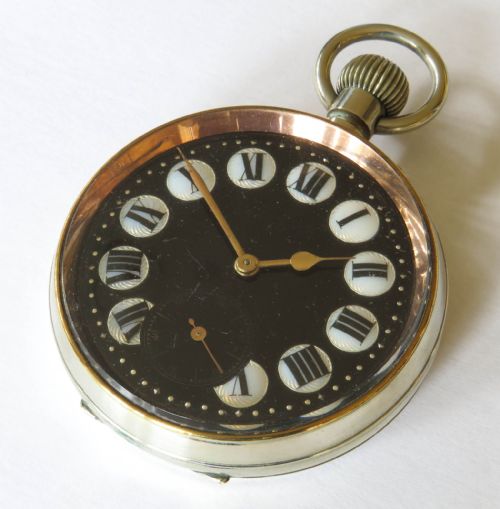
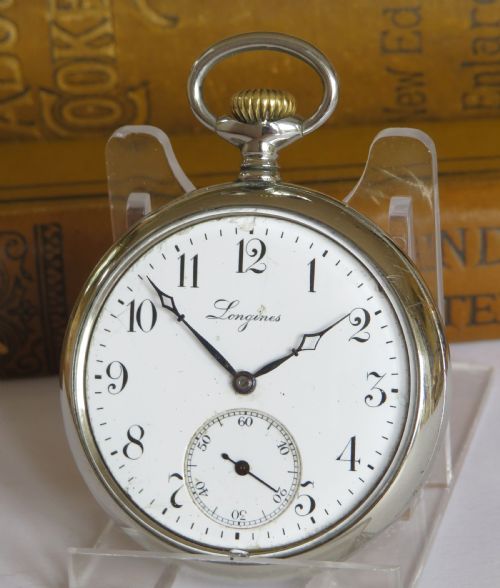
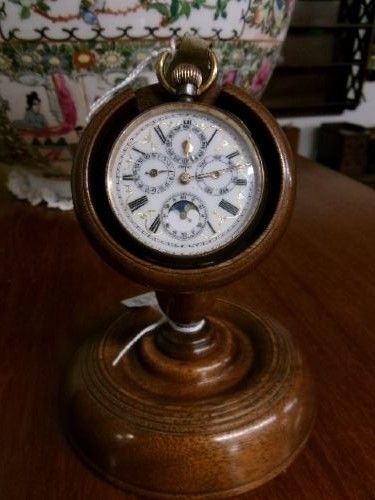
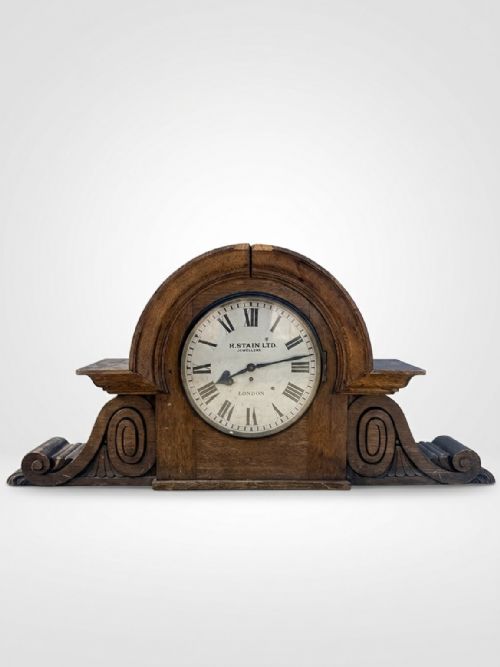
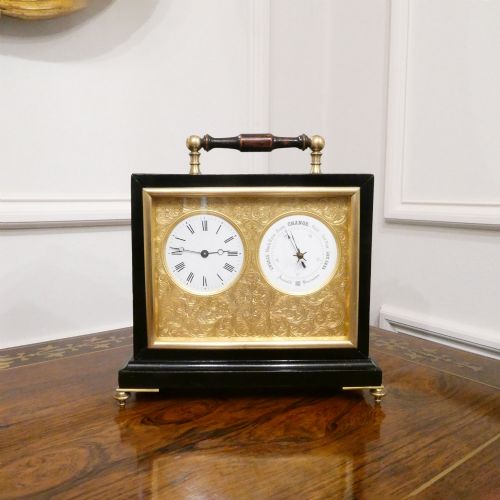
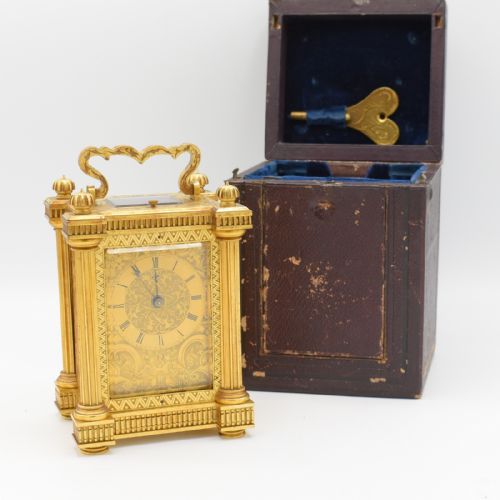
You are most likely to meet silver and goliath pocket watches alongside brass carriage clocks and mahogany mantel clocks. The grouping includes domestic items, military trench watches and specialised station clocks intended for daily utility.
The origins of these pieces extend across British workshops, French makers and German manufacturers. Each object carries the mechanical signature of its period, whether driven by a standard movement or a specialised fusee mechanism.
Materials and construction
The construction relies heavily on metals such as brass, silver, gun metal, gilt brass and pewter, paired with glass viewing panels and enamel dials. Cases are fashioned from timber including oak and inlaid mahogany.
Movements incorporate steel components and intricate gear trains designed for accuracy, housed within sturdy metal or wooden enclosures. Enamel dials feature painted numerals, while carriage clocks utilise polished glass panels to display the internal mechanics.
Edwardian Horology Retail Price Guide 2026
Typical asking prices for edwardian horology among the pieces listed under this phrase on Sellingantiques today, from the lower quarter to the upper quarter. They describe what is for sale here now, not the wider market.
Listings feature oak, mahogany, silver, brass and glass across pocket watches, carriage clocks and bracket clocks.
Distinctions in quality
Quality rests upon the precision of the movement, the integrity of the casing and the reputation of the maker. Timepieces bearing signatures from established watchmakers or retailers demonstrate superior mechanical execution and finishing.
Material choice and cabinetwork differentiate standard items from exceptional examples, such as solid silver cases, detailed marquetry in mahogany, or heavy cast brass and gilt frames. The preservation of original components and dials dictates the standing of a piece within its category.
Henri Jacot·Howell And James·Waltham·JW Benson·David Veasey
The Edwardian Horology Glossary
- Carriage clock
- A portable spring-driven clock originally designed for travel, typically featuring a brass case with glass panels.
- Fusee
- A conical pulley used in older clock movements to maintain equal force on the gear train as the mainspring unwinds.
- Goliath watch
- An oversized pocket watch, often housed in a dedicated travelling case or desk stand.
- Chronograph
- A watch equipped with a stopwatch function alongside the standard time-displaying mechanism.
- Trench watch
- A wristwatch adapted from pocket watch designs for military use during the First World War, featuring wire lugs and luminous dials.
Edwardian Horology: Frequently Asked Questions
What is a fusee clock?
A fusee clock utilises a special conical pulley system designed to equalise the power delivered by the mainspring as it unwinds. This mechanism improves timekeeping accuracy across the duration of the power reserve.
Such movements appear frequently in railway clocks and marine timekeepers where reliable performance is paramount.
How do carriage clocks work?
Carriage clocks operate via a spring-driven movement regulated by a platform escapement, allowing them to function portably without a pendulum. The brass and glass housing permits visibility of the internal mechanics from multiple angles.
Originally built for travel, they were designed to keep accurate time while being moved between locations.
What makes goliath watches different?
Goliath watches are substantially larger than standard pocket watches, often measuring significantly across the case. They were commonly paired with desk stands or leather travelling cases for domestic use.
Due to their size, many house robust eight-day movements that require less frequent winding.
Are trench watches waterproof?
Trench watches from the early twentieth century were not manufactured to modern water-resistance standards. They were built to withstand field conditions rather than submersion.
Many examples include protective shrapnel guards fitted over the glass crystal to prevent breakage during active service.