
Edwardian Gold Link Bracelet
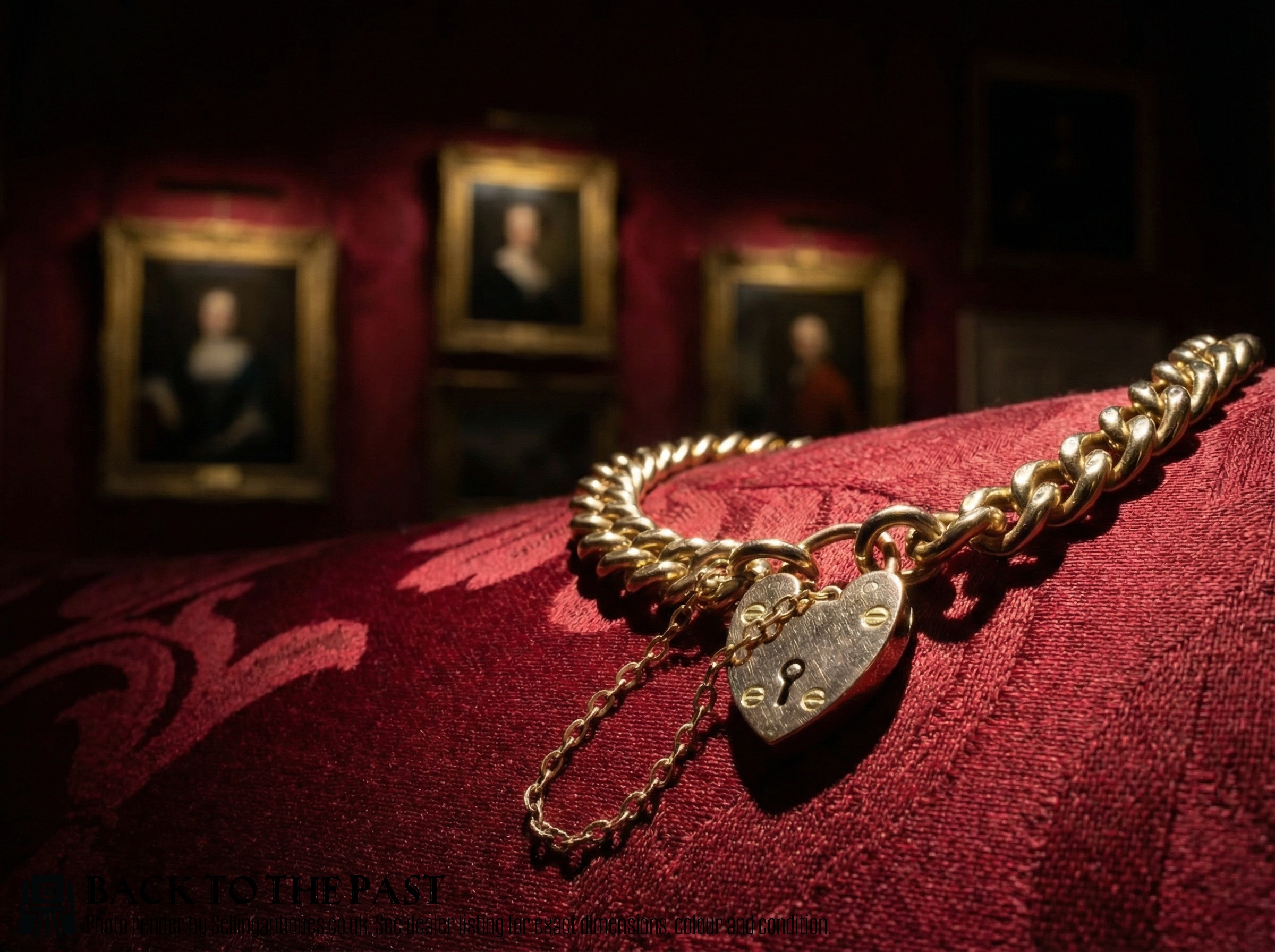
An edwardian gold link bracelet is a delicate piece of wristwear crafted in yellow or rose gold, offering timeless appeal and secure fastening through dog clips or heart padlocks.
What They Are
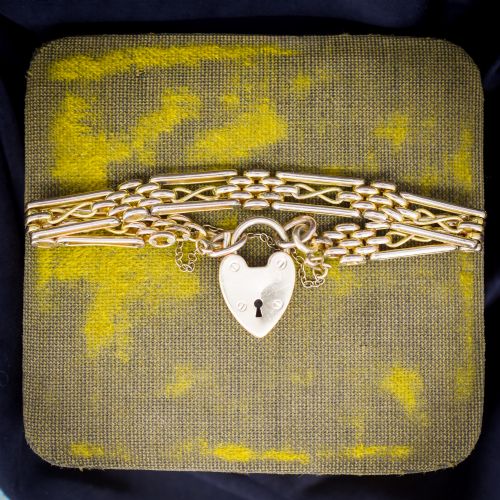
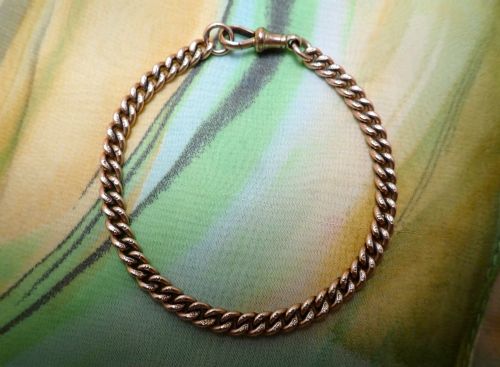
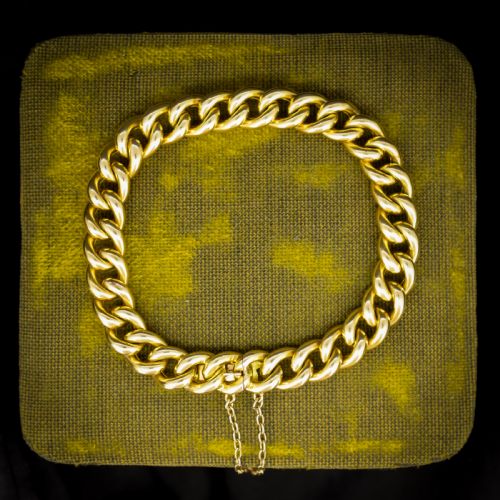
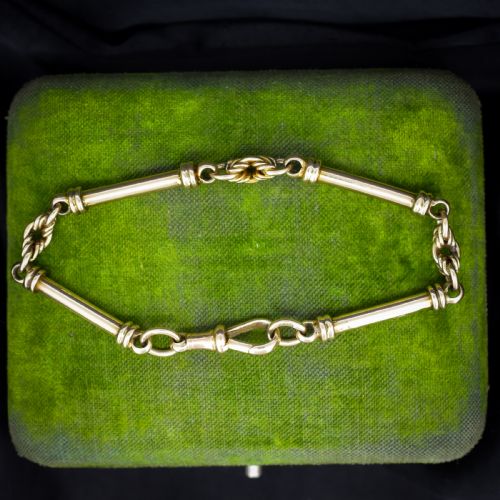
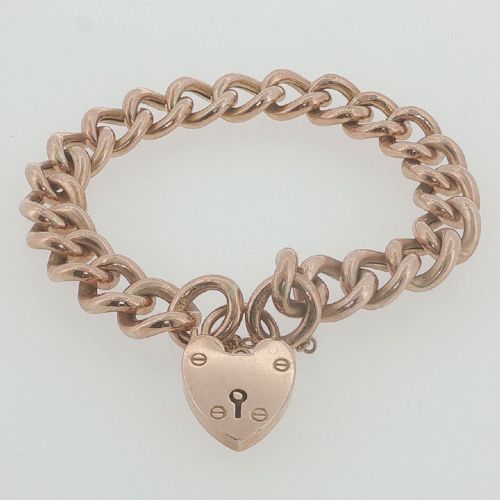
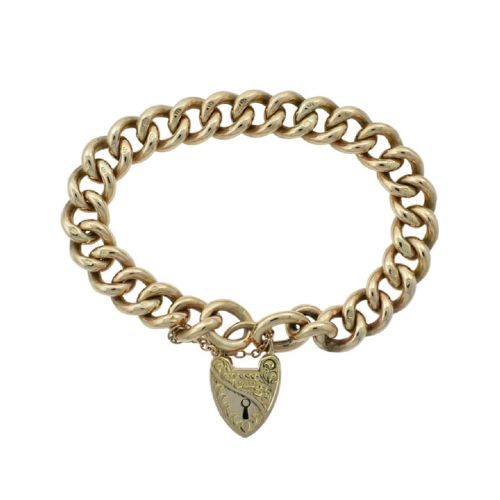
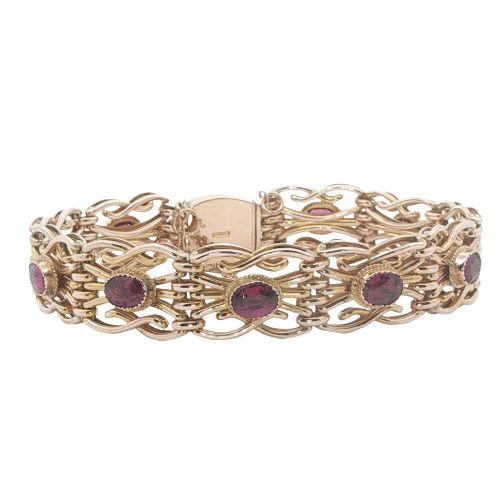
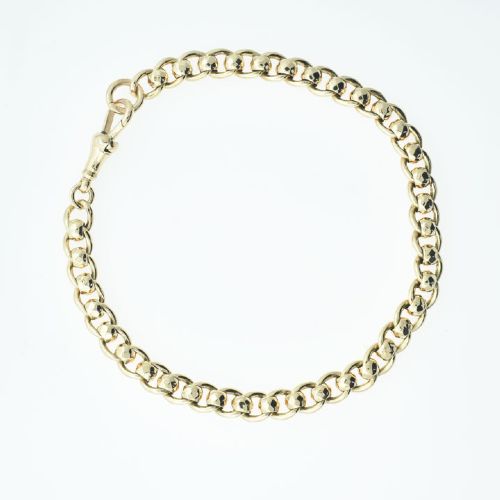
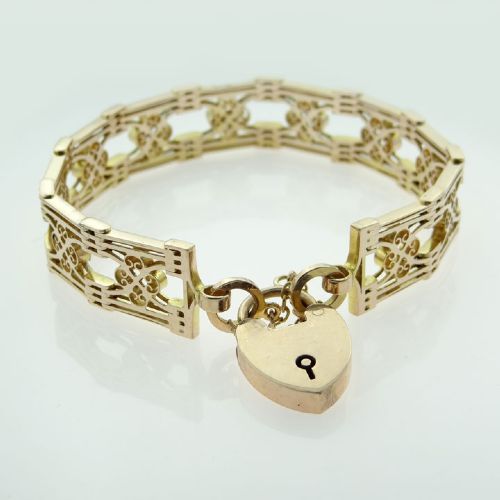
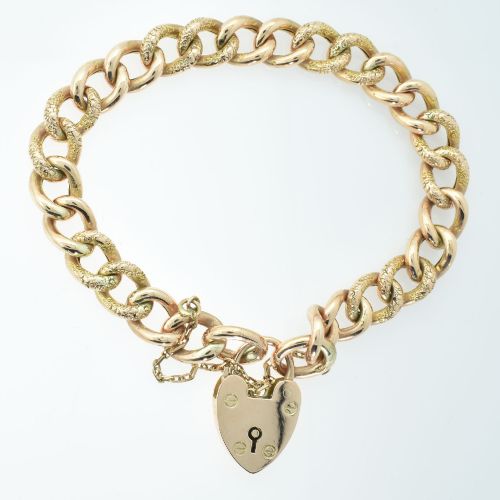
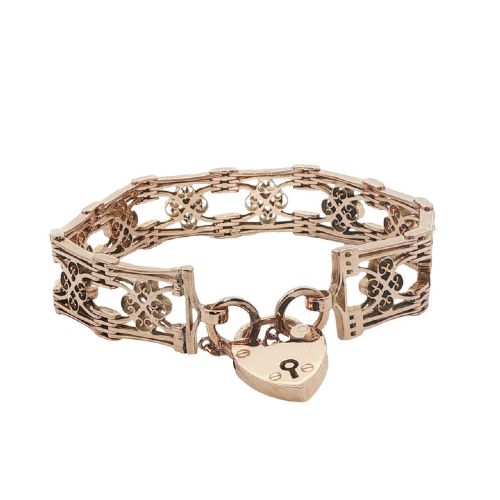
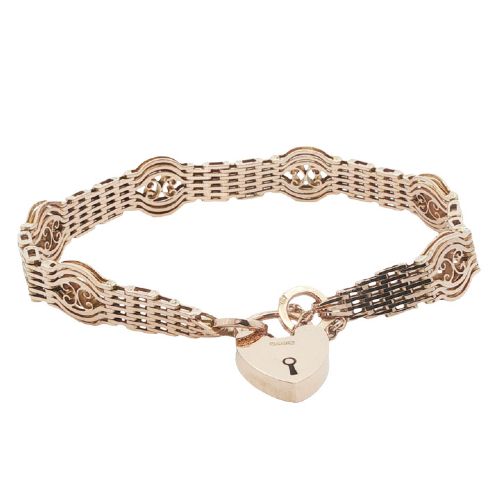
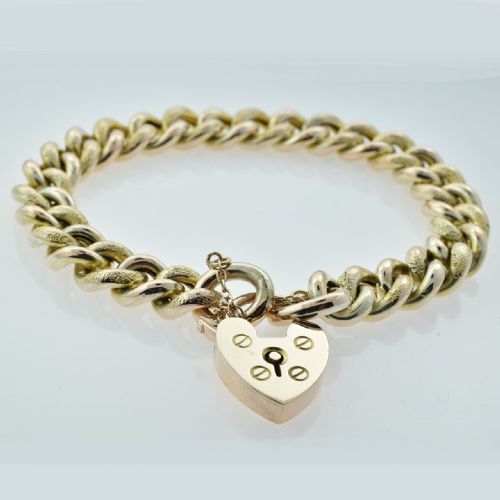
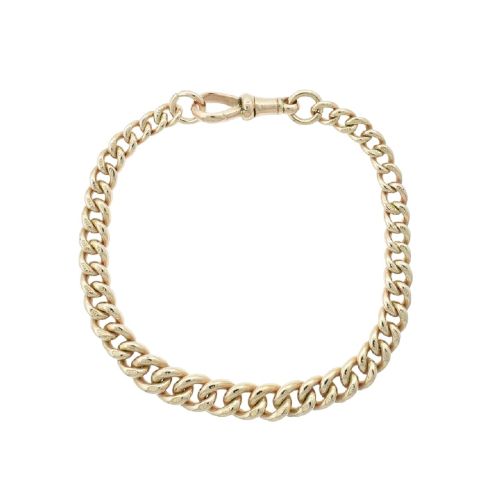
An edwardian gold link bracelet represents a distinct period of jewellery design from the early twentieth century, spanning standard gold, yellow gold, and rose gold variants. The form typically appears as curb links, fancy links, gate-link configurations, or tubular bar and love knot arrangements.
Most examples encountered on this page date from around nineteen hundred to the nineteen tens, sometimes overlapping with late Victorian design sensibilities. These bracelets frequently incorporate functional secure closures such as dog clips or heart padlock clasps.
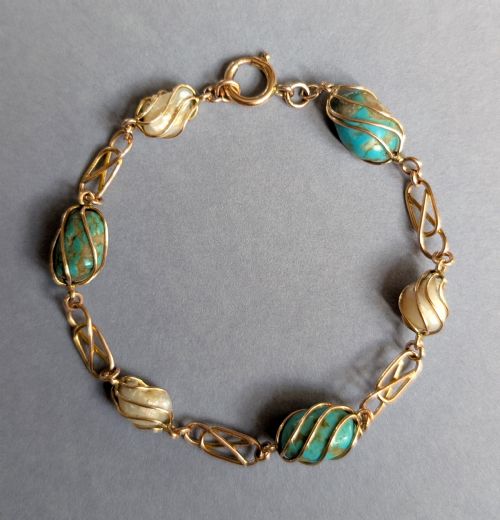
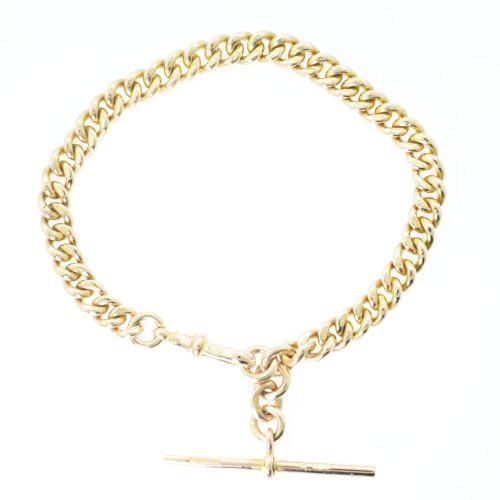
Many of these bracelets derive from repurposed watch chains, adapted historically to be worn around the wrist. The pieces commonly feature decorative elements like turquoise, pearls, amethyst, or opals set into the gold framework.
How They Were Made
Makers fashioned these bracelets predominantly from nine-carat gold, encompassing both standard yellow and distinct rose hues. Metalworking techniques included hollow tubular construction for bar links, alongside solid hand-assembled curb and fancy link chains.
Gemstone embellishments such as turquoise, pearls, amethyst, and opals were integrated using traditional claw or bezel settings. Fastening mechanisms like dog clips and miniature heart padlocks were engineered with functional internal springs for daily security.
Countless gentlemen of the early twentieth century would be deeply amused to see their heavy pocket watch chains now gracing wrists as romantic padlock bracelets.
What Varies in Quality
The distinction between standard and superior examples lies in the complexity of the link architecture and the presence of original gemstone sets. Fancy links, graduated link sizing, and detailed repoussé work elevate a piece above simple uniform curb chains.
The inclusion of fully functional, hallmarked clasps - particularly decorative heart padlocks or secure dog clips - contributes significantly to the integrity of the design. Heavier gauge metal and intact stone settings distinguish the more substantial survivals from lighter alternatives.
The Edwardian Gold Link Bracelet Glossary
- Dog clip
- A spring-loaded swivel fastener commonly used on watch chains and bracelets to secure a pocket watch or padlock. This mechanism allows the clasp to rotate freely without twisting the attached link chain.
- Padlock clasp
- A miniature lock-shaped fastening device often fitted to Edwardian curb and fancy link bracelets. These clasps frequently serve as both the functional closure and the decorative centrepiece of the jewellery.
- Curb link
- A chain pattern composed of identical interlocking links that lie flat against the skin. This robust construction method formed the foundation for many heavy Victorian and Edwardian watch chain bracelets.
- Gate-link
- A distinctive openwork pattern resembling a series of miniature garden gates connected by small vertical bars. This style gained immense popularity during the late nineteenth and early twentieth centuries for expanding wristwear.
- Tubular bar
- A hollow cylindrical section of gold used to create rigid geometric spacer elements within a link bracelet. These bars are frequently paired with decorative motifs such as love knots.
Frequently Asked Questions
What is an edwardian gold link bracelet?
An edwardian gold link bracelet is a wrist ornament fashioned from nine-carat yellow or rose gold during the early twentieth century. These pieces often feature modular link structures such as curb, gate, or fancy patterns.
Many surviving examples originated as pocket watch chains that were subsequently adapted for wear on the wrist. They commonly incorporate secure fastenings like dog clips or heart padlocks.
How do I secure an antique heart padlock?
Antique heart padlock clasps operate via a small internal spring mechanism accessed by pressing a concealed lever or side catch. Once depressed, the hinged arm swings open to receive the securing ring.
Ensure the spring snaps firmly back into place upon closure to guarantee the bracelet remains safely fastened during wear.
Were these bracelets originally watch chains?
A significant proportion of antique link bracelets were originally manufactured as heavy watch chains during the late Victorian and Edwardian eras. Owners and jewellers often added decorative padlocks or converted the ends to accommodate a wrist clasp.
This heritage accounts for the substantial weight, sturdy links, and functional swivel dog clips found on many surviving examples.
How do I care for nine-carat gold jewellery?
Nine-carat gold contains a balanced alloy of gold and other metals, making it durable for regular wear while retaining a warm metallic lustre. Clean the metal gently using warm soapy water and a soft cloth, avoiding harsh chemical dips.
Store the bracelet flat in a dedicated lined box to prevent delicate fancy links or hollow tubular bars from bending or scratching under pressure.