
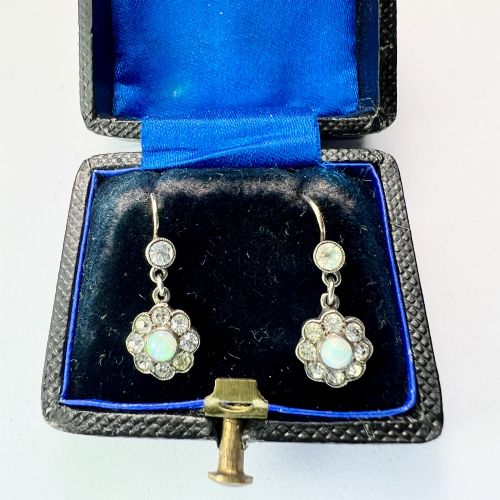
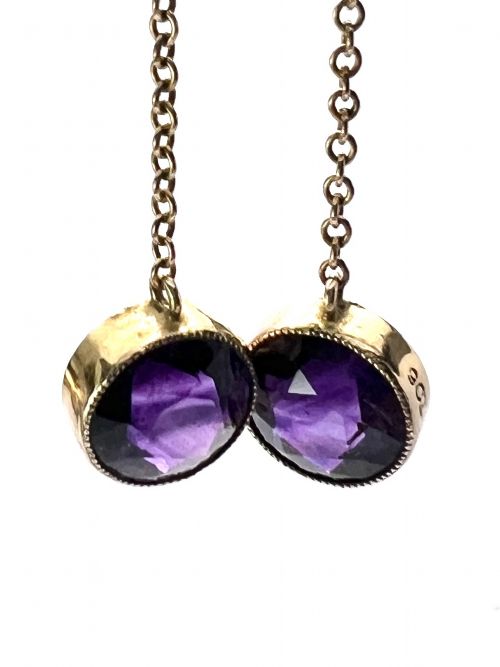
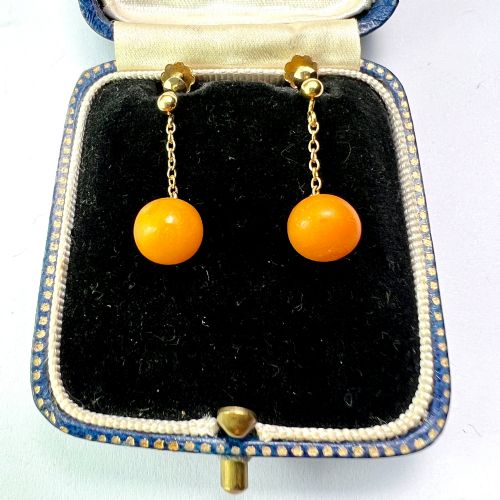


Edwardian Gold Drop Earrings
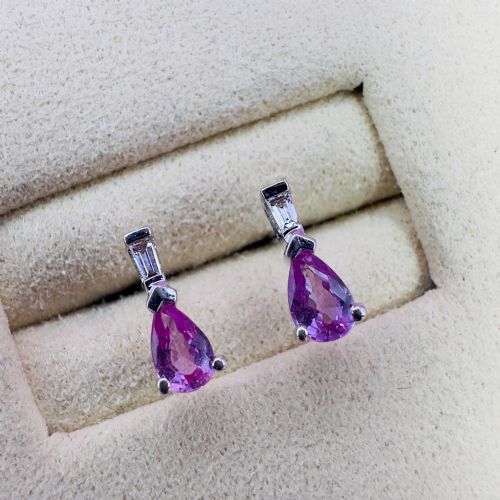
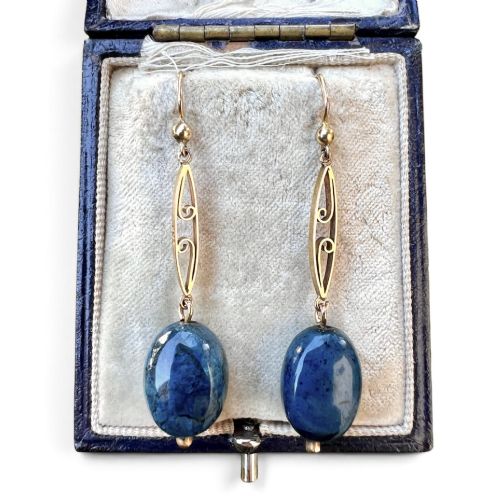
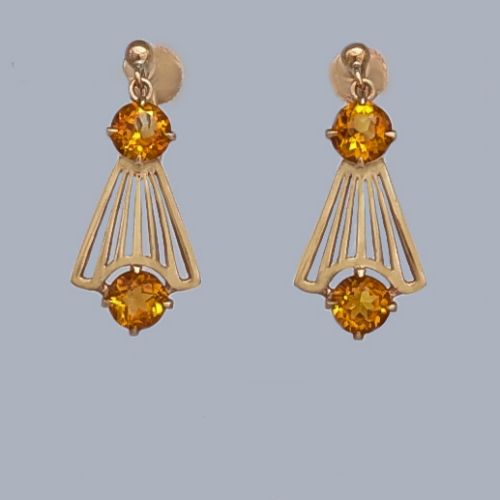
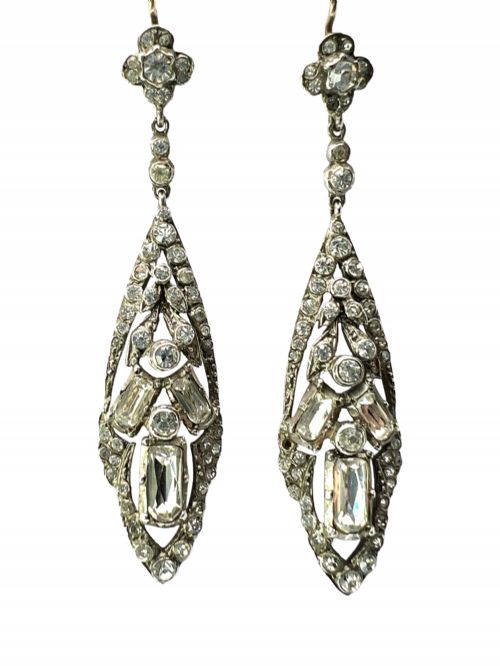
Edwardian gold drop earrings combine delicate metalwork with luminous gems, offering collectors a graceful silhouette that moves with the wearer.
Edwardian gold drop earrings
When you search for Edwardian gold drop earrings, you encounter delicate pieces designed to suspend stones or motifs beneath the earlobe. The pieces on this page span the Edwardian period alongside neighbouring Victorian and Art Deco eras, reflecting a fluid transition in design.
Most examples rely on 9ct yellow or rose gold, though higher purities like 15ct and 18ct yellow gold appear alongside French pieces. Forms range from simple chain drops and teardrops to bamboo designs, reptiles, and intricate cluster settings.
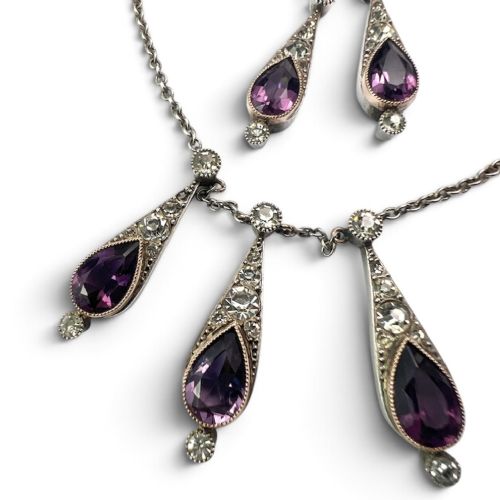
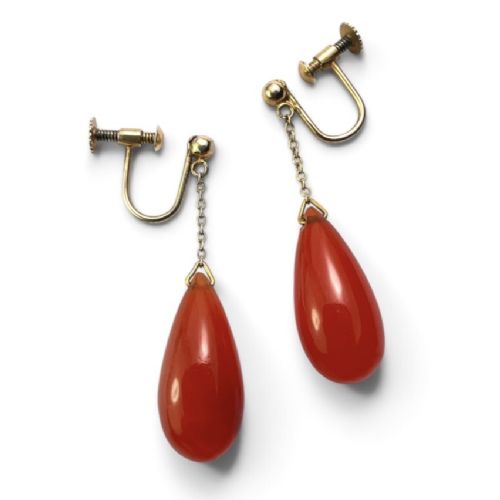
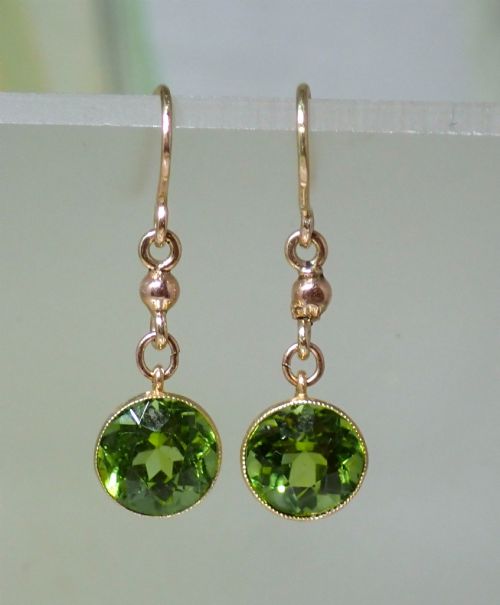
Gemstone selection defines the visual weight of these earrings, featuring diamonds, rock crystal, pearls, and various coloured stones. Buyers regularly meet pairs set with aquamarine, tourmaline, peridot, jade, opal, and carnelian.
Making and materials
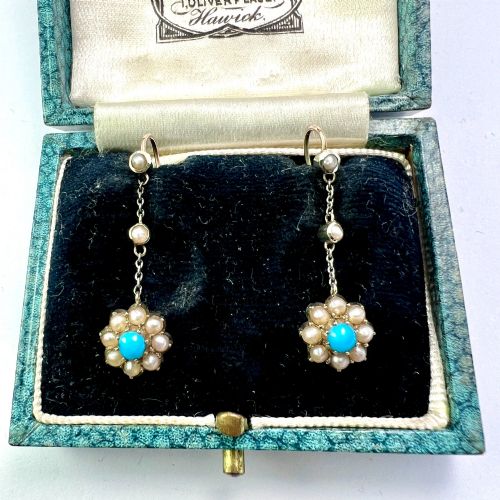
Goldsmiths utilised 9ct, 15ct, and 18ct yellow and rose gold to construct the frames, often incorporating silver settings to enhance the brilliance of diamonds and paste stones. Fine chains suspend drops from the main fixture, creating articulated movement.
Lapidaries cut diamonds in old cut, rose cut, and old mine styles, pairing them with cabochon and faceted coloured stones including moonstone, turquoise, amethyst, and citrine. Techniques include bezel and prong settings, delicate wirework, and screwback or hook fasteners.
Retail Price Guide 2026
Typical UK retail prices for edwardian gold drop earrings, calculated from the Sellingantiques database of over a million retail prices indexed since 2003. This retail price guide relies exclusively on Sellingantiques data; no external sources or auction records are used, so the figures do not describe the wider market.
Lizards and beetles occasionally scramble down the earlobe, proving that Edwardian nature-lovers took their fauna dangling and golden.
Judging quality
Quality rests upon the harmony of the stones and the delicacy of the metalwork, distinguishing refined atelier pieces from simpler production. Higher quality examples utilise well-matched natural gems, such as fine opals or clean diamonds, secured in balanced, articulated drops.
The choice of gold purity also marks the grade, with 15ct and 18ct gold pieces offering richer colour and higher metal content than standard 9ct alternatives. Finer pairs display meticulous attention to secondary details like chain links, screw fittings, and secure stone bezels.
The Edwardian Gold Drop Earrings Glossary
- Edwardian
- Pertaining to the reign of King Edward VII from 1901 to 1910, though the style extends slightly beyond these dates. It is characterised by lightness, grace, and intricate platinum-on-gold work.
- Old cut
- A diamond cutting style preceding modern brilliant cuts, featuring a small table, high crown, and large culet. This cut produces a softer, warmer candlelit sparkle.
- Cabochon
- A gemstone shaped and polished with a smooth, rounded surface rather than faceted. This style is typically reserved for opaque or translucent stones like opal, moonstone, and jade.
- Screwback
- A type of earring fastening featuring a threaded post and a small screw nut. It allows the wearer to adjust the pressure on the earlobe without requiring pierced ears.
Frequently Asked Questions
Were Edwardian drop earrings made for pierced ears?
Many Edwardian earrings were made for pierced ears, utilising hook wires or simple loops for suspension. Screwback fittings also appear frequently, allowing unpierced ears to wear heavier drop designs securely.
Collectors find both fastener types across the period, reflecting the changing preferences of the early twentieth century.
How do I identify genuine Edwardian gold earrings?
Authentic pieces rely on period-appropriate gold purities such as 9ct, 15ct, or 18ct, often paired with distinct construction methods like fine chain drops and hand-cut stones. The presence of old cut diamonds, natural pearls, or specific coloured gems points toward the era.
Assay marks and hallmarks, where present, help confirm the metal standard and origin of the piece.
What gemstones are typical in these earrings?
Diamonds and pearls are common, frequently accompanied by colourful stones like peridot, aquamarine, tourmaline, amethyst, and garnet. Opaque gems such as jade, carnelian, and moonstone also appear in cabochon drops.
Rock crystal and paste stones were additionally utilised to catch the light in elaborate dangling configurations.
How should I care for antique drop earrings?
Store them in a dedicated jewellery box to prevent delicate chains from tangling and to protect softer stones like opal or pearl from scratching. Clean them gently with a soft cloth, avoiding harsh chemical dips that might damage vulnerable gemstones or older gold settings.
Regularly check the security of screw fittings and stone settings to ensure safe wear.