






Edwardian Gold Diamond Solitaire
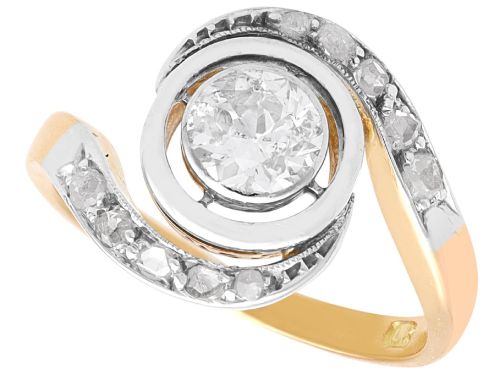
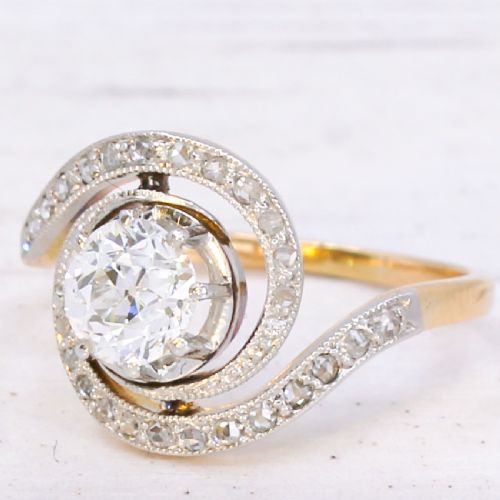
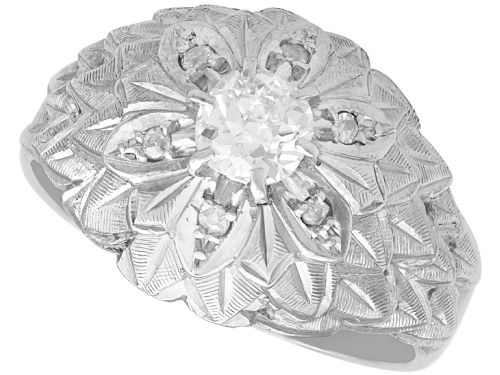
These edwardian gold diamond solitaire rings showcase single hand-cut stones set in precious metal, offering timeless elegance for modern wearers.
Edwardian Gold Diamond Solitaire
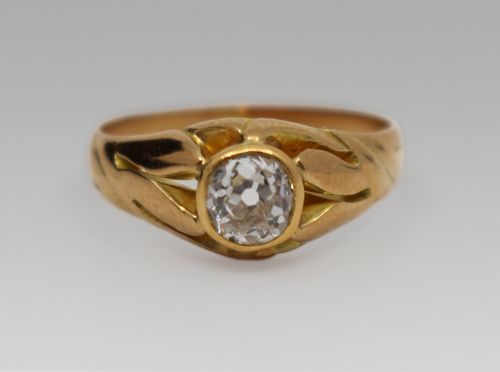
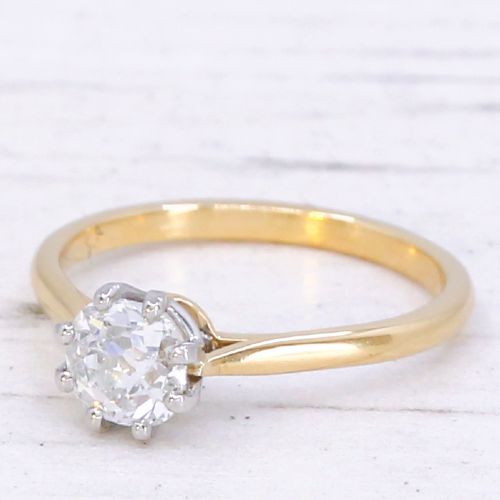
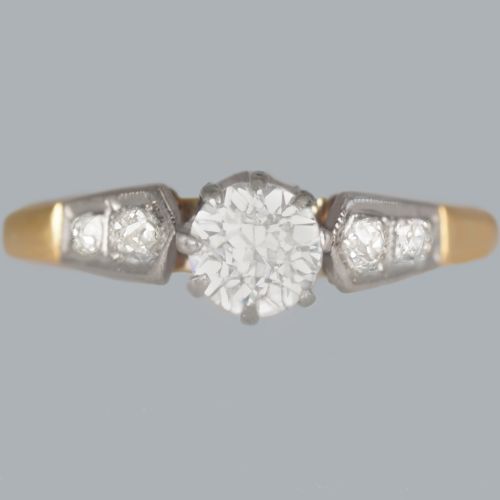
The edwardian gold diamond solitaire is a classic ring design centred on a single diamond held within a precious metal mount. These pieces span the early decades of the twentieth century, alongside Victorian and Art Deco examples.
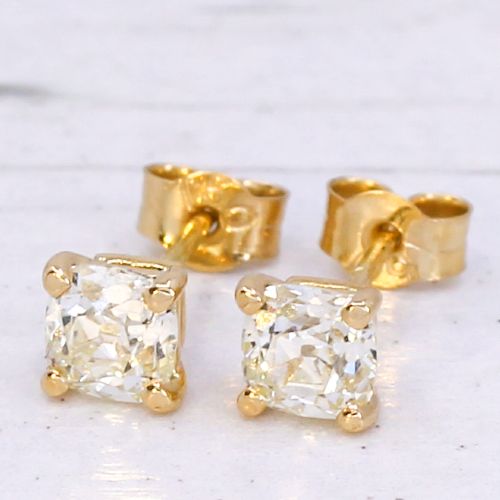
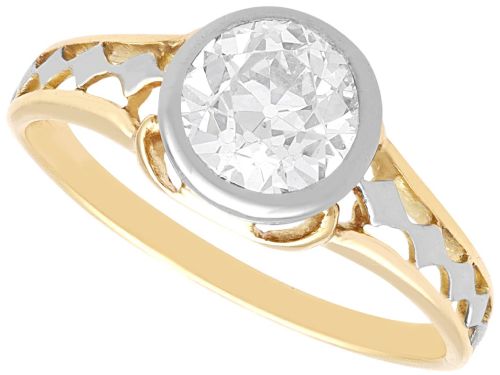
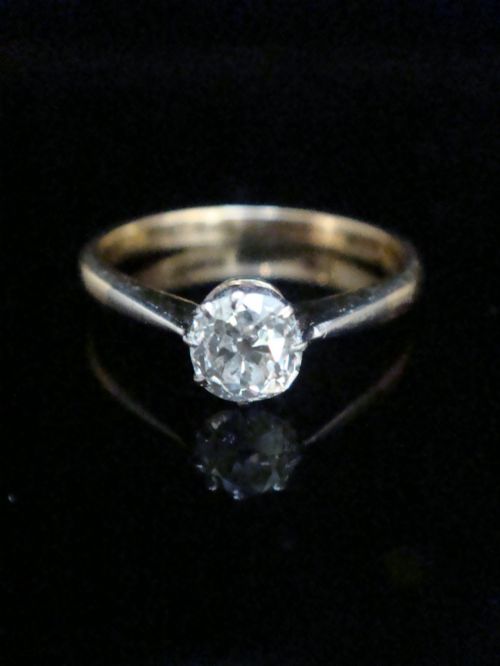
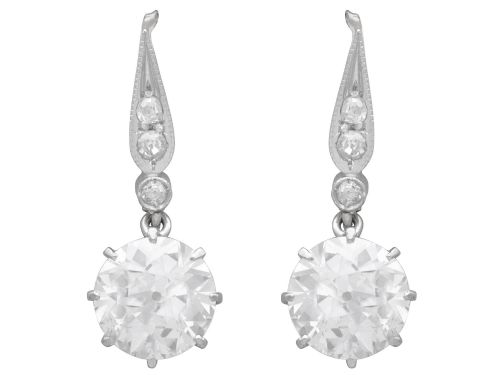
Most items meeting this search phrase are engagement rings featuring yellow gold bands combined with white gold or platinum settings. The selection also includes related items such as earrings and brooches.
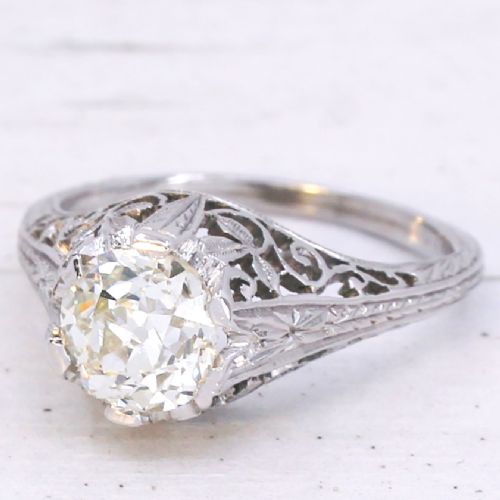
Makers utilised traditional hand-tooling techniques to shape the precious metals into slender profiles that emphasise the central gemstone. Many mounts incorporate subtle gallery work or delicate shoulders.
Materials and Technique
Goldsmiths worked primarily in eighteen-carat yellow gold, nine-carat gold, and platinum, often pairing yellow gold bands with white metal illusion heads. This dual-metal construction made diamonds appear larger and brighter under gaslight and early electric lighting.
Diamonds found in these pieces feature old European, old mine, or early brilliant cuts shaped by hand rather than modern machinery. These cuts display smaller tables and deeper pavilions, producing distinctive soft light reflections.
Edwardian Gold Diamond Solitaire Retail Price Guide 2026
Typical asking prices for edwardian gold diamond solitaire among the pieces listed under this phrase on Sellingantiques today, from the lower quarter to the upper quarter. They describe what is for sale here now, not the wider market.
Factors of Quality
Quality rests in the optical performance and proportion of the central diamond, alongside the integrity of the metalwork. Hand-forged settings that display crisp geometry and secure claw work separate finer examples from standard production.
The weight, colour purity, and facet symmetry of the stone dictate the upper tier of the range. Master lapidaries achieved high clarity and lively brilliance even within smaller carat weights.
The Edwardian Gold Diamond Solitaire Glossary
- Old European Cut
- A vintage diamond facet arrangement featuring a round girdle, small table, and high crown. This predecessor to the modern round brilliant cut produces broad flashes of light.
- Solitaire
- A jewellery setting featuring a single gemstone mounted alone. This configuration focuses attention entirely upon the central diamond.
- Gypsy Setting
- A mounting style where the gemstone is flush-set directly into the thick metal band. The surrounding gold is pushed up around the girdle to secure the stone.
- Platinum
- A dense, durable white metal utilised extensively in Edwardian jewellery for delicate, lace-like settings. It permitted secure fine-wire claw work that white gold could not match.
- Illusion Setting
- A metal technique surrounding the diamond girdle with a faceted plate to magnify the apparent size of the stone. This method was widely used in early twentieth-century rings.
Edwardian Gold Diamond Solitaire: Frequently Asked Questions
How do I care for an antique ring?
Clean these delicate pieces gently using warm soapy water and a soft brush, avoiding harsh ultrasonic cleaners. Regular inspection by a professional jeweller ensures the antique claws remain secure.
Store each piece separately in a fabric-lined box to prevent the old gold and diamonds from scratching against other items in your collection.
Can these rings be resized safely?
Most gold and platinum bands can be adjusted by a skilled bench jeweller who understands antique construction methods. The process involves adding or removing a small section of metal from the lower shank.
Careful thermal management is required during resizing to protect delicate gallery work and preserve original hallmarks stamped on the inner band.
What defines the Edwardian style?
Edwardian jewellery is characterised by light, graceful motifs executed in platinum and yellow gold. Designs frequently incorporate millegrain edges, floral patterns, and airy openwork galleries.
The aesthetic reflects a period of refined luxury and technical mastery in gemstone setting before the geometric shifts of the Art Deco era.
Are old cut diamonds different?
Old cut diamonds were shaped by hand under candlelight or early electric lamps to maximise warm sparkle rather than mathematical brilliance. Their proportions include steeper crowns and open culets visible through the table facet.
Each stone possesses a unique character shaped by the lapidary who cut it, unlike the standardised geometry of modern brilliant-cut diamonds.