
Edwardian Gold Cluster Ring
An edwardian gold cluster ring centres a central gemstone within a border of smaller stones, combining period craftsmanship with floral symmetry.
Edwardian Gold Cluster Ring
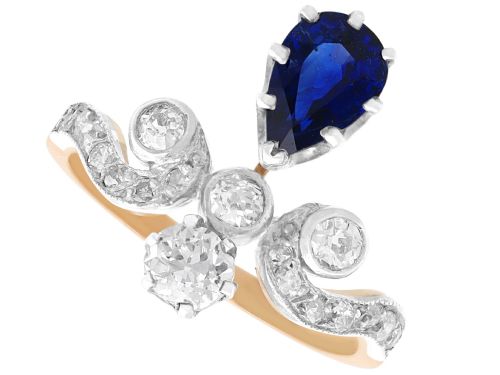
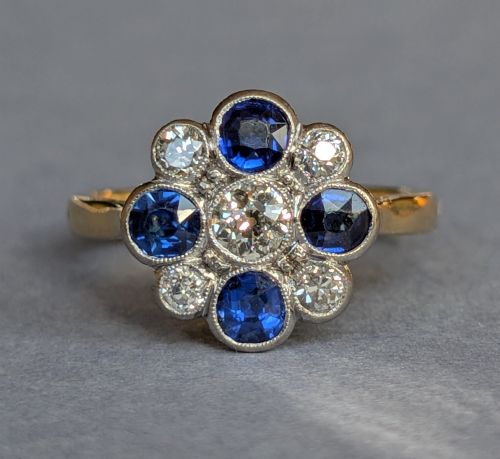
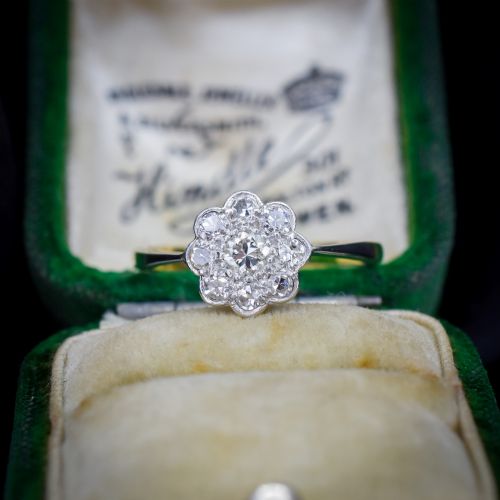
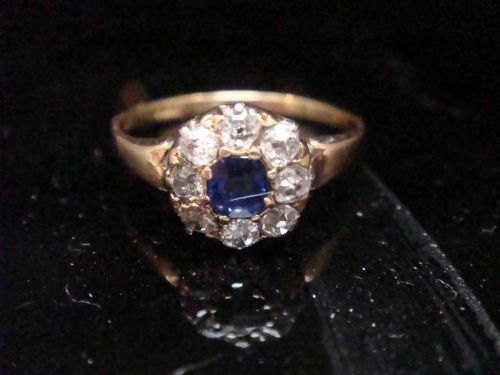
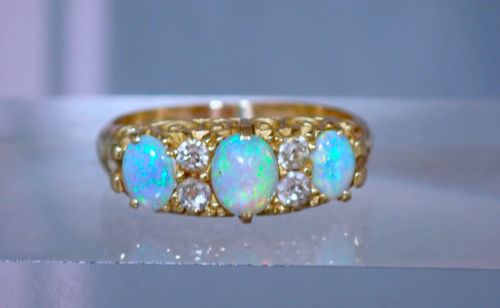
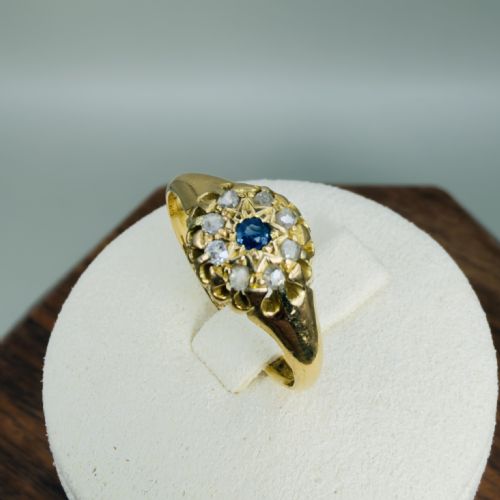
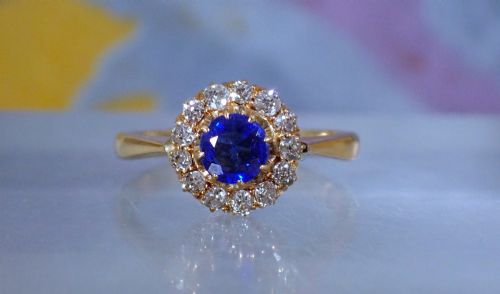
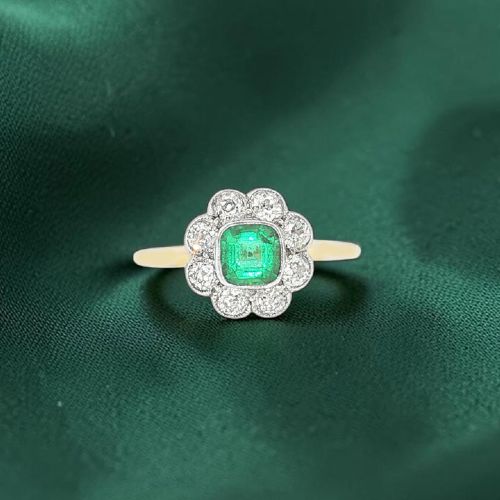
An edwardian gold cluster ring brings together a central gem surrounded by smaller stones to form a distinct flowerhead or daisy silhouette. These pieces date principally from the early twentieth century, though similar cluster formations span into Victorian and later revival periods.
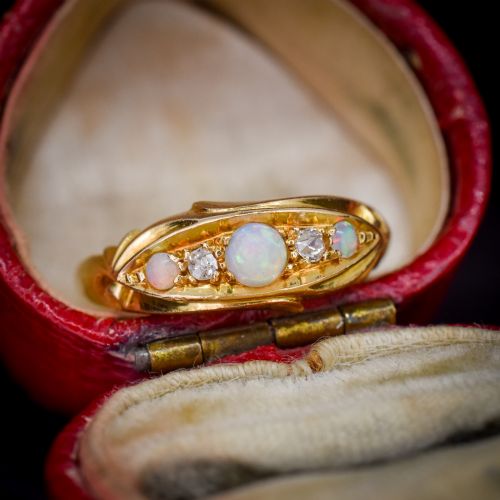
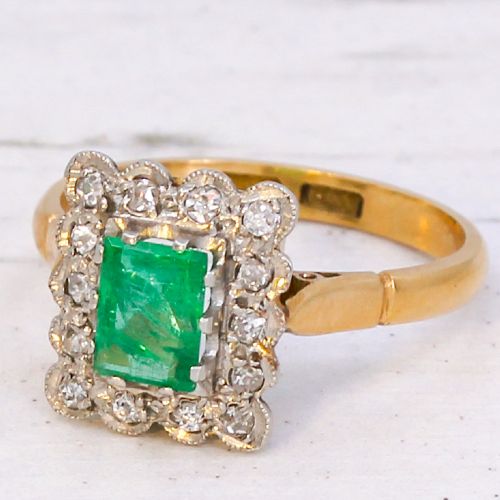
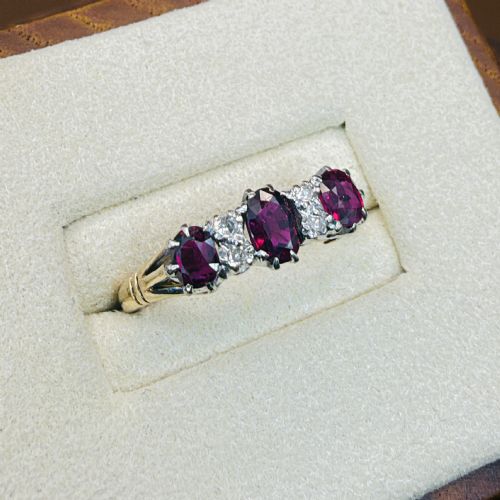
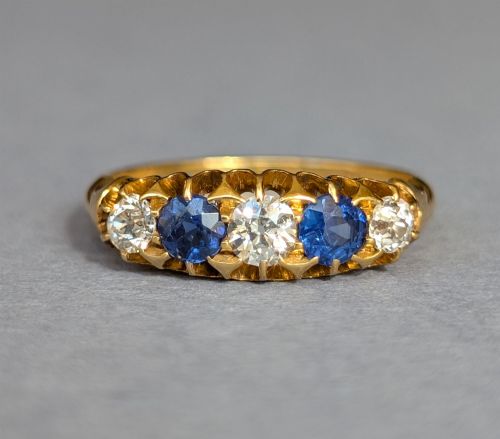
The dominant material combination pairs eighteen-carat yellow gold with platinum settings, which allowed jewellers to secure diamonds and coloured stones with minimal metal visibility. Central gems frequently include old cut diamonds, sapphires, rubies, opals and emeralds.
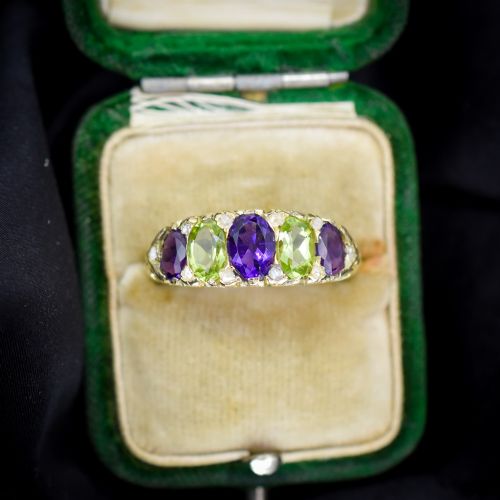
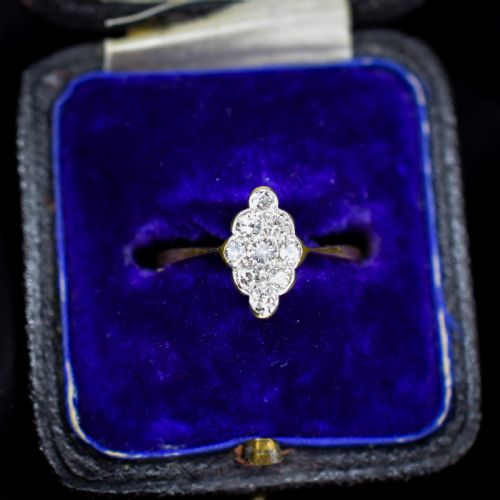
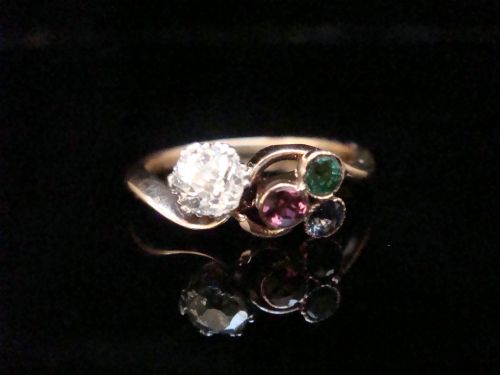
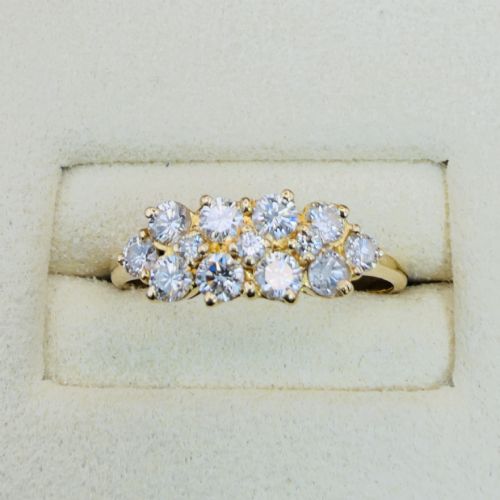
Most examples function as engagement rings or dress rings, reflecting the delicate floral and geometric tastes popular during the Edwardian era. Buyers encounter numerous variations featuring concentric halos, navette shapes, or twin-stone arrangements alongside standard circular clusters.
How they were made
Goldsmiths utilised eighteen-carat yellow gold for shanks while employing platinum or silver for top bezels and claw settings to enhance the brilliance of white diamonds. This dual-metal construction characterises the period, maximising structural strength without darkening the stones.
Gemstones such as diamonds, sapphires and rubies were shaped by hand into old European cuts or rose cuts, displaying characteristic chunky facets and open culets. Stones were held tightly by grain settings or delicate claws, often polished completely by hand.
Plating techniques were absent, relying instead on natural metal combinations and meticulous hand-piercing underneath galleries to let light pass through the cluster.
Some Edwardian designers incorporated tiny platinum butterflies and floral petals into cluster galleries, hiding miniature details underneath the main stones.
What varies in quality
The choice of central gemstone dictates much of the distinction across these rings, particularly the clarity, colour saturation and unheated status of sapphires, rubies and emeralds. Old cut diamonds paired with natural coloured stones elevate the stature of a piece significantly.
Execution of the metalwork reveals the skill of the original workshop, seen in the delicacy of the pierced gallery and the tight symmetry of the surrounding stone halo. Heavy, clumsy claws or uneven stone spacing detract from the overall design balance.
Originality of the components matters greatly, as alterations or mismatched replacement stones alter the historical integrity of the cluster formation.
The Edwardian Gold Cluster Ring Glossary
- Cluster ring
- A ring featuring a central gemstone encircled by a ring of smaller accent stones, frequently resembling a flower or daisy.
- Old cut diamond
- A diamond cut by hand before modern machinery, exhibiting smaller tables, higher crowns and deep pavilions that catch candlelight warmly.
- Navette
- A boat-shaped or marquise-shaped cluster design that extends along the finger, popular in Edwardian jewellery.
- Platinum setting
- A durable white metal mounting soldered to gold shanks, utilised during the Edwardian period to hold diamonds securely without obscuring light.
- Daisy cluster
- A specific floral cluster formation where round white diamonds surround a coloured central stone or vice versa, creating a petal effect.
Edwardian Gold Cluster Ring: Frequently Asked Questions
How do I wear an edwardian gold cluster ring daily?
These antique rings require gentle care due to their delicate settings and older gemstone cuts. Removing them during heavy manual tasks protects the fine gold claws and softer accent stones.
Pairing them with wedding bands should be done cautiously to prevent the edges of the cluster from rubbing against adjacent metal.
Were these rings used as engagement rings?
Many examples served as engagement tokens during the early twentieth century, reflecting a strong preference for colourful gemstones and floral motifs.
Diamonds combined with sapphires or rubies were common choices for couples selecting rings outside the modern solitary diamond standard.
How can I tell an Edwardian cluster from a later reproduction?
Examination of the metalwork under magnification reveals handmade characteristics such as hand-cut collets and subtle asymmetries in old cut stones. Modern reproductions often display uniform machine stamping and standard brilliant cut diamonds.
Hallmarks stamped on the inner shank further clarify the period of manufacture when traceable to assay offices.
What stones are typically found in these clusters?
Diamonds form the most common border stones, paired with central gems including blue sapphires, rubies, opals, emeralds and pearls. Coloured stones were valued for their vivid hues and were frequently untreated or unheated.
Tourmalines and citrines also appear in specific regional styles from the era.