
Edwardian Glass Oil Lamps
Edwardian glass oil lamps bring a warm, decorative glow to a room, combining brass columns and colourful glass fonts with period charm.
Edwardian Glass Oil Lamps
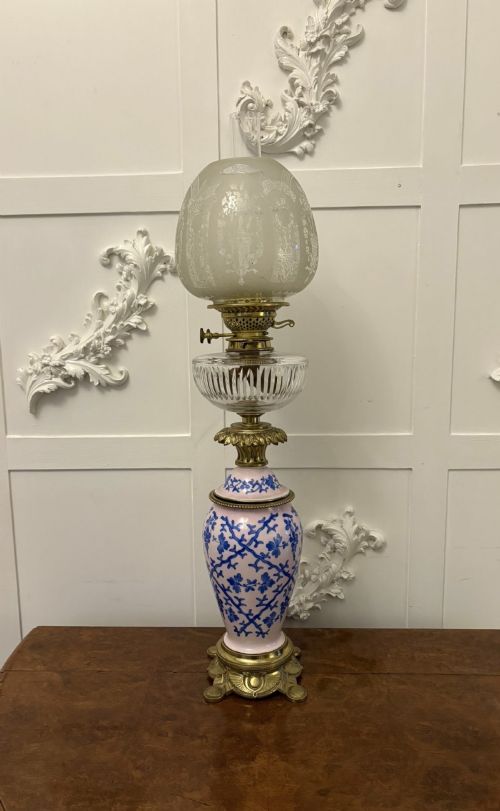
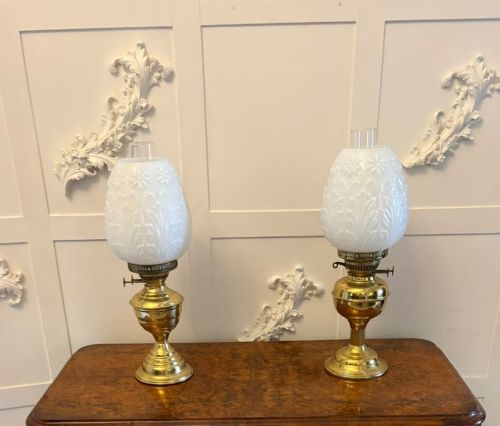
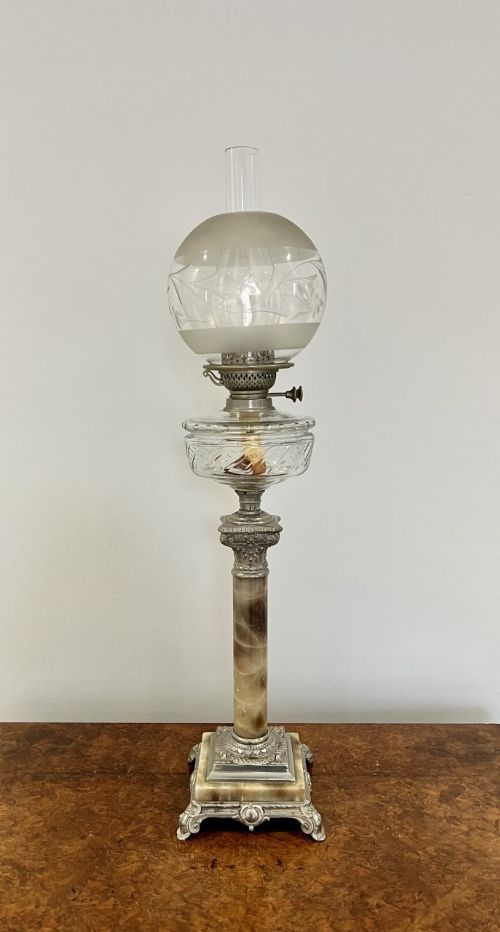
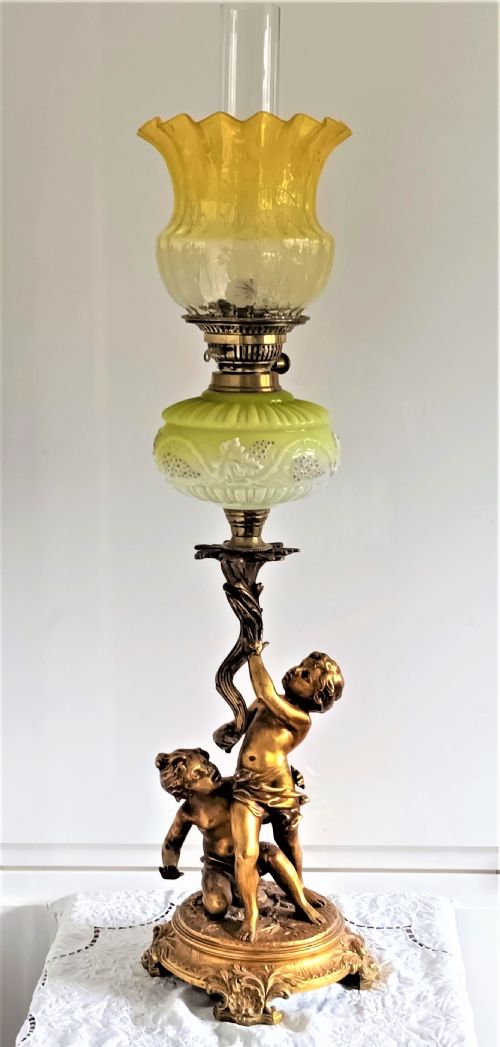
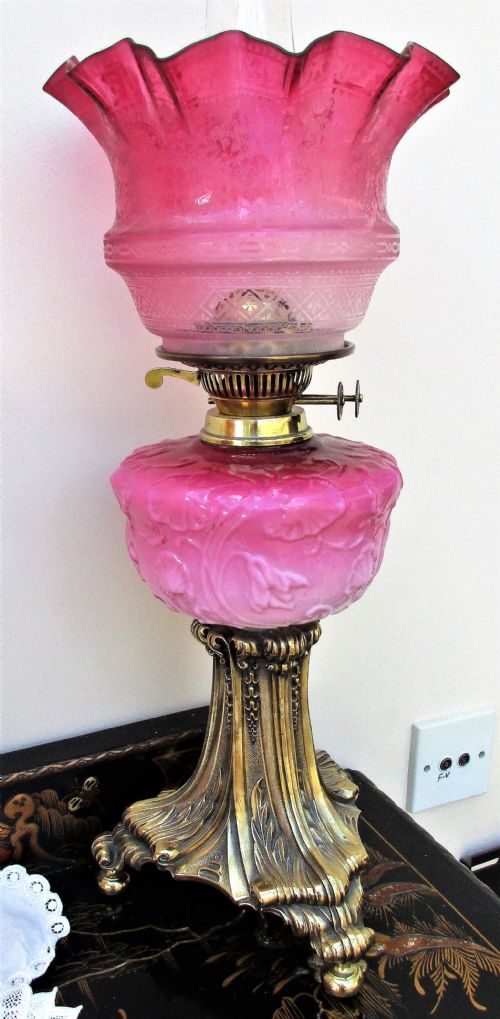
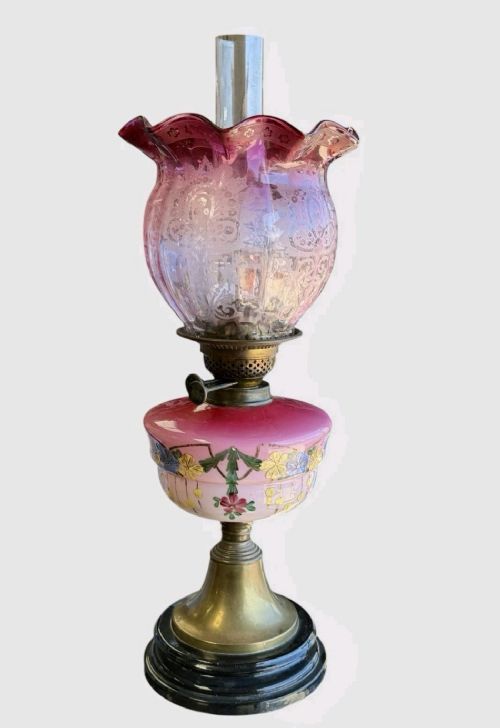
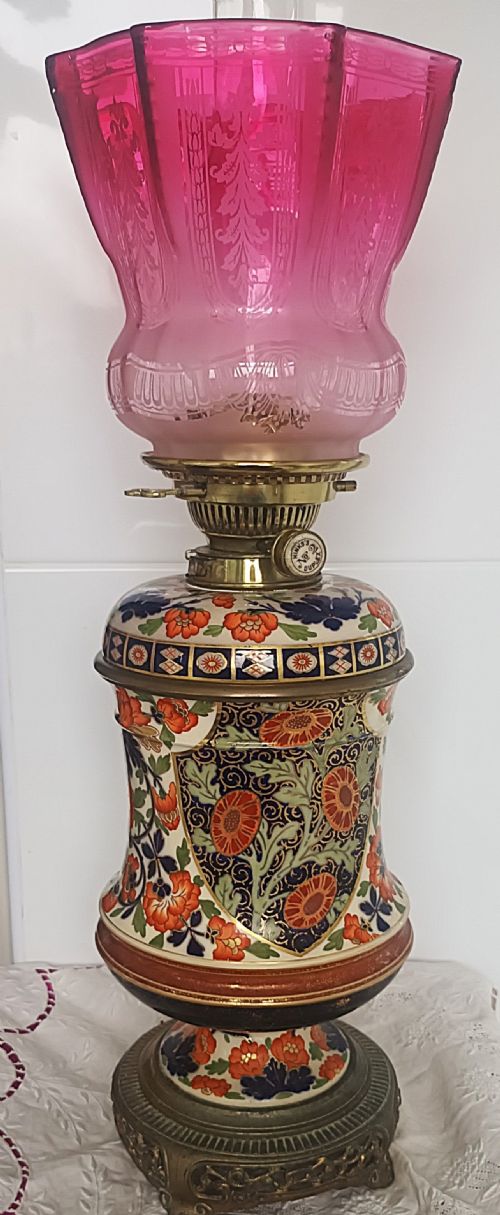
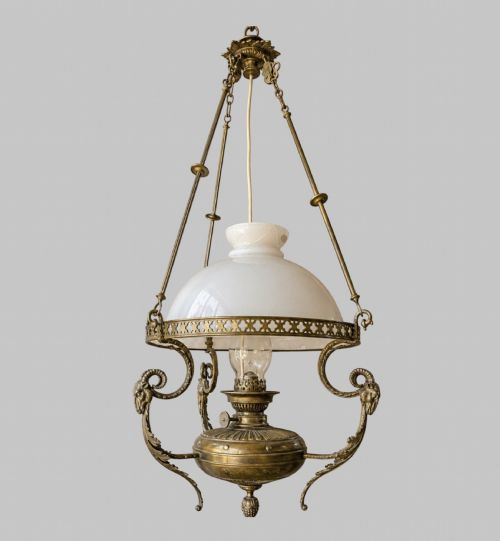
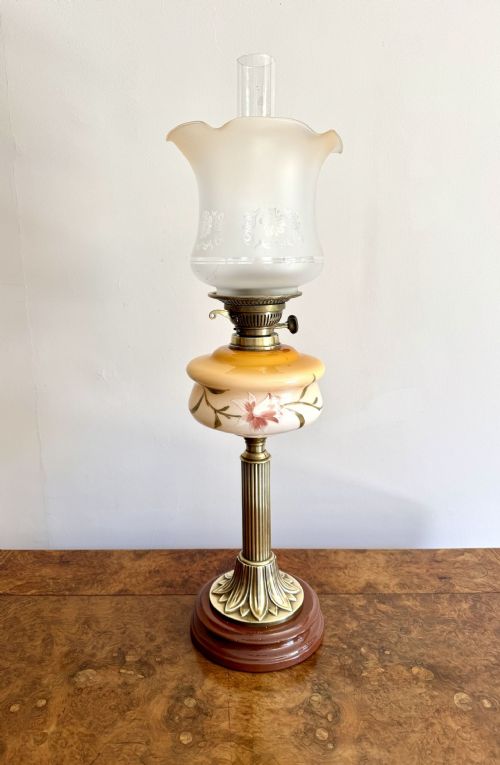
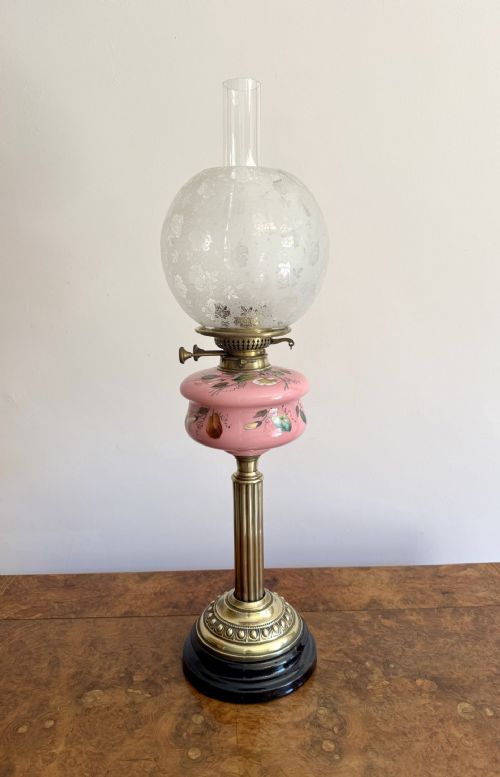
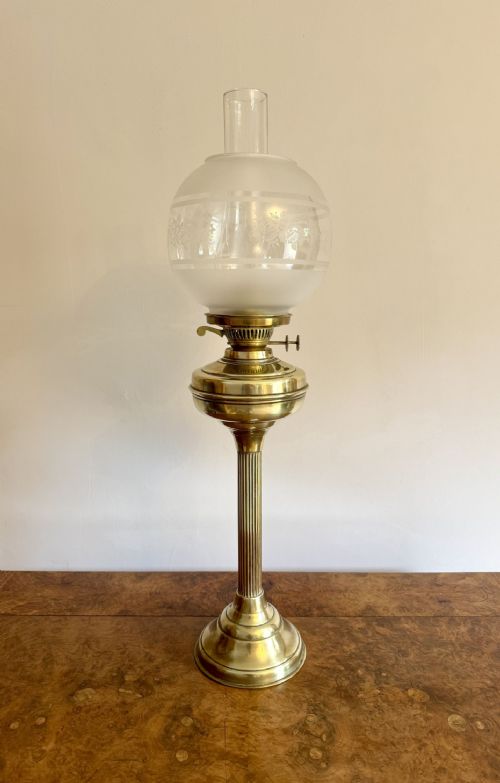
When searching for edwardian glass oil lamps, you encounter lighting fixtures designed around the turn of the twentieth century that utilise burning oil or paraffin before widespread domestic electricity. The items seen here include table lamps, floor lamps, and hanging styles featuring glass fonts and shades paired with metal stands.
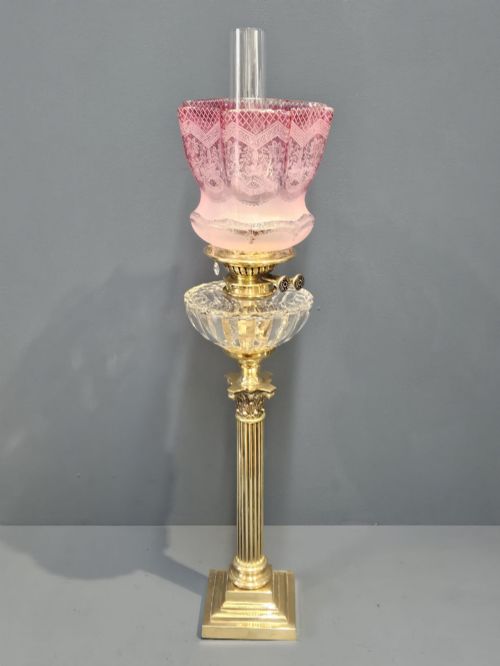
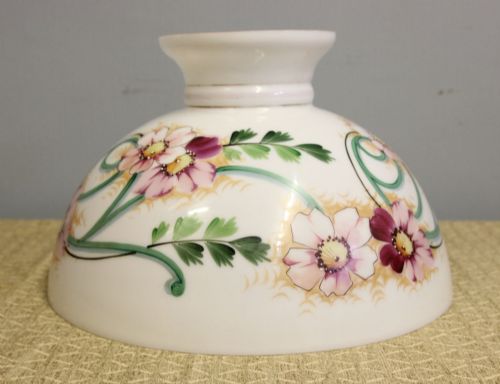
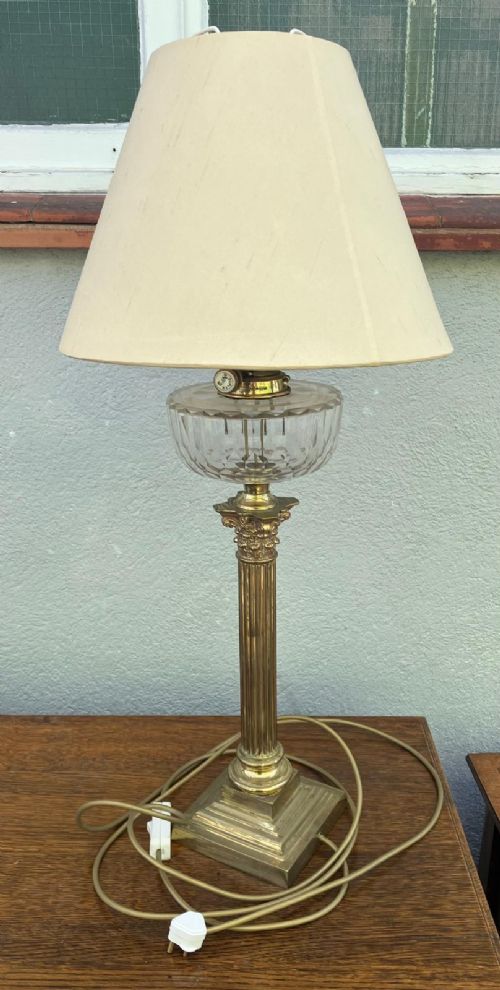
The specimens most frequently found combine brass bases with opaline or cranberry glass components. Many examples incorporate classical architectural motifs such as Corinthian columns alongside hand-painted or etched glass shades.
How they were made
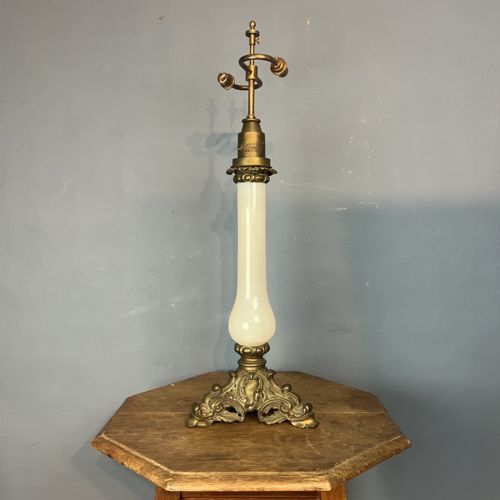
Maker workshops built these lamps using heavy cast brass for columns and bases, often mounting them on ceramic or onyx plinths for stability. Glass fonts and matching shades were produced through blowing, cutting, or moulding techniques, sometimes finished with hand-painted enamel details.
Metal components such as burners and collars frequently bear patent manufacturing stamps from specialist firms. The assembly relies on threaded brass spindles and collars to secure the glass reservoir firmly to the metal base.
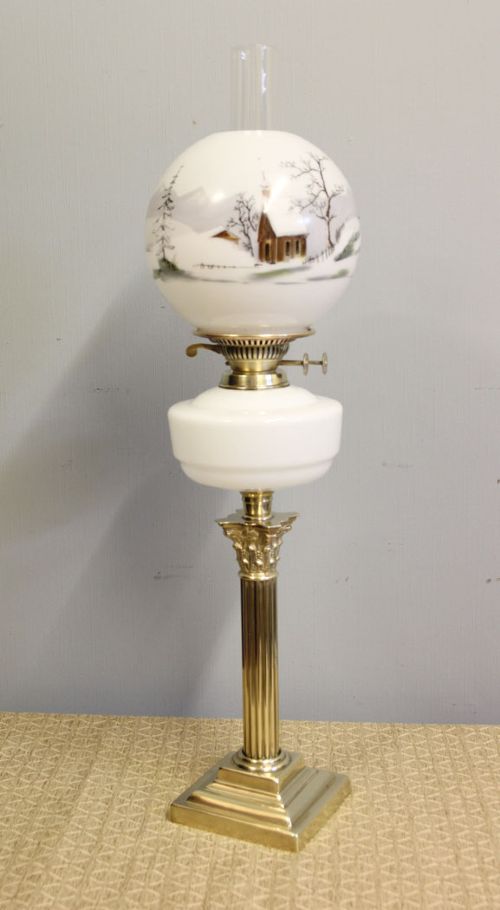
Several lamps preserve painted snow winter scenes on their glass shades, bringing a permanent frost indoors.
What varies in quality
The distinction between standard and superior pieces rests on the weight of the brass casting and the crispness of detail in moulded or cut glass elements. Fine examples display robust Corinthian column capitals with sharp acanthus leaf carving and substantial lead crystal or richly coloured glass fonts.
Superior items often feature intact matching shades with elaborate hand-painted winter scenes or floral enamelling rather than plain replacement glass. The integration of named burner mechanisms like Hinks alongside heavy metal mounts also distinguishes the finer items in this category.
Hinks·Taylor Tunnicliff·Mc Gary·Osler
The Edwardian Glass Oil Lamps Glossary
- Font
- The container that holds the paraffin or oil within the lamp body. It is frequently fashioned from coloured, cut, or opaline glass.
- Opaline glass
- A pale, translucent glass type popular in the nineteenth and early twentieth centuries. It diffuses light softly through its milky appearance.
- Corinthian column
- A classical architectural column style featuring ornate carved capitals adorned with acanthus leaves. This form frequently serves as the stem for table lamps.
- Burner
- The metal mechanism seated atop the font that controls the wick and flame. Brands such as Hinks appear frequently on period examples.
- Cranberry glass
- A rich red glass created by adding gold chloride to the molten mixture. It forms a striking contrast against brass columns.
Edwardian Glass Oil Lamps: Frequently Asked Questions
How do I identify an Edwardian oil lamp?
Edwardian examples typically date around 1900, showing slimmer proportions and softer brass patination compared to earlier Victorian counterparts. They frequently pair opaline or cranberry glass shades with classical brass columns.
Examining the burner mechanism and any patent stamps on the metal collar helps narrow down the exact period of manufacture.
Can these lamps be converted to electricity?
Many period oil lamps are converted for modern domestic use by running electrical wiring through the central brass column. This allows the retention of original glass fonts and shades while providing safe illumination.
Professional conversion preserves the exterior structure without altering the antique metal and glass components.
What is cranberry glass?
Cranberry glass is a distinctively coloured translucent material made by introducing gold into the glassmaking process. It provides the deep pinkish-red hue seen in many period lamp fonts and shades.
When lit, this glass emits a warm, rich glow that characterises late nineteenth and early twentieth-century lighting.
Are replacement shades common?
Replacement shades occur frequently because delicate glass components suffered breakages over decades of use. Finding a lamp with its original matched font and shade is valued by collectors.
Checking the fitter size and glass tone ensures any replacement shade matches the style of the brass base.