







Edwardian Glass Container
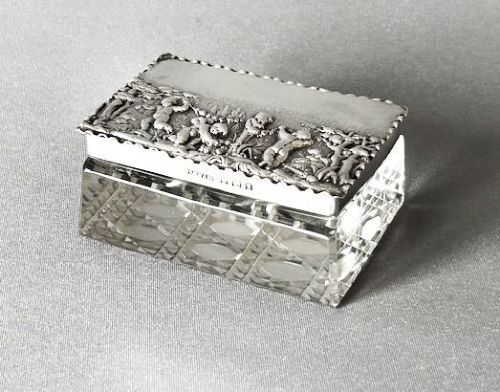
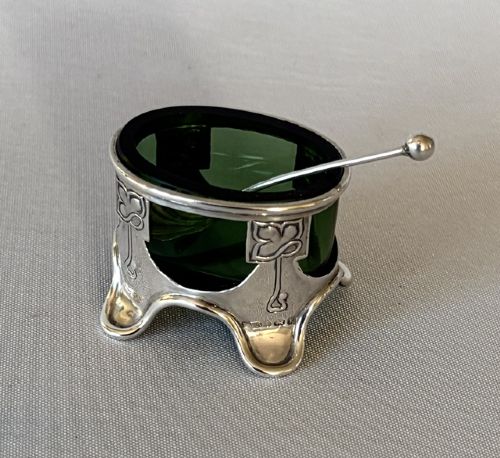
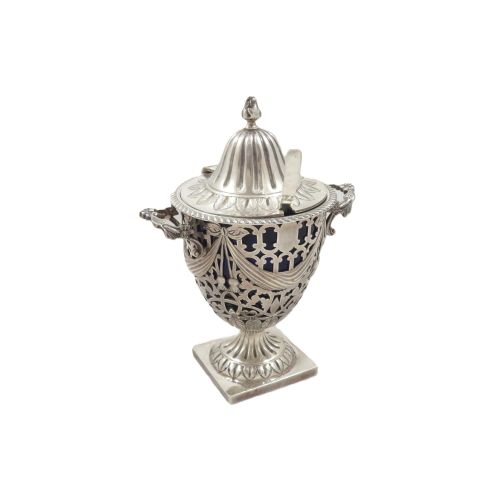
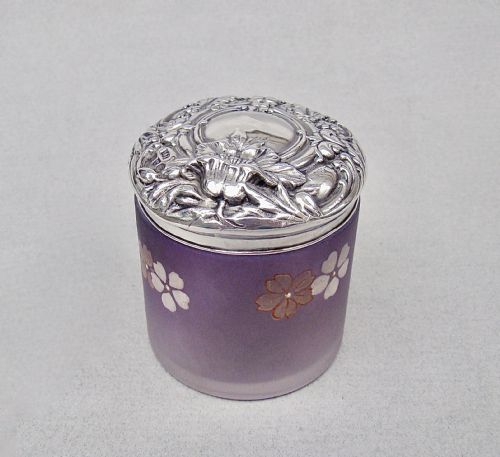
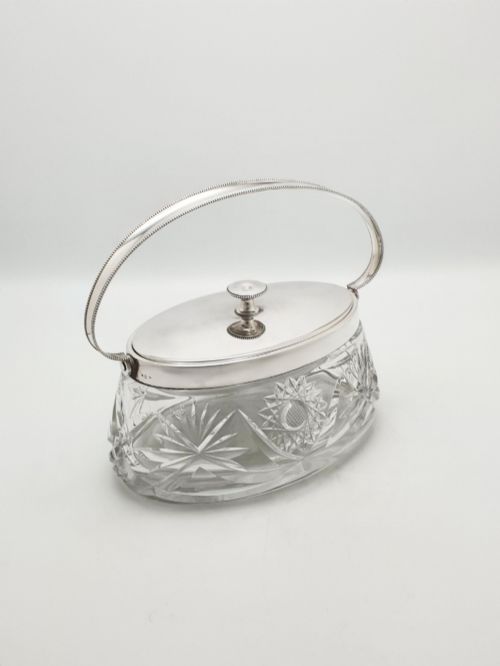
An edwardian glass container offers practical refinement for the dressing table or sideboard, combining heavy pressed or cut vessels with precious metal mounts.
Edwardian Glass Container
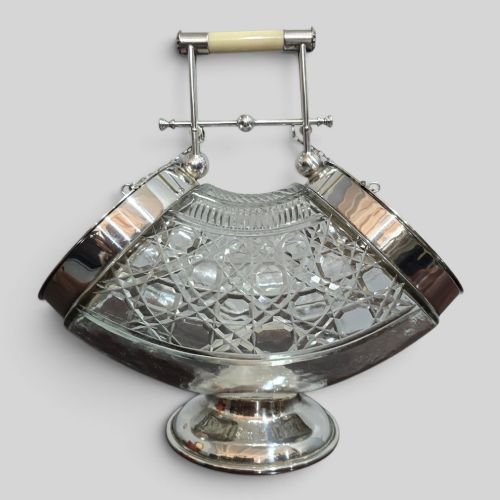
The selection on this page draws primarily from the Edwardian period and the early twentieth century, alongside select Victorian and later examples. Biscuit barrels and vanity jars dominate the forms, frequently displaying heavy facet cutting or vibrant cranberry glass.
Makers utilised various mounting techniques to secure metal rims, collars, and swing handles to the glass vessels. Such containers served domestic functions in the parlour, boudoir, and dining room, balancing utility with aesthetic display.
What varies in quality
The thickness and clarity of the glass vessel establish the baseline quality, with deep, crisp wheel-cutting and heavy crystal outperforming lighter pressed alternatives. Richly saturated cranberry or overlay glass tones indicate superior material selection during production.
The weight and substance of the silver or silver-plated mounts differentiate standard utilitarian pieces from finer luxury examples. Intricate enamel work, well-executed hinged mechanisms, and legible silversmith hallmarks elevate the standing of the container.
Edwardian Glass Container Retail Price Guide 2026
Typical asking prices for edwardian glass container among the pieces listed under this phrase on Sellingantiques today, from the lower quarter to the upper quarter. They describe what is for sale here now, not the wider market.
Several preserve pots take the literal form of a glossy red apple, complete with a silver stem on the lid.
Hukin and Heath·Levi and Salaman·James Dixon and Sons
The Edwardian Glass Container Glossary
- Biscuit barrel
- A covered ceramic or glass jar designed for storing dry biscuits on the dining table or sideboard. These vessels frequently feature swing handles and metal rims.
- Cranberry glass
- Transparent pinkish-red glass produced by adding gold chloride to the molten batch. It enjoyed widespread popularity during the Victorian and Edwardian eras.
- Hobnail cut
- A decorative glass-cutting pattern featuring rows of small, raised pyramidal facets that catch the light. This technique adds considerable texture and weight to the vessel wall.
- Hallmark
- An official stamp or series of marks applied to precious metals indicating standard of purity, place of assay, and maker. English silver carries traditional symbols including town marks and date letters.
- Silver plate
- A base metal, such as nickel silver or Britannia metal, coated with a thin layer of silver through electroplating or old Sheffield plating methods.
Edwardian Glass Container: Frequently Asked Questions
What were glass containers used for?
Edwardian glass containers served various domestic purposes depending on their specific form. Biscuit barrels held dry goods for tea service, while vanity and dressing table jars stored cosmetics, pins, or trinkets.
Smaller lidded boxes accommodated stamps or small personal items on a desk or parlour table. The combination of glass and metal protected the contents while allowing visibility.
How can I identify an Edwardian piece?
Dating relies heavily on hallmarks stamped onto the silver mounts, which indicate the assay office and year of manufacture. Stylistic indicators include the prevalence of Art Nouveau motifs, heavy hobnail cutting, and specific silver-plated mounts.
Comparing the form and manufacturing techniques to documented examples from the early twentieth century helps confirm the period. Maker marks provide additional chronological context.
How should I clean silver mounts on glass?
Silver mounts require gentle cleaning with a soft microfibre cloth and a mild, non-abrasive silver polish. Care must be taken to avoid applying harsh chemical cleaners directly onto the glass body or enamel sections.
Keeping moisture away from any internal adhesives or fitted collars preserves the structural integrity of the piece. Regular, careful dusting prevents tarnish accumulation on the metal surfaces.
Are replacement lids easy to find?
Finding exact replacement lids or liners for antique glass containers presents a significant challenge due to the bespoke nature of period manufacturing. Each glass vessel and metal mount was produced to specific individual tolerances.
Most collectors prefer acquiring complete pieces where the original glass and silver components remain together. Matching a replacement requires precise measurements of the collar diameter and rim fitting.