


Edwardian Glass Clock
An edwardian glass clock combines clear crystal or glass panels with precision brass movements, offering a striking view of the internal mechanics.
Edwardian Glass Clock
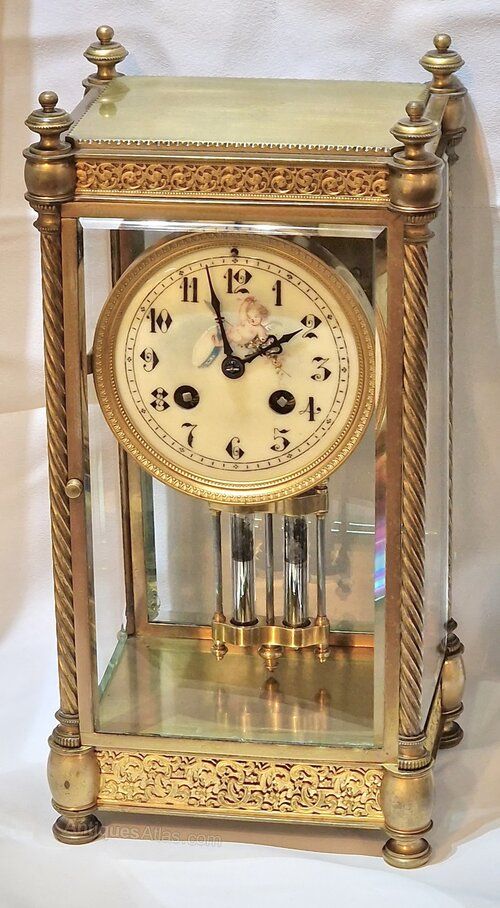
When you search for an edwardian glass clock, you encounter timepieces defined by transparent viewing panels, crystal regulators, and four glass mantel designs. These pieces house mechanical movements within enclosures of brass, oak, and mahogany, allowing the escapement and pendulum to remain fully visible from multiple angles.
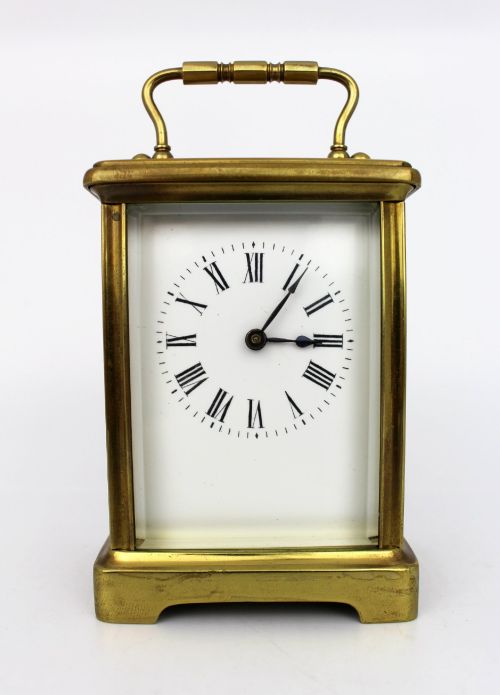
The most common versions met on this page include four glass mantel clocks and brass carriage clocks featuring glazed panels. Examples span periods from the late nineteenth century into the early twentieth century, incorporating French and English movements alongside wooden cases and display domes.
Materials and construction
The construction relies on heavy plate glass or bevelled crystal fitted securely into brass frames, wooden surrounds, or ebonised wood bases. Cabinetmakers utilised oak, mahogany, and brass to build the structural housings, while horologists assembled intricate gear trains, escapements, and mercurial pendulums within.
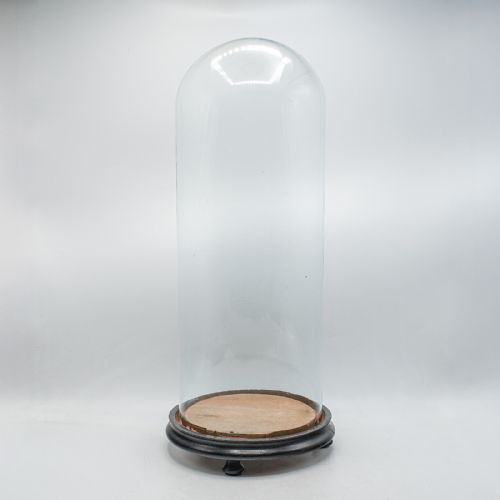
Enamel dials, brass carrying handles, and intricately pierced hands complete the assembly. Protective glass domes and display cloches were mouth-blown and paired with turned wooden bases to safeguard delicate items.
Several glass domes in the selection originally served to protect delicate Victorian taxidermy displays from dust.
Qualities that set pieces apart
Quality rests upon the crispness of the brass casting, the clarity and thickness of the bevelled glass panels, and the refinement of the movement itself. Maker signatures on dials or backplates indicate higher standards of workshop production.
The choice of cabinet timber, such as figured mahogany or select oak, combined with sound structural joinery, separates standard production items from finer gallery pieces.
Hyde and Sons Sleaford·Samuel Marti et Cie·J C Vickery London·Goldsmiths
The Edwardian Glass Clock Glossary
- Carriage clock
- A small, portable spring-driven timepiece originally designed for travelling, typically housed in a brass frame with glass panels.
- Crystal regulator
- A mantel clock constructed with heavy bevelled glass panels on all sides and a mercury or compensated pendulum.
- Torsion clock
- A timepiece regulated by a suspended torsional pendulum that rotates back and forth, often known as an anniversary clock.
- Fusee movement
- A conical pulley mechanism designed to maintain even force on the gear train as the mainspring unwinds.
- Ting tang
- A striking mechanism using two hammers and two bells to sound the quarters or hours.
Edwardian Glass Clock: Frequently Asked Questions
How do I wind a glass mantel clock?
Most mechanical models utilise a winding key inserted into specific dial holes to tension the mainspring barrels. Care must be taken not to overwind the mechanism.
Consult the pendulum lock before moving the clock to prevent damage to the delicate suspension spring.
Where should I place an edwardian glass clock?
Position the clock on a stable, level surface away from direct sunlight, drafts, and vibrations to ensure accurate timekeeping. Mantelpieces, desks, and glazed cabinets offer suitable environments.
Keep glass panels clean using a soft cloth to maintain the transparent viewing aesthetic.
How do I identify an edwardian period clock?
Examine the movement stamps, dial typography, and case styling for characteristics typical of the early twentieth century. Edwardian pieces often blend traditional proportions with lighter woodwork or refined brass mounts.
Compare hallmarks or signatures on the backplate with known regional horological records.
What maintenance do these clocks require?
Mechanical movements benefit from periodic professional cleaning and lubrication to prevent wear on the brass gears. Dust the exterior glass and wooden surfaces regularly with a dry cloth.
Avoid using liquid cleaners directly on painted dial faces or antique wood finishes.