


Edwardian Gilt Chandelier
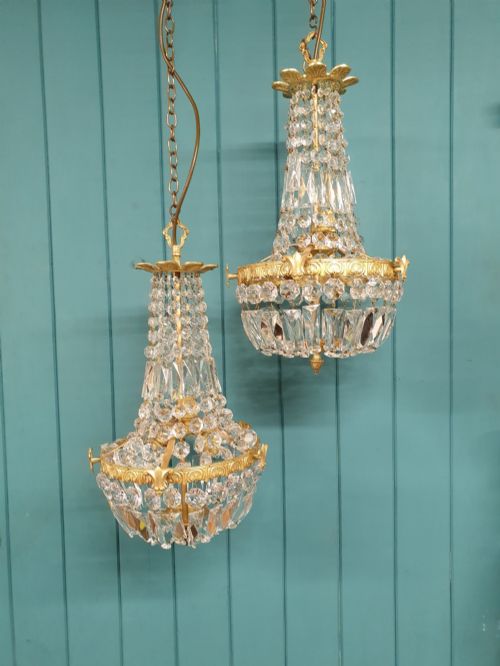
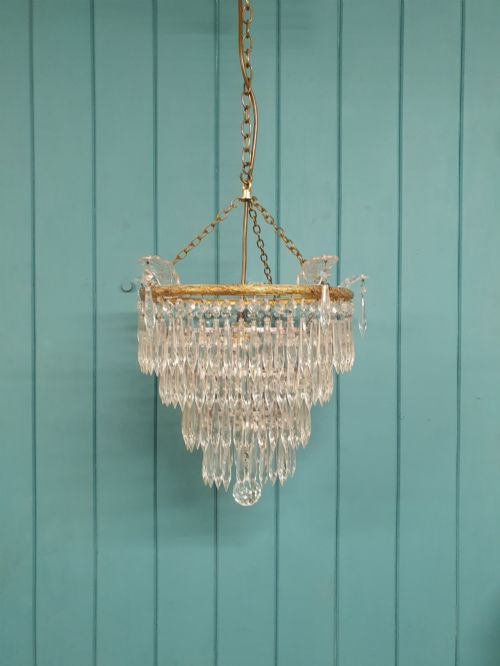
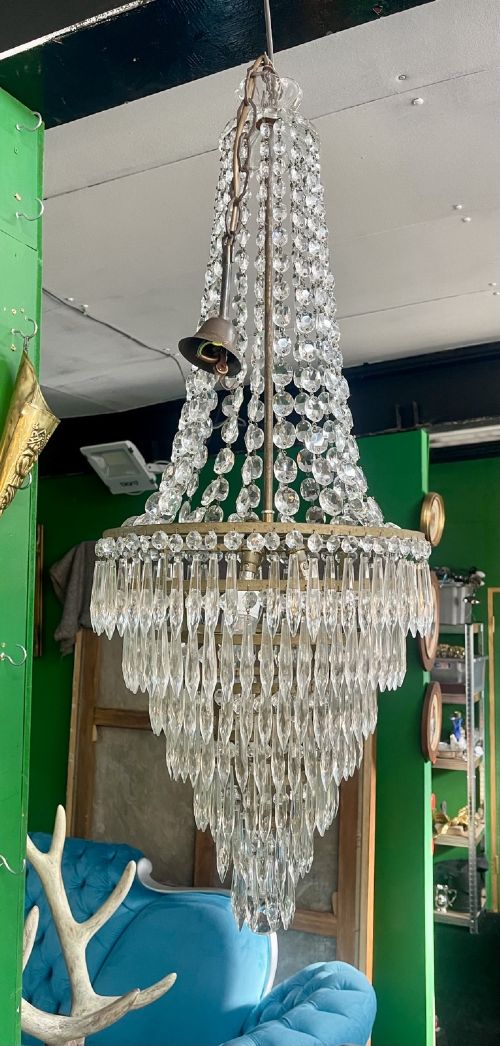
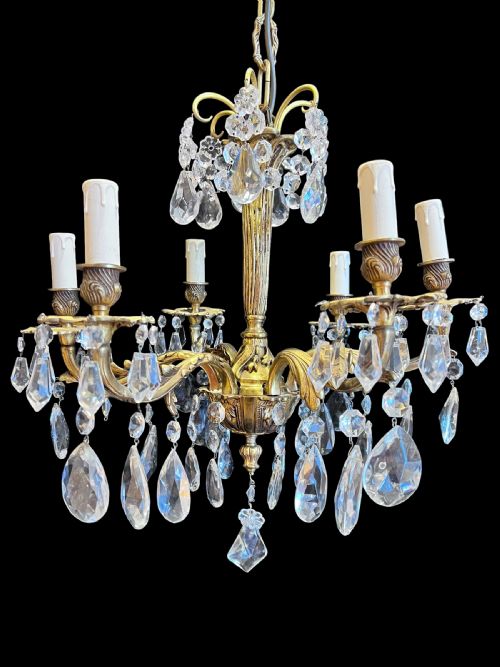
An edwardian gilt chandelier brings warm metallic reflection and tiered crystal refraction to a reception room, combining period weight with delicate overhead illumination.
Edwardian Gilt Chandelier
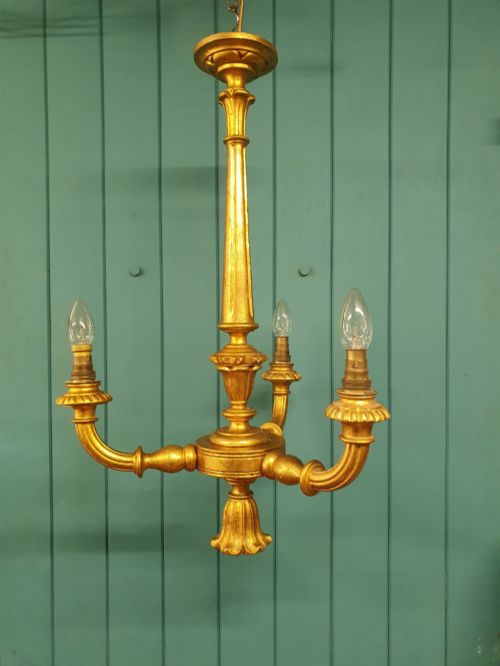
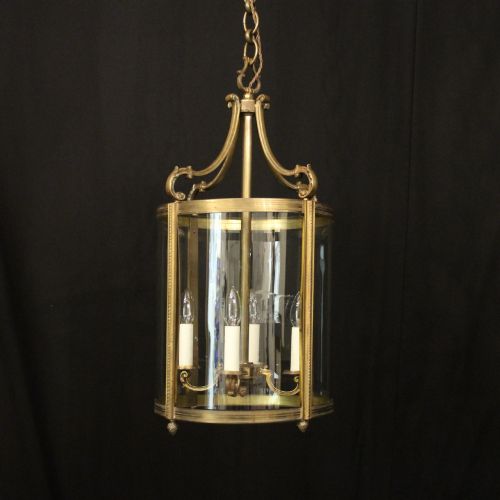
An edwardian gilt chandelier encompasses elaborate hanging fixtures originating predominantly from the early twentieth century alongside adjacent nineteenth century and interwar examples. These pieces typically manifest as multi-armed configurations, basket styles, or hall lanterns suspended from ceilings to cast brilliant light across interior spaces.
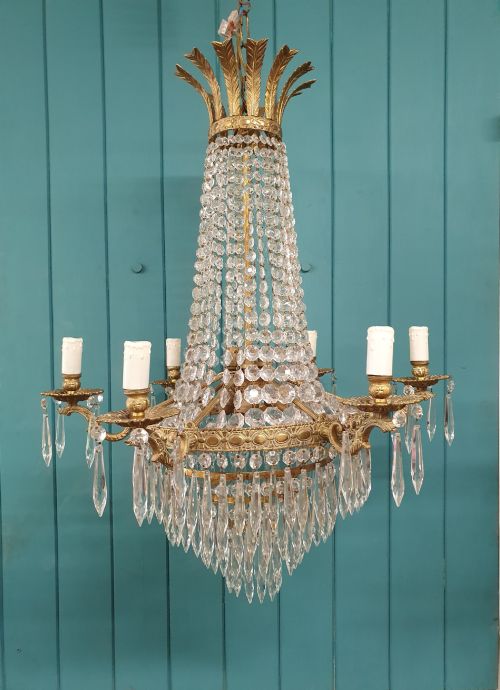
Buyers encountering this selection will frequently find French inspired designs, including Louis XVI, Empire, and Rococo styles, executed with gilded metal frames and decorative glass components. Common variations range from compact spike and bag chandeliers to large multi-tiered fixtures fitted with numerous arms for candles or early electric bulbs.
Materials and Construction Techniques
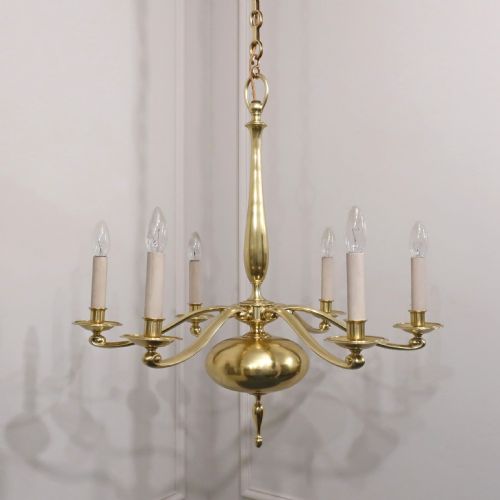
Craftsmen built these fixtures using robust base metals such as brass, bronze, and gilt metal, applying surface gilding to create a rich metallic sheen. Frames were cast, carved, or assembled to support complex arrays of arms, coronas, and suspension chains.
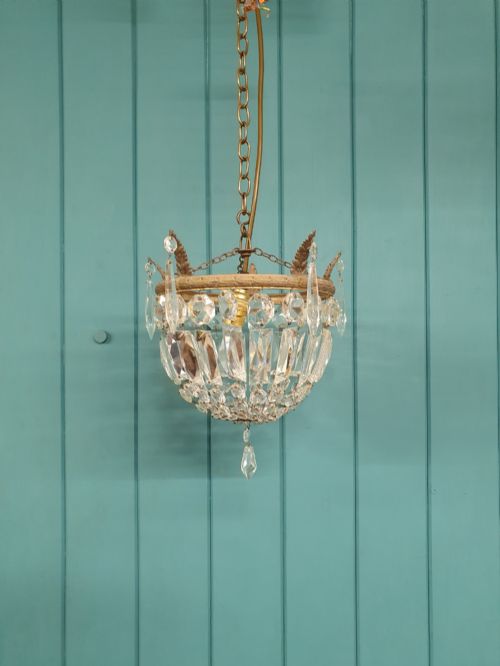
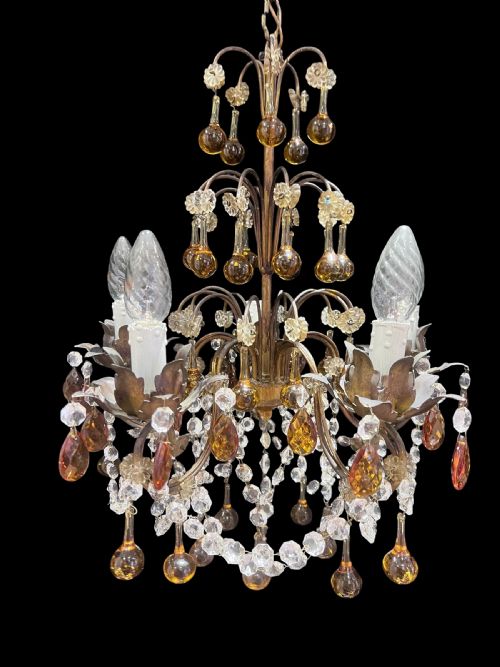
Transparency and sparkle were introduced through the integration of cut glass, crystal prisms, lustres, and coffin drops. These glass elements were wired or pinned directly to the metal armature, creating layered cascades that catch and disperse light.
Several chandeliers hide delightful sculptural surprises amongst their crystal drops, including tiny cast cherubs and sculpted bunches of grapes.
Distinctions in Quality and Execution
Superior examples reveal themselves through the crispness of the metal casting and the depth of the original gilding, where chased details and substantial bronze or brass weight supersede lighter stamped metal frames. The precision in hand-cut crystal prisms and the inclusion of specialised ornamentation, such as cherubs, grape clusters, or detailed leaf work, separate masterworks from standard production.
Structural integrity and the completeness of the hanging crystal drops define the long-term preservation of a fixture. High quality pieces retain their original matching prisms and balanced arm configurations without replacement or mismatched components.
G.E.C
The Edwardian Gilt Chandelier Glossary
- Ormolu
- A golden-coloured metallic alloy used to simulate gold, applied to bronze mounts and decorative chandelier components. It provides a durable and brilliant finish characteristic of fine antique lighting.
- Prism
- A cut glass or crystal pendant suspended from the chandelier frame to refract light. Prisms come in various geometric cuts, including coffin and spear shapes.
- Bag chandelier
- A lighting form featuring a tight upper crown that sweeps down into a bulbous, bag-like gathering of cascading glass drops and beads. This style creates a dense mass of reflected illumination.
- Spike chandelier
- A fixture design terminating in a central downward-pointing metal or crystal spike below the main tier of arms. It anchors the vertical composition of the hanging light.
- Swag
- A decorative chain or garland of crystal beads draped between the upper crown and the outer arms of the fixture. Swags add a softening curved line to the rigid metal skeleton.
Edwardian Gilt Chandelier: Frequently Asked Questions
Were these chandeliers electrified originally?
Many fixtures from this era were manufactured during the transition period when lighting shifted from candles to electricity. Some examples retain their original conversion wiring, while others started life holding candles or gas before being adapted later.
Inspect the wiring channels and candle tubes to understand how the fixture was altered over time. Modern rewiring by a qualified professional is generally recommended to ensure household safety before hanging.
How high should I hang a chandelier?
Suspension height depends entirely on the room's function and whether the fixture hangs above open floor space or furniture. In a hallway or over a clear floor, ensure adequate clearance underneath for people to walk comfortably.
When positioning above a dining table, the bottom of the chandelier typically rests lower to focus illumination on the surface. Adjust the hanging chain so the proportions feel balanced within the room's vertical space.
How can I tell the period of a gilt chandelier?
Dating relies on examining the casting techniques, fastening methods, and stylistic cues present in the metalwork. Edwardian and turn-of-the-century pieces often combine historical revival motifs with early mechanical fixings and specific cut glass prism types.
Compare the overall weight, patination of the gilt bronze or brass, and the cut of the crystal against documented period examples. Subtle indicators like screw threads and hanging loops help differentiate nineteenth-century work from later reproductions.