
Antique Gilt Pendant Fitting
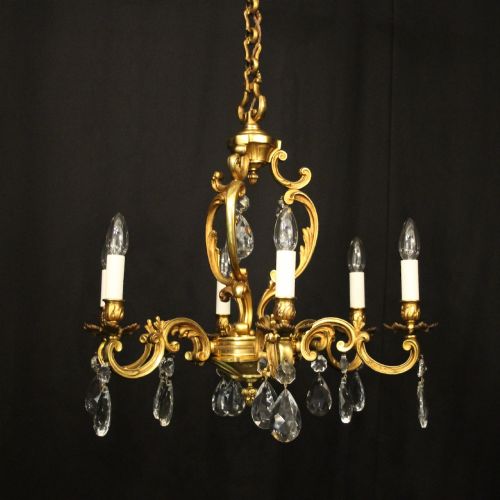
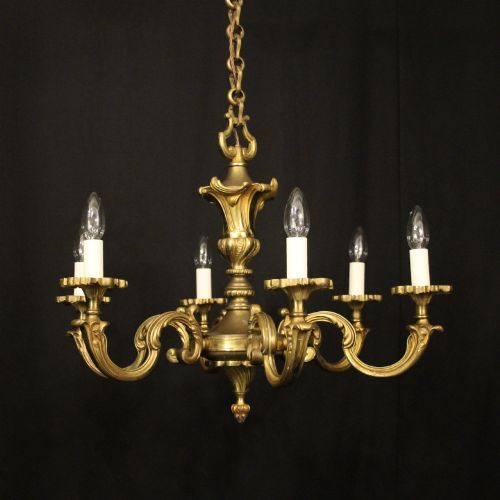
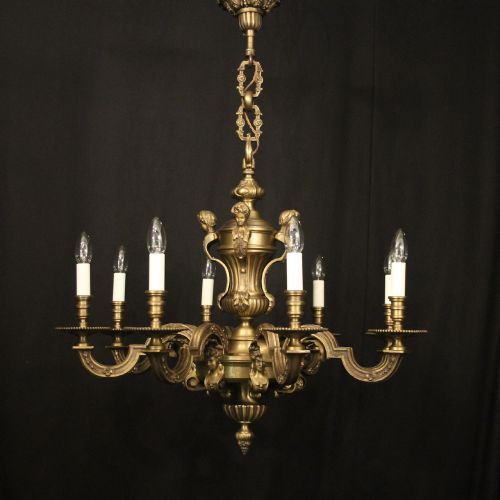
An antique gilt pendant fitting brings warmth and historic presence overhead, offering a golden glow shaped by French and Italian traditions.
Antique Gilt Pendant Fitting
When searching for an antique gilt pendant fitting, a buyer is examining suspended ceiling lighting designed to cast a warm illumination through gilded metalwork. These fixtures span the nineteenth century up to the nineteen-thirties, reflecting diverse regional tastes.
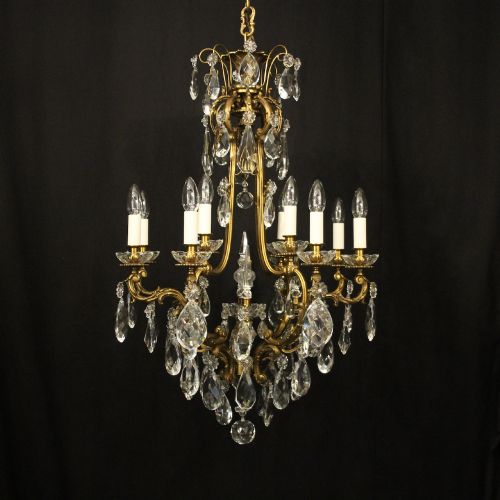
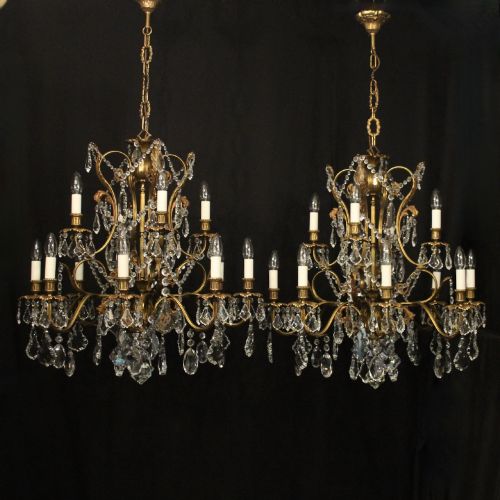
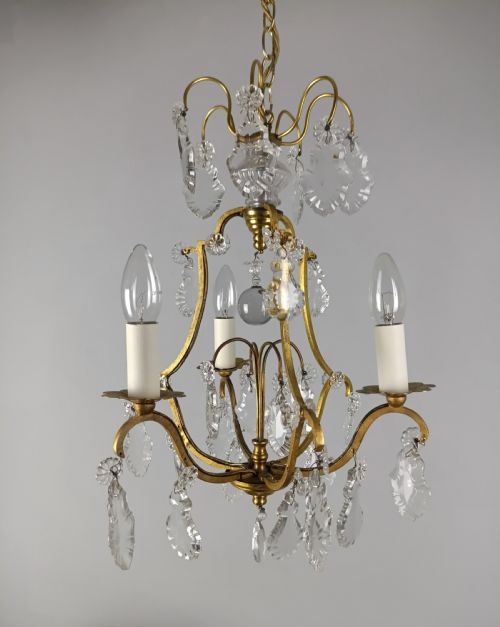
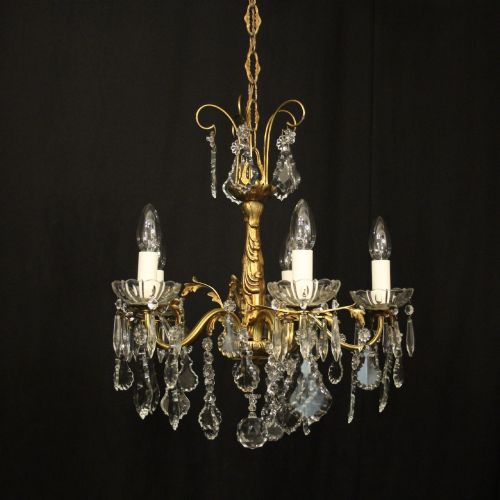
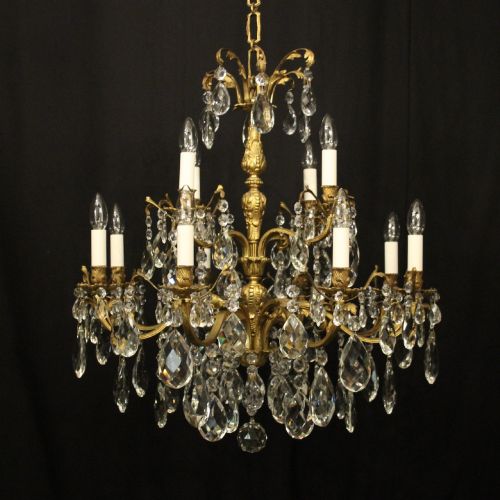
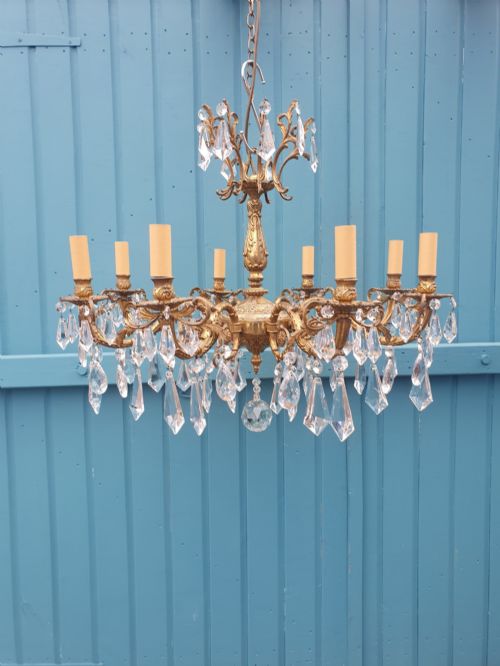
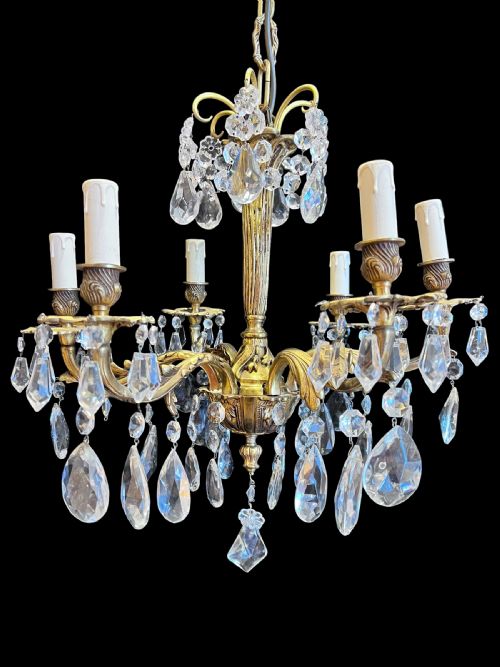
The most common examples on this page are French and Italian fixtures, ranging from multi-light chandeliers to hall lanterns. Many incorporate cut glass or crystal drops suspended from frames finished in gold tones.
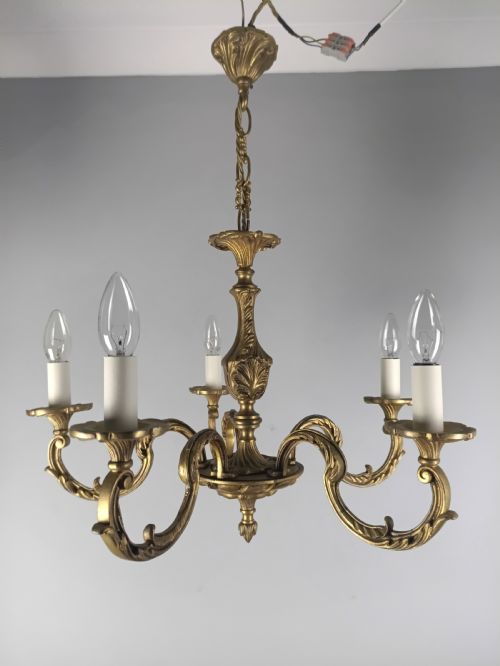
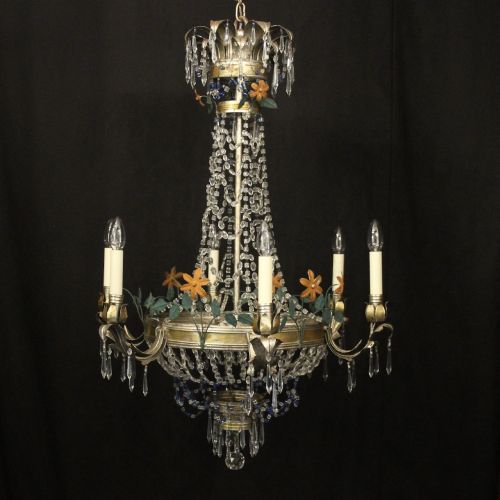
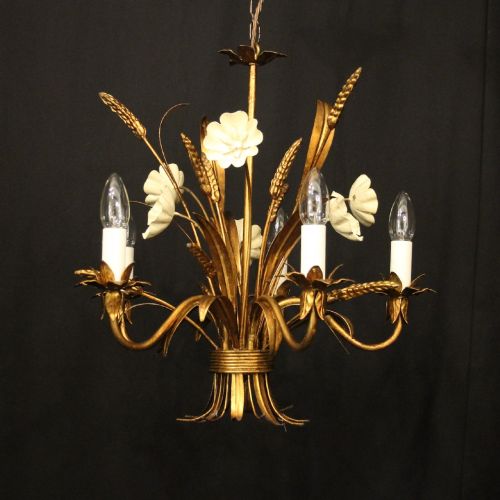
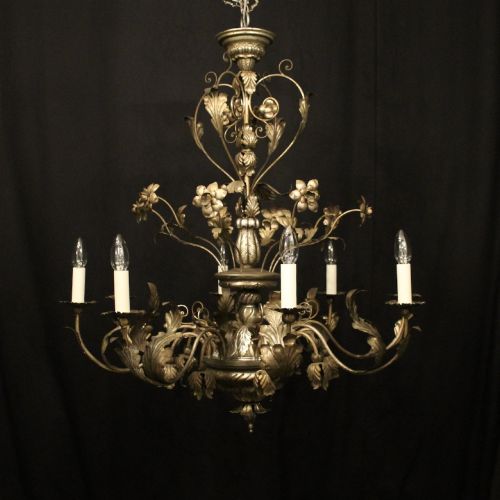
Forms vary from simple three-light arrangements to grand multi-branched chandeliers decorated with porcelain flowers, cherubs, or waterfall crystals. Each piece serves as a primary ceiling light rooted in historical decorative styles.
Materials and construction methods
Makers utilised cast bronze, brass, spelter, and carved wood to form the structural framework of each fitting. These metal and wooden bases received surface applications of gold leaf, silver gilt, paint, or gesso to achieve the desired metallic lustre.
Lighting assemblies incorporated glass elements such as cut crystals, spikes, beads, and prisms to refract light from the bulbs or candles. Component parts were assembled using pins, screws, and wiring appropriate to the period of manufacture.
Discerning quality in period lighting
Quality rests in the crispness of the metal casting and the depth of the gilding applied to the bronze, brass, or carved wood. Finer examples display cleanly defined ornamentation, such as leaves, lyres, or rococo scrolls, rather than softened surface details.
The integration of glass and crystal components also separates standard pieces from superior ones. Hand-cut prisms, coloured crystals, and carefully draped crystal waterfalls demonstrate a higher level of craftsmanship than mass-produced pressed glass.
G.E.C
The Antique Gilt Pendant Fitting Glossary
- Gilt bronze
- Metal cast in bronze and coated with a thin layer of gold or gold-coloured leaf. This technique provides a durable metallic sheen resistant to tarnishing.
- Spelter
- An alloy based on zinc, often utilised as a cost-effective substitute for bronze in decorative figures and lamp mounts. It accepts bronze paint or gilding finishes readily.
- Waterfall chandelier
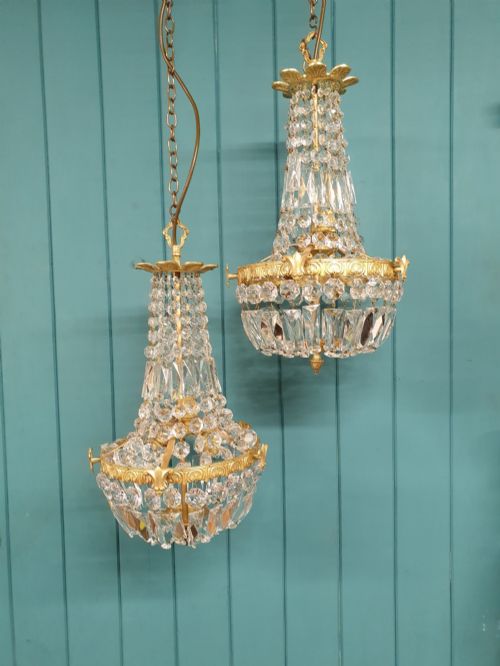
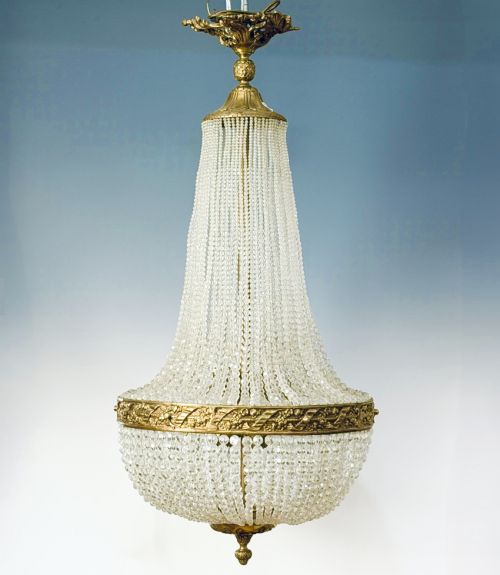
- A lighting form defined by dense rows of small crystals cascading from a central crown. The arrangement creates a visual sheet of reflected light.
- Coffin prisms
- Long, flat glass drops with faceted edges hung from the arms or rim of a light fitting. They disperse light into sharp prismatic colours when illuminated.
Antique Gilt Pendant Fitting: Frequently Asked Questions
What is an antique gilt pendant fitting?
An antique gilt pendant fitting is a historic ceiling light featuring a gilded metal or wooden structure suspended by a chain, cord, or rod. These fixtures include chandeliers and hall lanterns designed to illuminate rooms from above.
They combine functional lighting with decorative metalwork and glass elements, representing design periods from the nineteenth century into the twentieth century.
How do I choose the right size?
Selecting the correct size depends on the proportions of the room and the height of the ceiling. Multi-arm chandeliers require adequate clearance beneath them to allow free movement in a hallway or living space.
Larger rooms accommodate multi-branched fixtures with numerous lights, while smaller spaces benefit from compact triple-light lanterns or single-bulb pendant designs.
Where were these lights made?
The pieces listed originate primarily from France and Italy, reflecting distinct regional aesthetics such as French Empire, Rococo revival, and Italian Baroque styles. French workshops frequently produced gilded bronze and crystal arrangements.
Italian makers contributed designs featuring carved giltwood, Florentine details, and delicate porcelain flower embellishments. Each region applied local traditions to metal casting and decorative finishing.
How do I date an antique fitting?
Dating relies on stylistic clues, manufacturing materials, and assembly techniques visible in the frame and wiring components. Pieces referencing Edwardian tastes or nineteen-thirties production often display specific moulding characteristics.
Stylistic markers such as Neoclassical lyres or Art Nouveau curves align with distinct decades, helping to place the fixture within a specific historical era.