




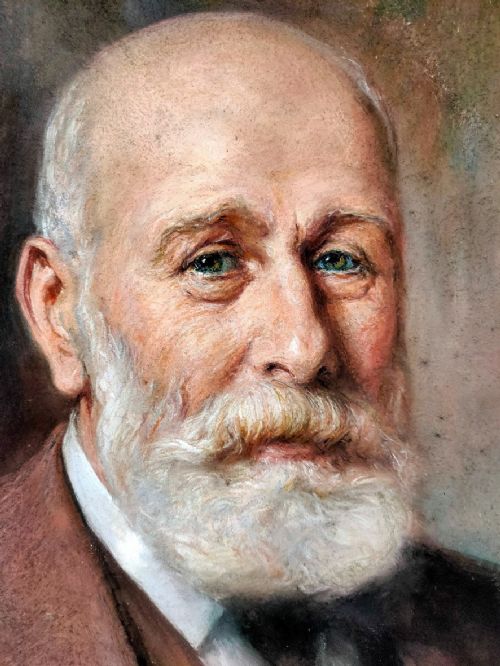


Edwardian Gentleman Painting
An edwardian gentleman painting captures the character and attire of the era, offering buyers a direct window into early twentieth-century portraiture.
Edwardian Gentleman Painting
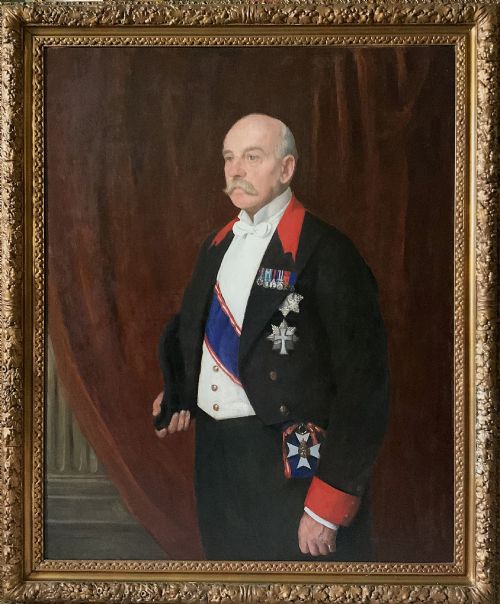
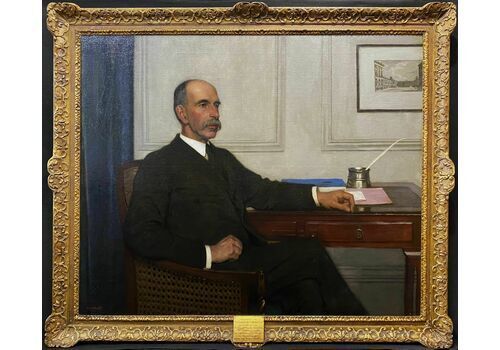
When you search for an edwardian gentleman painting, you encounter works that record the likenesses of military officers, merchants, and industrialists from the late nineteenth and early twentieth centuries. These pieces emerge from periods spanning the Edwardian era, 1900, 1910, 1920, and 1930, alongside occasional nineteenth-century works.
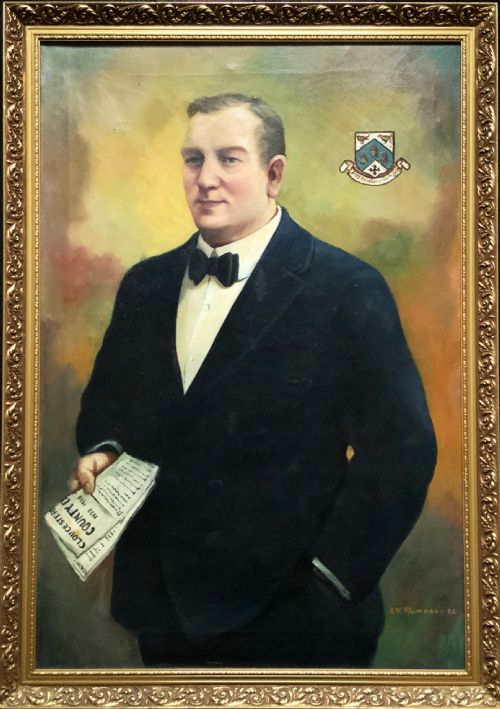
The selections on this page consist primarily of oil paintings and fine art oil on canvas portraits, framed in wood, giltwood, and gilded wood. You will find specific depictions of named sitters, such as major-generals, tycoons, and journalists, alongside anonymous portrait studies.
The form ranges from monumental military portraits and large historical canvases to intimate genre paintings of gentlemen in gardens. Works span academic realism and English folk art styles, reflecting the diverse approaches of portraitists working across Britain.
Skill and presence
The distinction between ordinary and exceptional works rests in the artist's ability to render facial expression, texture in fabric, and anatomical proportion. Academic realism yields highly detailed likenesses, whereas folk art interpretations prioritise character over strict proportion.
Framing and scale also influence the visual impact, with large historical canvases and original giltwood frames commanding greater presence than smaller or later-framed studies.
Materials recorded across the inventory include oil, canvas, wood, giltwood, gilded wood, and plaster.
Harold Knight·Lance Calkin·Frank Moss Bennett·John McGhie·John F.H. Dutton·William Woodhouse·Charlotte Blakeney Ward·John A.A. Berrie·Sir James Guthrie·Frank Thomas Copnall·John Dalziel Kenworthy·Neville Stephen Lytton·Sir Hubert Von Herkomer·Frank Samuel Eastman
The Edwardian Gentleman Painting Glossary
- Oil on canvas
- A painting medium where pigments are suspended in a drying oil, applied to a woven fabric support stretched across a wooden frame.
- Giltwood
- Timber that has been coated with a thin layer of gold leaf or gold paint, frequently used for decorative picture frames.
- Academic realism
- A style of painting produced under the influence of European academies of art, emphasising precise rendering, accurate anatomy, and classical composition.
- Genre painting
- The pictorial representation of scenes from everyday life, depicting ordinary people engaged in common activities.
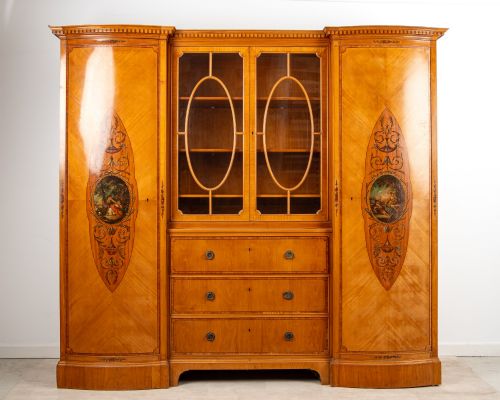
- Compactum
- A large fitted wardrobe or cupboard with multiple internal compartments, drawers, and hanging spaces.
Edwardian Gentleman Painting: Frequently Asked Questions
What periods do these paintings cover?
The pieces span the Edwardian era, the nineteenth century, and the early twentieth decades including 1900, 1910, 1920, and 1930.
Most works reflect the prevailing aesthetic tastes of British portraiture during these specific decades.
Are all the sitters identified?
Many paintings record the names of specific historical figures, such as military officers, merchants, industrialists, and journalists.
Other works remain anonymous portrait studies representing typical gentlemen of the period.
What materials support the paint?
The primary support medium is canvas, utilised with oil paints applied by the artist.
The surrounding frames are constructed from wood, plaster, and giltwood finishes.
How do folk art portraits differ?
Folk art works exhibit a more stylised, less academic approach to human anatomy and perspective compared to academic realism.
These pieces offer a distinct charm separate from formal commissioned society portraits.