

Edwardian Gemstone Engagement Ring
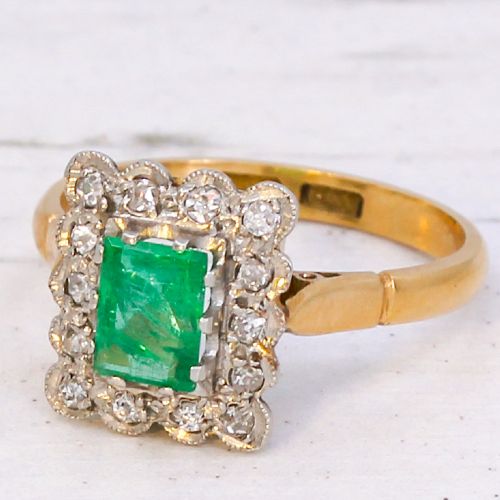
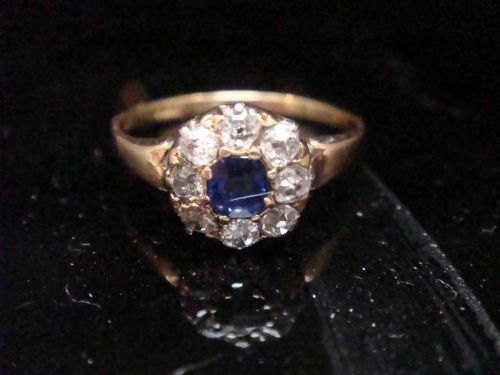
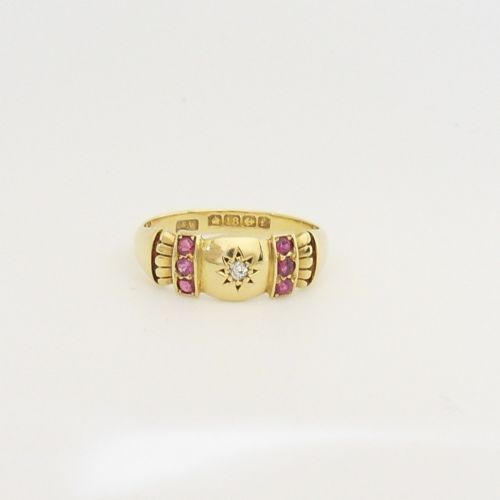
An edwardian gemstone engagement ring carries the grace of early twentieth-century design through delicate clusters of sapphire, ruby, emerald and diamond.
Edwardian Gemstone Engagement Ring
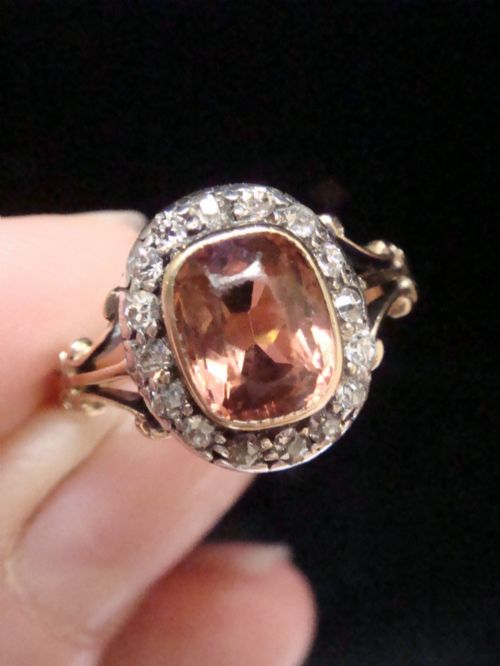
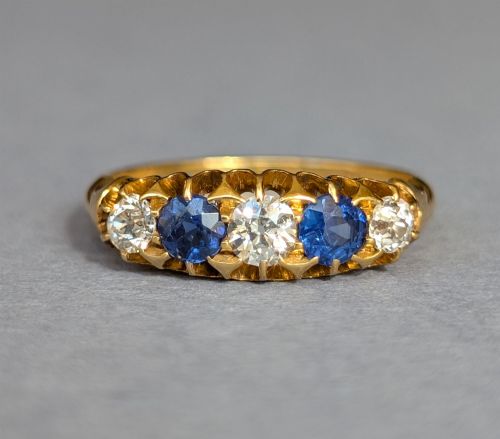
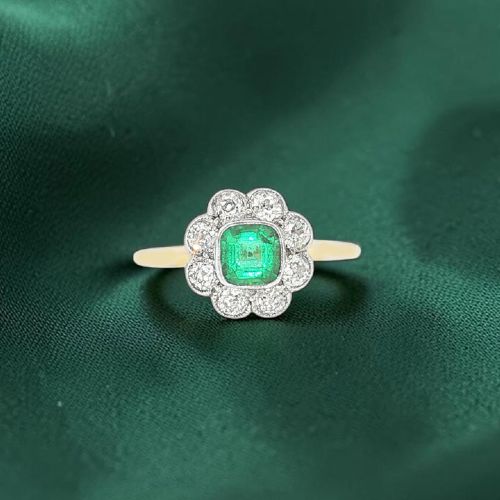
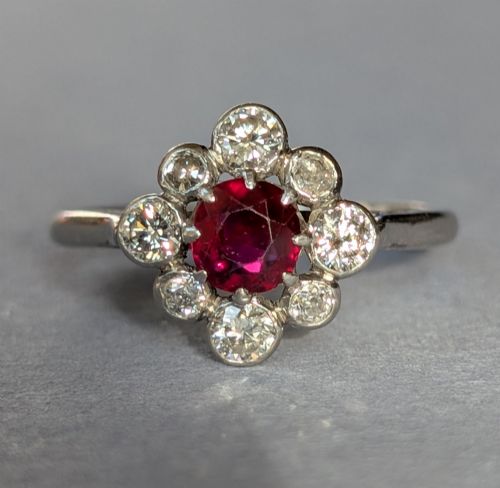
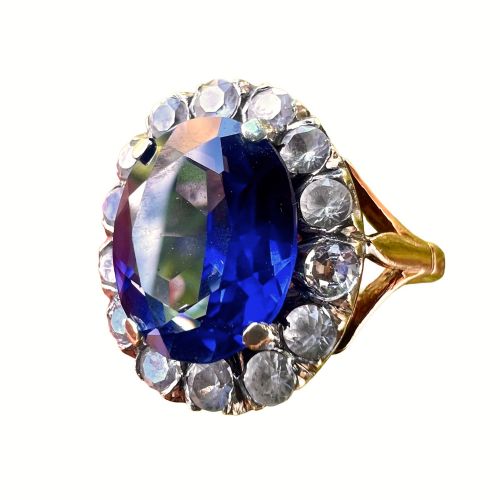
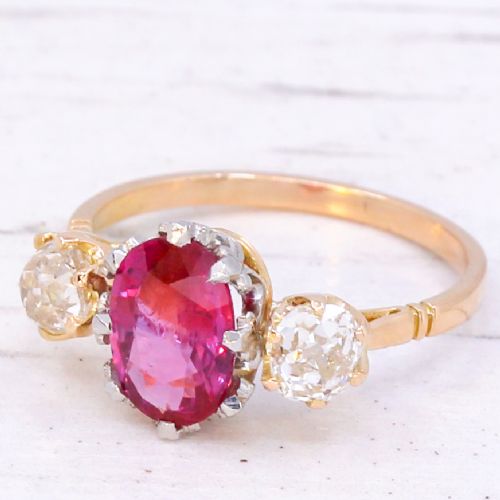
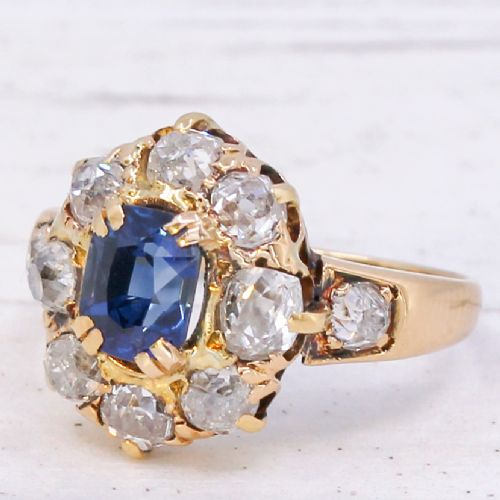
When someone searches for an edwardian gemstone engagement ring, they encounter pieces defined by central coloured stones framed by old cut diamonds. These jewel forms celebrate the romance and craftsmanship of the early nineteen hundreds.
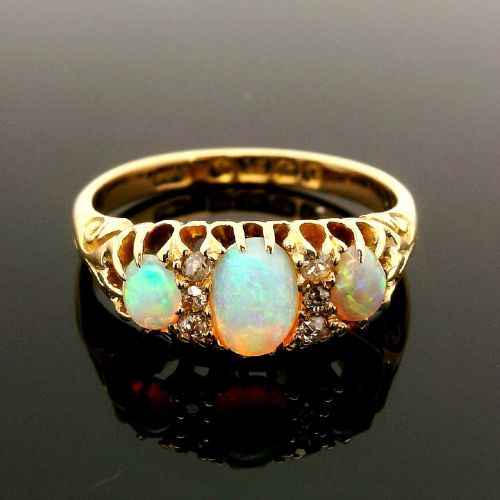
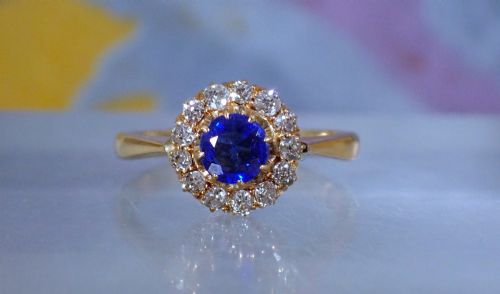
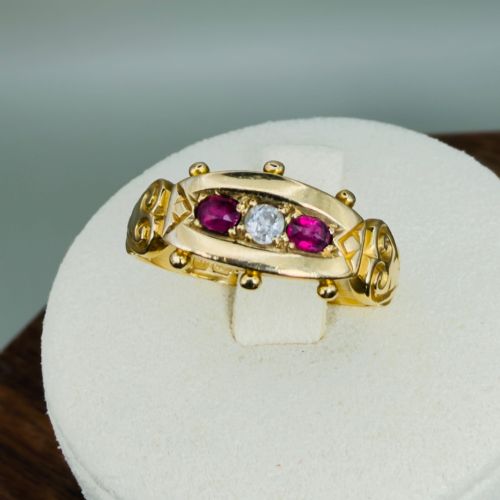
The most common version met on this page is the cluster ring, where a vibrant sapphire, ruby or emerald sits surrounded by smaller diamonds. Other frequent forms include daisy clusters, trilogy settings and boat rings.
While many examples originate directly from the Edwardian period, the selection also incorporates late Victorian survivals alongside later Art Deco and vintage interpretations that share the same aesthetic vocabulary.
Materials and construction
The metals predominantly utilised in these rings are eighteen carat yellow gold, white gold and platinum, often providing contrasting backdrops for colourful gems. Platinum emerges during this era as a favoured setting material because its strength allows for delicate, lace-like claw work.
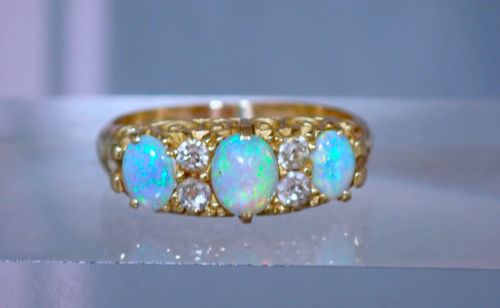
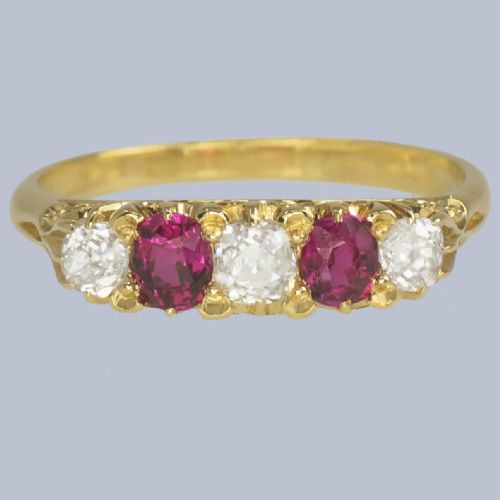
Stones are typically shaped by hand, featuring old mine cut or old European cut diamonds that display softer, broader facets than modern brilliant cuts. Gemstones such as unheated sapphires, rubies and opals are secured in claw or halo settings designed to maximise light passage.
Listings feature gold, platinum and silver alongside natural opals, unheated rubies, and sapphires originating from Burma, Ceylon and Kashmir.
Judgements of quality
Quality rests in the harmony of the proportion and the original integrity of the setting rather than mere scale. Superior pieces display finely matched gemstone saturation alongside balanced claw work that does not overpower the central stones.
The distinction between standard commercial items and finer examples lies in the character of the hand-cut diamonds and the absence of heavy metal rework over the decades. Retaining original proportions and uncompromised gemstone surfaces elevates a ring.
The Edwardian Gemstone Engagement Ring Glossary
- Old cut diamond
- A diamond cut by hand before the advent of modern machinery, characterised by a smaller table, higher crown and open culet. These stones catch candle and gas light with a distinctive, warm glow.
- Cluster ring
- A ring design featuring a prominent central gemstone encircled by a ring of smaller stones, typically diamonds. This arrangement maximises visual presence and colour contrast.
- Trilogy ring
- A ring set with three stones in a row, often interpreted as representing the past, present and future. In this selection, they frequently combine central rubies or sapphires with flanking diamonds.
- Halo ring
- A setting style where a centre gemstone is completely encircled by a border of smaller pavé or claw-set gems. This technique enhances the perceived size and brilliance of the primary stone.
- Boat ring
- An antique ring style featuring a curved, navette-like setting that sweeps across the finger. These often incorporate rows of graduated diamonds and coloured gems.
Edwardian Gemstone Engagement Ring: Frequently Asked Questions
How do I identify a true Edwardian ring?
Authentic pieces from the period often exhibit characteristic platinum-topped gold construction, delicate pierced gallery work and hand-cut diamonds with open culets. The overall lightness of the mount distinguishes them from heavier mid-century jewellery.
Examining the hallmarks and the wear patterns can also help confirm age. Many carry British assay office marks that assist in dating the exact year of manufacture.
Are these rings suitable for daily wear?
These antique rings can be worn daily provided they receive proper care and regular inspection of the settings. Harder stones like diamonds, sapphires and rubies withstand everyday use well, while softer gems require more caution.
It is advisable to remove the ring during heavy manual work or swimming. Having a jeweller check the claws periodically prevents stone loss.
What is an old cut diamond?
An old cut diamond refers to stones shaped by hand during the eighteenth, nineteenth and early twentieth centuries. They possess distinctive optical properties due to their higher crowns and smaller tables.
These diamonds were designed to sparkle under artificial light sources rather than modern electric lighting. This gives them a softer, more romantic appearance than contemporary brilliant cuts.
What do sapphire and ruby symbolise?
Historically, sapphires have represented loyalty, wisdom and nobility, making them a traditional choice for betrothal jewellery. Rubies have long been associated with passion, vitality and protection.
Victorian and Edwardian couples frequently assigned personal meanings to gemstone combinations in engagement rings. These choices added a layer of sentience beyond mere decoration.