


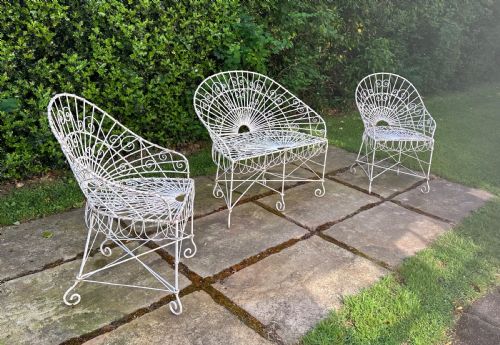


Edwardian Furniture Settee
An edwardian furniture settee brings understated drawing room elegance to a modern interior, offering comfortable seating shaped by decades of traditional craftsmanship.
Edwardian Furniture Settee
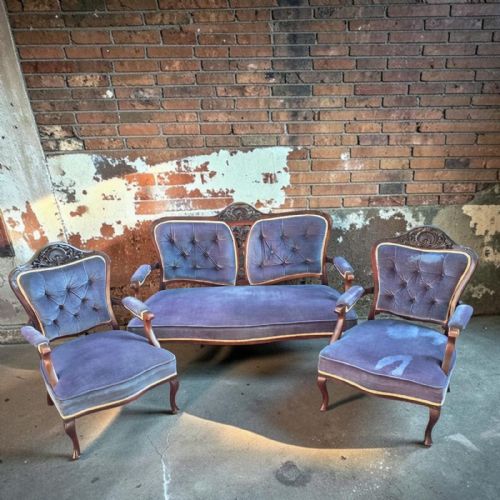
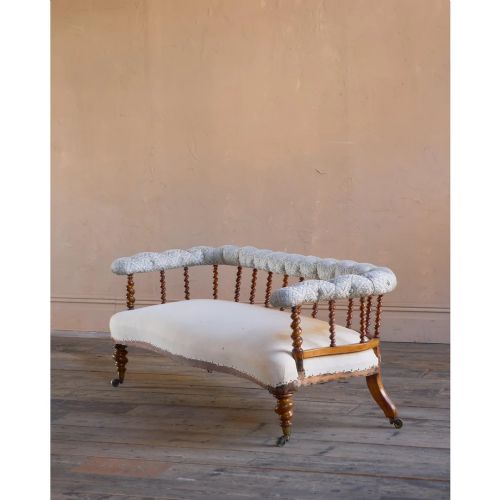
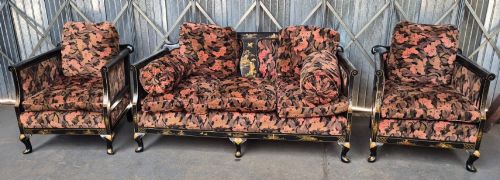
When searching for an edwardian furniture settee, buyers encounter formal upholstered seating originating from the late nineteenth and early twentieth centuries. These pieces encompass everything from compact window seats and parlor sofas to expansive three piece salon suites.
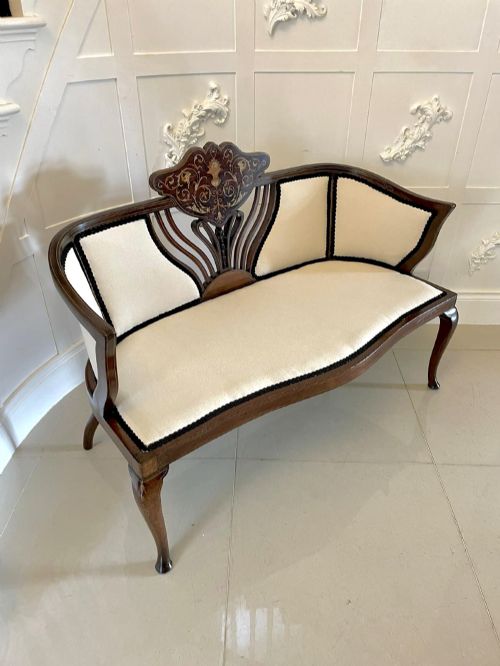
The version most commonly met on this page is the Edwardian inlaid mahogany settee, often accompanied by matching chairs. Pieces span stylistic revivals including Sheraton, Chippendale, and Chinoiserie alongside understated Arts and Crafts forms.
Originating primarily from the late Victorian and Edwardian eras, these settees reflect the refined tastes of period drawing rooms. They provide practical seating while serving as decorative focal points within a room.
How they were made
Construction relies heavily on solid mahogany, walnut, and oak, frequently enhanced with delicate satinwood inlay or intricate carving. Frames are built for durability, supporting sprung seating foundations.
Upholstery materials range from traditional leather and velvet to patterned fabric and damask, often finished with decorative trim. Skilled cabinetmakers combined structural joinery with ornate decorative detailing to achieve the desired aesthetic.
Listings span the Victorian, Edwardian, and early twentieth century periods, utilising mahogany, oak, walnut, and rosewood.
What varies in quality
Quality rests in the precision of the cabinetwork and the sophistication of the wood inlay. Superior examples display crisp carved details and harmonious proportions across both frames and matching chairs.
The choice of primary timber and secondary wood dictates the overall integrity of the piece. Finer upholstery textiles and robust frame construction elevate certain suites above standard production models.
C. Hindley and Sons·Howard and Sons·Hampton and Sons·James Shoolbred
The Edwardian Furniture Settee Glossary
- Settee
- A long upholstered seat with a back and arms, designed for more than one person. These seating forms range from compact parlor seats to large drawing room sofas.
- Inlay
- A decorative technique where contrasting woods or materials are inserted into recesses in the primary surface. Satinwood is frequently utilised for this purpose on mahogany frames.
- Salon suite
- A matched set of seating furniture comprising a settee and associated chairs for a reception room. These suites unify the decorative scheme of a period interior.
- Chinoiserie
- A European artistic style reflecting Chinese motifs and decorative techniques. This style appears on specialised Edwardian framework.
- Chesterfield
- A traditional sofa style characterised by deep buttoned upholstery and rolled arms of equal height. Versions in leather frequently feature hand carved details.
Edwardian Furniture Settee: Frequently Asked Questions
What is an edwardian furniture settee?
An edwardian furniture settee is a formal upholstered seating piece dating from the early twentieth century or the preceding late Victorian decades. These items were designed for drawing rooms and parlors, serving both functional and decorative purposes.
They frequently appear as part of larger matching salon suites alongside companion armchairs and window seats.
How do I identify an Edwardian settee?
Identification involves examining the timber, decorative inlay, and overall silhouette for characteristics typical of the period. Look for light mahogany construction paired with satinwood stringing and subtle stylistic influences from Sheraton or Chippendale revivals.
Upholstery fabrics such as damask, velvet, or leather further help contextualize the piece within its historical era.
How do I care for antique upholstery?
Caring for antique upholstery requires gentle maintenance suited to delicate textiles like velvet, damask, or traditional leather. Regular light dusting and protection from direct sunlight preserve the fabric condition over time.
Maintaining stable room humidity prevents the timber frames and decorative inlays from drying out.