
Edwardian Furniture Desk
When you choose an edwardian furniture desk, you are selecting a workspace shaped by early twentieth-century craftsmanship and practical elegance.
Edwardian Furniture Desk
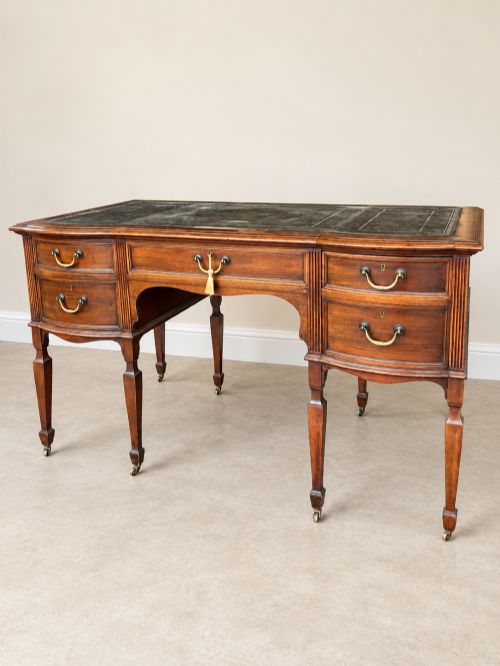
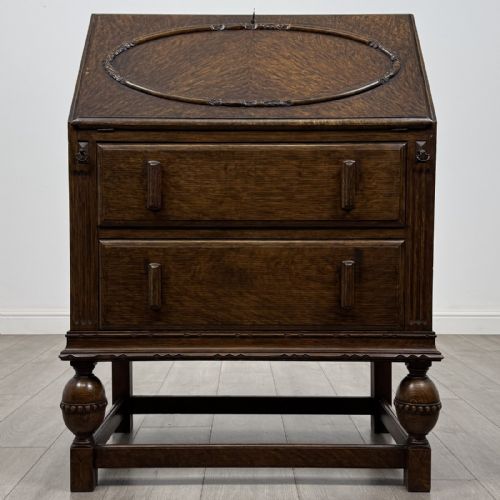
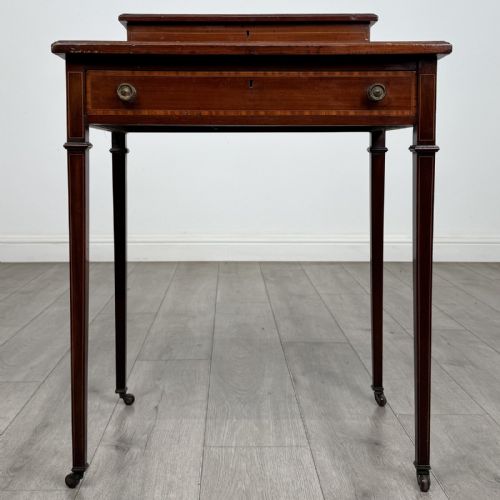
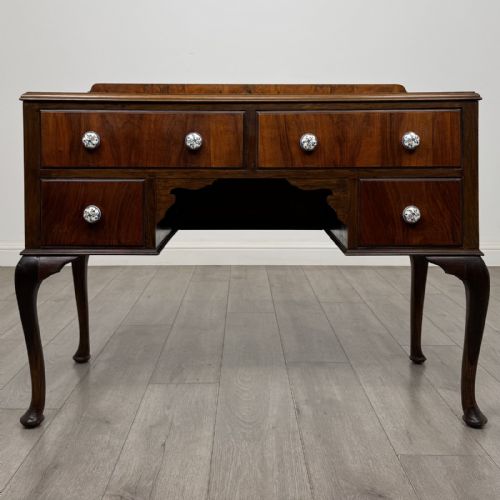
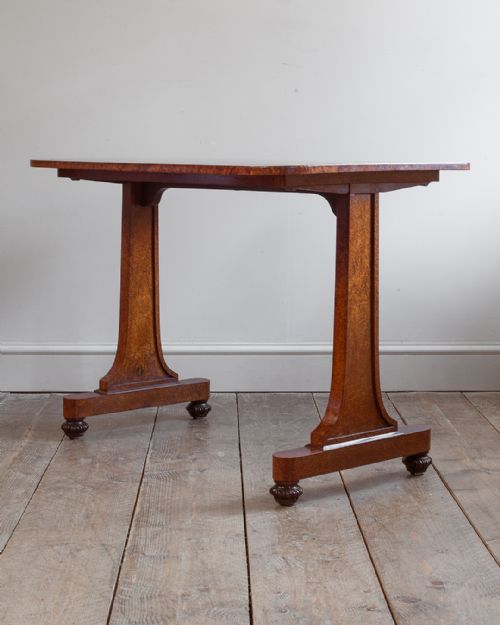
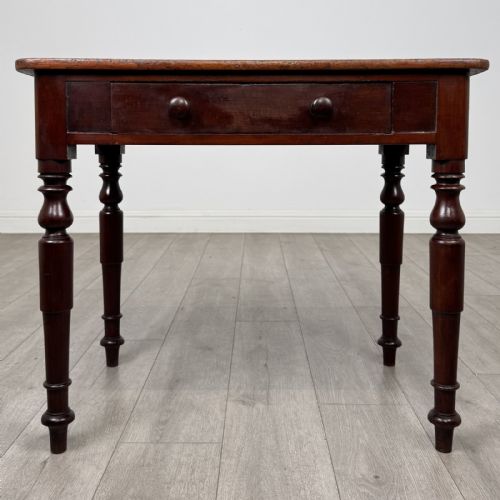
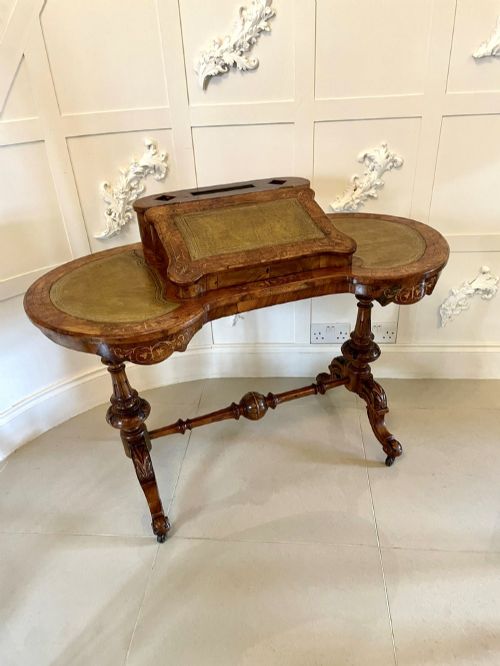
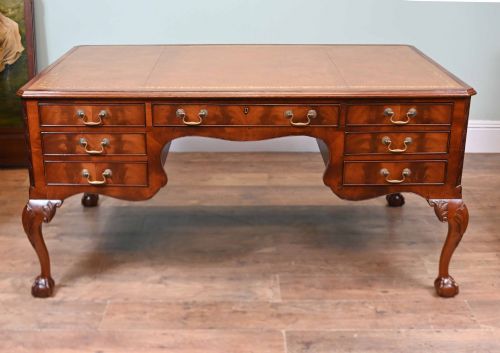
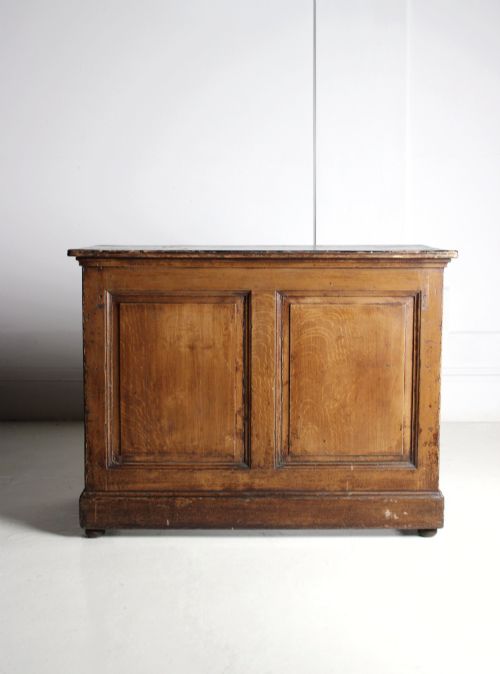
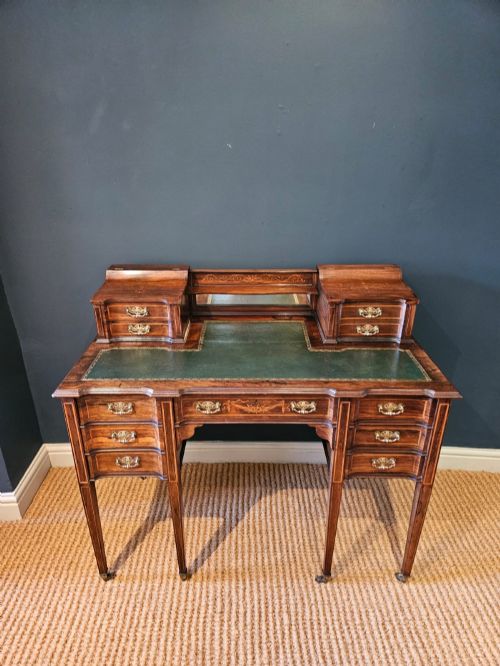
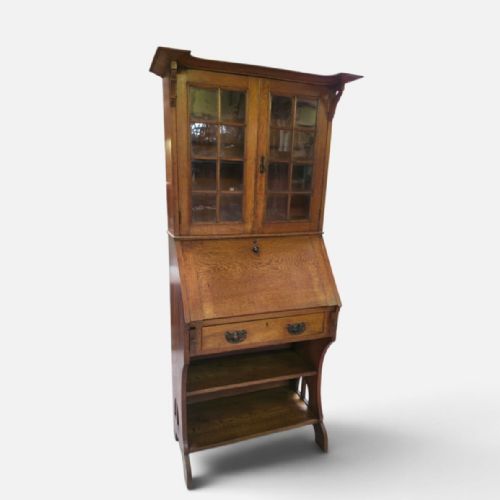
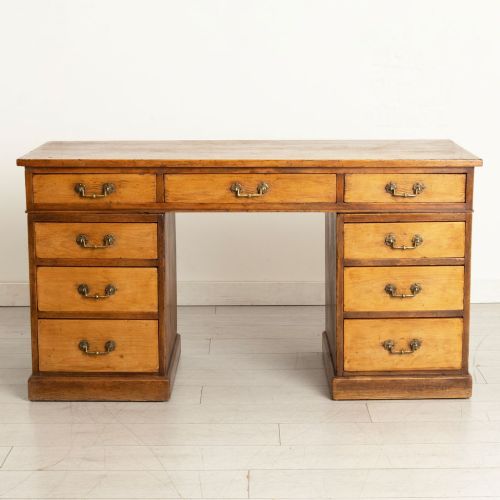
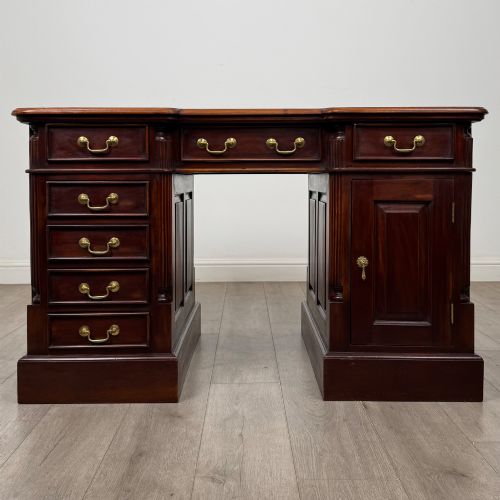
The edwardian furniture desk encompasses writing tables, bureaus, and pedestal desks originating primarily from the Edwardian era and the early twentieth century, alongside related nineteenth-century Victorian antecedents. Buyers encounter sturdy pedestal desks with multiple drawers, slope-front bureaux, and refined writing tables finished with delicate detailing.
Mahogany, oak, and satinwood dominate the construction of these pieces, frequently enhanced by contrasting inlaid timbers and leather writing surfaces. Workshops of the period also utilised walnut, pine, and birch to build functional workspaces ranging from compact side tables to large boardroom tables.
Stylistic influences stretch from traditional Georgian revivals to Arts and Crafts simplicity and Victorian French Revival ornamentation. This variety allows collectors to find heavy oak library pieces as well as light satinwood writing desks decorated with hand-painted motifs.
Materials and construction methods
Cabinetmakers built these desks using solid timbers like mahogany, oak, and walnut, frequently applying fine satinwood veneers to the exterior surfaces. Drawer construction relied on traditional hand-cut dovetail joints designed to withstand daily use over generations.
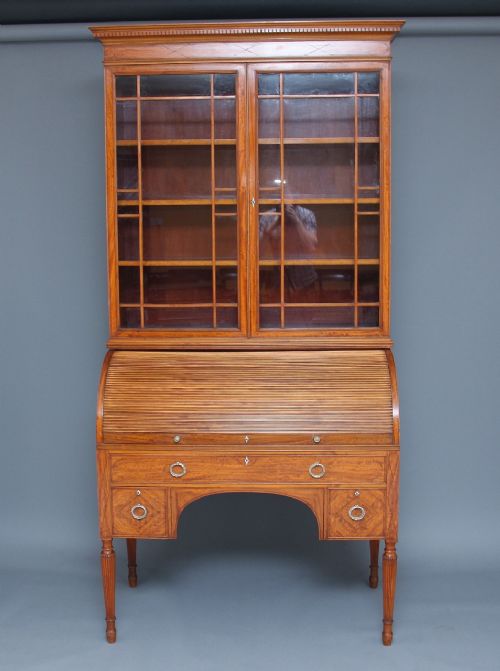
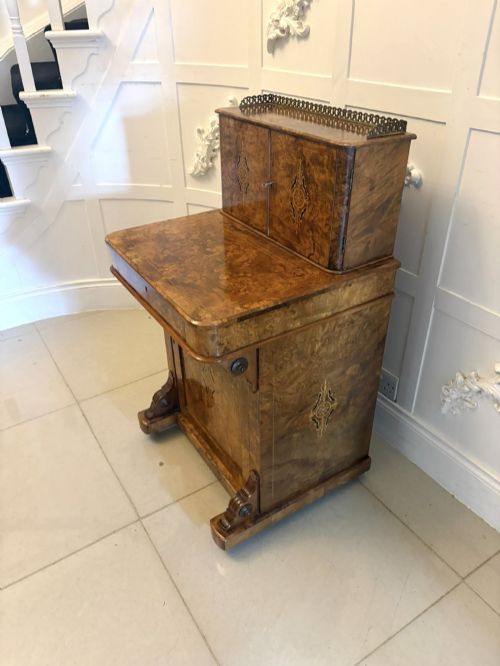
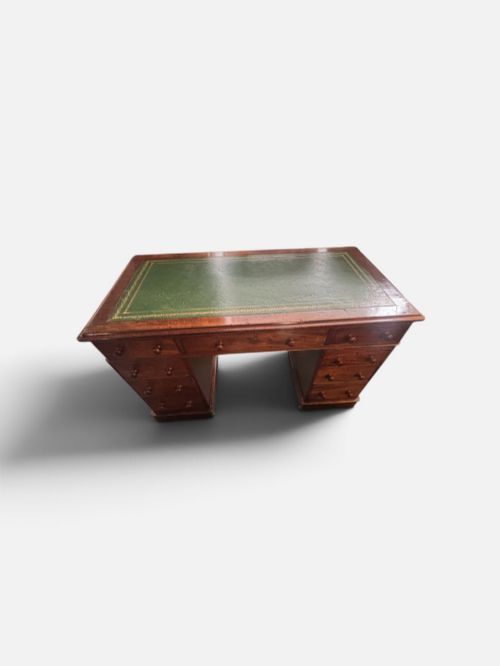
Makers embellished writing surfaces with inset tooled leather panels, while decorative details often included brass handles, keyhole escutcheons, and intricate marquetry inlay. Cabinets and bureaux also featured specialised mechanisms such as tambour fronts and folding campaign designs.
Some Edwardian desks hide clever stationary compartments behind sliding tambour fronts designed to outsmart wandering family members.
Distinctions in craftsmanship and finish
Superior examples of an edwardian furniture desk display meticulous attention to detail in their timber selection, such as matching wood grain across drawer fronts and precise execution of inlaid satinwood or brass stringing. Lesser pieces rely on simpler construction with plain secondary timbers and minimal decorative embellishment.
The integration of hand-painted decorative schemes and superior carving elevates certain writing desks and bureaus above standard utility furniture. Original hardware, intact leather inserts, and structurally sound joinery further separate everyday pieces from the finest workshop productions.
Trollope and sons·Wylie and Lochhead Glasgow·Whytock and Reid of Edinburgh·Hindley and Sons
The Edwardian Furniture Desk Glossary
- Pedestal desk
- A heavy freestanding writing table supported by two banks of drawers reaching down to the floor. This form provides substantial storage capacity on either side of the central leg space.
- Bureau
- A writing cabinet featuring a sloping hinged flap that opens to reveal a fitted interior of small compartments and pigeonholes. Many examples stand on bracket feet or above a chest of drawers.
- Tambour
- A flexible sliding shutter formed from narrow strips of wood glued to a canvas backing. This mechanism conceals the interior pigeonholes of filing cabinets and specialised desks.
- Marquetry
- The decorative craft of applying thin veneers of different coloured woods to a structural surface to create pictorial or geometric patterns. Makers utilised this technique extensively on satinwood and mahogany writing furniture.
- Campaign style
- Portable furniture constructed for military officers, typically featuring brass corner braces and recessed folding handles. These pieces were built for easy dismantling and transport during travel.
Edwardian Furniture Desk: Frequently Asked Questions
What is an edwardian furniture desk?
An edwardian furniture desk is a wooden workspace produced during the early twentieth century, encompassing pedestal desks, writing tables, and bureaux. These pieces reflect the domestic and professional needs of the period through varied storage configurations.
Craftsmen built them using traditional timber construction, often incorporating mahogany, oak, or satinwood with decorative inlay. They range from simple utilitarian office furniture to highly ornate satinwood pieces designed for private drawing rooms.
How do I distinguish an Edwardian desk from a Victorian one?
Edwardian desks generally display lighter proportions, brighter satinwood finishes, and more restrained inlay compared to earlier nineteenth-century furniture. Victorian pieces often utilise heavier timbers and more robust, darker mahogany or walnut structures.
Stylistic cues also provide guidance, as Edwardian makers frequently favoured neoclassical revivals and Arts and Crafts simplicity. Examining the secondary timbers inside drawers can also help confirm the period of manufacture.
How were tambour desks used?
Tambour desks featured sliding slatted wooden doors that could be pulled down to secure the papers and writing materials kept inside. This mechanism allowed users to quickly lock their workspace without clearing away ongoing correspondence.
They served as functional office furniture for sorting documents and organising daily administrative tasks in homes and businesses. The slatted construction saved space compared to traditional hinged cabinet doors.
How should I care for an antique wooden desk?
Keep wooden desks away from direct sunlight and heat sources to prevent timber from drying out, warping, or cracking. Maintain the polished finish by applying high-quality beeswax periodically and dusting gently with a soft dry cloth.
Protect leather writing inserts from moisture and sharp implements by using blotters during daily writing tasks. Avoid harsh chemical cleaners that can strip the historic polish from the wood surface.